

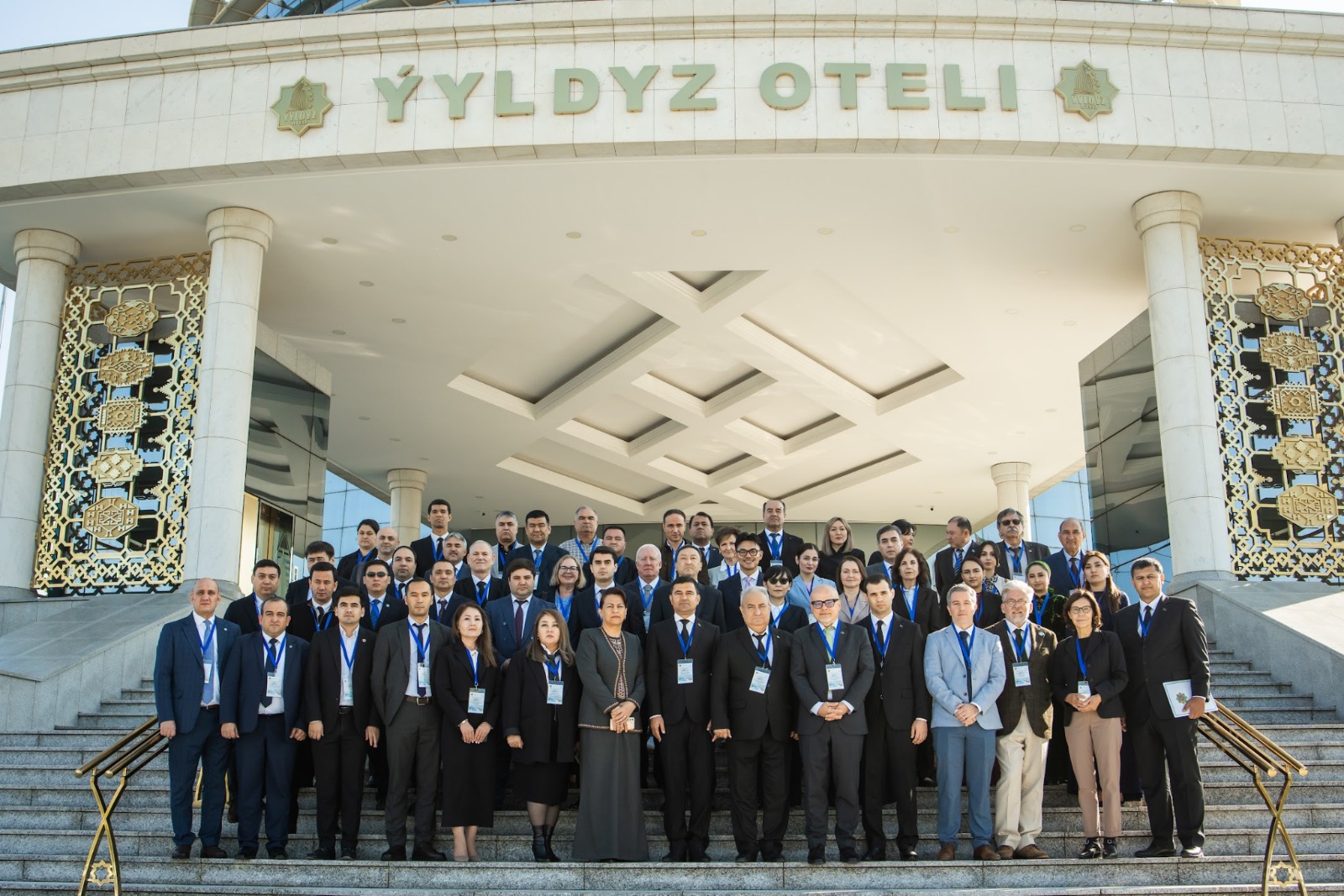
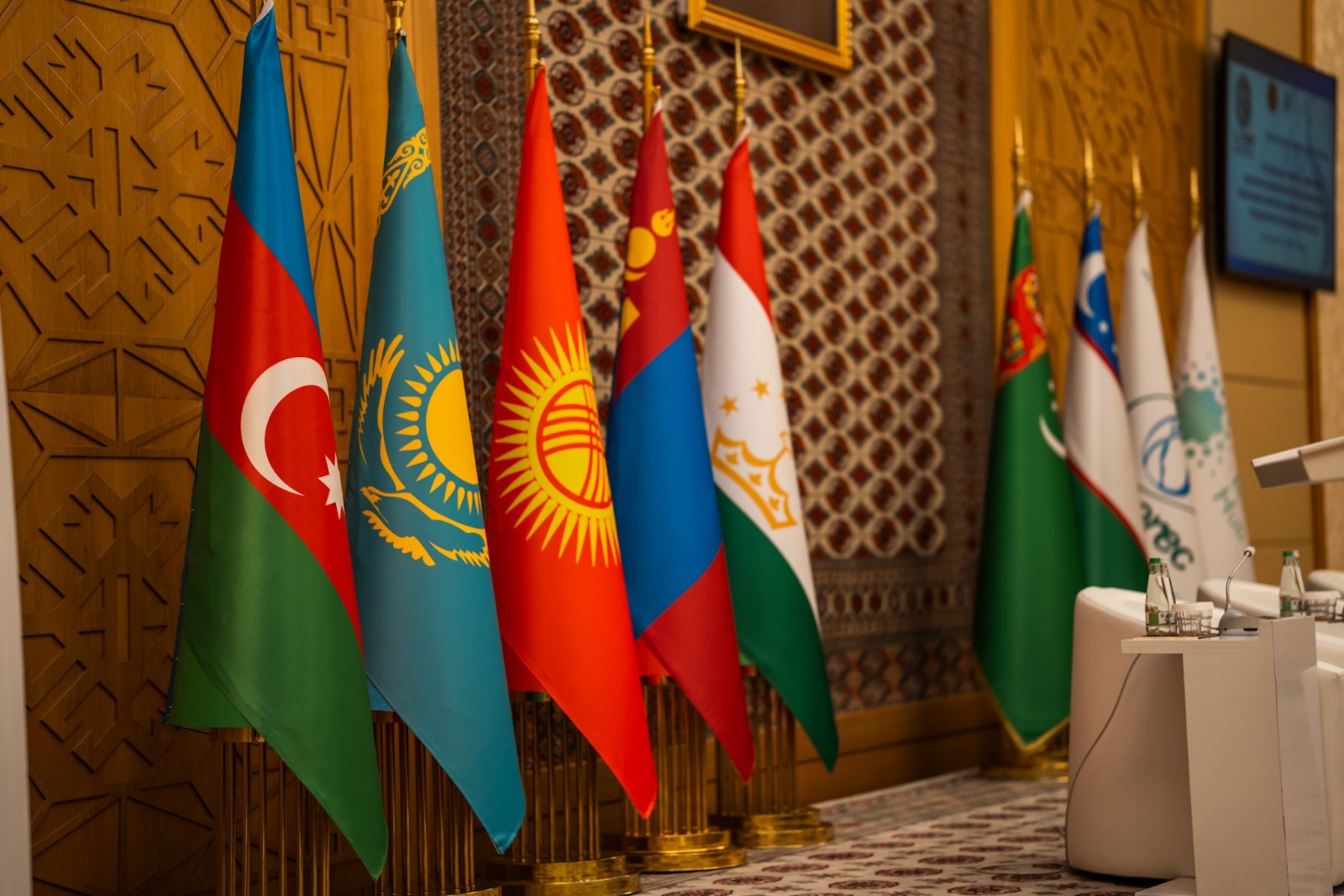
On 29–30 October 2026, the Regional Environmental Centre for Central Asia (CAREC) brought together government representatives from the five Central Asian countries, Mongolia, and Azerbaijan, alongside energy sector specialists and international organizations, in Ashgabat, Turkmenistan, to discuss methane emission reduction priorities, emerging technologies, investment opportunities, and prospects for regional cooperation.
The Regional Methane Conference, entitled “From Methane Data to Action: Strengthening Methane Management, Mobilizing Capital, and Enhancing Regional Cooperation in Central Asia,” was organized under the project “Capacity Building for Methane Emission Reduction in Central Asia” (CA CBMER), implemented by CAREC through the Regional Climate Action Transparency Hub (ReCATH), with support from the Global Methane Hub (GMH). The event also included an expanded meeting of the project's Regional Steering Committee (RSC), bringing together participating countries to discuss future priorities and cooperation beyond the current project cycle.
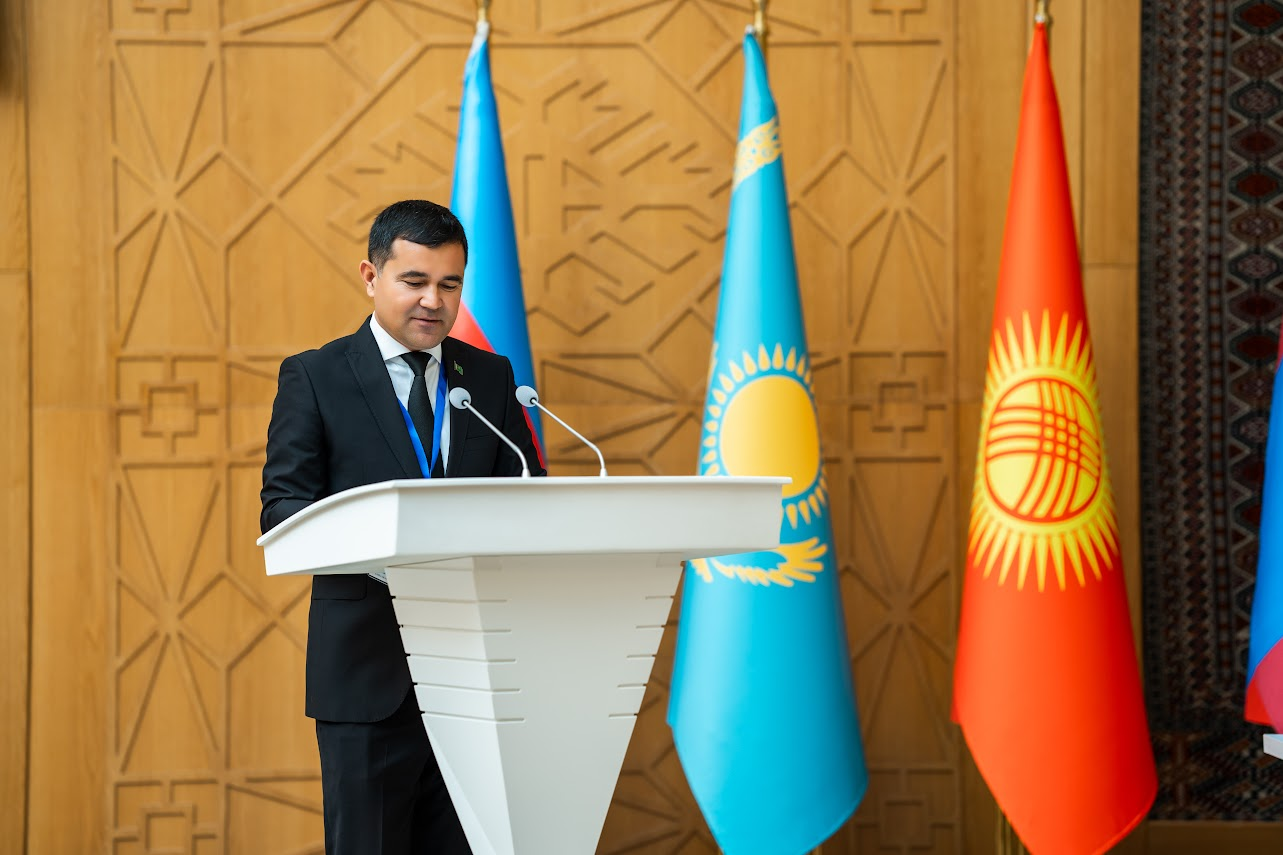
The conference opened with remarks from representatives of the Government of Turkmenistan, the European Union, GMH, and CAREC, emphasizing the importance of translating international climate commitments into practical measures. Maktumkuli Akmyradov, Adviser on Environmental and Water Affairs at the Ministry of Foreign Affairs of Turkmenistan, highlighted the country's commitments under the Paris Agreement and its accession to the Global Methane Pledge in 2023, describing the latter as “a clear signal to the global community of our readiness to take decisive action.” Dovran Yagmyrov, Head of the Environmental Protection Department at the Ministry of Environmental Protection, outlined national efforts to strengthen methane management, including the establishment of an Interagency Commission on Methane Emission Reduction in 2023.
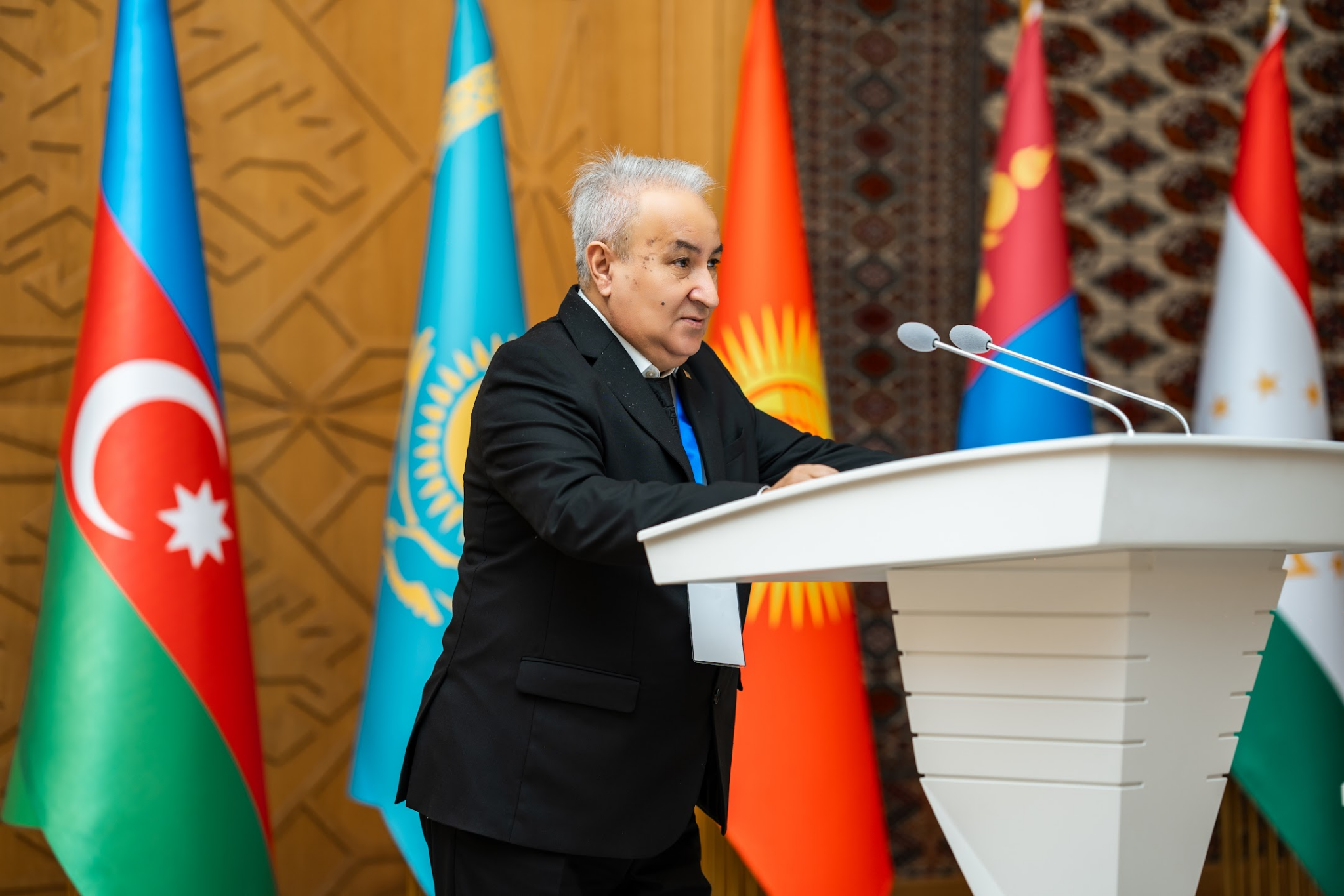
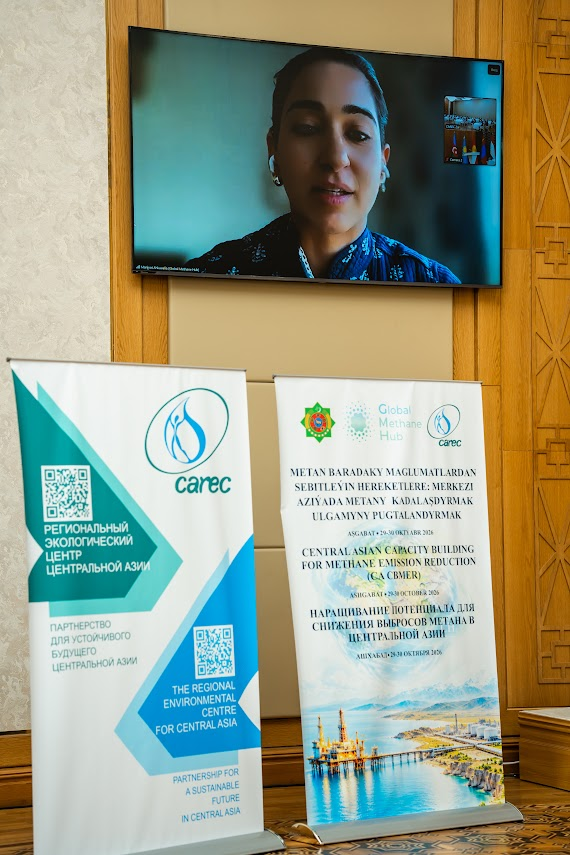
The importance of regional action was further emphasized by Manjyot Ahluwalia, GMH Regional Lead for Asia, who noted that Central Asia and the Caspian region account for 28 of the world's 50 largest methane super-emitting sources, with estimated annual natural gas losses valued at USD 2.4 billion. Highlighting leak detection and repair (LDAR) as one of the most effective approaches for the region, she called for closer cooperation between governments, industry, and international partners to accelerate emission reductions, which can help the region bring energy security and economic competitiveness and preparedness for a near-zero global methane market.
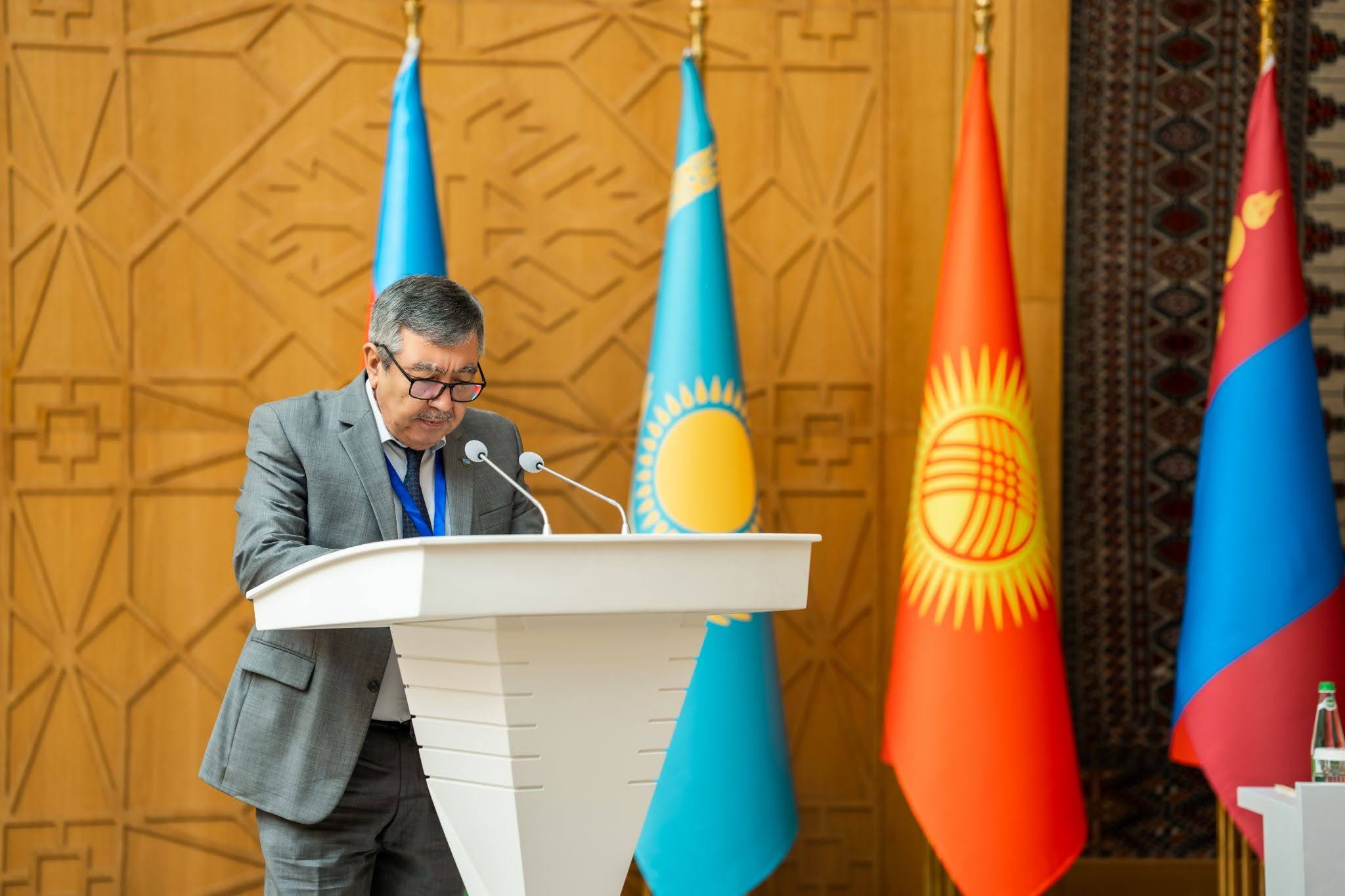
“Regional dialogue, exchange of experience, and the combining of national efforts with international expertise will allow us to move from improving data and understanding emission sources toward more effective regulation and concrete reduction measures,” said CAREC Executive Director Dr. Batyr Mammedov, emphasizing the need to connect technical knowledge with practical implementation.
An important focus of the conference was the exchange of national experiences and priorities. Representatives of environmental authorities from Kyrgyzstan, Tajikistan, Turkmenistan, and Uzbekistan presented developments in methane management, regulatory frameworks, and national monitoring systems. Mongolia also contributed to the country's dialogue, reflecting the growing geographical scope of cooperation. The participation of Azerbaijan and Mongolia as observer countries in the CA CBMER initiative marks an important step towards extending cooperation beyond Central Asia, opening additional opportunities for exchanging experience with countries facing similar methane management challenges.
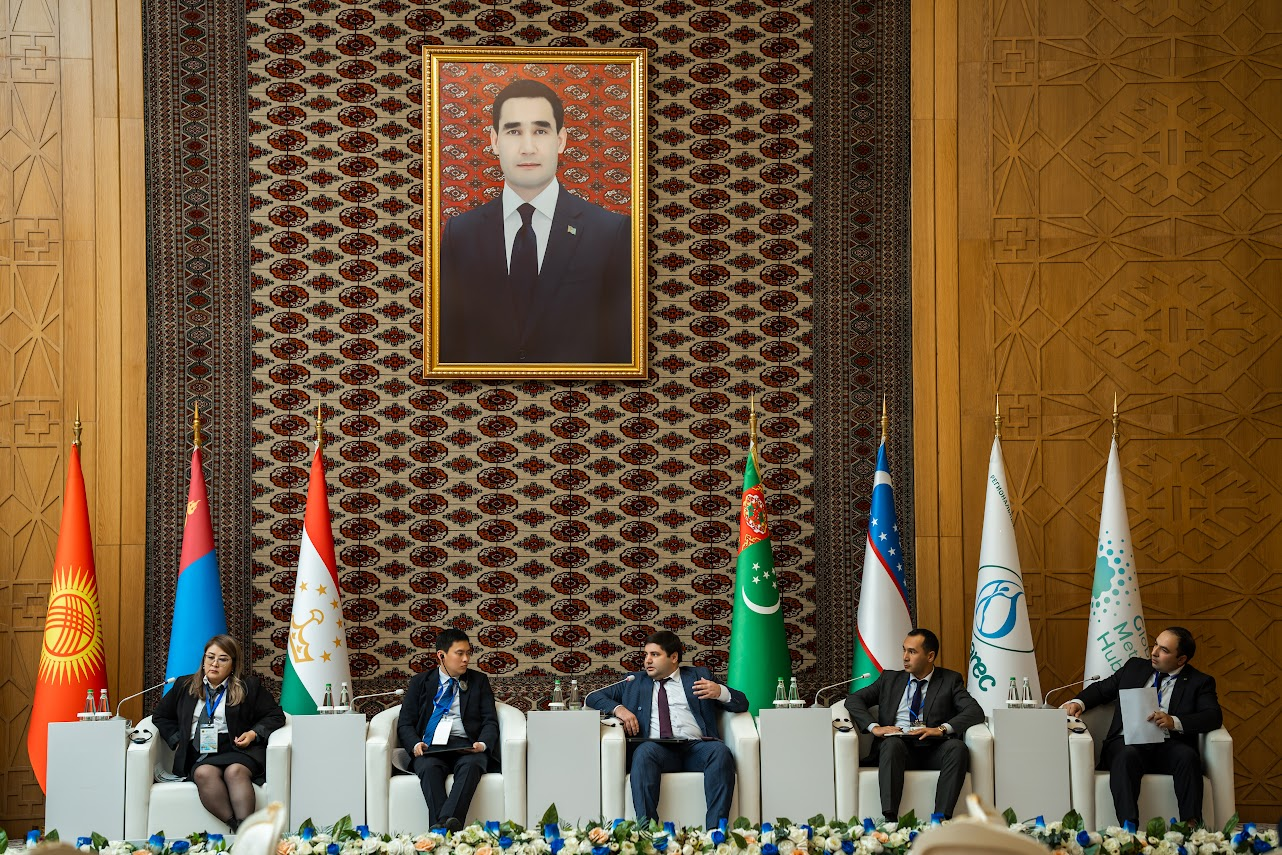
Country discussions highlighted common priorities, including strengthening national methane inventories and monitoring, reporting and verification (MRV) systems, improving access to measurement technologies, developing regulatory frameworks, and building institutional capacities. Particular attention was given to closer cooperation between environmental and energy authorities to ensure that methane emission reduction objectives are supported by practical measures in the oil and gas sector.
These priorities were further explored in discussions involving representatives of energy ministries and industry. Officials from the Kyrgyz Republic, Turkmenistan, and Uzbekistan addressed opportunities to improve coordination between environmental regulation and energy sector operations. Representatives of the oil and gas industry, including Tajikistan's state enterprise Naftu Gaz and Turkmengaz, shared operational perspectives on methane monitoring, leak detection, and emissions reduction, highlighting the importance of directly involving energy companies in the development and implementation of mitigation measures.
International partners presented practical approaches and opportunities that could support countries in addressing these challenges. Representatives of GIZ, Clean Air Task Force (CATF), Environmental Defense Fund (EDF), UNEP's International Methane Emissions Observatory (IMEO), the Climate and Clean Air Coalition (CCAC), Carbon Mapper, Carbon Limits, and the International Energy Agency (IEA) shared experience in methane regulation, satellite-based monitoring, direct measurement, and the implementation of effective LDAR programmes.
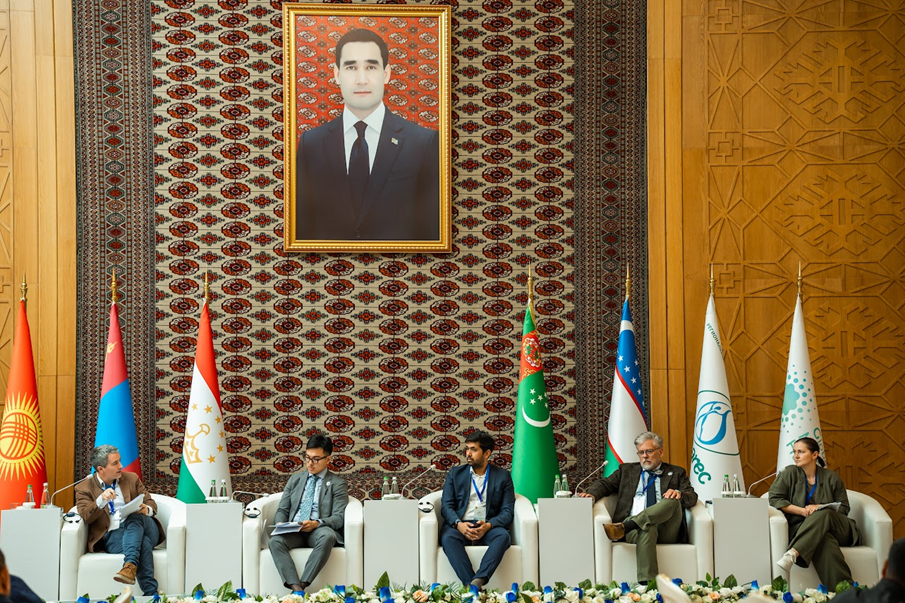
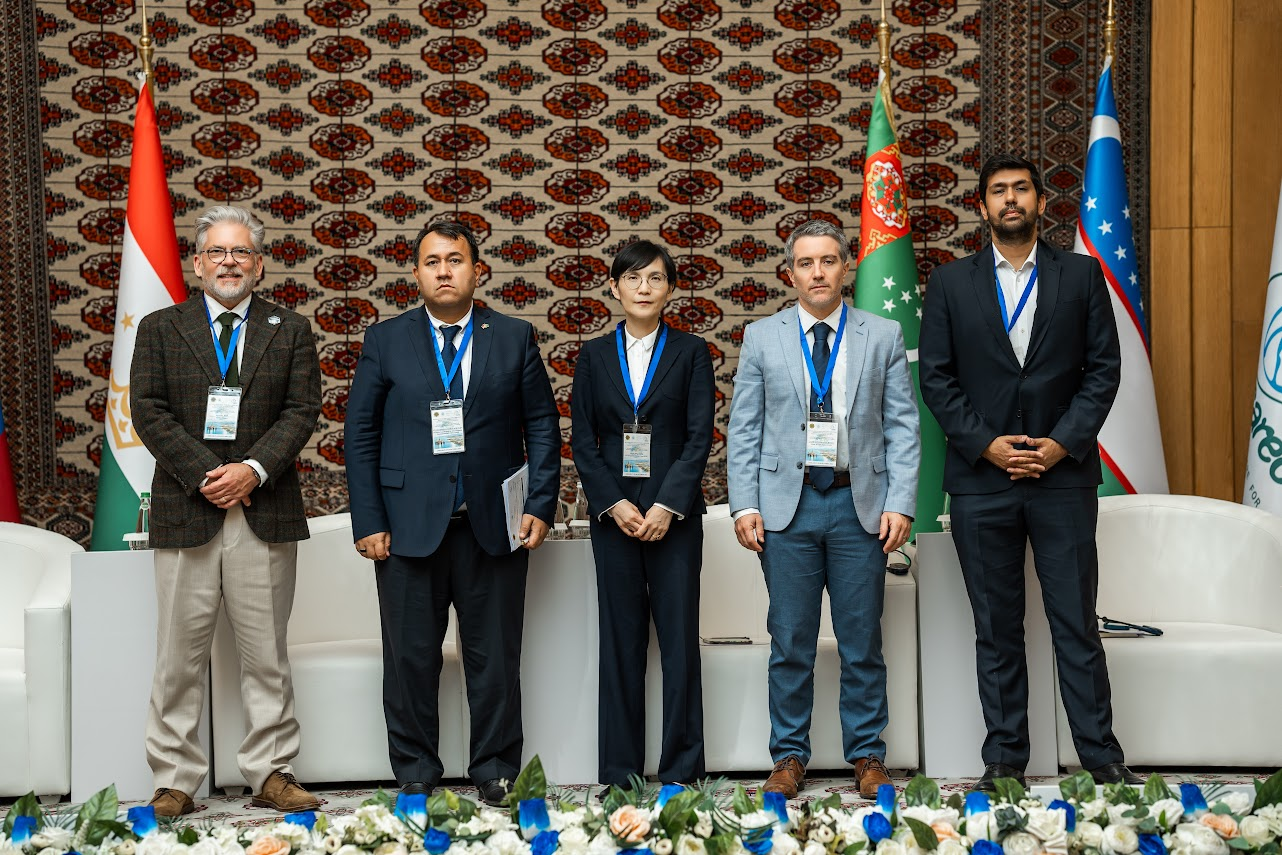
The discussions demonstrated how international tools and expertise could be adapted to national circumstances. UNEP IMEO and Carbon Mapper presented opportunities to use independent methane observations and satellite data to identify emission sources and support targeted action, while Carbon Limits shared practical experience in translating leak detection into mitigation measures. CATF and IEA addressed emerging regulatory requirements and their implications for oil and gas producers, while EDF explored how reliable methane data and cross-border cooperation could support policy development and mobilize investment for emission-reduction projects.
The growing importance of international regulatory requirements was also highlighted by Maciej Adam Madaliński, Deputy Head of the EU Delegation to Turkmenistan. Referring to the EU Methane Regulation and evolving emissions reporting requirements for energy suppliers, he emphasized that methane reduction is “not just a climate priority, but part of a broader partnership aimed at building sustainable, stable and modern economies.” He also outlined opportunities to facilitate cooperation between Turkmen institutions, energy companies, and European technology providers, including potential joint pilot projects. The EU-supported “EU for Green Turkmenistan” programme, implemented by GIZ, was highlighted as an example of ongoing assistance, with an additional EUR 2 million allocated to support leak detection and repair activities.
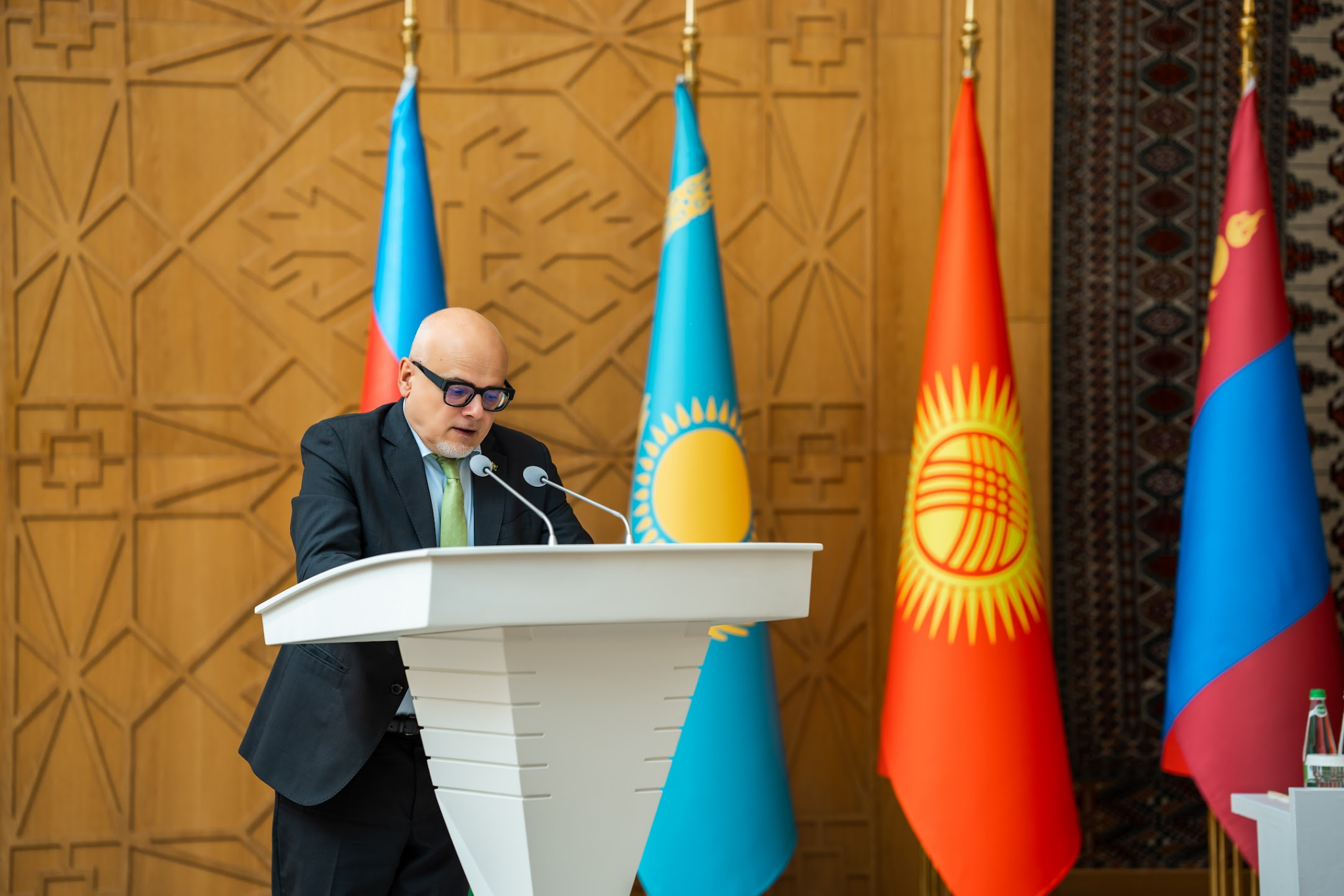
Beyond technological solutions, participants discussed how methane-emission-reduction projects could attract international financing. The exchanges addressed opportunities to connect satellite observations and reliable emissions data to economically viable mitigation measures, including developing investment proposals for multilateral development banks and commercial financing institutions. These discussions reinforced the importance of moving beyond emissions identification to implementing financially sustainable reduction measures.
The conference also provided an opportunity to present technical and analytical work developed under CA CBMER, including assessments of methane regulatory frameworks in Central Asia and of the economic benefits of emission-reduction measures. These findings contributed to discussions of common regional challenges and practical approaches that participating countries could consider.
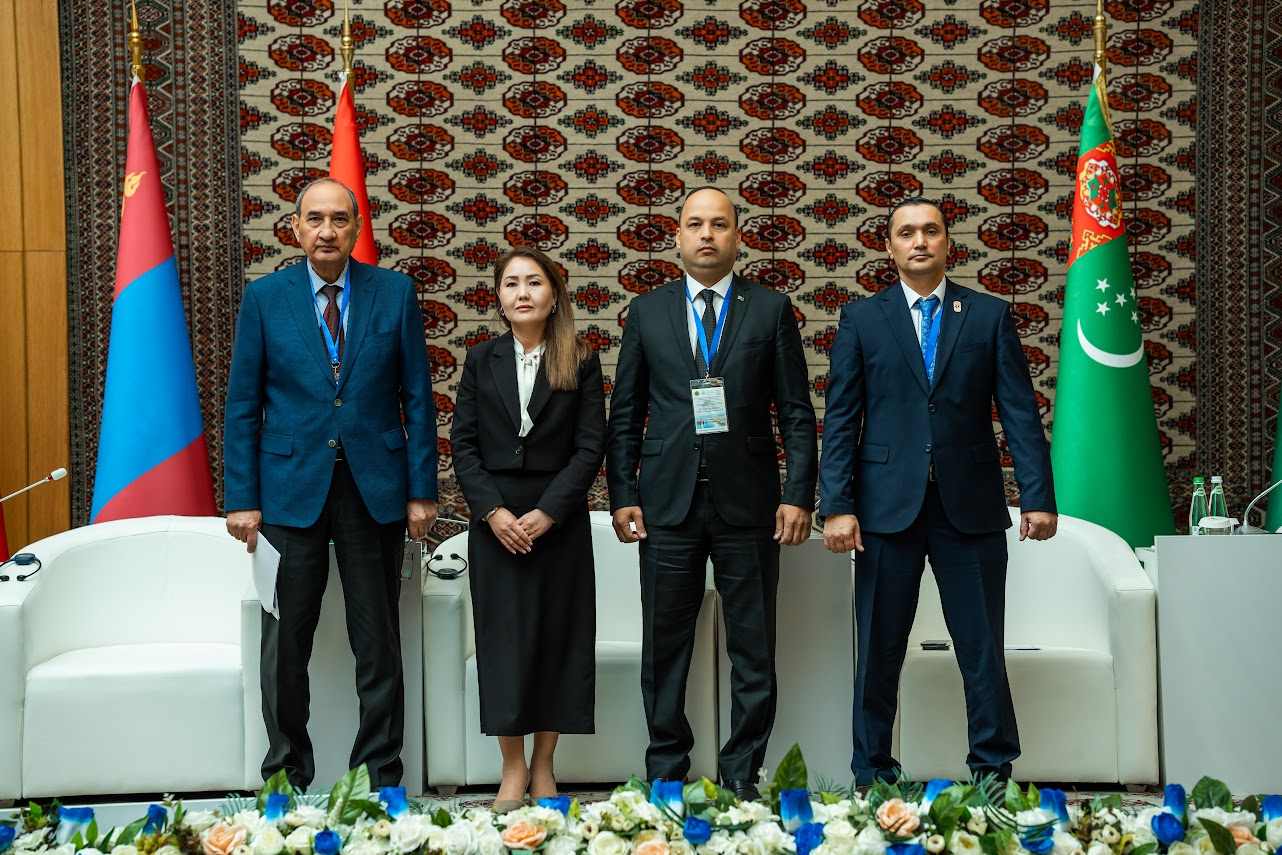
The conference concluded with an expanded meeting of the CA CBMER Regional Steering Committee (RSC), where representatives of participating countries reviewed the project's progress, discussed the outcomes of the regional conference, and identified priorities for continued cooperation beyond the current project cycle.
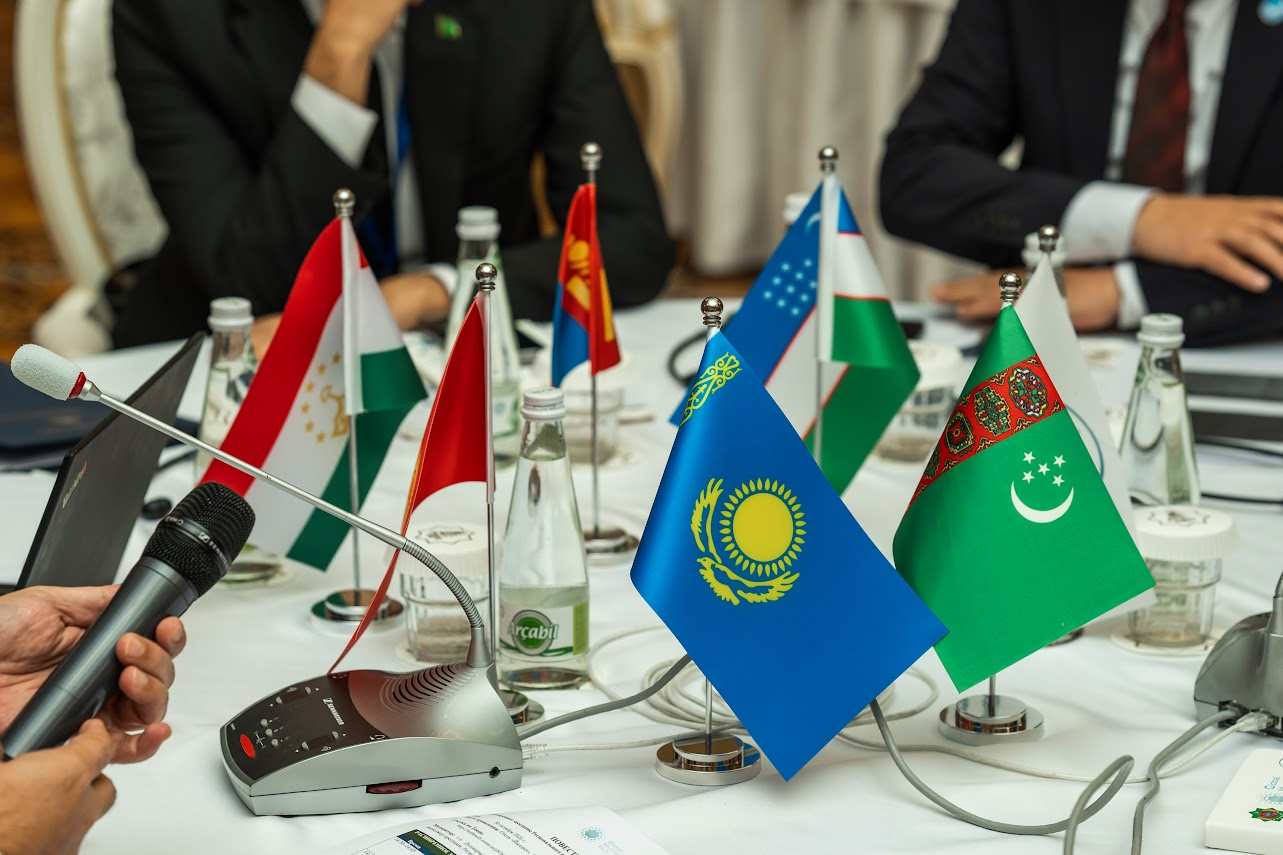
During the meeting, country representatives emphasized the need to further strengthen the capacities of national experts in methane emissions assessment, monitoring, and mitigation. Particular attention was given to expanding methane reduction efforts beyond the oil and gas sector, especially into agriculture, and developing sector-specific methodologies, technical guidelines, and regulatory frameworks, including relevant implementing regulations. The countries also highlighted the importance of strengthening regional coordination and facilitating the exchange of practical experience, technical knowledge, and successful approaches to methane management.
These priorities will help shape future regional cooperation, including potential follow-up initiatives, technical assistance, and engagement with international organizations and development partners. The discussions also provided important input for the CA CBMER Final Conference scheduled for January 2027, reinforcing the participating countries' shared interest in advancing methane mitigation efforts across sectors and sustaining regional cooperation
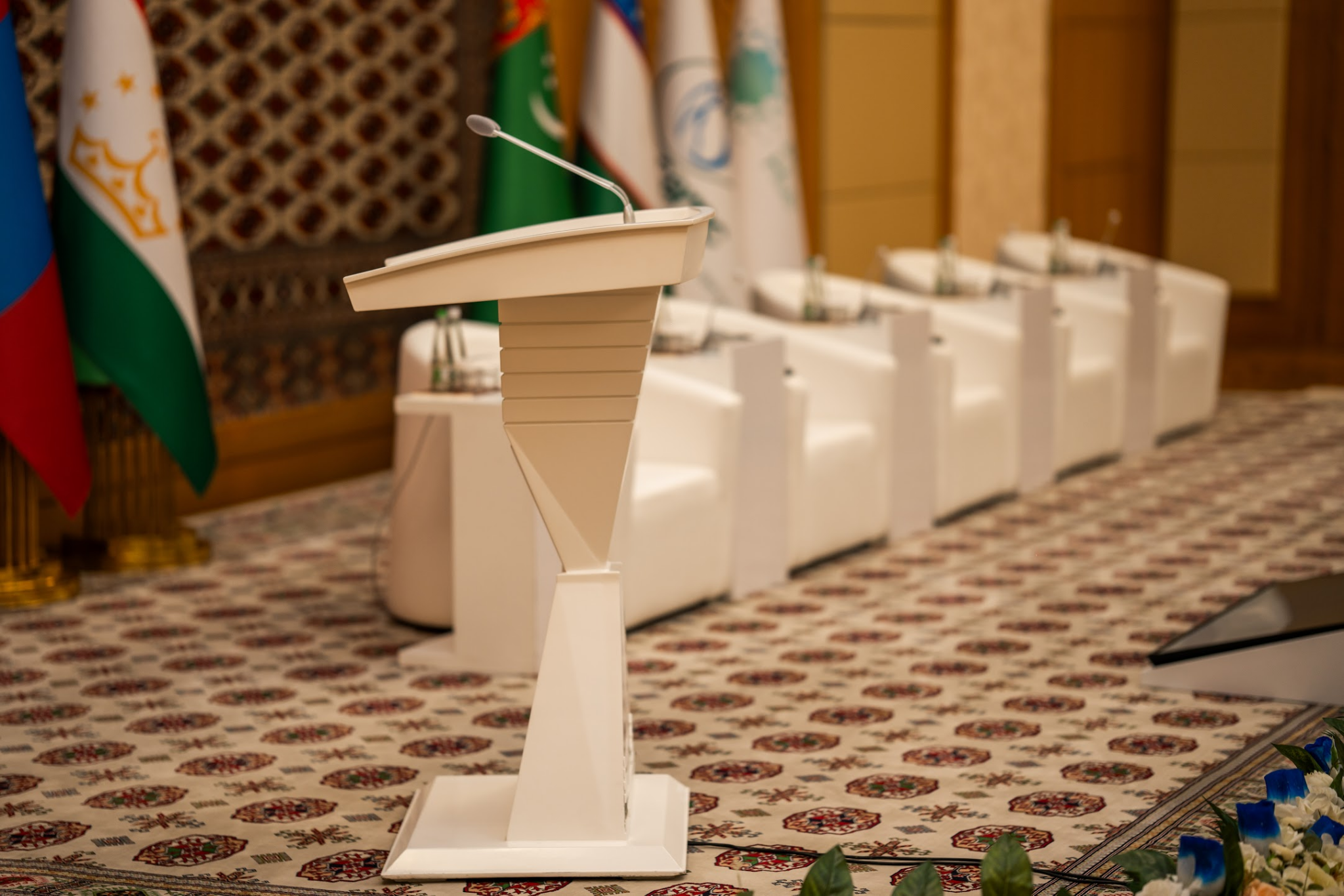
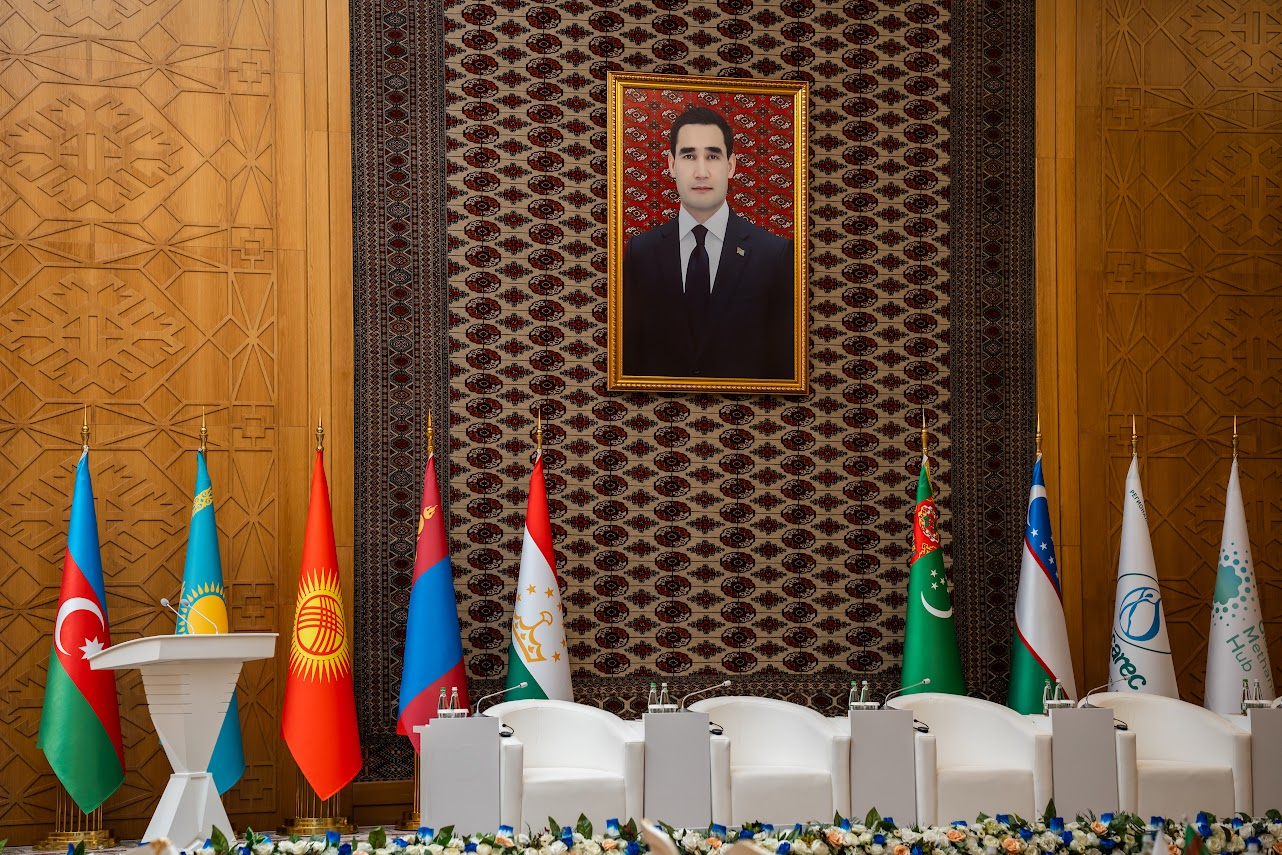
By bringing together national authorities, energy-sector representatives, international technical organizations, and development partners, the Ashgabat conference provided a platform to connect national methane management priorities with practical international experience and to identify opportunities for continued cooperation across Central Asia and neighboring countries.
About the project
The project “Capacity Building for Methane Emission Reduction in Central Asia” (CA CBMER) is implemented by the Regional Environmental Centre for Central Asia (CAREC) through ReCATH, with financial support from the Global Methane Hub (GMH). It supports Kazakhstan, Kyrgyzstan, Tajikistan, Turkmenistan, and Uzbekistan in strengthening capacities for methane emissions assessment, monitoring, and reduction in the oil and gas sector, with Azerbaijan and Mongolia participating as observer countries.
Additional information:
Dilovarsho Dustzoda – Project Manager
[ddustzoda@carececo.org](ddustzoda@carececo.org)
Arailym Shulgauova – Project Specialist
[ashulgauova@carececo.org](ashulgauova@carececo.org)
#ReCATH #CA_CBMER #CACBMER #Methane #CAREC #ClimateAction #RegionalCooperation #MRV