

From 26 to 28 October 2026, a series of events was held in Ashgabat and Turkmenabat within the framework of the GEF-8-FAO-CAREC project “Catalyzing Nature-Positive Transformations in the Agricultural Sector of Turkmenistan to Enhance Climate Resilience”. The programme included an inception seminar in Ashgabat, an information seminar in Turkmenabat, as well as the first meetings of three Technical Working Groups (TWGs) focusing on biodiversity conservation, the sustainable management of land and water resources, and the development of sustainable agriculture.
The events brought together representatives of government authorities, international and civil society organisations, the scientific community, as well as experts and specialists engaged in environmental protection, agriculture and the sustainable management of natural resources.
Addressing Climate Challenges through Nature-Based Solutions
Climate change is having an increasingly significant impact on Turkmenistan’s natural ecosystems and agriculture. According to available estimates, the country’s average air temperature has increased by 1.4°C since 1950. Further warming, declining precipitation, water scarcity, and the degradation of pastures and forests pose additional risks to natural ecosystems and agricultural production.
Of particular concern are the declining availability of water resources in the Amu Darya River Basin, land degradation, and dust storms originating from the dried-up bed of the Aral Sea, which contribute to the spread of salt and residual pollutants across surrounding areas.
Under these circumstances, Nature-based Solutions (NbS) are becoming increasingly relevant. These approaches involve the protection, conservation, restoration and sustainable management of natural and modified ecosystems. Their application makes it possible to address environmental and socio-economic challenges simultaneously, strengthen the resilience of agriculture, conserve biodiversity and support the well-being of local communities.
This approach lies at the heart of the project, which is being implemented by the Food and Agriculture Organization of the United Nations (FAO) in cooperation with the Regional Environmental Centre for Central Asia (CAREC), in partnership with the Ministry of Environmental Protection of Turkmenistan and with the support of the Ministry of Foreign Affairs of Turkmenistan.
The project aims to promote the transition towards more sustainable agricultural production models by integrating Nature-based Solutions, ecosystem services and environmental priorities into the management of agricultural landscapes. Particular attention is given to aligning environmental and agricultural policies, strengthening interagency cooperation, and engaging farmers and local communities.
Ashgabat: Shared Priorities and a Common Understanding of the Project’s Objectives
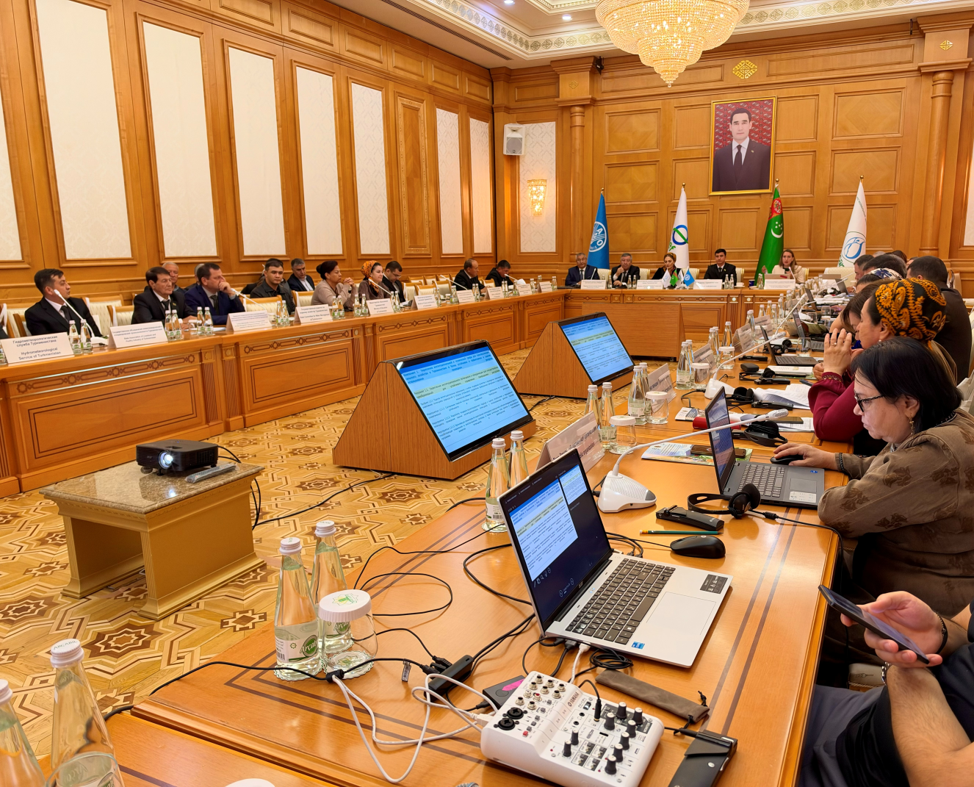
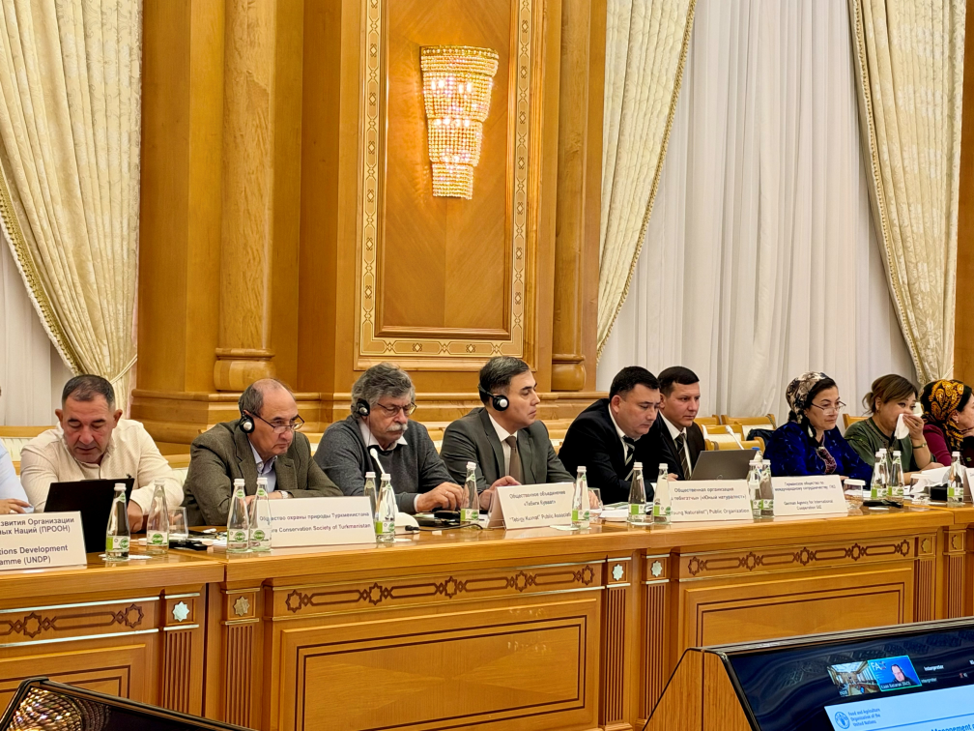
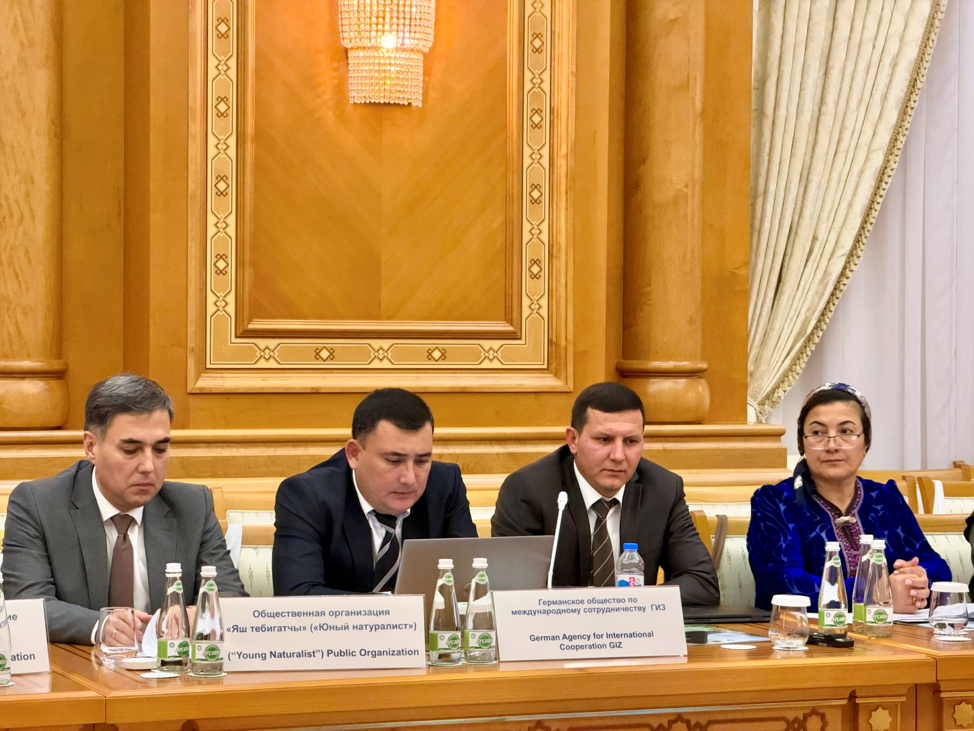
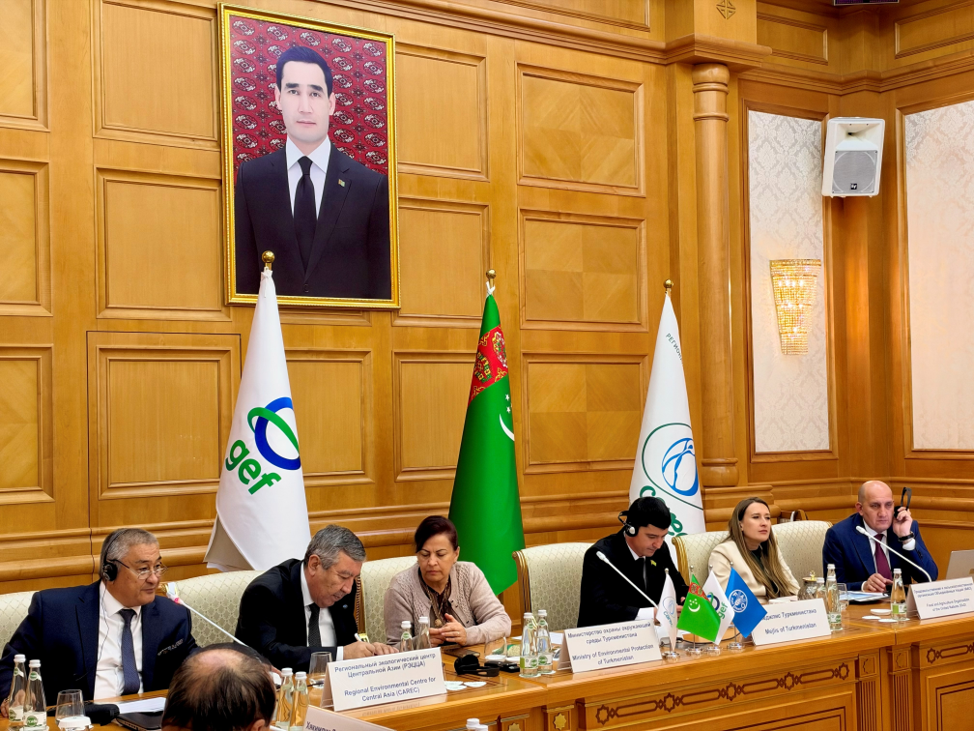
On 26 October, an inception seminar was held at the Archabil Hotel in Ashgabat, dedicated to the official presentation of the project, its objectives, structure, key components, and implementation arrangements.
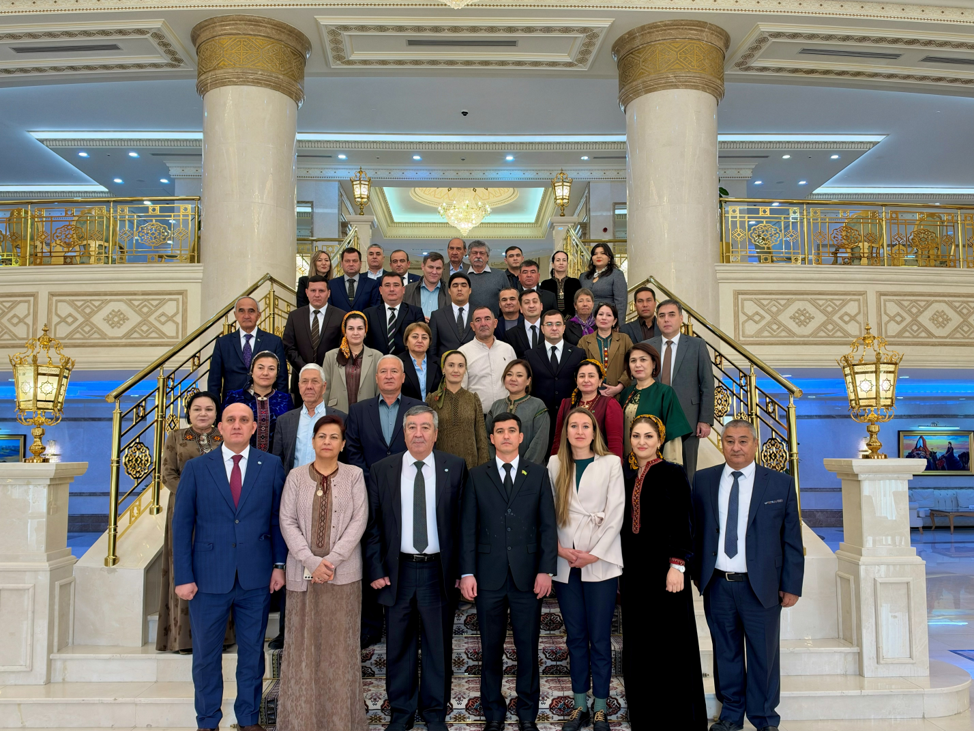
The opening ceremony was attended by Chynar Rustamova, Executive Secretary of the National Commission of Turkmenistan for UNESCO, Batyr Mamedov, Executive Director of CAREC, and Evetta Zenina, Lead Technical Officer (LTO) of FAO. The Ministry of Environmental Protection of Turkmenistan was represented by Jahan Akmuradova, Head of the International Projects Coordination Department, Bakynazar Babayev, Deputy Head of the Forestry Department and National Project Coordinator, Pirli Kepbanov, Director of the Institute of Deserts, Flora and Fauna; and Joragul Halbayeva, Chief Legal Adviser of the Ministry of Environmental Protection of Turkmenistan. The Ministry of Agriculture of Turkmenistan was represented by Govshut Shadurdyyev. The seminar was also attended by representatives of regional and local executive authorities, government agencies, international organisations, public associations and civil society.
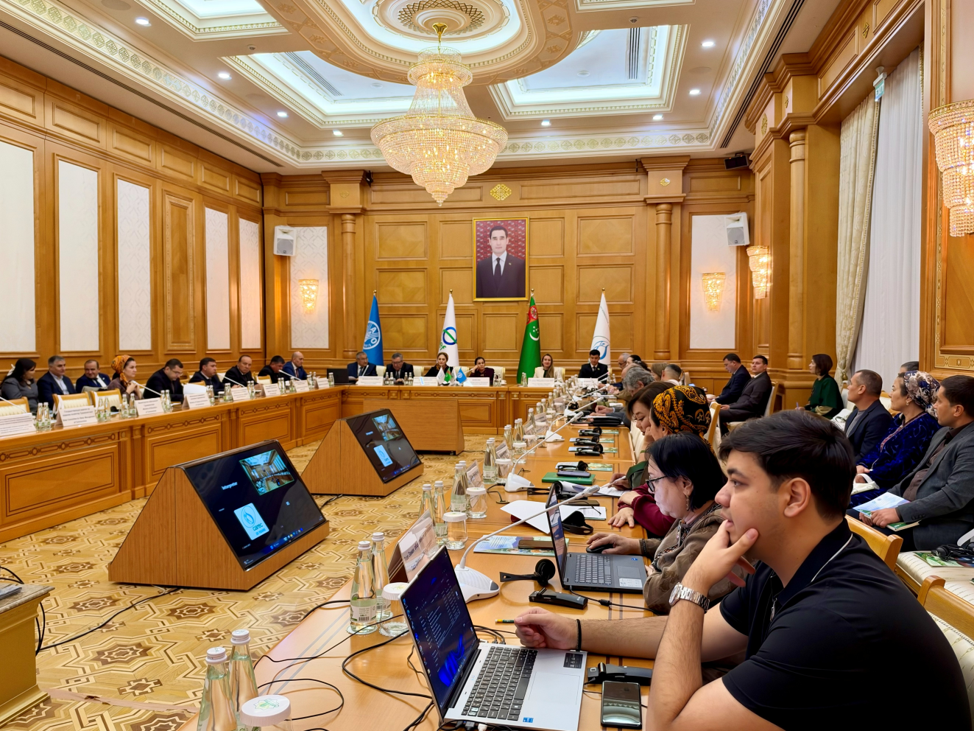
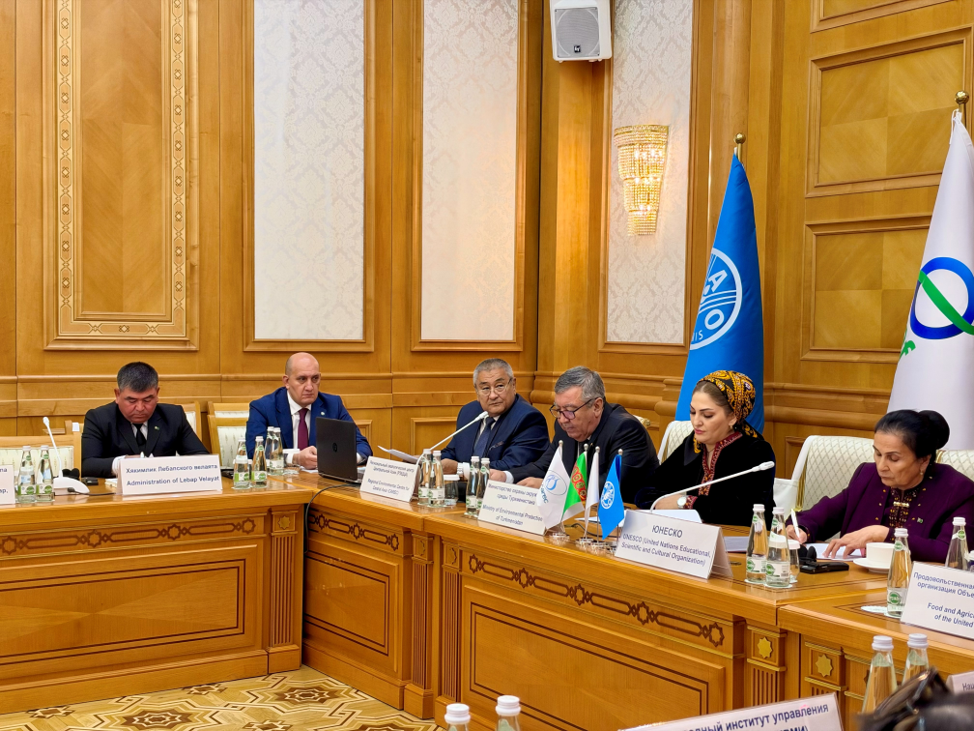
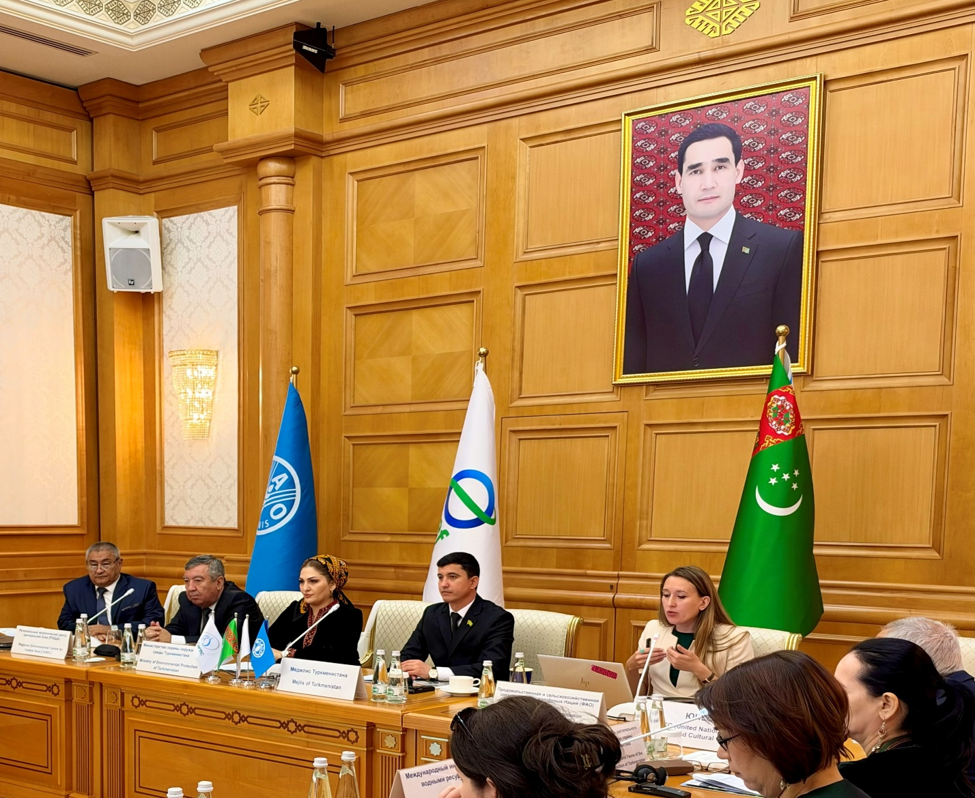
During the seminar, participants were introduced to the project’s logical framework, its key components, implementation principles, and the requirements of the Global Environment Facility (GEF) and FAO. Dedicated sessions focused on project management, engagement with local authorities and communities, the climate agenda, biodiversity conservation, sustainable agricultural practices, water-saving technologies, and agroforestry.
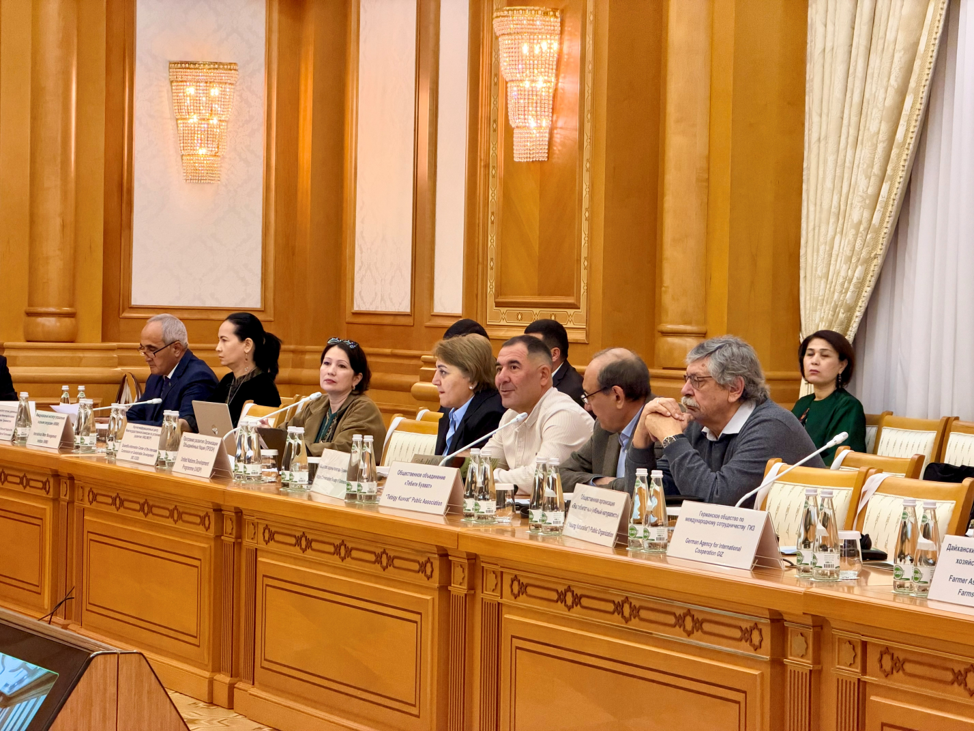
Issues related to gender equality, women's participation in project activities, knowledge management, experience sharing and results monitoring were also addressed.
“The implementation of this project requires an integrated approach that brings together biodiversity conservation, the sustainable management of land and water resources, and the development of sustainable agriculture. Cooperation with relevant government institutions, experts and local communities is of particular importance, as joint efforts will make it possible to take into account regional specificities and the needs of the local population,” noted Mergen Kepbanov, Director of the CAREC Project Office in Turkmenistan, in his remarks during the seminar.
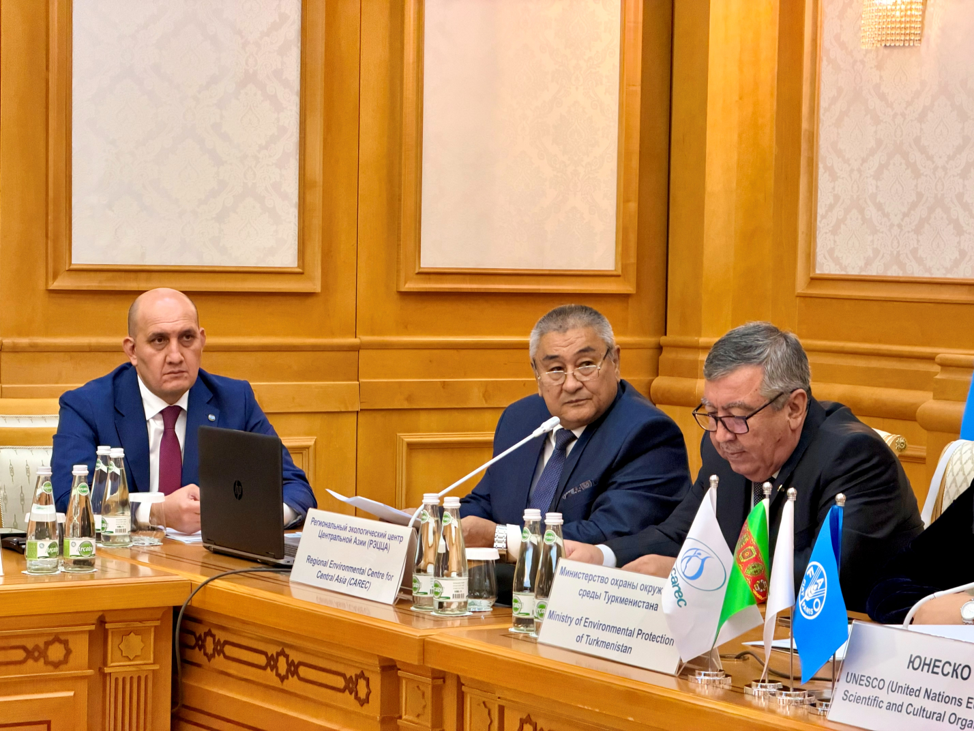
During the discussions, participants also explored opportunities for cooperation among partners, harmonizing approaches to activity implementation, and establishing a shared understanding of the project’s expected results.
Additional information:
Mergen Kepbanov – Director of the CAREC Project office in Turkmenistan, turkemenistan@carececo.org