
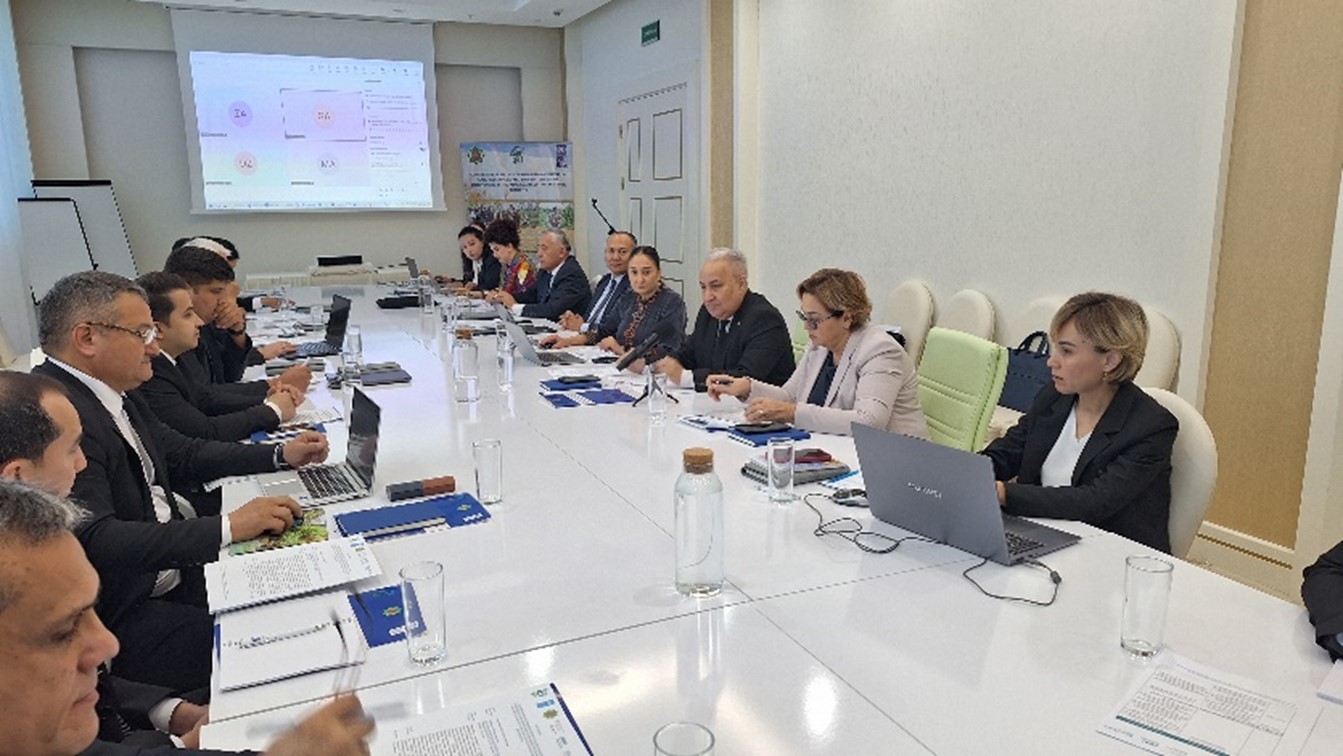
On 11–12 September 2026, the second consultative meeting of delegations from the Central Asian countries was held in the National Tourist Zone “Avaza”. The meeting was dedicated to the development and identification of an implementation mechanism for the Special Programme of the United Nations (UN) for the Aral Sea Basin as one of the areas of water diplomacy. The Regional Environmental Centre for Central Asia (CAREC) participated in the discussions.
The meeting was organized by the Ministry of Foreign Affairs of Turkmenistan, the State Committee for Water Resources of Turkmenistan, and the United Nations Development Programme (UNDP)/Global Environment Facility (GEF)/Ministry of Environmental Protection of Turkmenistan project “Conservation and Sustainable Management of Land Resources and High Nature Value Ecosystems in the Aral Sea Basin for Multiple Benefits.”
The event brought together representatives of the water management authorities of Kazakhstan, Tajikistan, Turkmenistan and Uzbekistan, as well as international and regional organizations, including the United Nations Development Programme (UNDP) in Turkmenistan, the Executive Committee of the International Fund for Saving the Aral Sea (EC IFAS), the United Nations Regional Centre for Preventive Diplomacy for Central Asia (UNRCCA), the Swiss Agency for Development and Cooperation (SDC), the Blue Peace Central Asia initiative, the Scientific Information Center of the Interstate Commission for Water Coordination (SIC ICWC), the Regional Environmental Centre for Central Asia (CAREC), the International Water Management Institute (IWMI), the United Nations Educational, Scientific and Cultural Organization (UNESCO), and the Deutsche Gesellschaft für Internationale Zusammenarbeit (GIZ). The United Nations Resident Coordinator in Turkmenistan, Narine Sahakyan, also attended the meeting.
The key objective of the meeting was to hold consultations on the content, priority areas and possible implementation mechanism of the UN Special Programme for the Aral Sea Basin. Participants discussed the added value that the new programme could provide by building on existing regional mechanisms and initiatives, primarily the IFAS system and the Aral Sea Basin programmes, while avoiding duplication.
Representatives of the four countries presented their national approaches to further developing the Special Programme, while development partners presented ongoing initiatives and possible areas of cooperation. The meeting continued the consultative process towards establishing a special UN mechanism aimed at addressing the environmental, water-related and socio-economic issues of the Aral Sea Basin in an integrated manner.
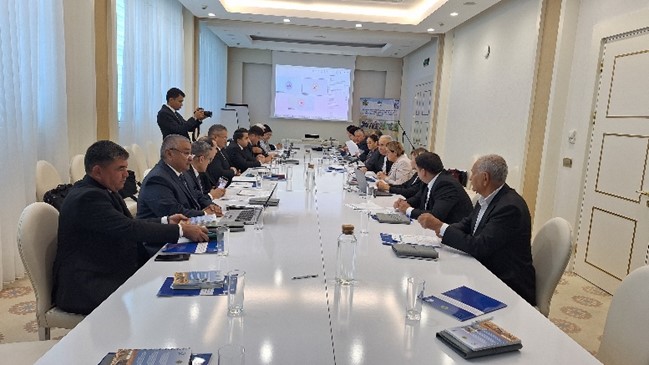
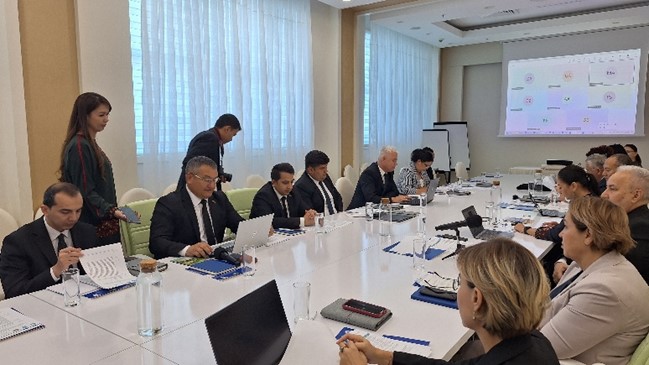
The CAREC Project Office in Turkmenistan was represented at the meeting by Project Consultant Dovlet Jumagulyyev. In his statement, he emphasized that the rational use of water resources and transboundary cooperation have long been key areas of CAREC’s work. The Smart Waters project was highlighted as a practical example of regional cooperation, including the participation of Afghanistan.
The interconnected priorities of CAREC — combating land degradation, biodiversity conservation and climate resilience — were also highlighted. These areas are directly aligned with the objectives of an integrated approach to the sustainable development of the Aral Sea Basin.
In the context of CAREC’s ongoing initiatives, the FAO/GEF-8 project “Catalyzing Nature-Positive Transformations in the Agricultural Sector of Turkmenistan to Enhance Climate Resilience” was presented. One of the project’s areas of focus is the conservation of wetlands, including the territory of the Yeraji Cordone.
In CAREC’s presentation, it was noted that the Yeraji wetlands are important for climate resilience and biodiversity conservation: they perform a temperature-regulating function under desert climate conditions, help reduce dust and wind impacts, contribute to carbon sequestration, and provide habitats for plants, animals and birds. In this regard, the conservation of such ecosystems was proposed for consideration in the further development of the UN Special Programme for the Aral Sea Basin.
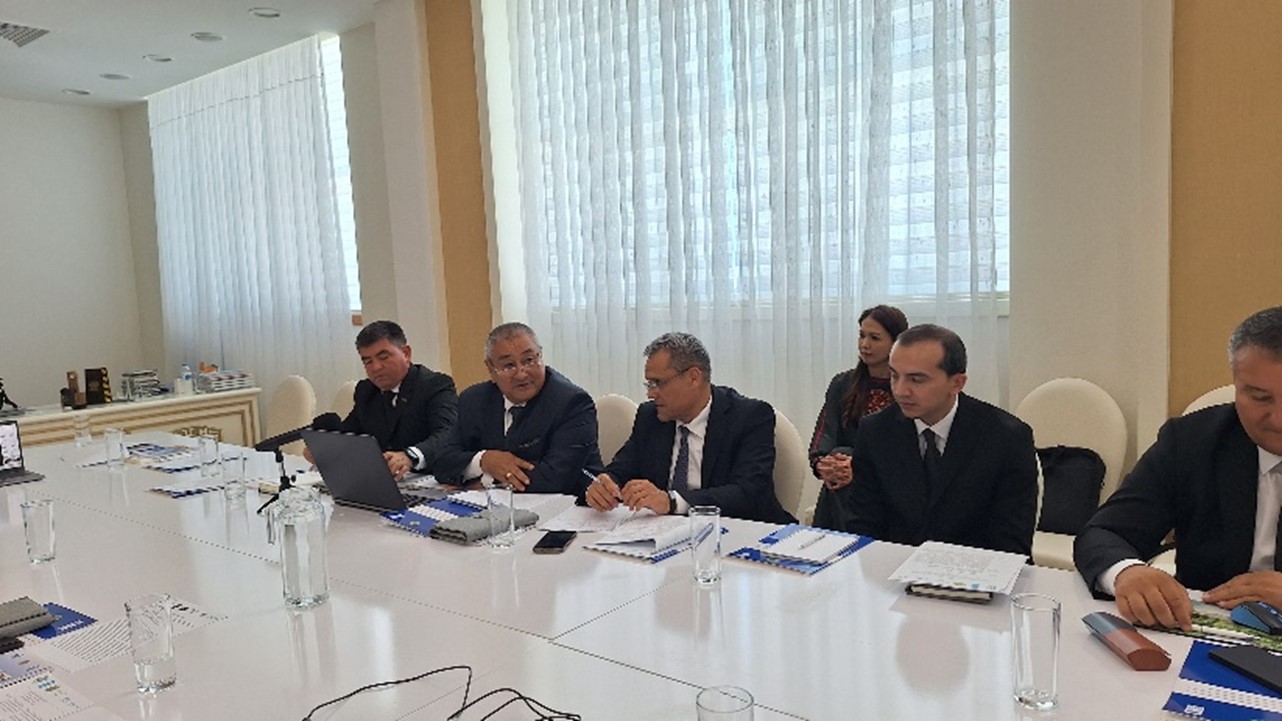
Following the consultative meeting, participants presented their priorities for the further development of the Special Programme and prepared a final document for subsequent submission to the countries. The second consultative meeting confirmed the parties’ interest in continuing substantive work on the UN Special Programme for the Aral Sea Basin and strengthening regional cooperation in the field of water diplomacy.
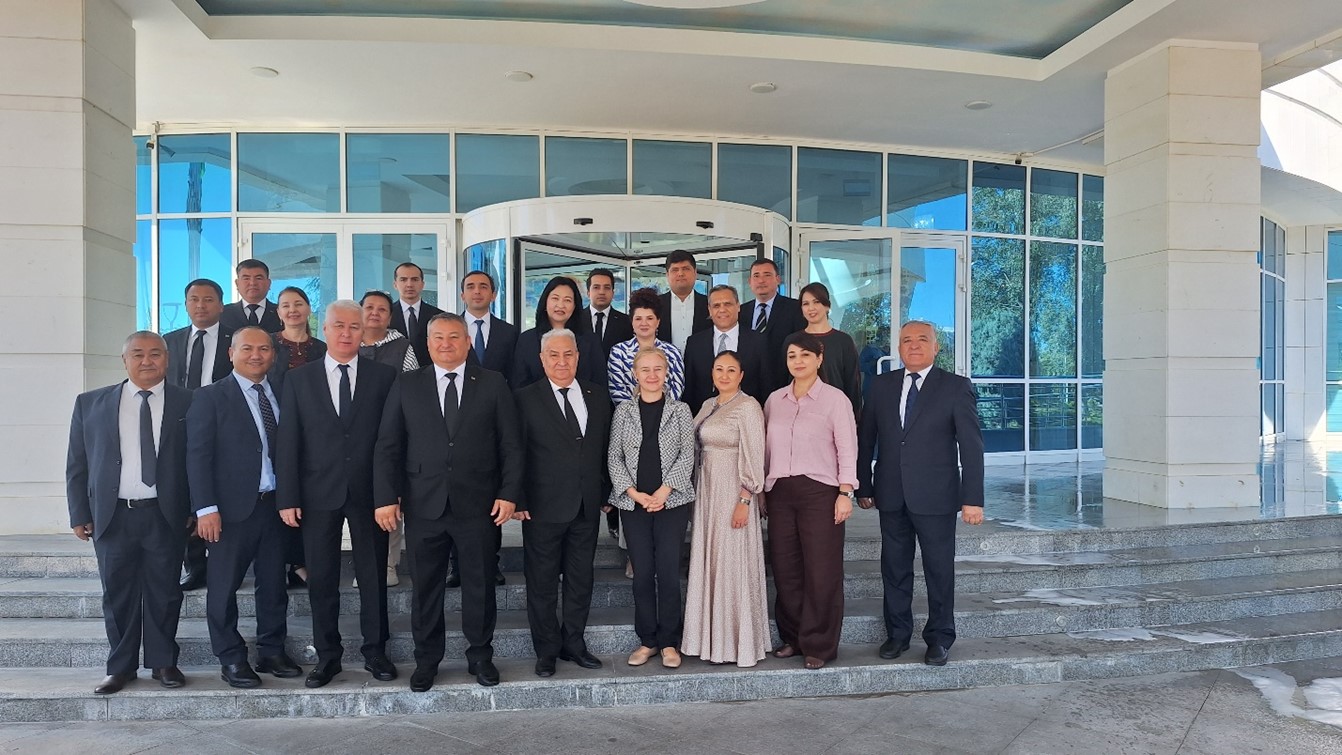
Participants of the second consultative meeting in Avaza, 11–12 September 2026.
For reference: CAREC promotes regional cooperation on environmental issues, natural resource management, and sustainable development in Central Asia.
Additional information:
Mergen Kepbanov – Director of the CAREC Project Office in Turkmenistan turkmenistan@carececo.org