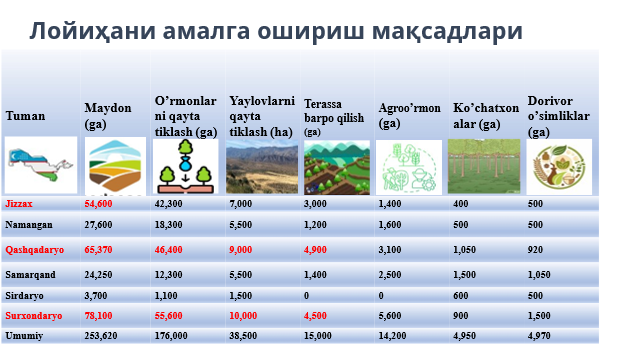
The RESILAND CA+ Program in Uzbekistan continues to develop actively, covering 253,000 hectares of land and aimed at restoring degraded lands, rangelands, forests, and promoting sustainable landscape management. The main objective of the program is to increase land productivity, preserve ecosystem services, and create opportunities for eco-tourism.
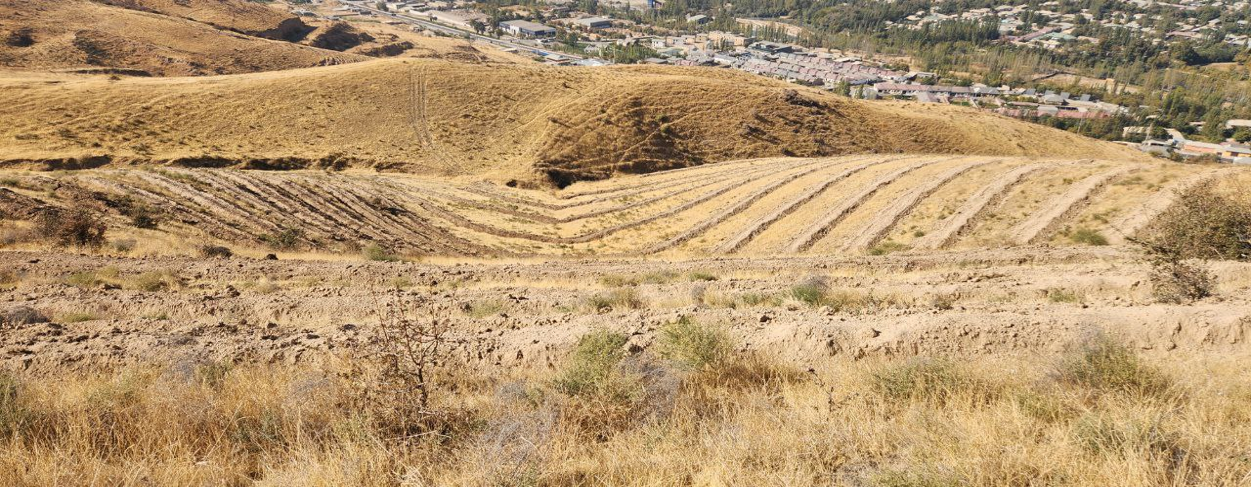
Regional Coverage and Key Features
· Surkhandarya Region — the largest project area, 80,000 hectares. Restoration activities include forest and rangeland rehabilitation and slope terracing in mountainous areas. The region is strategically important as it borders Tajikistan and Afghanistan. Certain areas contain subtropical ecosystems, making restoration particularly significant for conserving unique vegetation. Eight forest sites are being restored in the region.
· Kashkadarya Region — restoration area of 65,000 hectares. Key activities include reforestation and rangeland rehabilitation. Six restoration models are being applied here, including slope terracing and pasture improvement.
· Jizzakh Region — primarily focused on restoring forested areas (43,000 hectares), with a total project area of 55,000 hectares.
· Samarkand Region — 25,000 hectares.
· Namangan Region — 28,000 hectares.
· Syrdarya Region — the smallest project area, 4,000 hectares, with four restoration models. Work is underway to secure reserve lands for further project implementation.
· Steppe area near Tashkent — plans include establishment of a “green corridor” for eco-tourism, with designated routes for people and wildlife to minimize negative environmental impact.
Key Areas of Work:- Restoration of rangelands: fencing has been installed at 38 rangeland sites; activities continue even in challenging weather conditions, including manual planting in high-altitude areas.
-
Terracing and soil stabilization: carried out manually and with machinery; delivery of tractors is expected to accelerate progress.
-
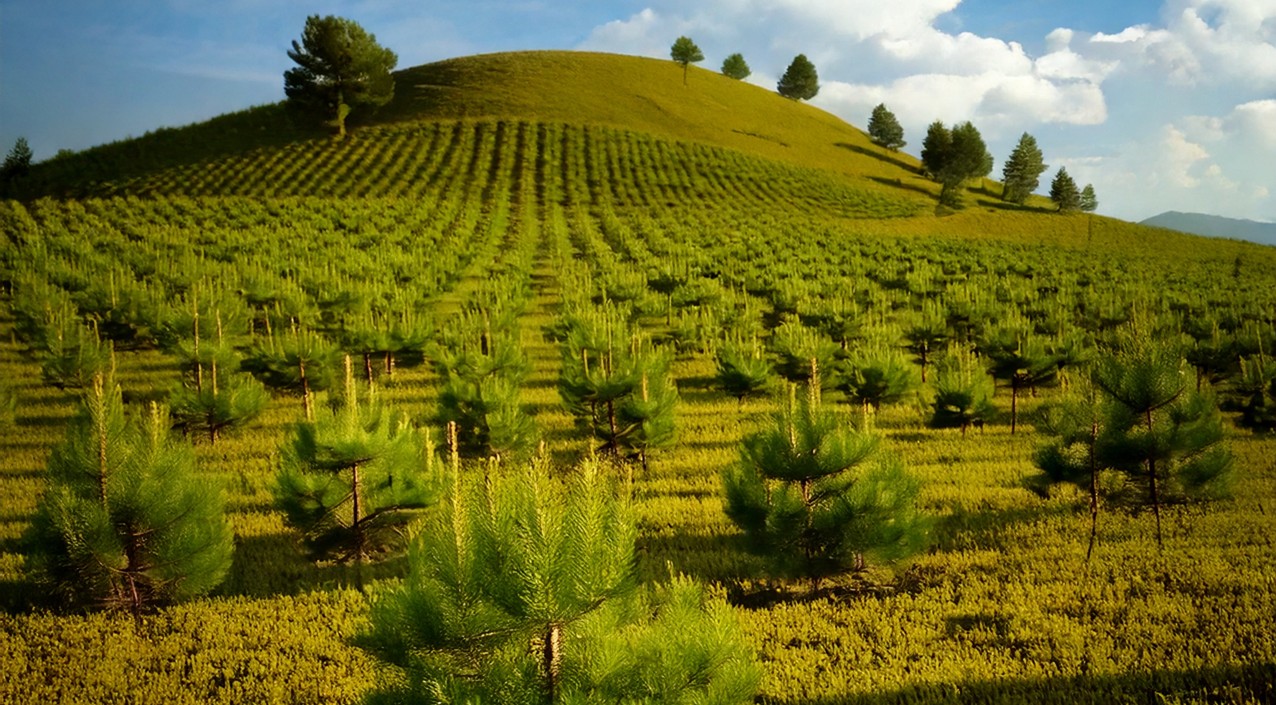
Reforestation and industrial use of plant resources: restoration of forest stands, cultivation of medicinal plants, and timber production.
-
Eco-trails and tourism: establishment of visitor centers and routes separating zones for people and animals to ensure safe and environmentally sustainable tourism.
-
Monitoring and IT platform: implementation of the Smart Force 3 platform, temporarily suspended due to national cybersecurity requirements.
-
Satellite monitoring: contracts signed with national space agencies for analyzing vegetation cover and restoration effectiveness using satellite imagery.
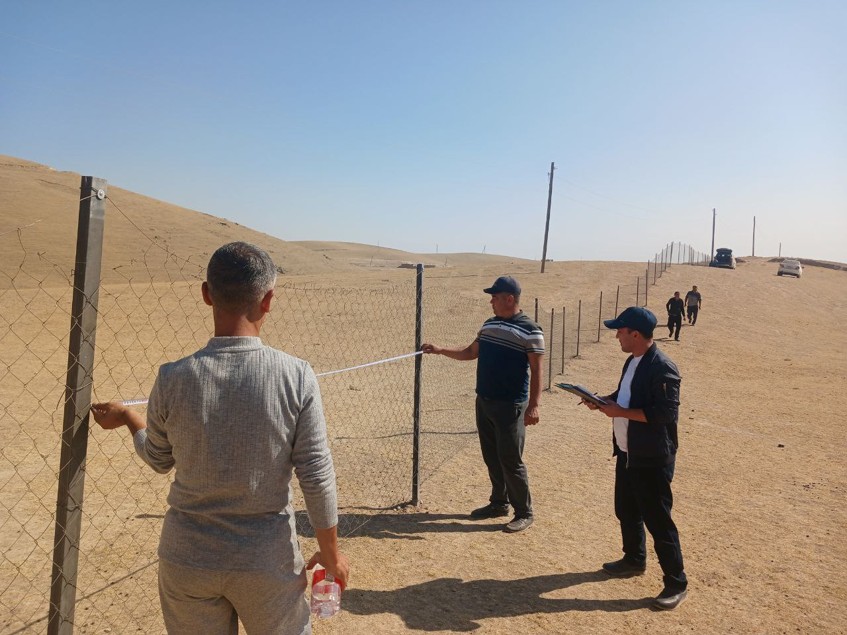
Achievements and current results:
• Rangeland and forest restoration is being conducted manually and with the use of newly acquired equipment. Residents who lost their primary source of income due to land degradation receive support: a USD 6 million grant has been distributed across six districts to provide alternative livelihood options.
• The project is introducing an ecological land classification system to determine soil types, vegetation characteristics, and optimal restoration methods.
Project outlook:
The RESILAND CA+ Program in Uzbekistan aims at long-term ecosystem restoration, improved soil fertility, stabilization of rural economies, and development of environmentally safe tourism. It provides the foundation for integrated landscape management, strengthening the resilience of regional ecosystems, and improving the quality of life of local communities.
It is recalled that the Agency for Increasing Forests and Green Areas and Combating Desertification under the National Committee on Ecology and Climate Change of Uzbekistan hosted the Regional Dialogue on the Restoration of Landscapes in Central Asia on 9–10 December 2025 in Tashkent.
Government officials from Kazakhstan, the Kyrgyz Republic, Tajikistan, Turkmenistan, and Uzbekistan, together with international experts, discussed enhancing regional cooperation in forest management and transboundary landscape restoration. The event was held under the World Bank–funded Central Asia Resilient Landscapes Restoration Program (RESILAND CA+), the largest ecosystem restoration initiative in the region, which supports climate resilience across all five Central Asian countries through projects implemented by national authorities.
The Program is aimed at strengthening climate resilience in urban and rural areas of Kazakhstan, the Kyrgyz Republic, Tajikistan, Turkmenistan, and Uzbekistan.
The Regional Environmental Centre for Central Asia (CAREC) is implementing the regional component of the RESILAND Kyrgyz Republic, RESILAND Tajikistan, and RESILAND Uzbekistan projects.
Additional information:
Azamat Kauazov - Deputy Team Leader of Uzbekistan Resilient Landscape Restoration project: regional component, CAREC
Dilovarsho Dustzoda — Deputy Team Leader of the Project Implementation Group for “Sustainable Landscape Restoration in the Republic of Tajikistan: Regional Component”, CAREC
Lyudmila Kiktenko – Deputy Team Leader, “Restoration of Sustainable Landscapes in Kyrgyzstan: Regional Component” Project, CAREC