

Antalya, Türkiye, 14 November 2026
Central Asian countries are strengthening regional cooperation and international partnerships to accelerate methane emissions reduction, increasingly focusing on translating climate commitments, scientific knowledge and technical expertise into practical mitigation measures and investment opportunities.
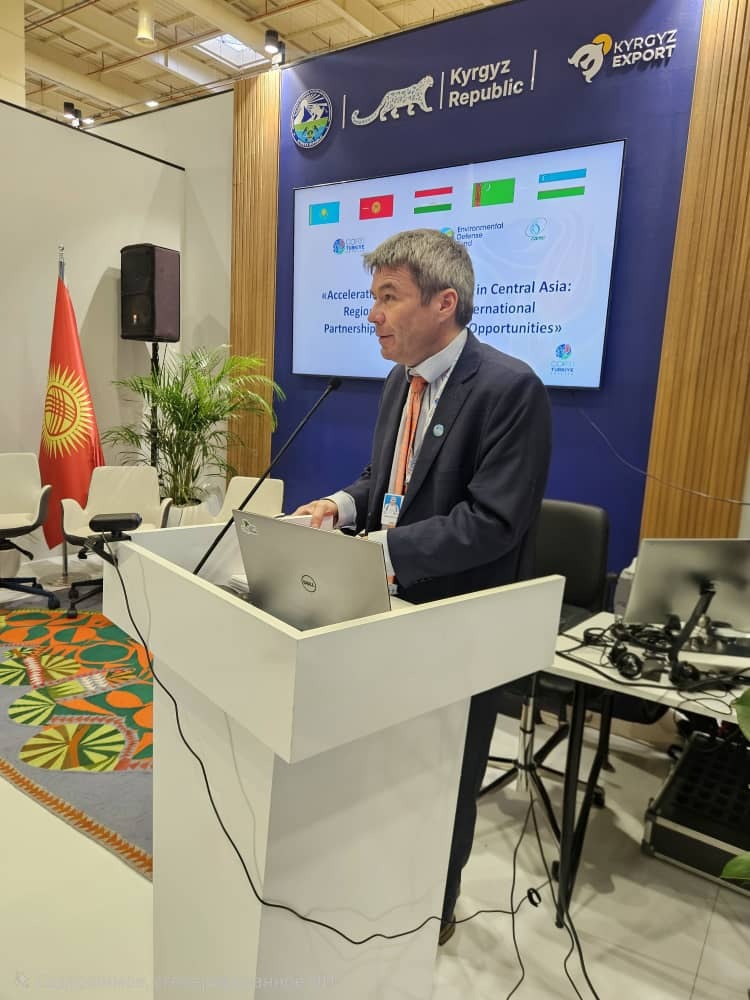
This agenda was at the center of the regional side event “Accelerating Methane Action in Central Asia: Regional Cooperation, International Partnerships and Investment Opportunities,” organized by the Regional Environmental Center for Central Asia (CAREC) on 14 November 2026 at the National Pavilion of the Kyrgyz Republic during COP31 in Antalya, Türkiye.
Organized with financial support from the Global Methane Hub (GMH) and in partnership with the Environmental Defense Fund (EDF), the event brought together representatives of Kazakhstan, Kyrgyzstan, Tajikistan, Turkmenistan and Uzbekistan, alongside international organizations and technical partners, to discuss national priorities, ongoing initiatives and opportunities for accelerating methane mitigation across the energy, waste and agricultural sectors.
The high-level opening featured representatives of the Kyrgyz Republic, Dr. Marcelo Mena, Chief Executive Officer of GMH, Angela Churie Kallhauge, Executive Vice President of EDF, and Dr. Batyr Mammedov, Executive Director of CAREC.
Methane Reduction: A Climate Priority and Economic Opportunity
Methane is a powerful short-lived greenhouse gas, and reducing its emissions is among the most effective ways to slow global warming in the near term.
For Central Asia, methane mitigation is particularly important given the region's oil and gas production and transportation infrastructure, as well as significant opportunities to reduce emissions from agriculture and waste management.
Beyond its climate benefits, methane reduction can improve resource efficiency, prevent natural gas losses, strengthen energy security and attract investment in modern technologies.
However, realizing this potential requires stronger regulatory frameworks, reliable monitoring, reporting and verification (MRV) systems, technical expertise and access to financing.
As international energy markets increasingly emphasize emissions transparency and low-methane supply chains, effective methane management is also becoming an important factor in the long-term competitiveness of Central Asian energy producers.
CAREC and Global 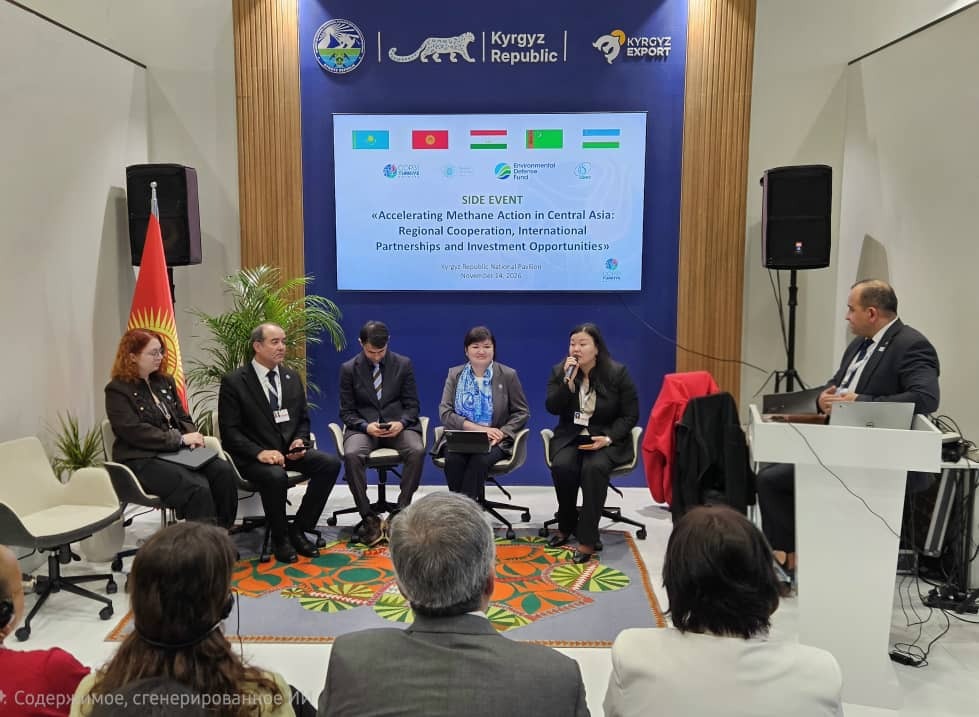 Methane Hub: Building the Foundation for Practical Action
With financial support from GMH, CAREC is implementing the Central Asian Capacity Building for Methane Emission Reduction (CA CBMER) project, which supports countries in strengthening national institutional and technical capacities, improving methane inventories and monitoring systems, and advancing regulatory approaches and practical mitigation solutions.
The initiative brings together government institutions, industry representatives and technical experts, creating opportunities for regional knowledge exchange, specialized training and the development of pilot mitigation concepts.
GMH's support has been instrumental in strengthening a regional platform through which countries can address common technical challenges while advancing their respective national priorities.
These efforts were further reinforced at the Regional Methane Conference organized by CAREC on 29–30 October 2026 in Ashgabat, Turkmenistan. Bringing together representatives of the five Central Asian countries and Azerbaijan and Mongolia, the conference emphasized the importance of connecting national policies, technical solutions, and investment opportunities.
CAREC is also advancing the application of satellite-based methane monitoring technologies through its cooperation with EDF in Uzbekistan's oil and gas sector.
In parallel, the GMH-supported WasteMAP initiative in Kyrgyzstan and Tajikistan is helping identify methane emission sources in the waste sector and assess opportunities for practical mitigation measures.
Together, these initiatives demonstrate how regional capacity building, scientific innovation and international partnerships can support evidence-based methane management.
International Cooperation: Bridging the Gap Between Data and Investment
A key focus of the COP31 discussions was the need to strengthen coordination among international partners and translate improved methane emissions data into effective policies, industry action
and investment-ready projects.
Representatives of EDF, Carbon Mapper, Clean Air Task Force (CATF) and the Climate and Clean Air Coalition (CCAC) contributed perspectives on emissions monitoring, scientific analysis, regulatory approaches, technical assistance and international cooperation.
These organizations offer complementary expertise that can help Central Asian countries address challenges related to emissions measurement, institutional capacity, implementation costs and access to mitigation technologies.
For the region, stronger coordination among international programmes is particularly important to avoid duplication, ensure that technical assistance responds to national needs and facilitate investment in practical mitigation solutions.
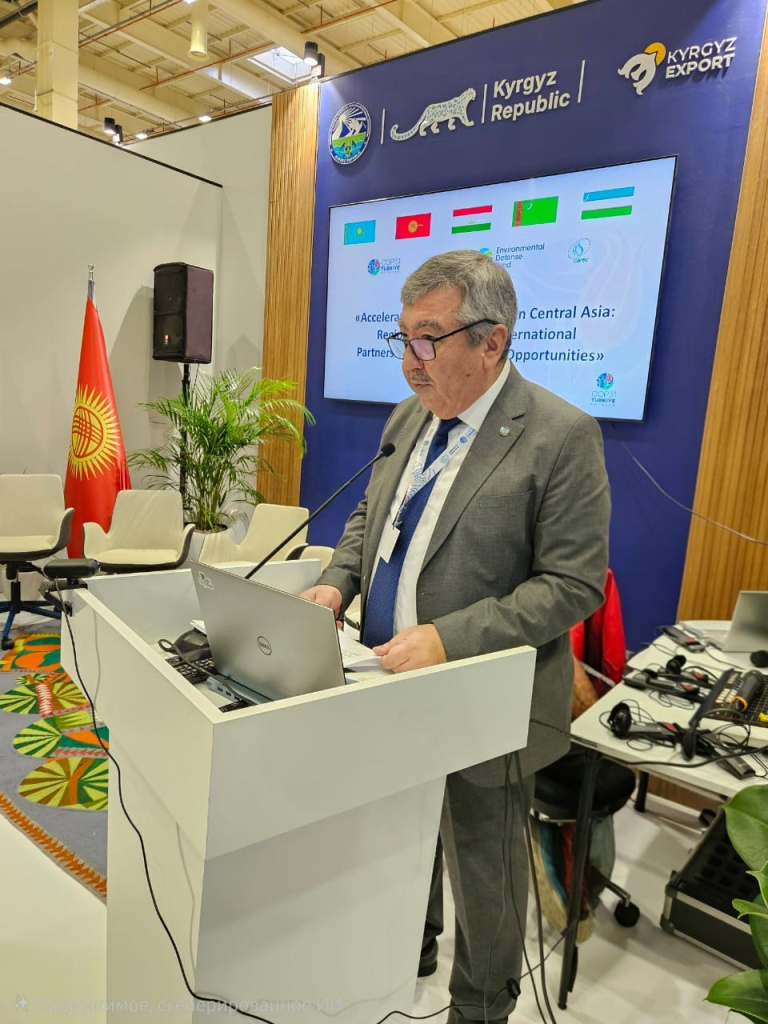
As CAREC Executive Director Dr. Batyr Mammedov emphasized in his remarks:
“Our common task today is to move from capacity building and knowledge exchange towards the broader implementation of practical methane reduction measures. This requires stronger cooperation between governments, industry, international organizations and financial institutions, ensuring that existing initiatives respond to national priorities.”
 CAREC and EDF Launch a New Phase of Strategic Cooperation
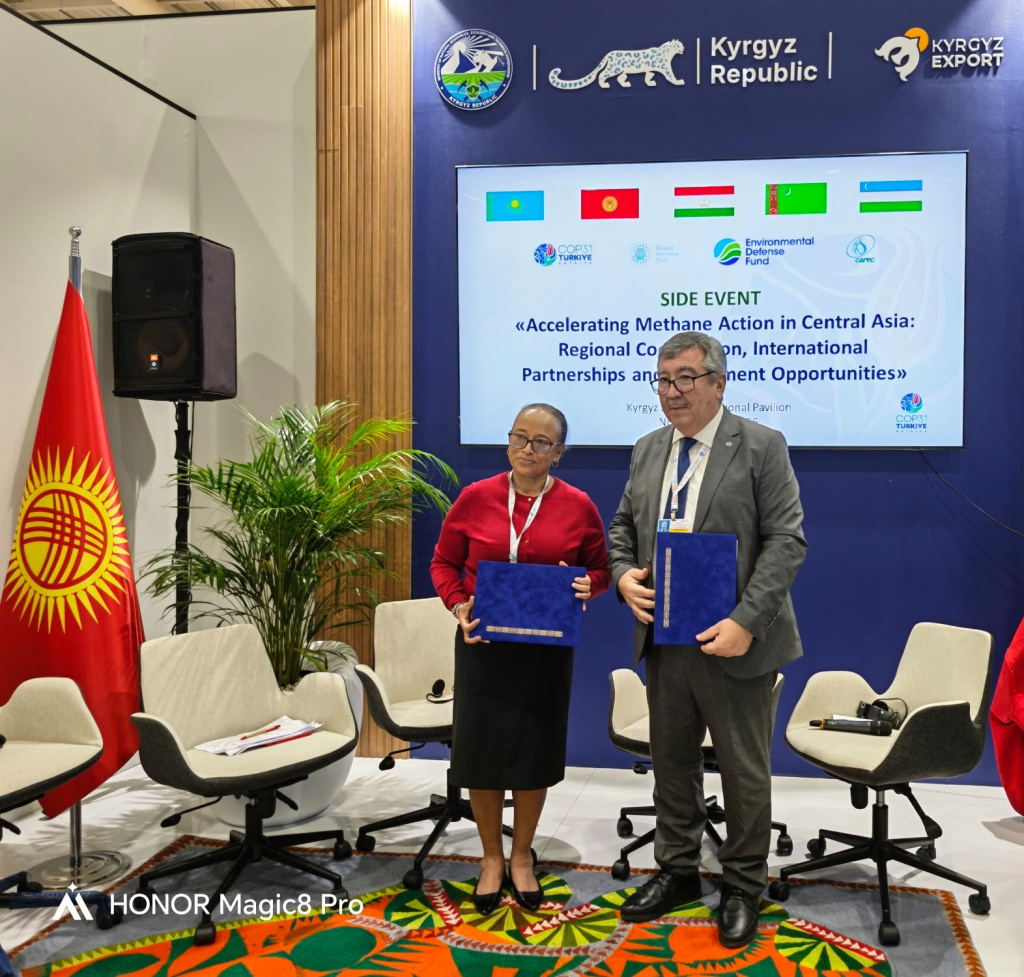
A major highlight of the event was the announcement of a new three-year Memorandum of Understanding between CAREC and EDF, signed in October 2026, which establishes a framework for cooperation through December 2029.
Building on their existing partnership, the agreement focuses on advancing methane monitoring, measurement, reporting, quantification and verification in Central Asia's oil and gas sector.
Priority areas include technical exchanges, policy research, capacity building, engagement with industry stakeholders and support for identifying investment opportunities for methane mitigation projects.
The cooperation will also promote voluntary participation in the Oil and Gas Methane Partnership 2.0 (OGMP 2.0) and support greater alignment with emerging international requirements for methane emissions transparency and low-emission energy supply chains.
By combining EDF's global technical expertise with CAREC's regional networks and established cooperation with national institutions, the partnership aims to help countries move from emissions assessment towards measurable reductions.
From Regional Dialogue to Measurable Results
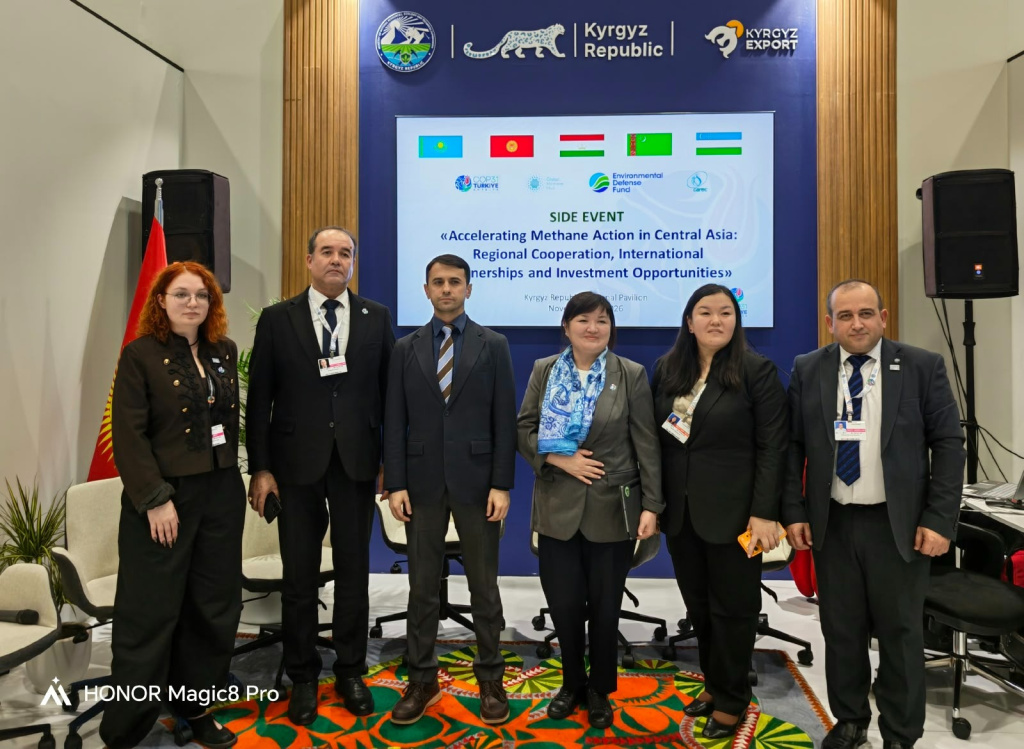 The COP31 discussions underscored a central priority for Central Asia: moving beyond technical assessments and capacity building towards implementing practical methane mitigation measures.
While the oil and gas sector offers substantial opportunities, addressing emissions from agriculture and waste management will also be essential to achieving broader climate and sustainable development objectives.
Progress will depend on stronger national monitoring systems, effective policies, greater industry engagement and the development of technically sound, financially viable mitigation projects.
CAREC, with the continued support of GMH and cooperation with EDF and other international partners, will remain committed to facilitating regional dialogue, strengthening national capacities and promoting practical solutions that respond to countries' priorities.
The regional event at COP31 reinforced a shared understanding that methane mitigation is not only a climate responsibility, but also an opportunity to improve economic efficiency, strengthen energy security and support sustainable development across Central Asia.
Additional information:
Dilovarsho Dustzoda – Advisor to Executive Director / Lead Prgramme Manager, ReCATH Manager ddustzoda@carececo.org
#CAREC #methane #GMH #EDF #CATF #CCAC @CarbonMapper #ReCATH #ICAT #COP31