

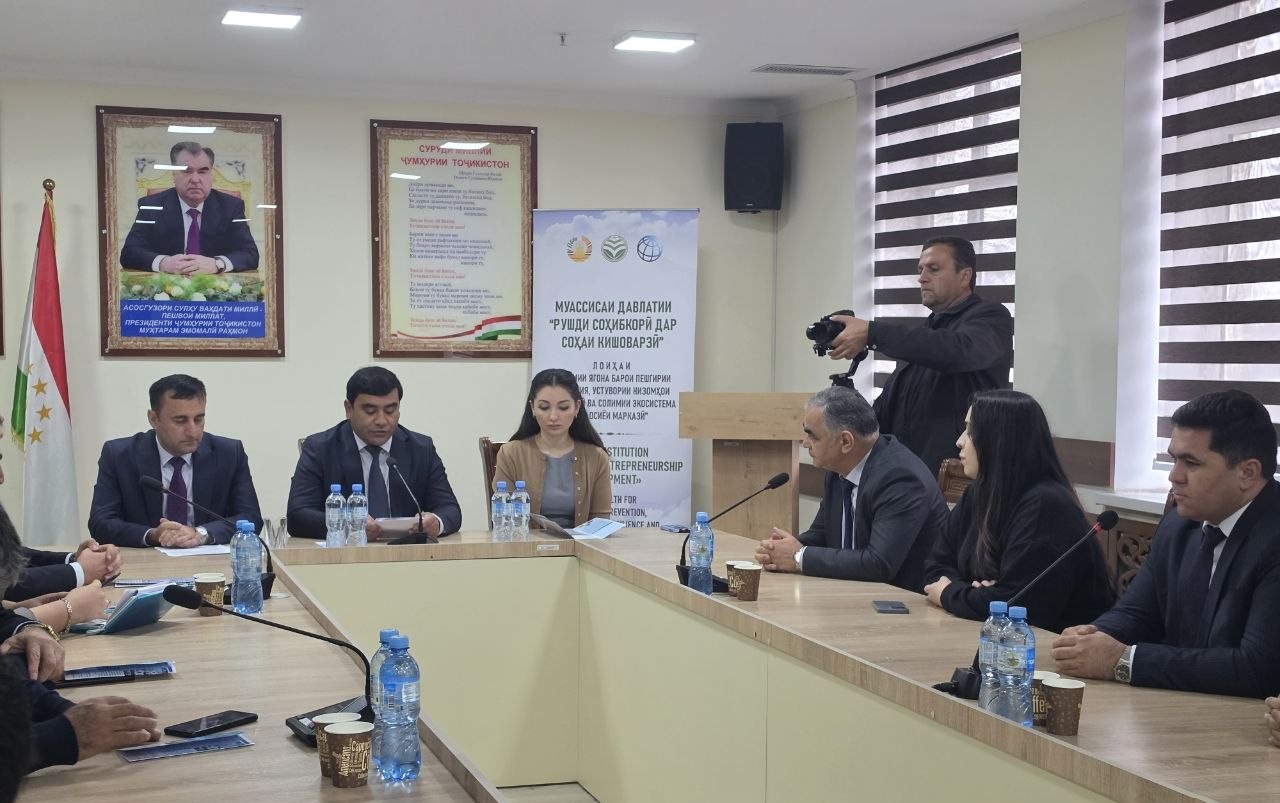
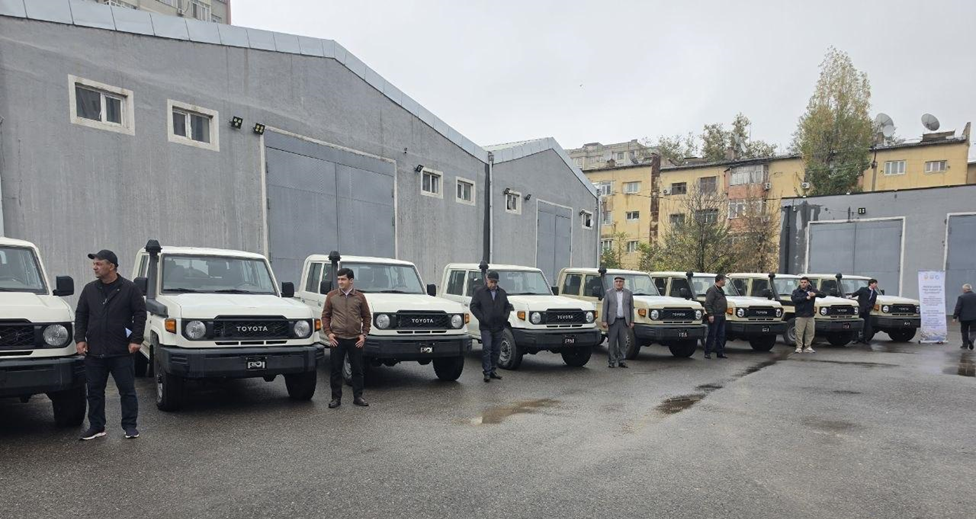
Modern environmental monitoring, biodiversity conservation, and the early detection of threats to human, animal, and environmental health require both specialized expertise and robust technical capacity. Tajikistan has expanded this capability: ten specialized vehicles were officially handed over to the Committee for Environmental Protection under the One Health initiative.
On November 11, 2026, the Committee for Environmental Protection under the Government of the Republic of Tajikistan received 10 specialized vehicles. The equipment was delivered with the support of the Government of Tajikistan by the State Institution “Agriculture Entrepreneurship Development” through World Bank financing under the project “One Health for Pandemic Prevention, Resilient Food Systems, and Ecosystem Health in Central Asia.”
The handover ceremony was attended by Loiq Rahmonzoda, Deputy Chairman of the Committee for Environmental Protection under the Government of the Republic of Tajikistan, alongside representatives of the World Bank Group, the State Institution “Agriculture Entrepreneurship Development,” department heads and specialists of the
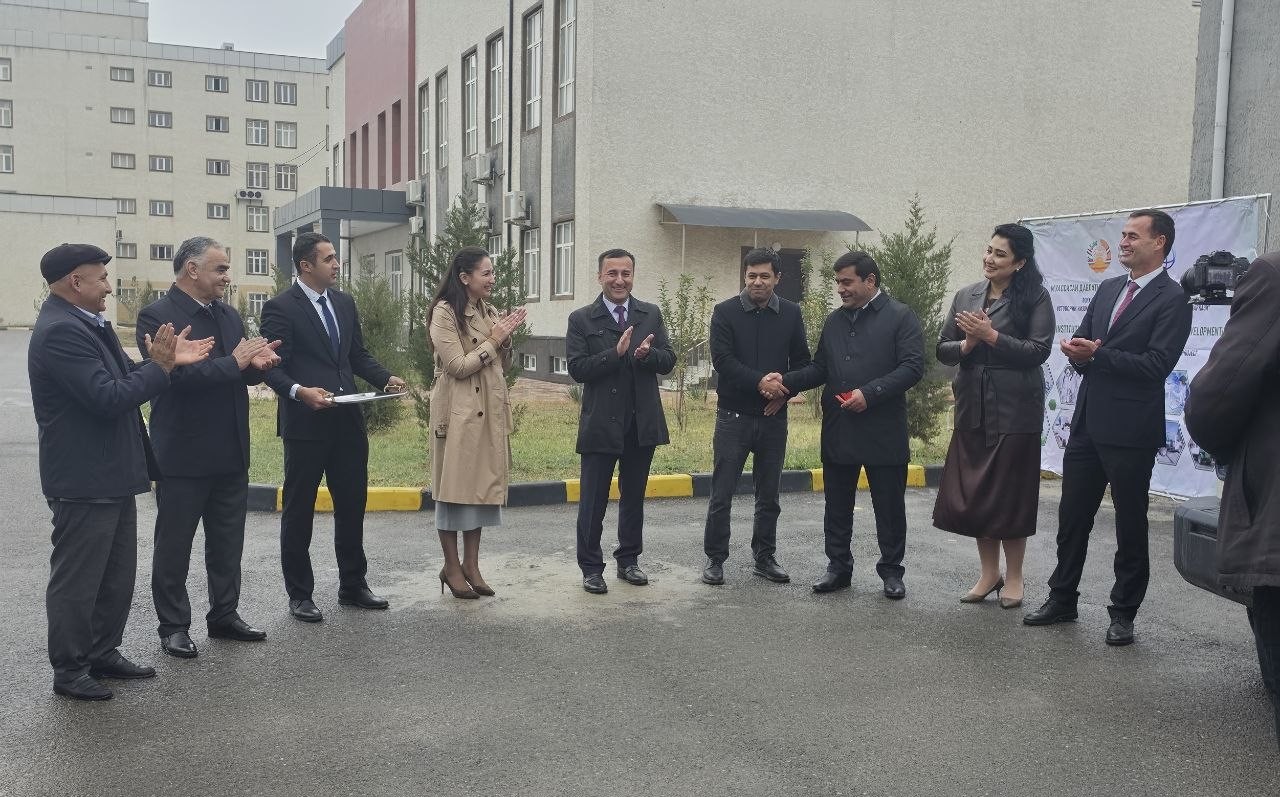
Committee, and a representative from the Regional Environmental Centre for Central Asia (CAREC).
From Environmental Monitoring to Threat Prevention
For Tajikistan, home to diverse mountainous and natural ecosystems, conserving biodiversity and conducting continuous environmental surveillance are of paramount importance. Climate change, habitat degradation, the spread of infectious animal diseases, and other environmental pressures necessitate a systematic approach and rapid response.
Strengthening the technical capacity of conservation agencies is therefore a vital pillar of environmental security. The newly deployed vehicles will enable specialists from the Committee and its subordinate bodies to step up wildlife monitoring, patrol protected areas, track changes in ecosystem conditions, and respond more swiftly to emerging risks.
This operational mobility is particularly crucial for remote and rugged mountainous regions, where routine field surveillance often presents severe logistical hurdles.
During the event, participants also underscored the need to further develop regional environmental risk maps. These tools will help identify vulnerable zones, integrate climate variables, and plan targeted preventive interventions. Alongside technical fleet upgrades, emphasis was placed on professional development, specialized training, and overall capacity building across conservation bodies.
One Health: An Integrated Framework for Public and Ecosystem Health
The health of people, animals, and ecosystems is inextricably linked. Consequently, preventing zoonotic diseases demands coordinated action across public health, veterinary services, and environmental protection agencies.
In Tajikistan, this work is carried out under the regional project One Health for Pandemic Prevention, Food Systems Resilience, and Ecosystem Health in Central Asia, supported by the World Bank.
The Regional Environmental Centre for Central Asia (CAREC) serves as the regional implementing agency, coordinating regional activities and facilitating stronger multisectoral cooperation among Central Asian countries. The project aims to strengthen the capacity of relevant government institutions across four key areas: human health, veterinary services and livestock, food safety, and environmental protection. Its priorities include improving surveillance systems, enhancing professional capacities, and strengthening interagency cooperation.
Shoira Toirova — PR Specialist, "One Health" Program, shoira.tajikistan@gmail.com
For further information:
Oxana Kravtsova — Regional Program Coordinator, "One Health" Program, CAREC, okravtsova@carececo.org