

The Kyrgyz Republic branch of the Regional Environmental Center for Central Asia (CAREC) is participating in the 17th Conference of the Parties to the UN Convention on Biological Diversity (COP17), taking place in Yerevan from October 19 to 30, 2026.
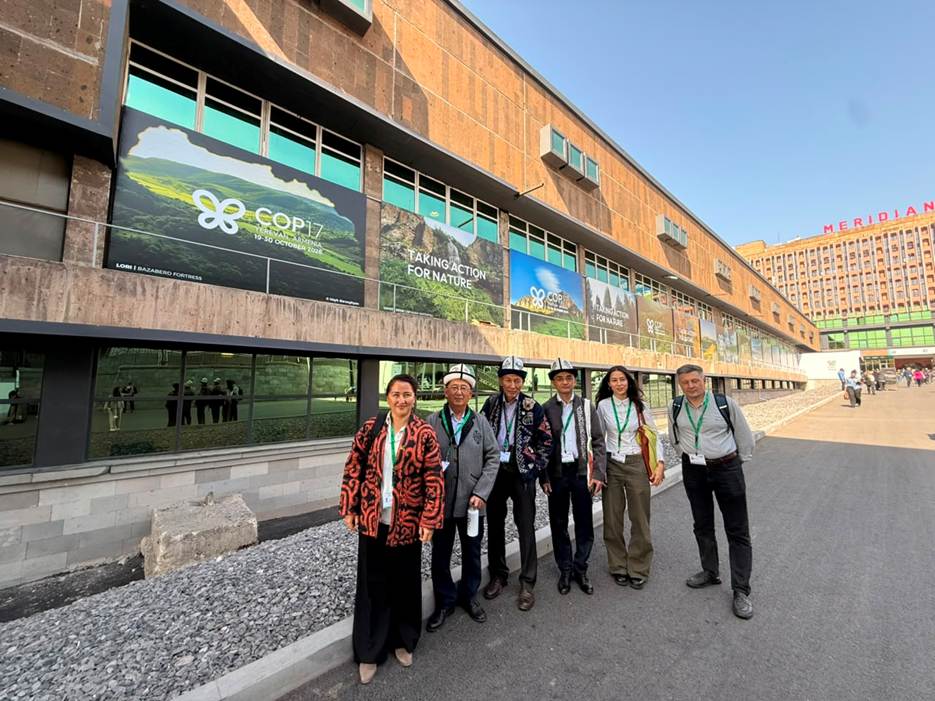
COP17 is one of the most important international forums for discussing global measures to conserve biodiversity. The conference brings together representatives of governments, international organizations, the scientific community, and civil society to assess progress made and determine further actions to protect nature.
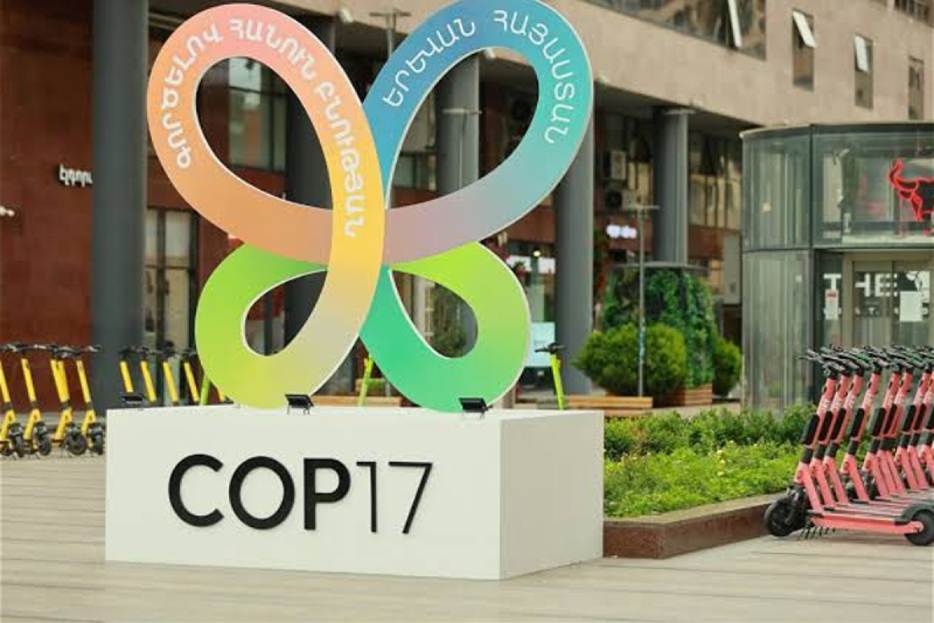
The conference officially opened on October 18. Armenian Prime Minister Nikol Pashinyan emphasized the need to unite international efforts, accelerate the fulfillment of existing commitments, and move toward concrete, measurable results in the conservation and restoration of biodiversity.
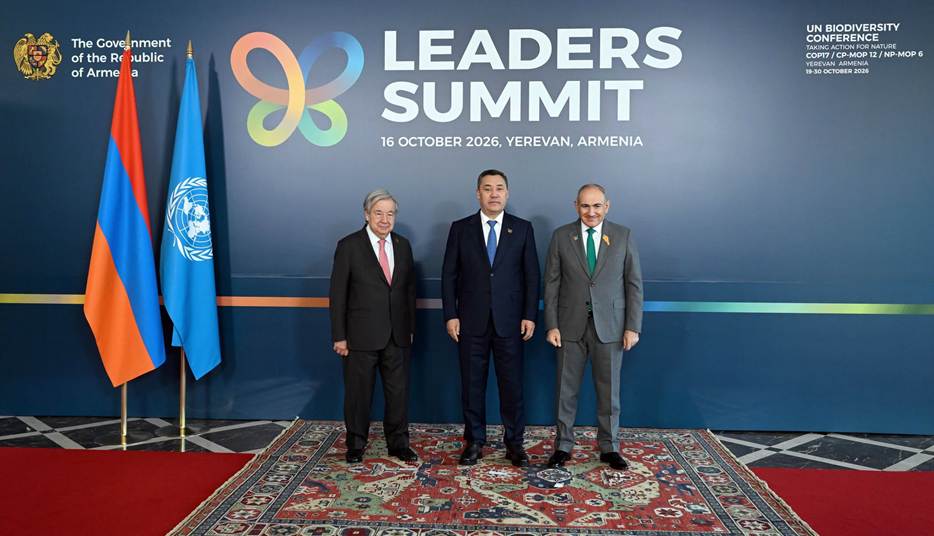
The speech by Sadyr Zhaparov, President of the Kyrgyz Republic, at the Leaders’ Summit on Biodiversity—held on October 16 as part of the COP17 events—drew particular attention.
In his speech, Sadyr Zhaparov noted that climate change, environmental pollution, and biodiversity loss transcend national borders and require coordinated action by the international community.
What Issues Did Sadyr Zhaparov Raise at COP17?
1. Glacier Melting and Climate Change. The president drew attention to the accelerated melting of glaciers in Central Asia and the associated threats to mountain ecosystems and biodiversity.
2. International cooperation. He emphasized the need for joint action by states to address environmental problems and conserve natural resources.
3. Support for the Yerevan Platform. Kyrgyzstan supported Armenia’s initiative to establish a platform on the biodiversity of mountain and freshwater ecosystems and expressed its readiness to participate in its work.
4. International Financing for Mountain Regions. The President proposed establishing a special program to support mountain countries within the framework of the Global Environment Facility in order to expand financing opportunities for environmental protection measures.
5. Establishment of a Global Center for Mountain Region Sustainability in Bishkek. The initiative aims to advance scientific research, monitoring, and knowledge sharing on issues related to the sustainability of mountain areas.
6. Debt-for-nature swaps. The President proposed developing a mechanism for debt-for-nature swaps, which would allow funds to be directed toward nature conservation.
Sadyr Zhaparov paid special attention to the preservation of Lake Issyk-Kul. Kyrgyzstan proposed establishing a special trust fund to protect the lake and announced its readiness to allocate an initial contribution of 10 million U.S. dollars from the state budget. To implement this initiative, the country is counting on the support of international financial institutions, donors, and partners.
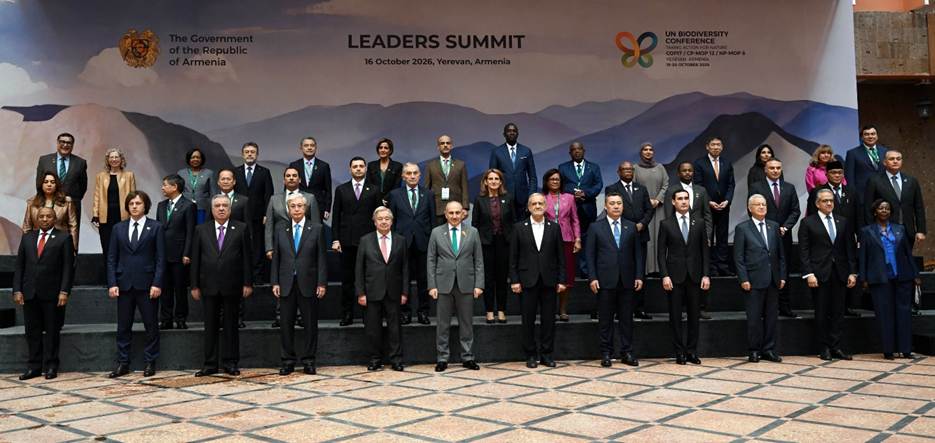
The Significance of COP17 for Central Asia
For the countries of Central Asia, biodiversity conservation is closely linked to climate resilience, the health of mountain ecosystems, and water and food security. Glaciers, rivers, lakes, pastures, and other natural areas play a vital role in maintaining ecological balance and the well-being of the population.
Therefore, access to international funding, the advancement of scientific research, the exchange of expertise, and the strengthening of cooperation among countries are particularly important for the region. COP17 is also of special significance in the context of implementing the Kunming-Montreal Global Biodiversity Framework, adopted in 2022. It sets international goals for the conservation and restoration of nature through 2030. The conference provides an opportunity to assess progress made, identify remaining challenges, and agree on future priorities.
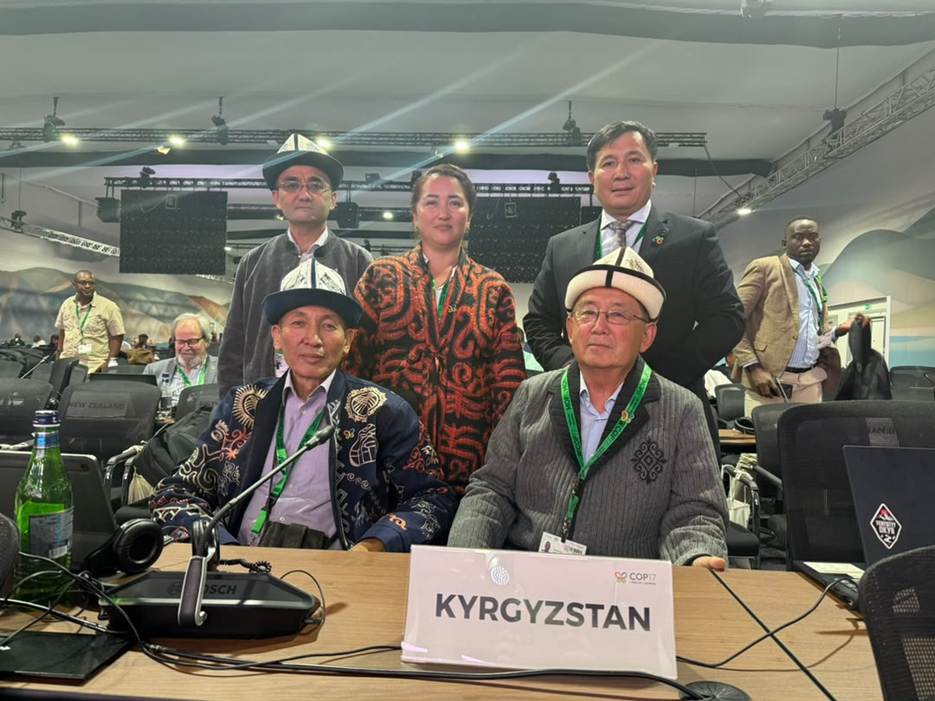
CAREC’s Participation in the International Environmental Dialogue
The Regional Environmental Center for Central Asia (CAREC) promotes regional cooperation, the exchange of knowledge, and the strengthening of collaboration among government agencies, scientific organizations, experts, and other stakeholders in addressing environmental issues.
At COP17, the Kyrgyz branch of CAREC is represented by Director Kuban Matraimov and CAREC experts. Participation in the conference allows the organization to be part of the international dialogue on biodiversity conservation, exchange experiences, and learn about current approaches to solving environmental problems.
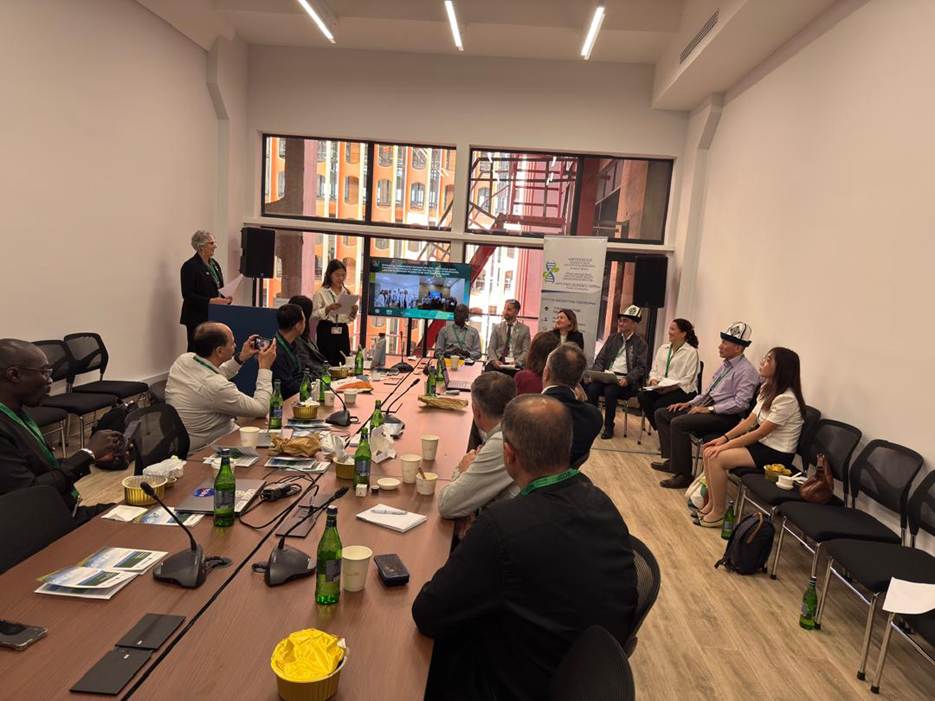
Kyrgyzstan Presented the Results of a Biosafety Project at a Side Event of the “Bio-Bridge” Initiative During COP17
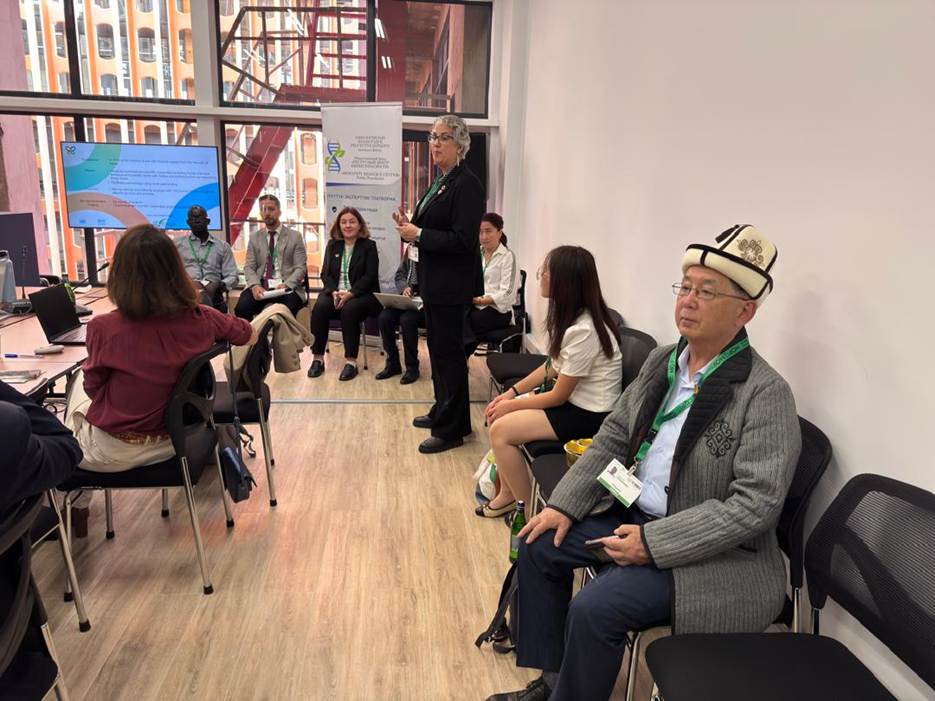
On October 20, 2026, as part of the 17th Conference of the Parties (COP-17) to the Convention on Biological Diversity, a side event was held on the topic “The Bio-Bridge Initiative: Joint Efforts to Achieve Biodiversity Targets.”
During the event, representatives from Kyrgyzstan presented the results of the FAO/GEF project “Implementation of the National Biosafety Mechanism of the Kyrgyz Republic in accordance with the Cartagena Protocol on Biosafety.” The focus was on strengthening national capacity in the field of biosafety, establishing an expert platform, the prospects for developing the Biosafety Resource Center, and cooperation with the Republic of Belarus.
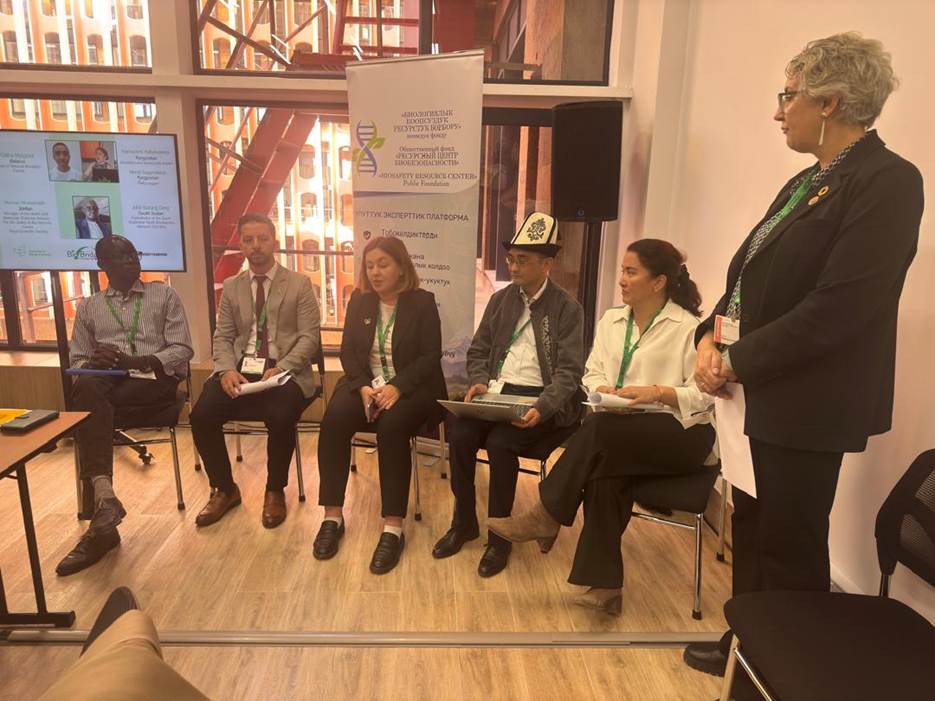
The Bio-Bridge Initiative aims to foster technical and scientific cooperation among countries, facilitate the exchange of experience, and disseminate the practical knowledge necessary to fulfill international environmental commitments.
CAREC experts Namazbek Abdykerimov and Maral Sagnaliev shared Kyrgyzstan’s experience in implementing the FAO/GEF project and discussed the results achieved.
One of the key areas of focus was cooperation with the National Biosafety Coordination Center of the National Academy of Sciences of Belarus. As part of this collaboration, Kyrgyz specialists familiarized themselves with the center’s operations and its laboratories, studied practical approaches to identifying genetically modified organisms (GMOs), and learned methods for training specialists in this field.
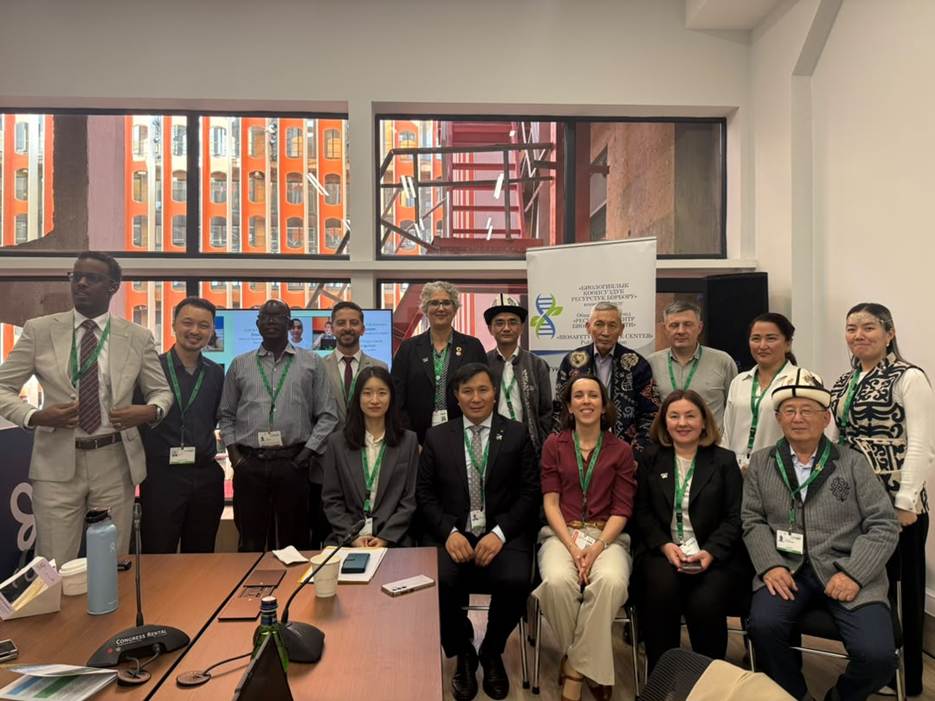
Another outcome of the project was the creation of a national expert platform bringing together representatives of government agencies, laboratories, the scientific community, and civil society. The platform is designed to facilitate the exchange of knowledge, strengthen professional competencies, and ensure the continuation of work in the field of biosafety after the grant funding ends.
COP17 in Yerevan underscores the need to unite international efforts to protect natural ecosystems. For Central Asia, practical solutions aimed at preserving glaciers, mountain, and freshwater ecosystems, developing mechanisms for nature conservation financing, and strengthening regional cooperation are particularly important.
Implementing these priorities will require consistent action by states, international organizations, and partners to ensure that international commitments translate into concrete results for nature and future generations.
As a reminder, COP17 is taking place in Yerevan from October 19 to 30, 2026, under the theme “Action for Nature.” Conferences of the Parties to the Convention on Biological Diversity are held every two years. This year’s meeting is of particular significance: it includes the first global assessment of progress in implementing the Kunming-Montreal Global Biodiversity Framework, adopted in 2022. Its goal is to halt biodiversity loss and reverse this trend by 2030.
For more information:
Kuban Matraimov – Director of the Kyrgyz Branch of CAREC, kyrgyzstan@carececo.org