

For a farmer, a sick cow means more than a treatment bill. Milk production, income and the animal itself may be at risk. An antibiotic can therefore seem the quickest solution. Yet behind the choice of medicine lies a more difficult question: how accessible are veterinary care, diagnosis and prevention? In my view, this is where the discussion of antimicrobial resistance (AMR) in livestock should begin.
When a veterinarian is far away, a farm visit is expensive and test results take time, an owner may rely on previous experience or a medicine seller’s advice. This does not make self-treatment safe, but it helps explain the decision. For a small farm, the immediate cost of a consultation is tangible, while the future consequences of bacterial resistance may seem distant. Awareness campaigns will therefore be more persuasive if practical advice comes with an affordable route to professional care.
Veterinarians also work within constraints. Limited diagnostic options and owners’ expectations of rapid results can increase the risk of treatment without establishing the cause of disease. Continuing education matters, but even a skilled practitioner needs laboratory support, current guidance and opportunities to reassess an animal. Treatment failure should not automatically be attributed to resistance: an incorrect diagnosis, an unsuitable medicine or problems with its administration may also be responsible.
If infections recur because of overcrowding, poor ventilation, contaminated water or inadequate hygiene, another course of treatment does not remove the underlying cause. A cycle develops: disease, expense, temporary improvement and further disease. With a tight budget, prevention is easy to postpone, potentially sustaining a continuing need for medicines.
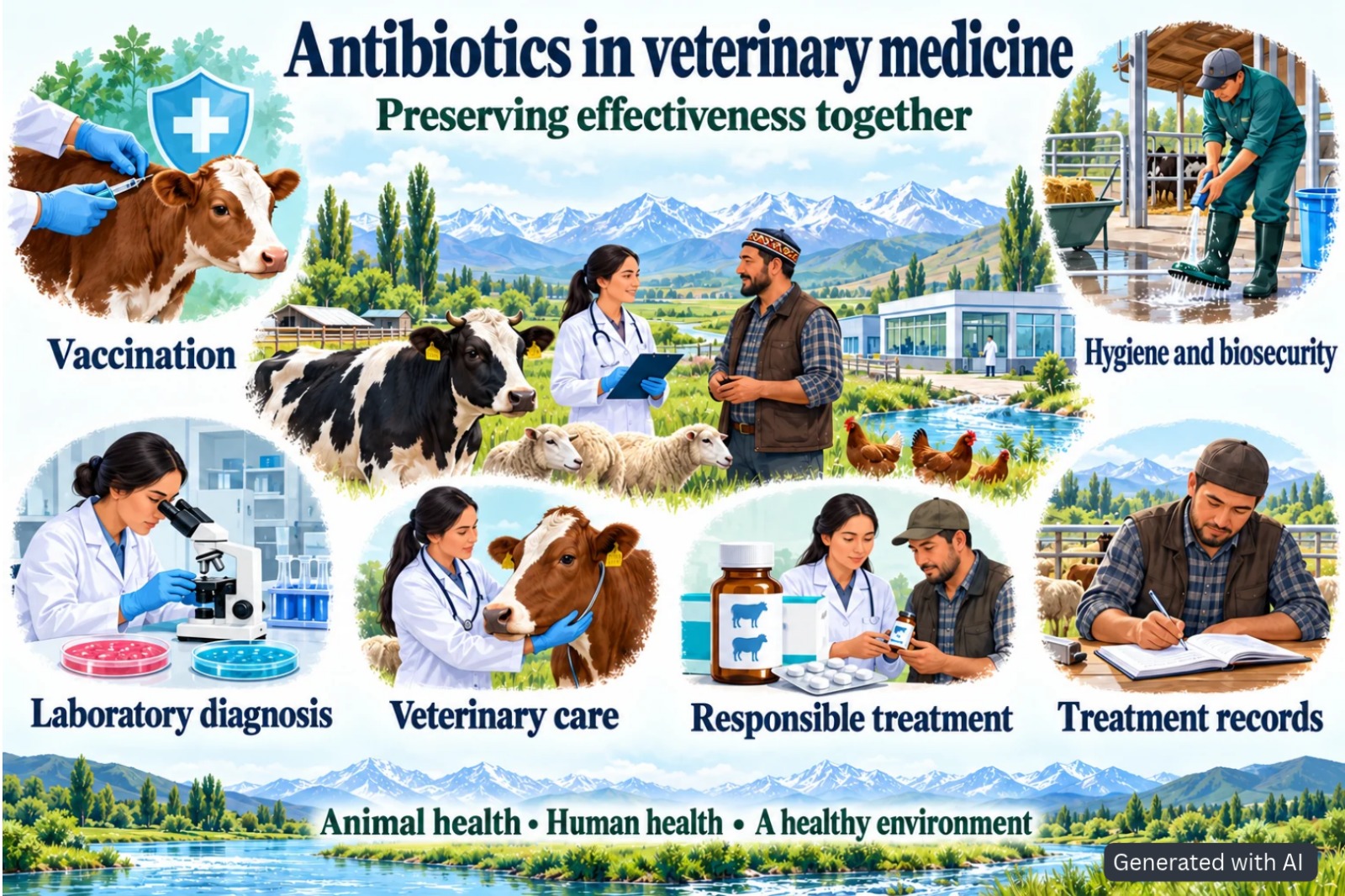
Breaking this cycle starts with a herd health plan covering vaccination where indicated, biosecurity, adequate nutrition, clean water and early detection of illness. Owners need to see the economic value through practical results: fewer cases, less repeat treatment and more stable productivity. This preventive approach also underpins FAO’s RENOFARM initiative.
I would propose three connected priorities for the region. First, make veterinary advice and sample transport to laboratories more accessible to small and remote farms. Second, support practical training for veterinarians and owners, centred on everyday farm decisions. Third, combine oversight of medicine distribution with access to quality-assured medicines and appropriate treatment. Restrictions without accessible care may leave owners facing a sick animal on their own.
Another priority is to put data to work. Treatment records, recurrent disease histories and laboratory results can help distinguish husbandry problems from situations requiring a change in therapy. Sharing relevant findings between veterinary, human health and environmental services gives One Health a practical purpose: resistant bacteria can spread through contact, food and the environment.
My main conclusion is that responsible antibiotic use must be feasible and make economic sense. Farmers need conditions that make timely disease prevention and qualified care easier to obtain. Preserving antibiotic effectiveness can then become part of everyday farm management.
Further reading
An author commentary informed by international guidance and research. The mechanisms discussed should not be taken to imply identical conditions across the region.
WOAH. Responsible and prudent use of antimicrobial agents in veterinary medicine.
https://www.woah.org/fileadmin/Home/eng/Health_standards/tahc/2024/en_chapitre_antibio_use.htm
FAO. RENOFARM.
https://www.fao.org/antimicrobial-resistance/background/fao-role/renofarm/en/
Knowledge, Attitudes and Practices Related to Antimicrobial Use and Resistance Among Livestock Sector Stakeholders in Seven Former Soviet Countries. Antibiotics. 2026;15(4):384.
https://doi.org/10.3390/antibiotics15040384
Kairat Tabynov
DVM, PhD, Associate Professor
Veterinary Sector Consultant,
The Regional Environmental Centre for Central Asia (CAREC) kairat.tabynov@gmail.com
This publication was prepared by the Regional Environmental Centre for Central Asia (CAREC) under the Regional "One Health" Program in Central Asia. The program implemented with financial support from the World Bank and the Pandemic Fund. The he content of this publication is the sole responsibility of the author and does not necessarily reflect the views or official positions of the World Bank or the Pandemic Fund.
For further information:
Oksana Kravtsova – Regional "One Health" Program Coordinator, CAREC, okravtsova@carececo.org