
On March 27, a national workshop was held in Osh to discuss the development of national policies and guidelines on biosafety in accordance with the requirements of the Cartagena Protocol on Biosafety.
The event was organized by the Ministry of Natural Resources, Ecology, and Technical Supervision of the Kyrgyz Republic in collaboration with the Food and Agriculture Organization of the United Nations (FAO) and the Regional Environmental Center for Central Asia as part of the FAO/GEF project “Implementation of the National Biosafety Mechanism in the Kyrgyz Republic.”
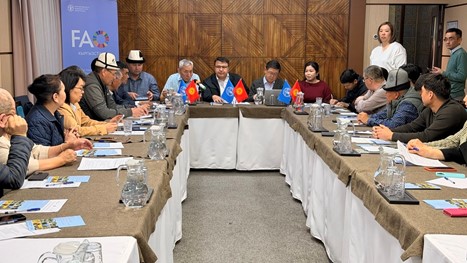
The seminar brought together representatives from government agencies, the scientific community, experts, farmers, and agricultural producers. This time, particular emphasis was placed on farmers—those who deal with issues of product quality, seed safety, and the impact of GMOs on agriculture on a daily basis.
Key Topics of the Seminar
Participants discussed:
• the implementation of the FAO/GEF project on the development of a national biosafety mechanism;
• improvements to the regulatory framework, including the Kyrgyz Republic’s Law “On Biological Safety” and the drafting of a separate law on the handling of GMOs and living modified organisms;
• socio-economic aspects, taking into account gender equality and inclusion;
• raising public awareness.
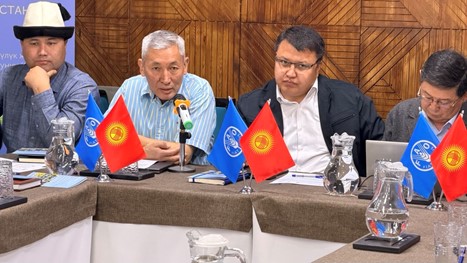
“The implementation of the national biosafety mechanism is an important step toward ensuring the country’s environmental and food security. Today’s seminar brought together representatives from government agencies, the scientific community, laboratories, and the farming community. Such a broad range of participants is particularly important, as biosafety issues require a comprehensive approach that takes into account both scientific and practical aspects. It is precisely this open dialogue among all parties that helps develop effective and sustainable solutions,” noted Kuban Matraimov, Director of the CAREC branch in the Kyrgyz Republic.
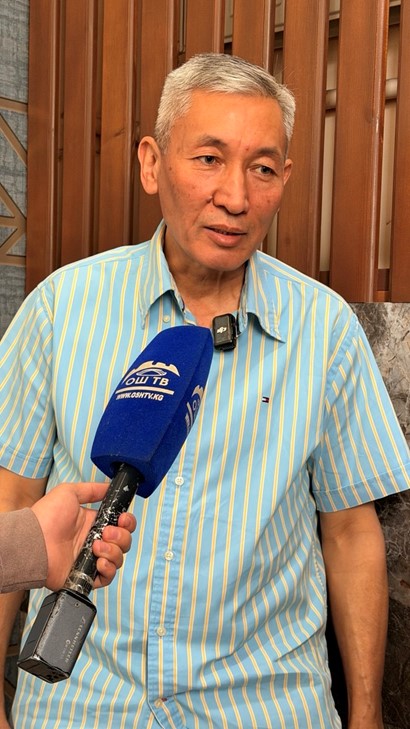
The program featured presentations on the current status of the national biosafety mechanism and the development of regulatory documents. The practical component included group work, during which participants discussed real-world issues related to the regulation and use of GMOs and living modified organisms (LMOs) and exchanged suggestions.
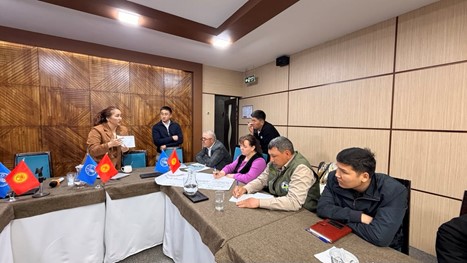
Policy expert Maral Sagynalieva emphasized:
“The use of modern biotechnology presents not only opportunities but also risks, particularly for mountain ecosystems and the sustainability of local communities. It is important to develop risk assessment procedures, improve product labeling, and strengthen laboratory monitoring.”
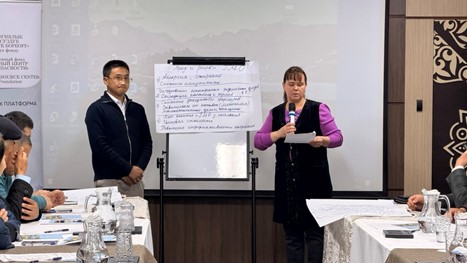
Anna Trembach, a biologist at the Center for Veterinary Diagnostics and Expertise for the Southern Region, shared her experience:
“We conduct laboratory tests using PCR, including tests to detect potential GMO components. The main focus is on meat products, which may contain soy protein. However, the presence of soy does not necessarily mean the presence of GMOs—additional testing is required for that. During our monitoring studies, we have already managed to identify certain signs of GMOs, but further identification is often limited by a lack of necessary resources. Seminars like this allow us to exchange experiences and improve the qualifications of our specialists.”
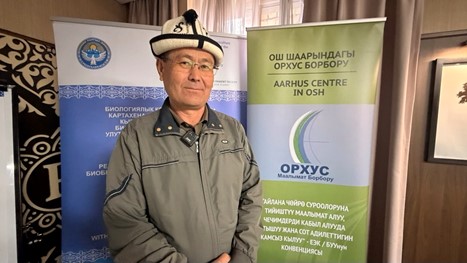
Baktybaev Dyikanbay, a farmer from the Chon-Alai District, highlighted the practical significance of the seminar:
“Our cooperative in the Chon-Alai District is engaged in seed production and potato cultivation. Our main goal is to produce high-quality, environmentally friendly seed stock and to provide farmers with reliable and safe seeds. Today, we are concerned about the increase in potato imports, especially from China. They are often cheaper, and buyers focus on price rather than quality, which reduces the competitiveness of local products. In addition, we observe differences in storage: local potatoes lose moisture and weight over time, while imported ones retain their appearance longer, which also contributes to our losses. We are not experts, but we have certain questions and concerns. Today’s seminar provided an opportunity to discuss them with representatives of government agencies, laboratories, and FAO experts. We received useful information that will help us in our future work.”
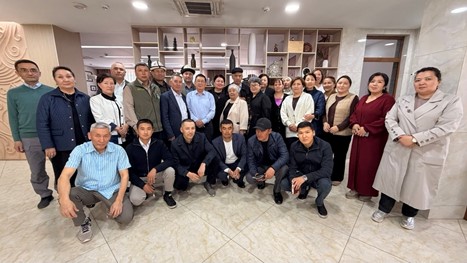
The participants noted the importance of holding such events on a regular basis to exchange experiences, raise awareness, and strengthen cooperation among all parties.
Additional information:
Kuban Matraimov, Director of the CAREC Branch in the Kyrgyz Republic, kyrgyzstan@carececo.org