

On June 19, 2026, a national workshop on the development of biosafety policies and guidelines in accordance with the Cartagena Protocol was held in the city of Naryn. The event was organized by the Kyrgyz Republic Branch of the Regional Environmental Center for Central Asia (CAREC) in collaboration with the FAO Representative Office in the Kyrgyz Republic as part of the FAO/GEF project “Implementation of the National Biosafety Mechanism of the Kyrgyz Republic in accordance with the Cartagena Protocol on Biosafety.”
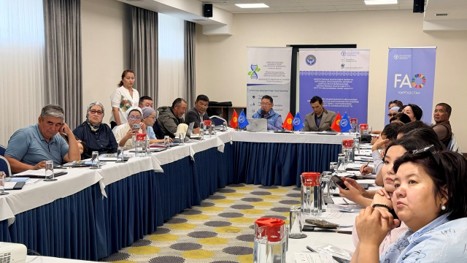
The seminar was attended by representatives of government agencies, research institutions, the expert community, the agricultural sector, farmers, and other stakeholders.
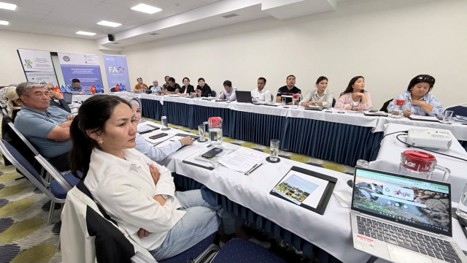
The following issues were discussed during the event:
– implementation of the national biosafety mechanism;
– improvement of legislation and development of subordinate regulations;
– regulation of the handling of genetically modified organisms (GMOs) and living modified organisms (LMOs);
– socioeconomic aspects of biosafety, taking into account the principles of gender equality and social inclusion;
– raising awareness and engaging stakeholders in decision-making processes.
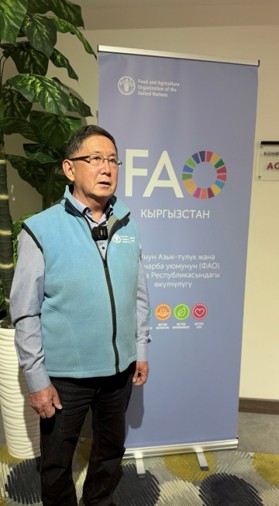
In his opening remarks at the seminar, project coordinator Abdymital Chyngozoev outlined the goals and objectives of the project, which aims to strengthen the national biosafety system.
“The Law of the Kyrgyz Republic ‘On Biological Safety’ was adopted only last year. Work is currently underway to establish mechanisms for its implementation. For the law to function fully, a number of subordinate regulatory legal acts must be adopted to establish procedures for monitoring and regulating the circulation of GMO-related products. The main goal of the Cartagena Protocol is to ensure transparency and enable states to make their own decisions in the field of biosafety,” noted Abdymital Chyngozoev.
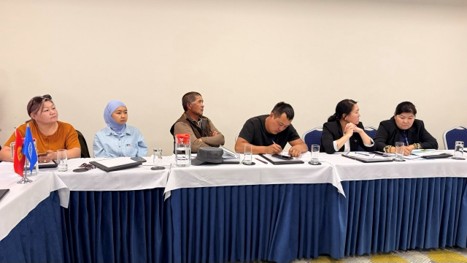
Participants showed the greatest interest in issues related to the implementation of the Law of the Kyrgyz Republic “On Biological Safety” and the development of subordinate legislation. During the discussion, participants addressed mechanisms for government regulation and control of the circulation of GMOs, as well as practical aspects of applying the legislation.
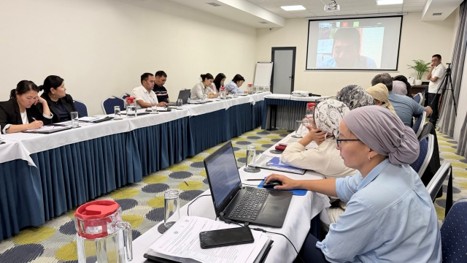
Special attention was given to the socioeconomic aspects of biosafety. Expert Maral Sagnaliev emphasized the importance of incorporating the principles of gender equality and social inclusion into the development and implementation of public policy.
“Biosafety issues affect the interests of various social groups, so it is important to ensure equal access to information and participation in decision-making processes. This approach contributes to more effective and equitable governance,” noted Maral Sagnaliev.
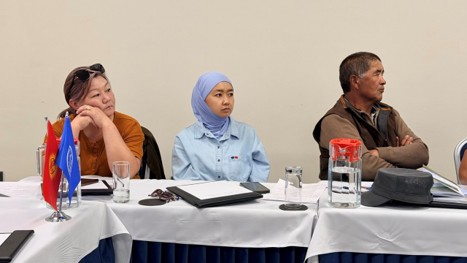
Jamila Mambetjanova, an expert with the Agency for Community Development and Investment of the Kyrgyz Republic in the Naryn Region, shared her thoughts on the importance of the seminar.
“For the Naryn Region, where livestock farming is actively developing and rich biodiversity is preserved, biosafety issues are of particular importance. Such seminars help participants better understand legislative mechanisms, raise awareness among specialists, and contribute to strengthening cooperation between government agencies and local communities,” she noted.
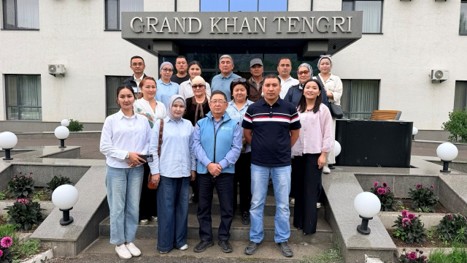
Such seminars help strengthen national capacity in the field of biosafety, foster interagency cooperation, and enhance the effectiveness of the Kyrgyz Republic’s implementation of its international obligations.