

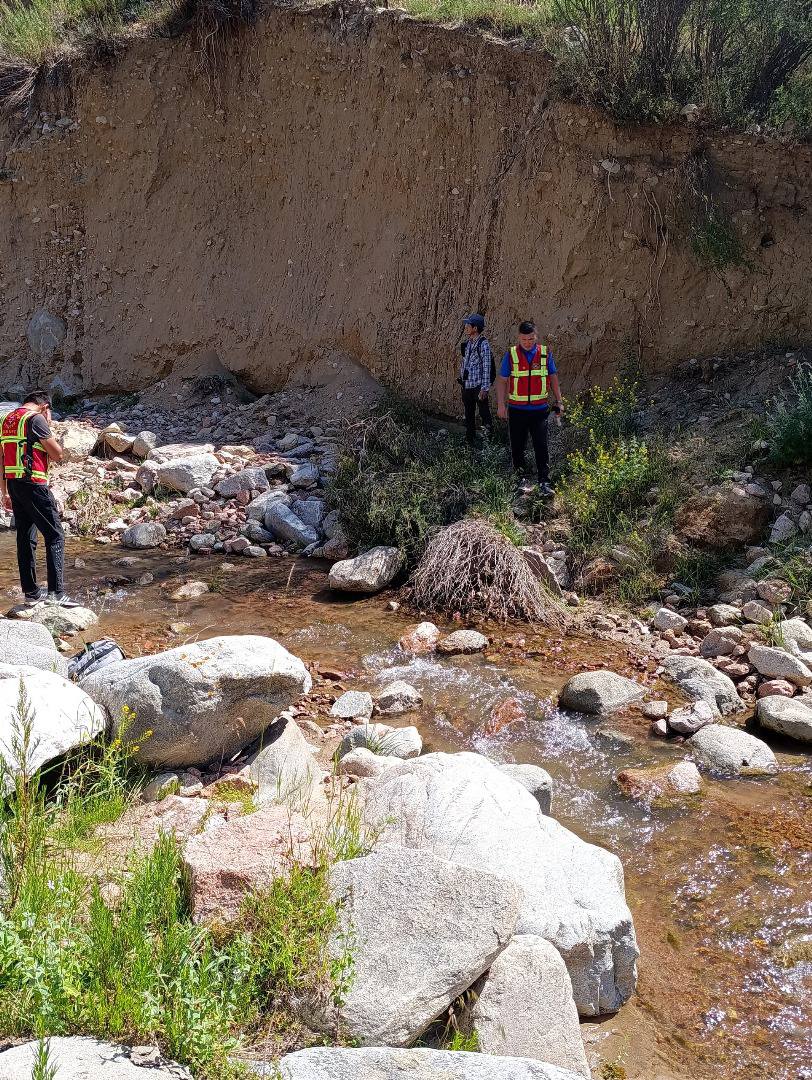
As part of the RESILAND Kyrgyzstan Project, which is a component of the regional Resilient Landscapes Restoration Program in Central Asia (RESILAND CA+), work has begun on conducting studies to prepare Feasibility Studies (FS) and Detailed Design Documentation (DDD) for 21 sites located in various regions of the Kyrgyz Republic.
Boobek Azhikeev, Minister of Emergency Situations of the Kyrgyz Republic:
“The work initiated across 21 sites is another step toward building a comprehensive disaster protection system, where engineering structures and natural elements function as a unified defense mechanism. Today, Kyrgyzstan is already implementing an expanded set of measures aimed at strengthening the resilience of its regions. The KG RESILAND Project helps consolidate these efforts by creating a foundation for long-term development, enhancing public safety, and expanding partnerships with international organizations that support the country’s path toward environmental and climate sustainability.”
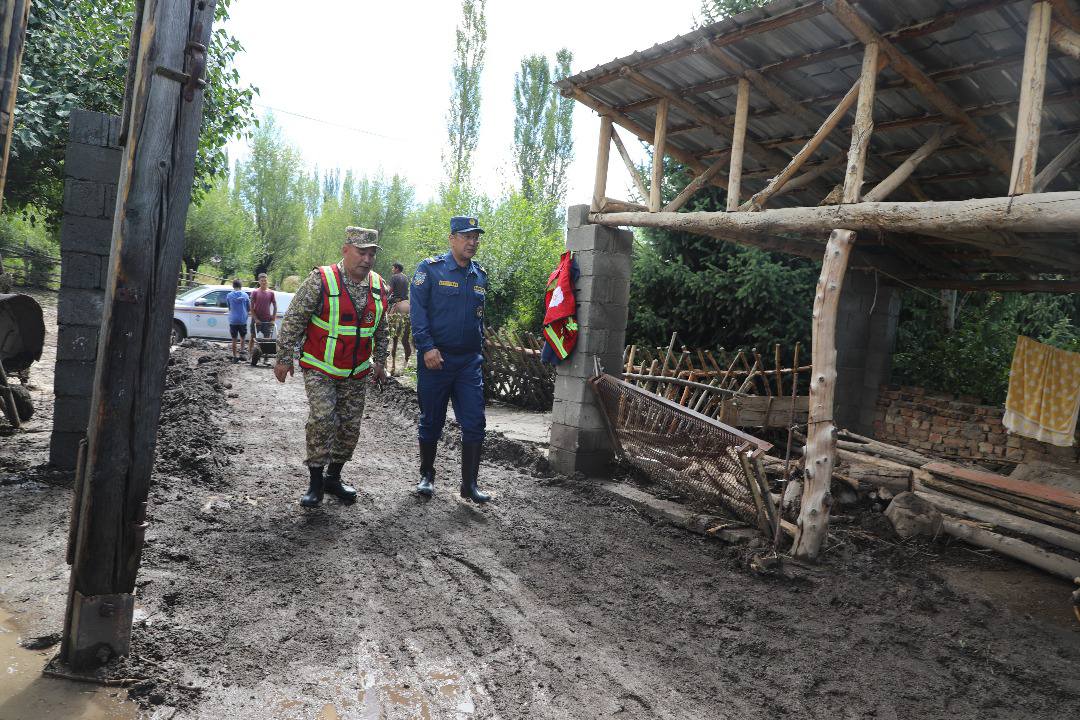
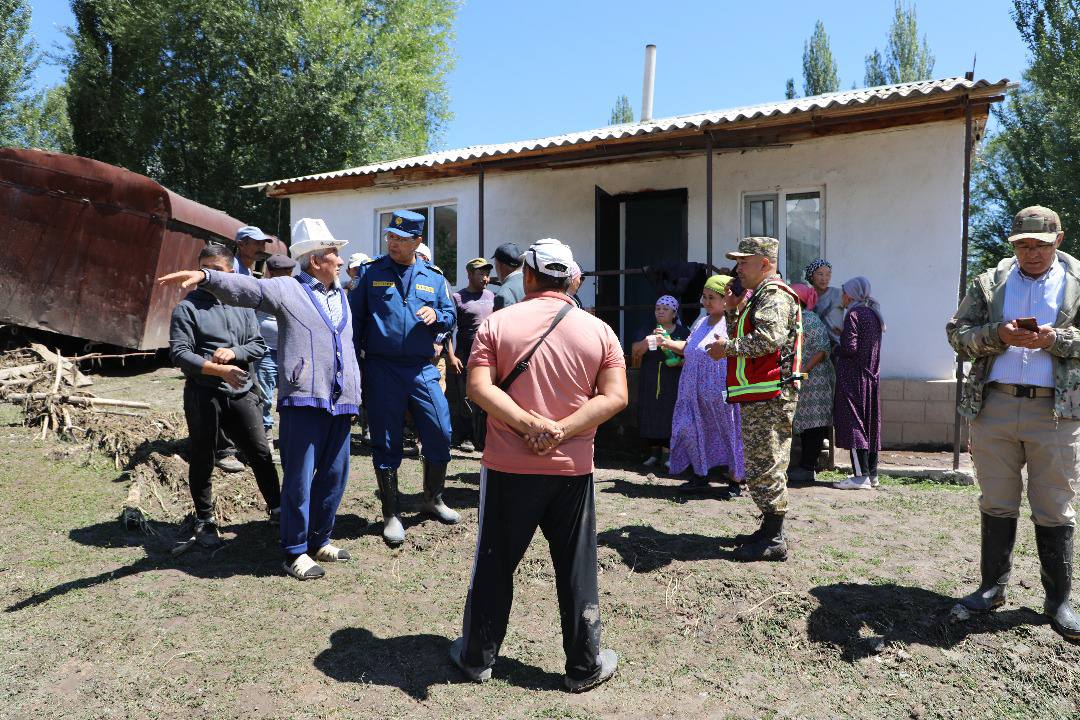
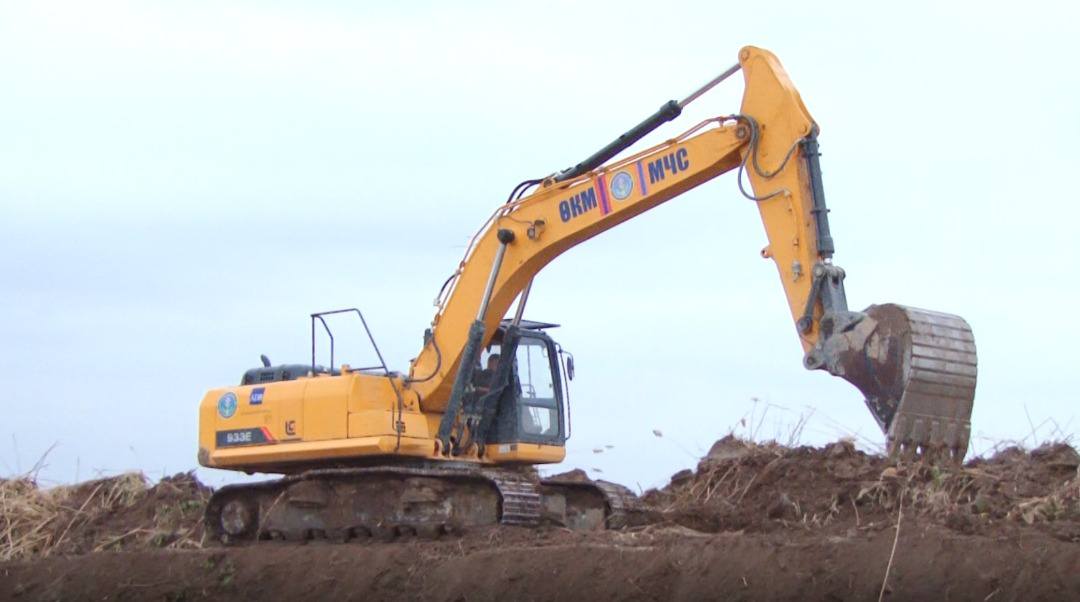
The purpose of these studies is to determine the need for reconstruction of existing or construction of new hydraulic structures to reduce risks of mudflows and floods.
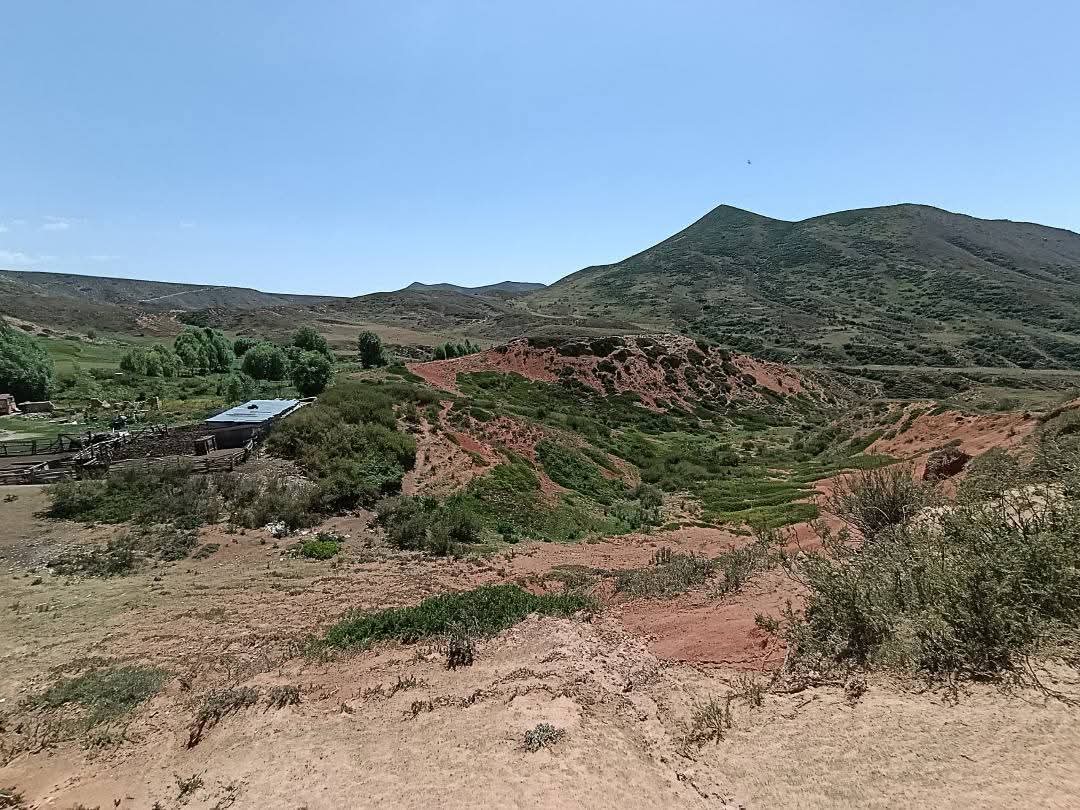
In total, 21 sites have been identified in areas with high mudflow risk and significant potential to achieve protective, environmental, and social benefits through the project’s implementation.
As part of the preparation of the FS and DDD, the following activities are planned:
- Increasing the resilience of territories to mudflows and floods;
- Reducing the risks and consequences of natural disasters;
- Conducting economic assessments and identifying the most effective solutions for each site.
Chinara Berbayeva, Deputy Director of the Project Implementation Department under the Ministry of Emergency Situations of the Kyrgyz Republic (MES KR):
“The preparation of feasibility studies and detailed design documentation for 21 mudflow-prone sites is a key stage aimed at defining priority areas and ensuring high-quality planning of subsequent engineering solutions. We expect that the implementation of these activities will significantly reduce mudflow risks, enhance the protection of settlements, and strengthen the resilience of ecosystems in the most vulnerable regions.”
Implementation of measures at the selected sites will ensure:
- Reduction of mudflow risks;
- Protection of transboundary infrastructure (including roads, bridges, and riverbeds);
- Improvement of living conditions in rural areas;
- Restoration of natural stability of slopes and catchment areas.
The project’s goal is to support the Government of the Kyrgyz Republic in restoring degraded landscapes, reducing disaster risks, and strengthening cooperation with other Central Asian countries in transboundary natural resource management.
The KG RESILAND Project is financed by the World Bank (IDA) and implemented by the Ministry of Emergency Situations of the Kyrgyz Republic.
The regional component of the program in Central Asia is implemented by the Regional Environmental Centre for Central Asia (CAREC).
For additional information:
Chinara Berbayeva – Deputy Director, Project Implementation Department under the Ministry of Emergency Situations of the Kyrgyz Republic / Project Manager, RESILAND Kyrgyzstan
Lyudmila Kiktenko – Deputy Team Leader, “Restoration of Sustainable Landscapes in Kyrgyzstan: Regional Component” Project, CAREC