

Dialogues on the Sidelines
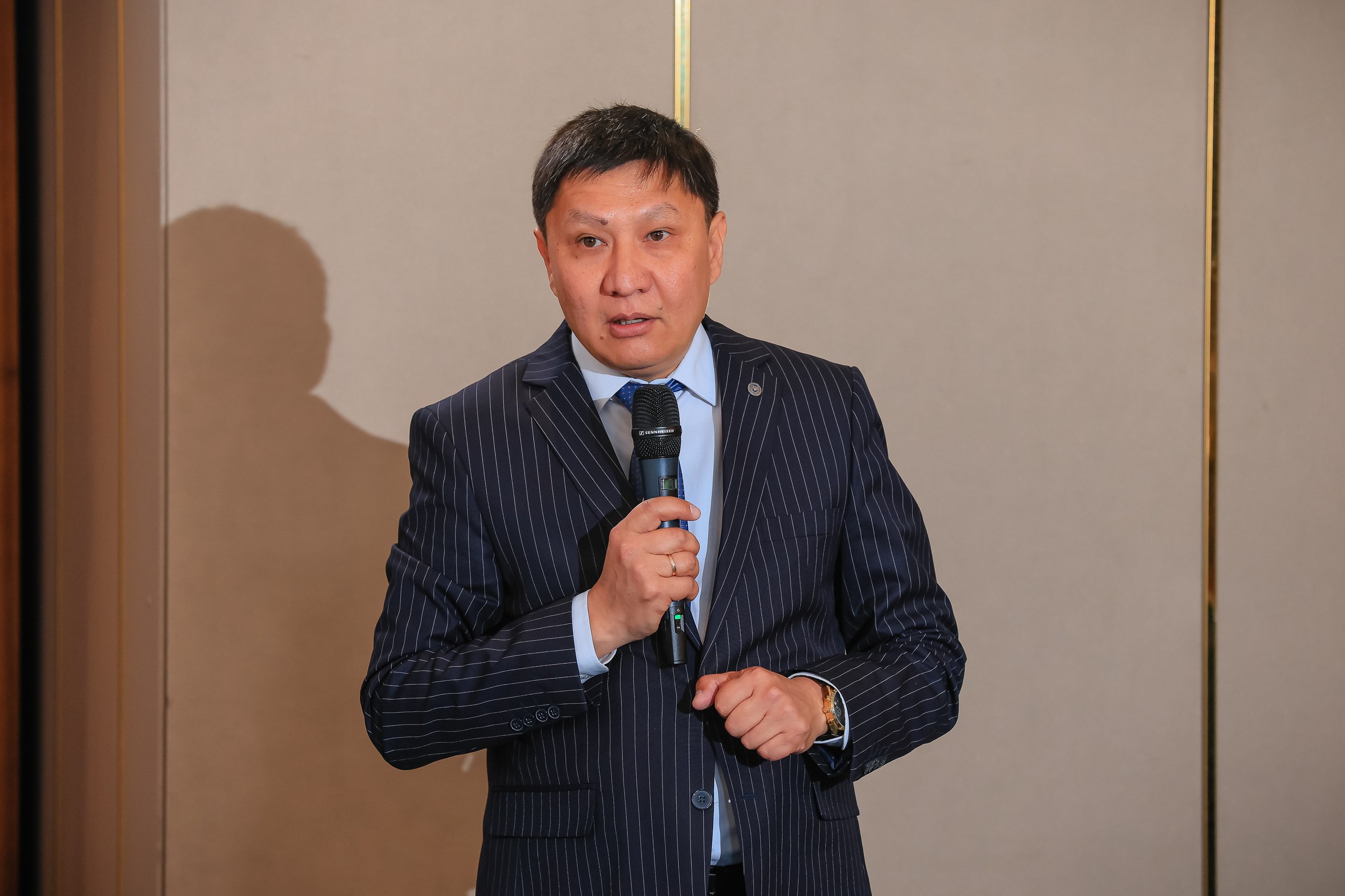
Daurbek Sakyev, Director of the Department for Monitoring and Forecasting of Emergency Situations at the Ministry of Emergency Situations of the Kyrgyz Republic, discusses the specific features of resilient landscape restoration in Kyrgyzstan, including the application of nature-based solutions.
Interview in Russian
Interview Summary
The Kyrgyz Republic Resilient Landscape Restoration Project (RESILAND Kyrgyzstan) is being implemented in Kyrgyzstan with the aim of restoring degraded landscapes and reducing disaster risks in a sustainable manner.
As noted by Daurbek Sakyeev, a defining feature of the project is the integration of nature-based solutions (NBS) with traditional engineering measures, enabling a comprehensive approach to protecting communities and infrastructure from mudflows and flood risks.
The project foresees the implementation of NBS interventions at 20 high-risk mudflow sites. These interventions combine structural measures—such as dams and hydraulic engineering facilities—with the establishment of protective green vegetation to stabilize slopes and reduce soil erosion. This integrated approach is being applied for the first time not only in Kyrgyzstan but also in the wider region.
A strong focus is placed on the modernization of the monitoring system for mudflow and cryospheric processes. The project strengthens the capacity of government agencies and scientific institutions, introduces modern technologies and equipment, and integrates resulting data into the national risk forecasting system.
A pilot site has been selected in a recreational area of the Issyk-Kul region, where the Cesan method—an international risk assessment methodology—has been applied for the first time. This approach involves a comprehensive hazard assessment followed by the development of tailored engineering and nature-based mitigation measures, including retention structures and slope revegetation.
The project also highlights the direct link between land degradation and increased mudflow risks. The loss of vegetation cover significantly increases the likelihood of catastrophic natural processes; therefore, ecosystem restoration is considered a core preventive measure.
In addition, the “One Village – One Product” model is being implemented to support local economic development and strengthen community resilience. Approximately 800 jobs have already been created in vulnerable areas, contributing to local engagement in disaster risk reduction and climate change adaptation.
The RESILAND Kyrgyzstan project demonstrates an integrated, multi-sectoral approach that brings together government institutions, scientific organizations, and local communities. It is considered an important step toward strengthening environmental and climate resilience in the Kyrgyz Republic.
Interview by Zhanna Khusainova, PR/Communications Consultant/Expert, CAREC
----------------------------------------------
The Kyrgyz Republic Resilient Landscape Restoration Project is part of the World Bank’s RESILAND CA+ program, aimed at strengthening landscape resilience across Central Asian countries. Similar national and regional activities are also being implemented in Tajikistan and Uzbekistan.
The Regional Environmental Centre for Central Asia (CAREC) implements the regional component of the Kyrgyz Republic Resilient Landscape Restoration Project.