
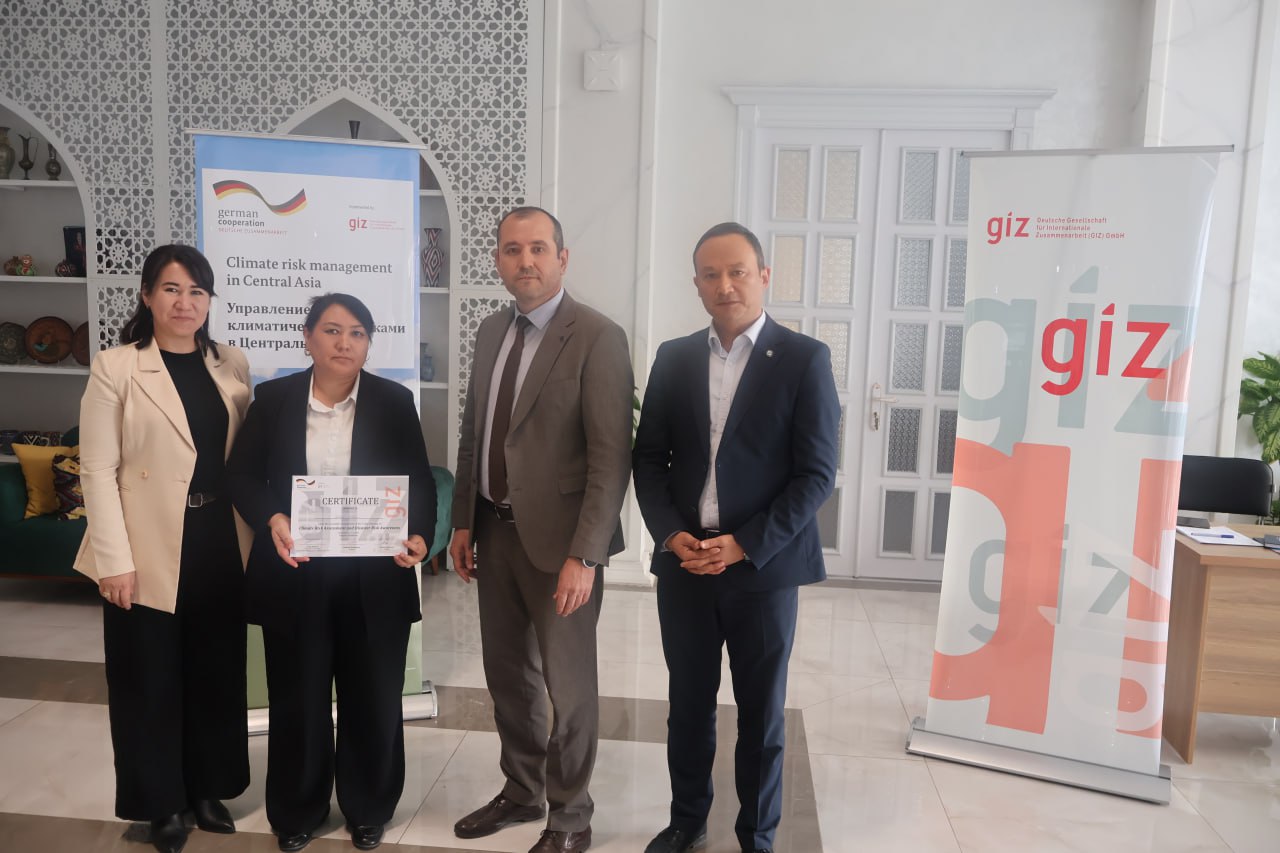
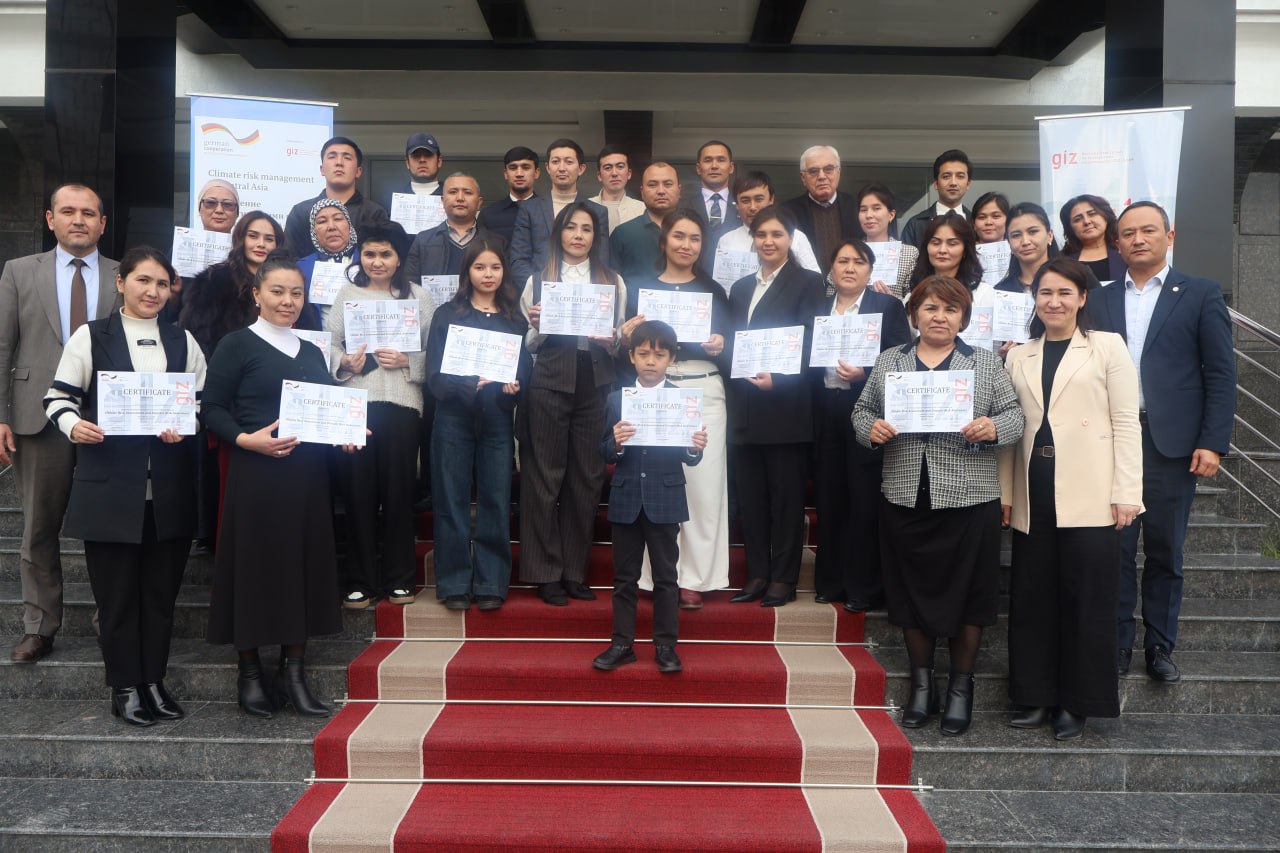
1On 13–14 November, a two-day training was held in Fergana, Uzbekistan, as part of the regional programme ‘Climate Risk Management in Central Asia,’ implemented with the support of GIZ. The training focused on climate risk assessment, raising awareness of natural hazards, and improving interagency coordination at the local level. Nodirbek Rakhimjonov, Director of the Country Office of the Regional Environmental Centre for Central Asia (CAREC) in Uzbekistan, delivered the session as the lead trainer.
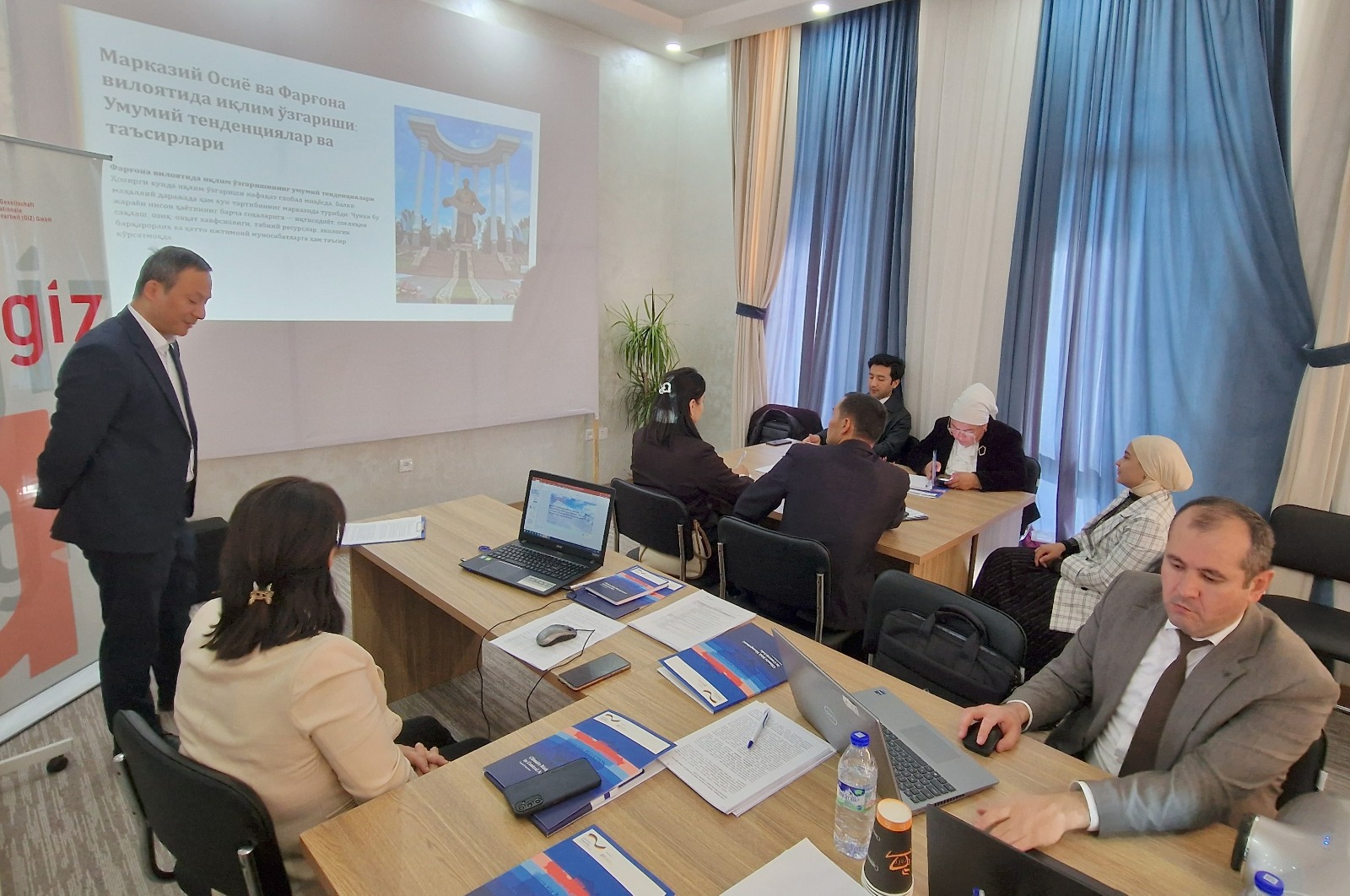
The event brought together representatives of local authorities, the water and agricultural sectors, environmental organizations, scientific and educational institutions, Uzhydromet, and civil society. This multisectoral composition made it possible to examine the climate challenges of the Fergana Valley comprehensively, through the lens of diverse professional backgrounds and expertise.
During the first part of the training, participants were introduced to updated climate trends in the region, including rising temperatures, changes in precipitation patterns, and increased frequency and intensity of extreme events. Real examples were discussed—from recurring floods to prolonged periods of drought.
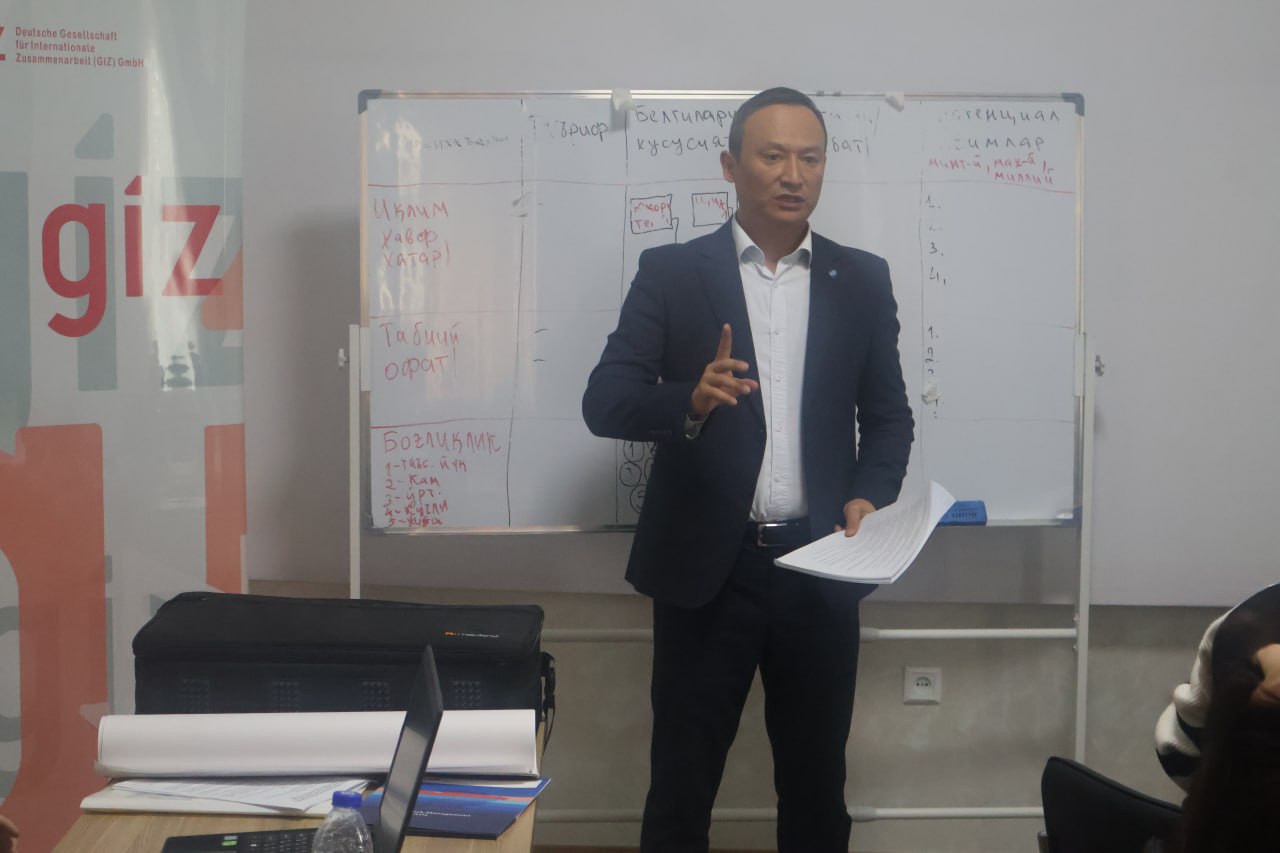
“Understanding current climate trends is fundamental for effective planning and timely risk prevention at the local level,” said Nodirbek Rakhimjonov, emphasizing the importance of science-based approaches to adaptation.
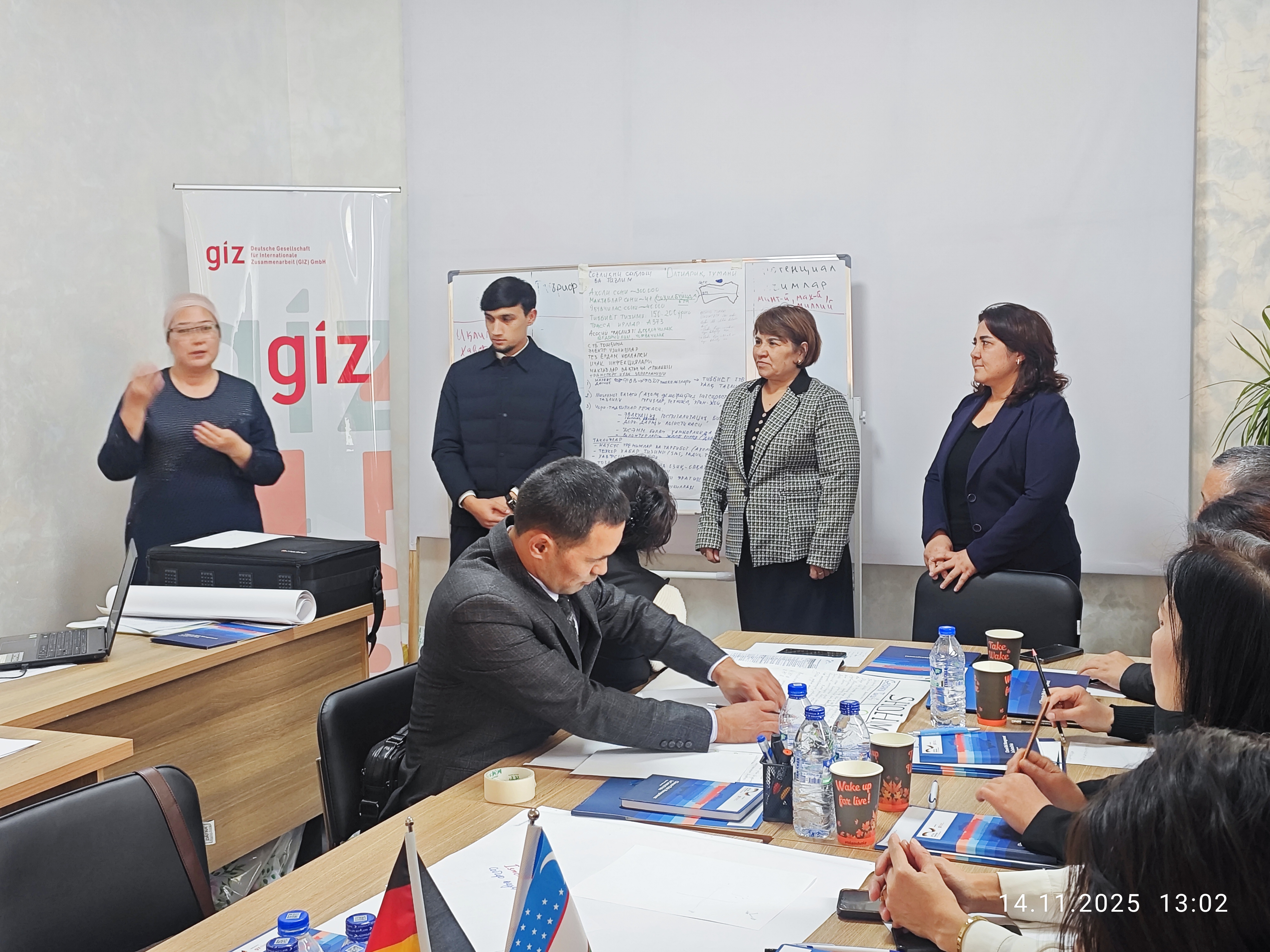
The practical segment focused on developing skills for analyzing natural hazards and climate risks. Participants worked with methodologies for identifying hazards, assessing the vulnerability of territories and population groups, and exploring possible impact scenarios. Through hands-on exercises, they produced climate risk maps and analysed potential consequences for agriculture, water resources, infrastructure, and ecosystems of the Fergana region. This approach helped participants consolidate knowledge and understand how analytical tools can be applied in the real context of their districts and sectors.
Special attention was given to inclusiveness. The training explored how natural hazards affect women, children, the elderly, and other vulnerable groups differently. Participants gained an understanding of why effective risk management must account for these differences and ensure equitable access to information, support, and adaptation measures.
The training also became an important platform for strengthening intersectoral cooperation. Representatives from various sectors exchanged experiences, discussed existing challenges, and assessed mechanisms for coordination during emergencies. Participants highlighted the need for regular data exchange between institutions, harmonization of response procedures, and joint development of adaptation plans—an especially critical need in multifaceted regions such as the Fergana Valley.
At the conclusion of the training, participants emphasized that the knowledge and tools gained will serve as a foundation for further improving climate risk reduction practices within their organizations and districts. The event marked another step in strengthening the region’s resilience to a changing climate and building a more sustainable approach to preventing the impacts of natural disasters.
Contact information:
Nodirbek Rakhimjonov - Director of CAREC’s Country Office in Uzbekistan, uzbekistan@carececo.org