

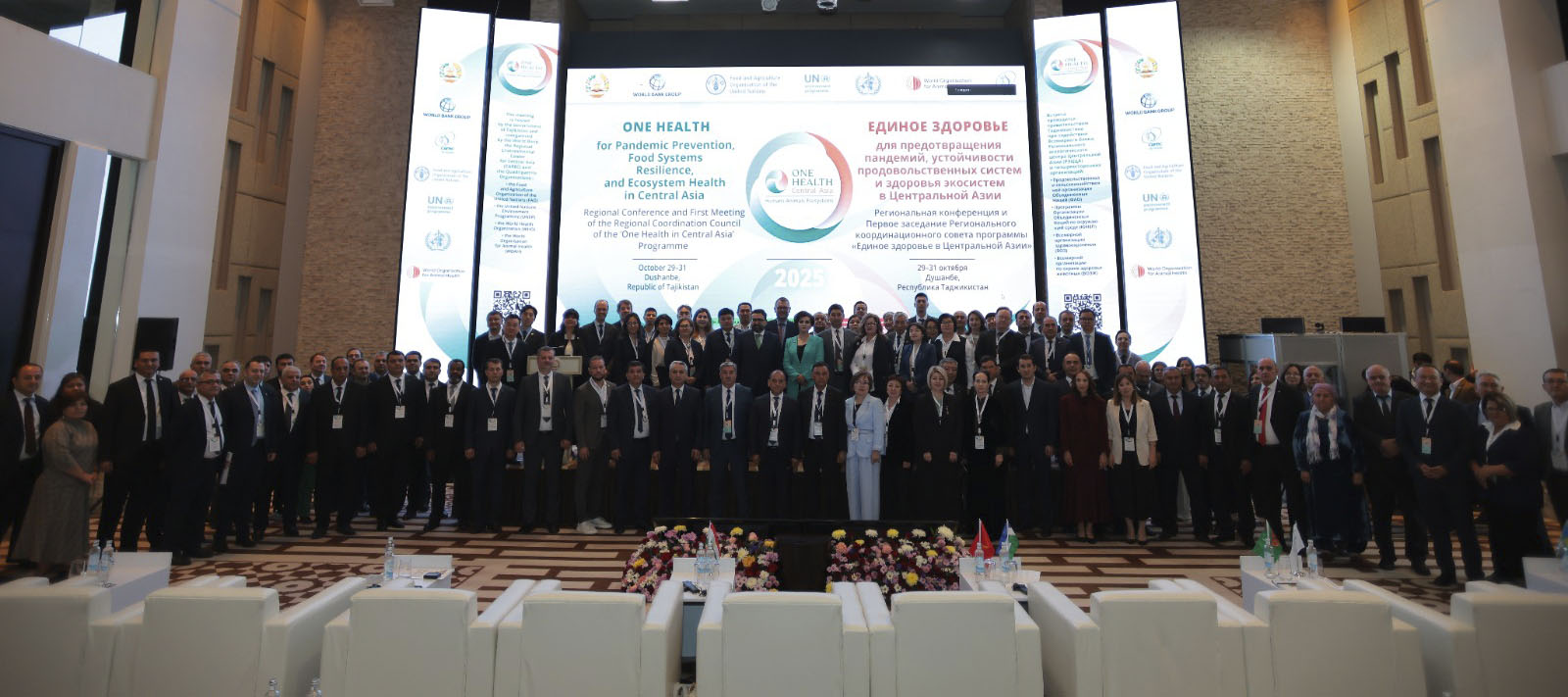
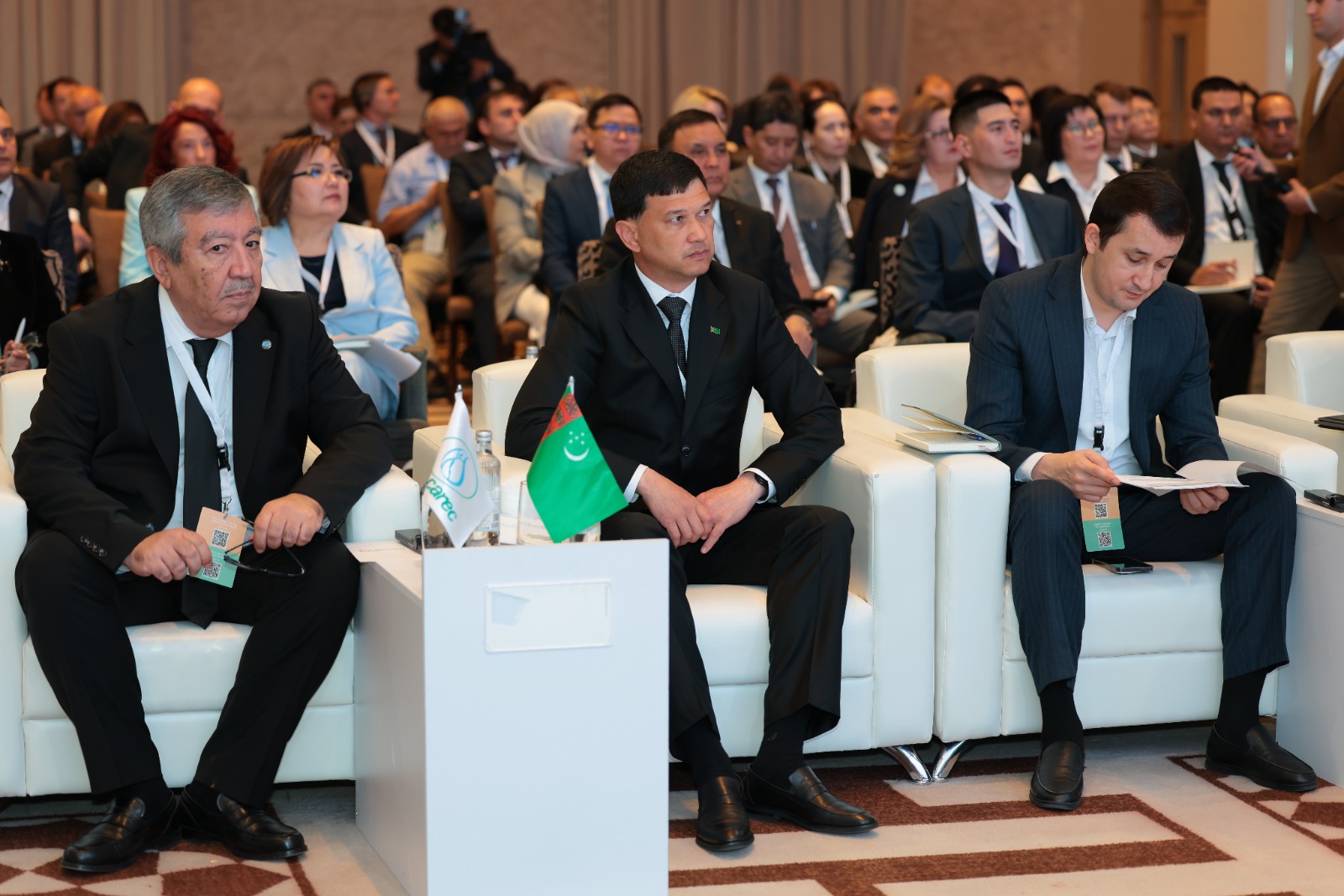
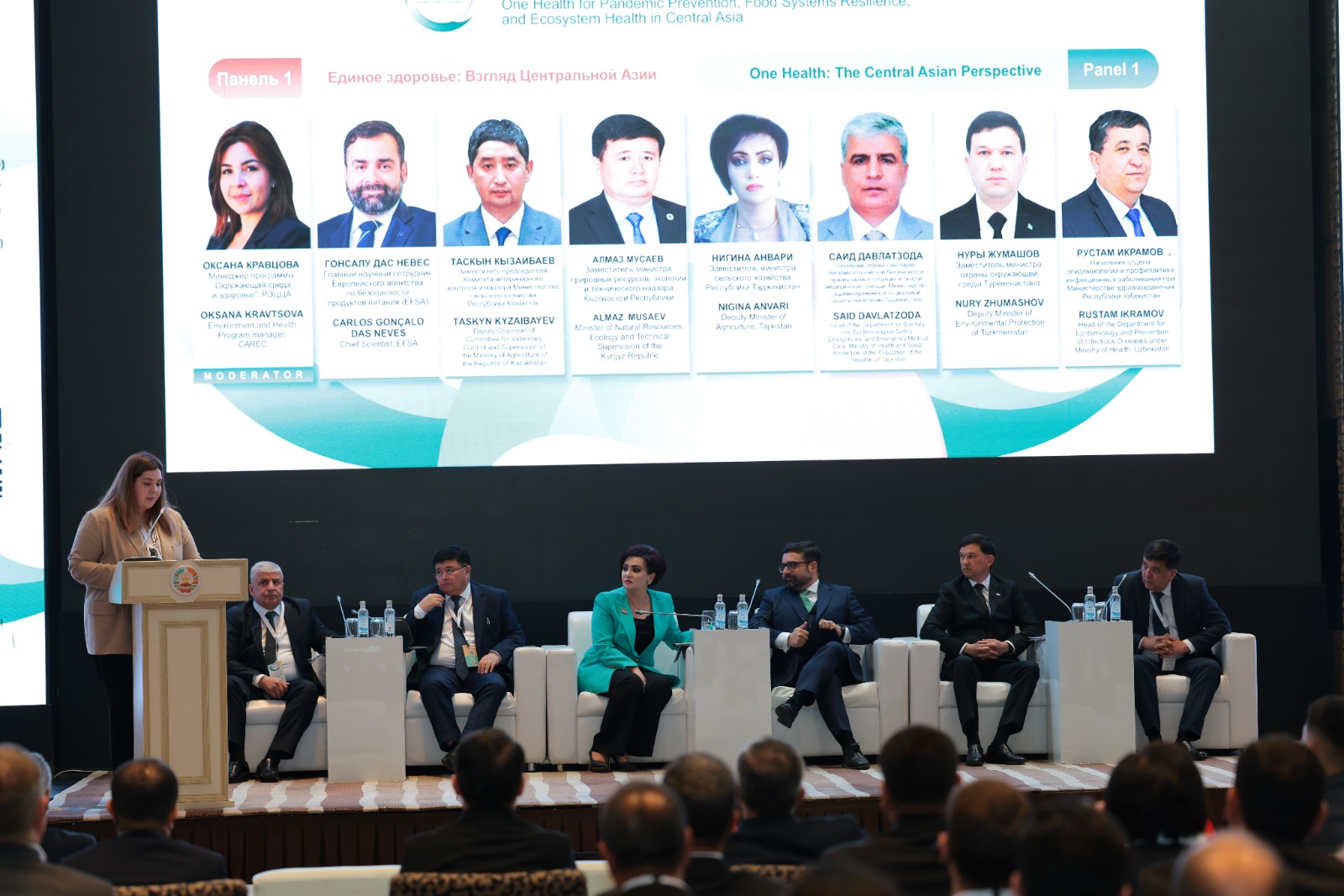
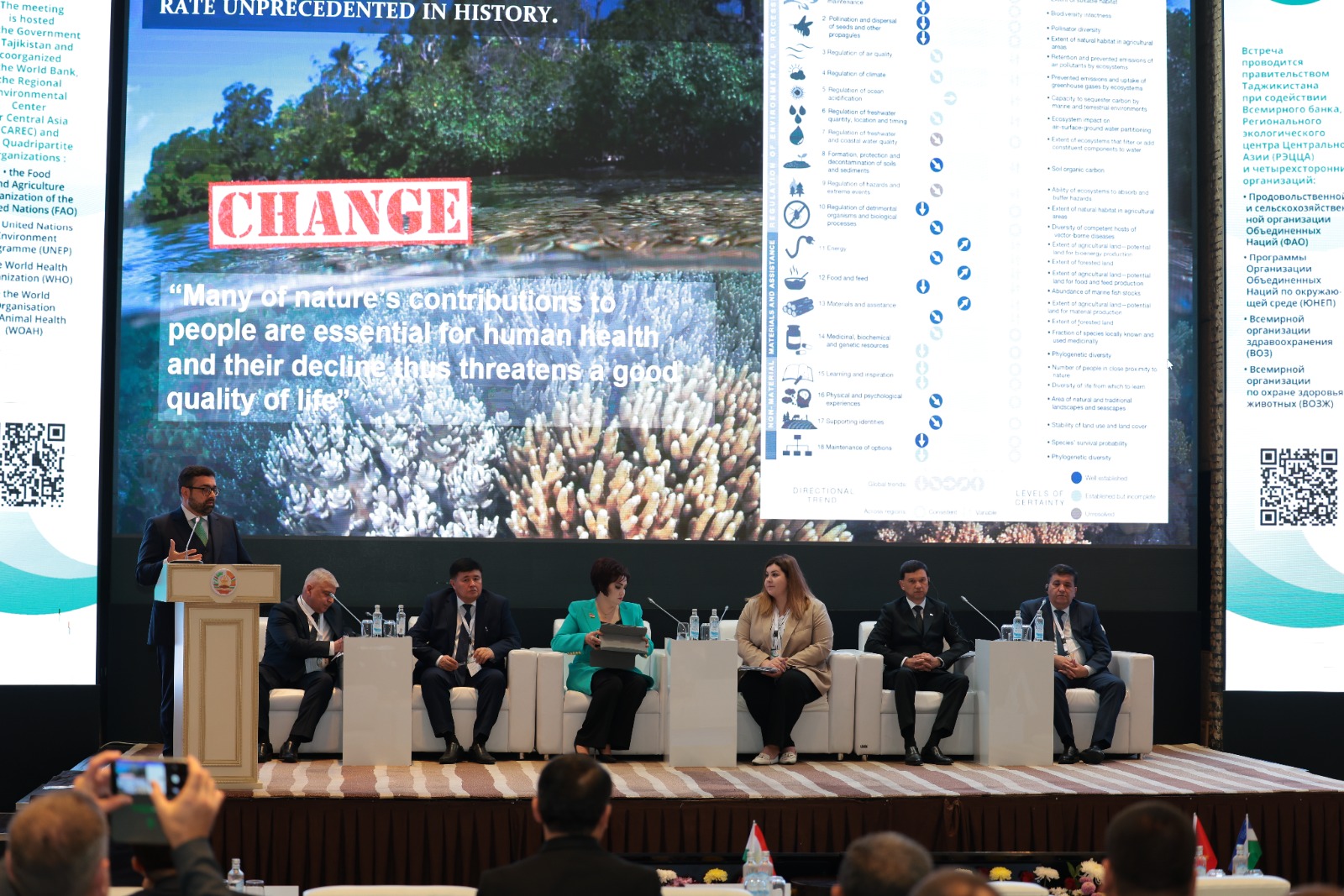
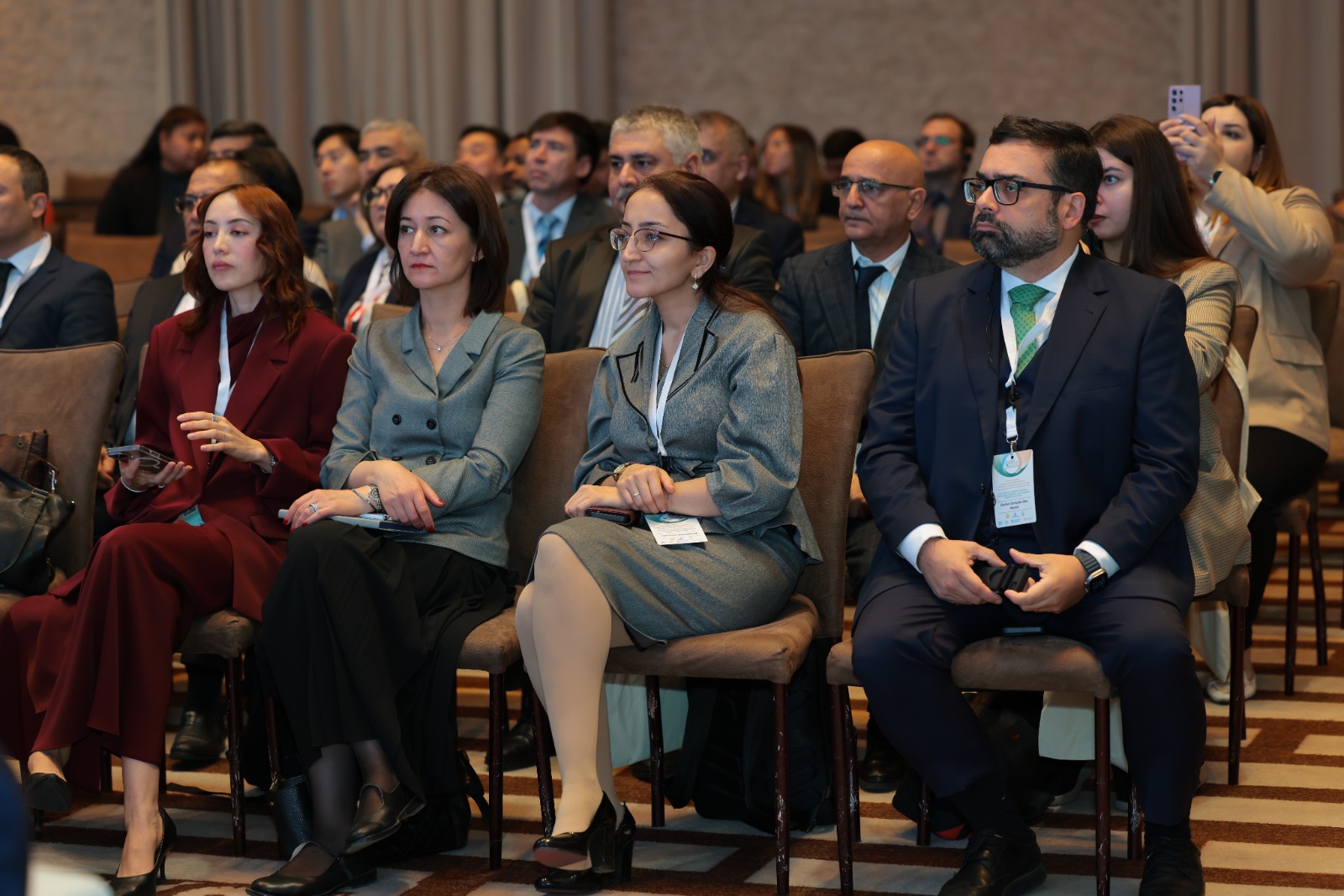
Dushanbe – Tajikistan – October 29, 2025 - The Government of the republic of Tajikistan, in partnership with the World Bank, the Regional Environmental Centre for Central Asia (CAREC), and the Quadripartite for One Health Organizations, including the Food and Agriculture Organization of the United Nations (FAO), the World Health Organization (WHO), the World Organization for Animal Health (WOAH), and the United Nations Environment Programme (UNEP), will host the Regional Conference on One Health for Pandemic Prevention, Food Systems Resilience, and Ecosystem Health in Central Asia in Dushanbe, on October 29-31, 2025.
Central Asian countries face significant health-related risks, including the emergence and reemergence of pathogens that affect both humans and animals (zoonoses), antimicrobial resistance (AMR), and food safety issues. Growing passenger transit and trade in agricultural products represent significant economic opportunities for the region, provided potential adverse health consequences are addressed. The migration routes of wild animals across Central Asia, land degradation, and climate change further exacerbate health risks. At this stage, the region lacks effective institutional mechanisms and infrastructure for the regional cooperation on zoonoses, AMR, and food safety.
The One Health approach is a collaborative, multidisciplinary framework that recognizes the close interconnection between human health, animal health, and the environment. It promotes coordinated efforts among doctors, veterinarians, environmental scientists, and policymakers to prevent and respond to health threats - especially those that can spread between animals and humans, such as zoonotic diseases (e.g., COVID-19, avian flu, rabies).
In November 2023, with the support of the World Bank and other development partners, representatives from the health, agriculture, and environment sectors of Central Asian countries endorsed the Regional One Health Framework for Action, laying the groundwork for multilateral cooperation.
Najy Benhassine, World Bank Regional Director for Central Asia, noted: “The One Health Program, financed through the World Bank’s Health Emergency Preparedness and Response (HEPR) Facility, focuses on pandemic prevention, preparedness, and response across Central Asia. Among its key objectives, the Program aims to help countries in the region strengthen public health and veterinary services at both national and regional levels, enhance the competitiveness of the agriculture sector, and expand trade in animals and food products within Central Asia and beyond. In doing so, it contributes to creating new and better jobs for the region’s rapidly growing population.”.
.jpeg)
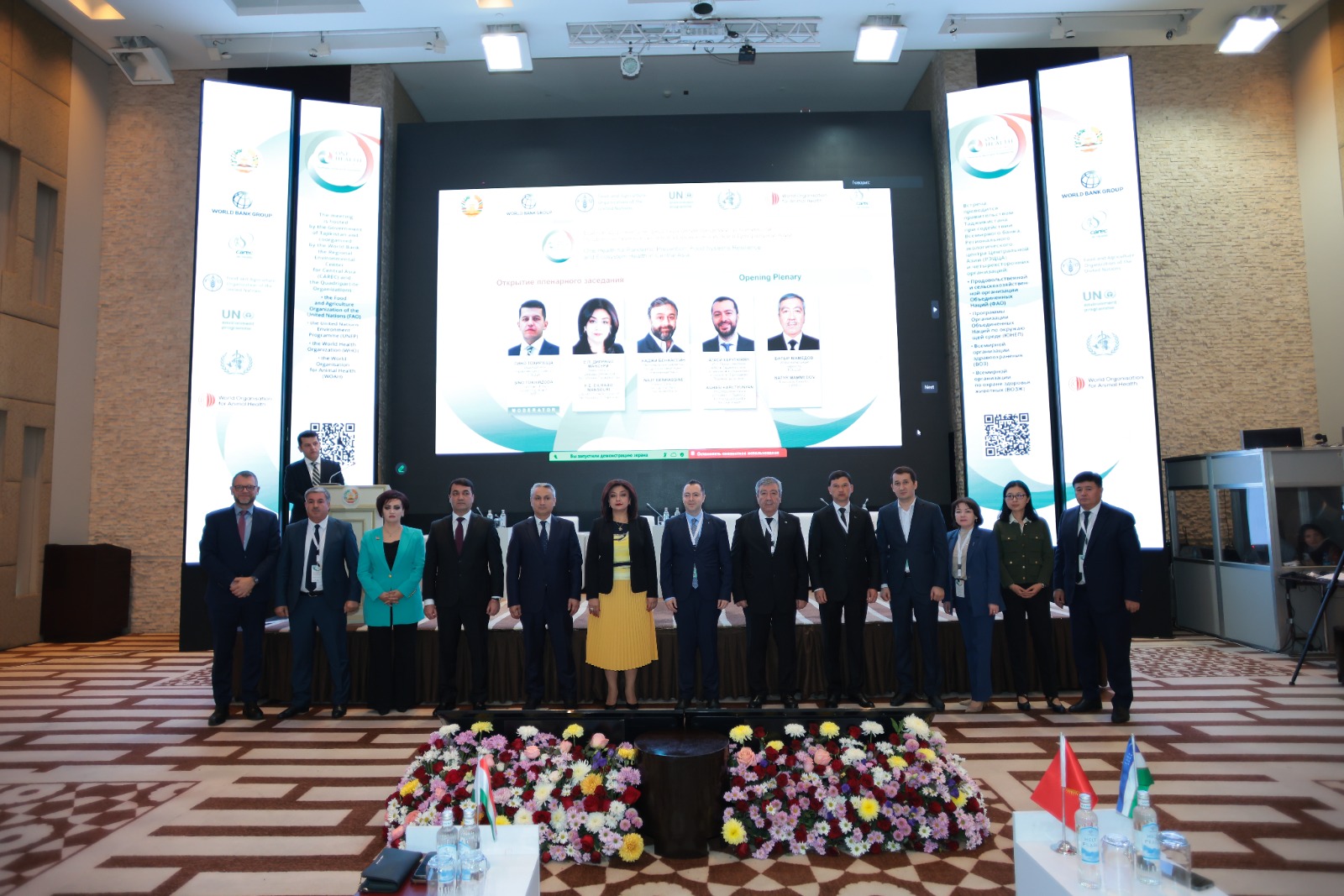
During the Dushanbe regional conference, the countries of Central Asia will officially launch the Regional One Health Program. They will also convene the first meeting of the Regional One Health Coordination Council (ROHCC), bringing together ministers, experts, and development partners from across Central Asia to strengthen collaboration at the intersection of human, animal, and environmental health.
The creation of the Regional One Health Coordination Structure (ROHCS) and its Secretariat in Almaty, Kazakhstan, hosted by CAREC, marks a significant milestone in advancing regional cooperation and institutional capacity.
“CAREC is honored to serve as the Regional Secretariat for the One Health Program in Central Asia. This initiative will allow our region to move from fragmented efforts to an integrated, forward-looking approach that connects health, ecosystems, and climate resilience,” said Dr Batyr Mammedov, Executive Director of CAREC.
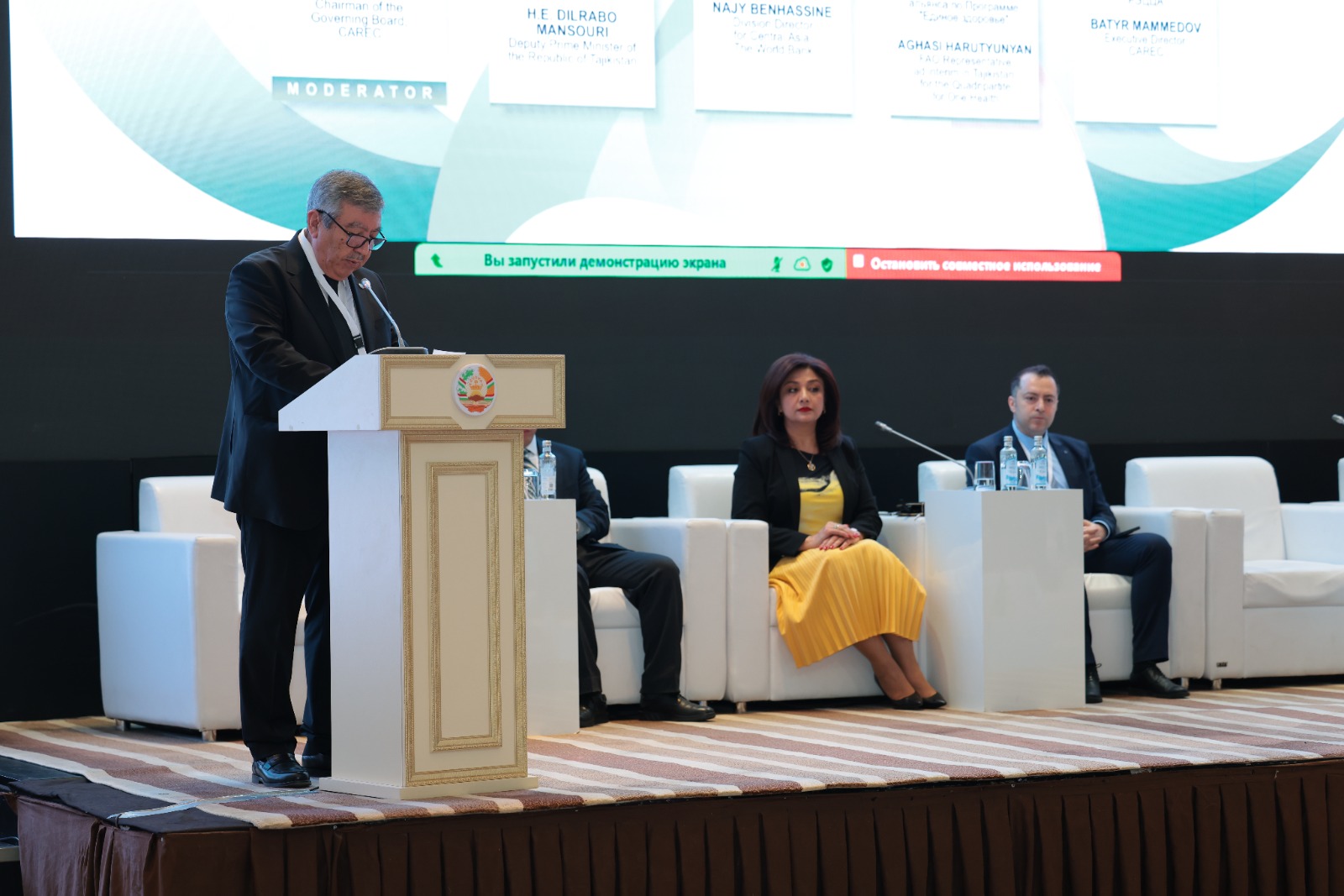
Namely, CAREC will help coordinate regional activities, promote scientific collaboration, and facilitate the exchange of knowledge, data, and good practices among the participating countries. The Secretariat will also serve as a hub for cross-sectoral learning, capacity building, and communication for the health, agriculture, veterinary, and environmental sectors.
The Regional One Health Portal will be presented during the conference. It will integrate data, training material and tools for early warning, monitoring and control of regional health threats. The initiative prioritizes gender equity, capacity building, and the inclusion of women professionals in leadership roles across sectors.
Knowledge development and sharing is an important element of the One Health Program. A scientific seminar will be held as part of the conference, bringing together leading researchers and technical experts from across the region and beyond to share scientific insights and innovations for implementing the One Health approach. Seminar participants will discuss topics ranging from zoonotic disease surveillance and antimicrobial resistance to the impacts of climate change on health, biodiversity, and food systems.
The Dushanbe conference is expected to highlight Central Asia’s commitment to collective action for a safer, healthier, and more resilient future, strengthening regional cooperation, scientific collaboration, and alignment with global climate and health priorities, as well as efforts to advance regional prosperity through the One Health Program.

Contacts:
Oxana Kravtsova - Regional One Health Programme Coordinator, CAREC, okravtsova@carececo.org
Irina Bubenko - Regional One Health Programme Specialist, CAREC, ibubenko@carececo.org
Regional Environmental Centre for Central Asia (CAREC)
Email: info@carececo.org | Website: www.carececo.org