

Tashkent – Uzbekistan - December 9, 2025 – In Tashkent, the Agency for Increasing Forests and Green Areas and Combating Desertification under the National Committee on Ecology and Climate Change of Uzbekistan hosted the Regional Dialogue on the Restoration of Landscapes in Central Asia on December 9–10, 2025.
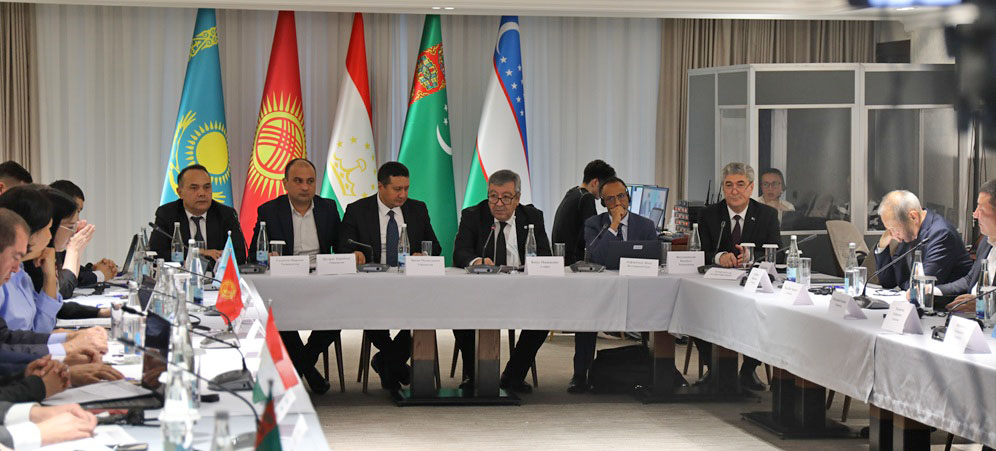
Government officials from Kazakhstan, the Kyrgyz Republic, Tajikistan, Turkmenistan, and Uzbekistan, together with international experts, discussed enhancing regional cooperation in forest management and transboundary landscape restoration. The event was held under the World Bank–funded Central Asia Resilient Landscapes Restoration Program (RESILAND CA+), the largest ecosystem restoration initiative in the region, which supports climate resilience across all five Central Asian countries through projects implemented by national authorities.
Land degradation in Central Asia, including deforestation, costs the region an estimated 6% of GDP, while the cost of inaction is six times higher due to the strong reliance of local economies on forests, agriculture, and other landscapes. The problem is most acute in border areas, and mountain terrains, where climate change is intensifying mudflows and floods, causing significant environmental and socioeconomic damage.
Harmonizing environmental and forestry policies across Central Asian countries is therefore critical for sustainable resource management, resilience and for balancing economic, social, and environmental priorities. Six harmonized policy documents have already been developed and have passed the first-round reviews by the countries participating in the RESILAND CA+ Program.
These draft international treaties address tourism in protected areas, biodiversity inventories, a transboundary ecological corridor management plan, a methodology on nature-based solutions in shared natural areas, the establishment of a wildfire early-warning system, and a Peace Park at the tripoint where the borders of the Kyrgyz Republic, Tajikistan, and Uzbekistan meet. Namely, the Peace Park aims to conserve ecosystems, promote ecotourism, support disaster risk reduction, and create economic opportunities for border communities.
During the Regional Dialogue in Tashkent, government officials reviewed the above-mentioned draft international treaties, paving the way for the launch of formal approval procedures in their respective countries and their subsequent adoption. They also examined sustainable forest management practices, successful examples of transboundary cooperation, and the relaunch of the RESILAND CA+ Regional Knowledge Platform, which supports Central Asian countries with capacity-building, technical assistance, and shared expertise to tackle regional environmental, climate, and land degradation challenges.
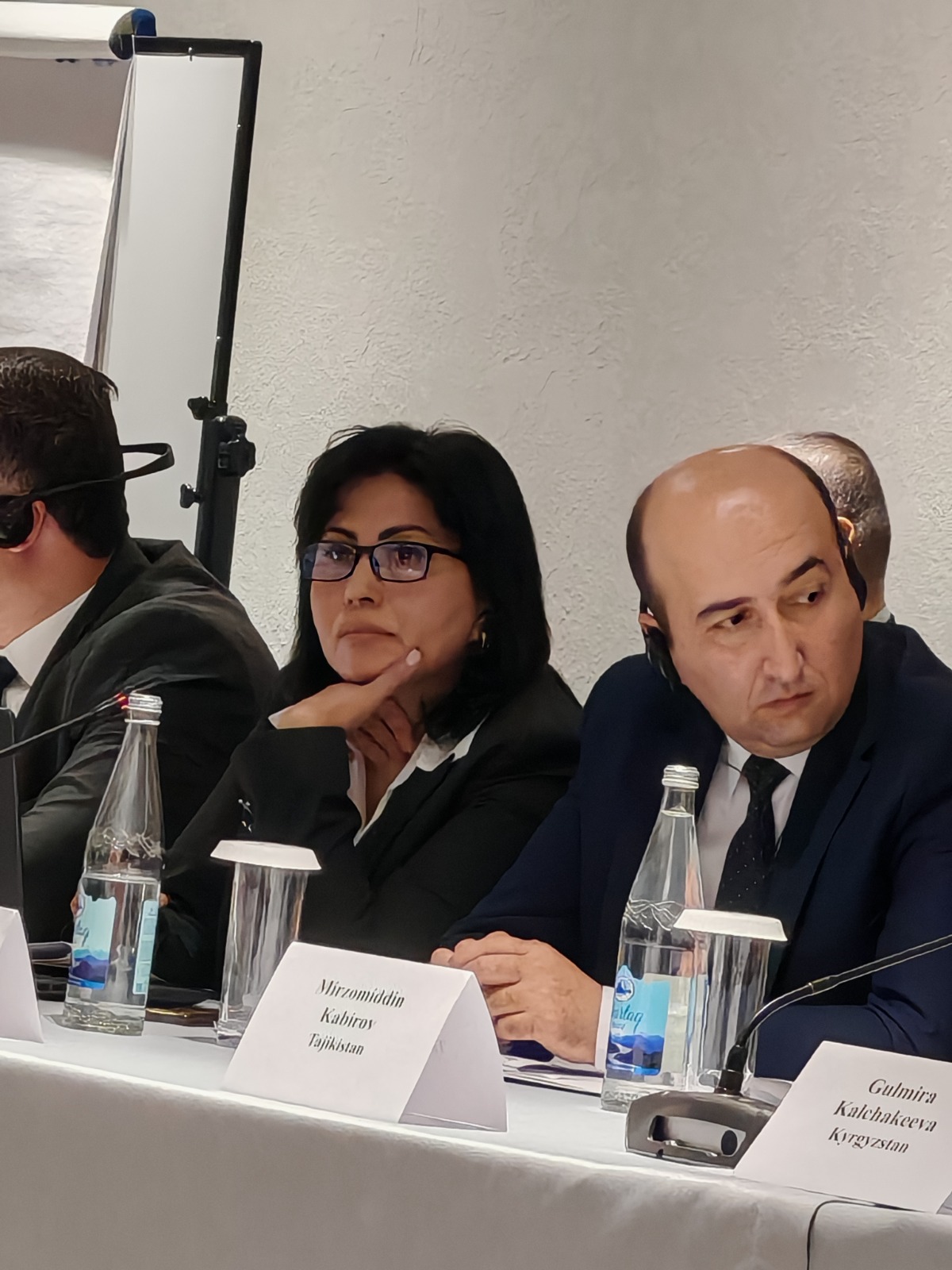

The RESILAND CA+ Program is currently being implemented in the Kyrgyz Republic, Tajikistan, and Uzbekistan. In Uzbekistan, the RESILAND CA+–will support restoration of more than 250,000 hectares of forest and rangeland. Six landscape restoration modalities and specialized nurseries have been established, along with slope terracing, the fencing of over 10 000 hectares, and ecotourism development in Zaamin National Park. These efforts support Uzbekistan’s goal under the 2018 Bonn Challenge to restore 1 million hectares of degraded land by 2030.
In the Kyrgyz Republic, the RESILAND CA+– project supports resilience of landscapes to hydrological events through introduction of integrated green-NBS-grey solutions in priority mudflow-prone landscapes, strengthening monitoring system for degraded land, glaciers and mudflows. It also promotes diversification of economic incomes of livelihoods through training in product branding, technological processes, packaging and marketing under One Village One Product initiative, as well as will apply green wager program for landscape restoration activities.
In Tajikistan, the RESILAND CA+–supported project has strengthened forest and pasture management by modernizing a key research laboratory, training over 600 specialists, restoring or planting more than 6,400 hectares of forests, and establishing about 30 hectares of nurseries. Over 700 joint forest management groups have been created. The project has also contributed to drafting a new Environmental Code and amendments to the Forest Code, and supported the first National Forest Inventory since 1989. In addition, it promotes gender inclusion through scholarships for 15 female students pursuing environmental studies and support for around 750 community groups focused on women and livestock management.

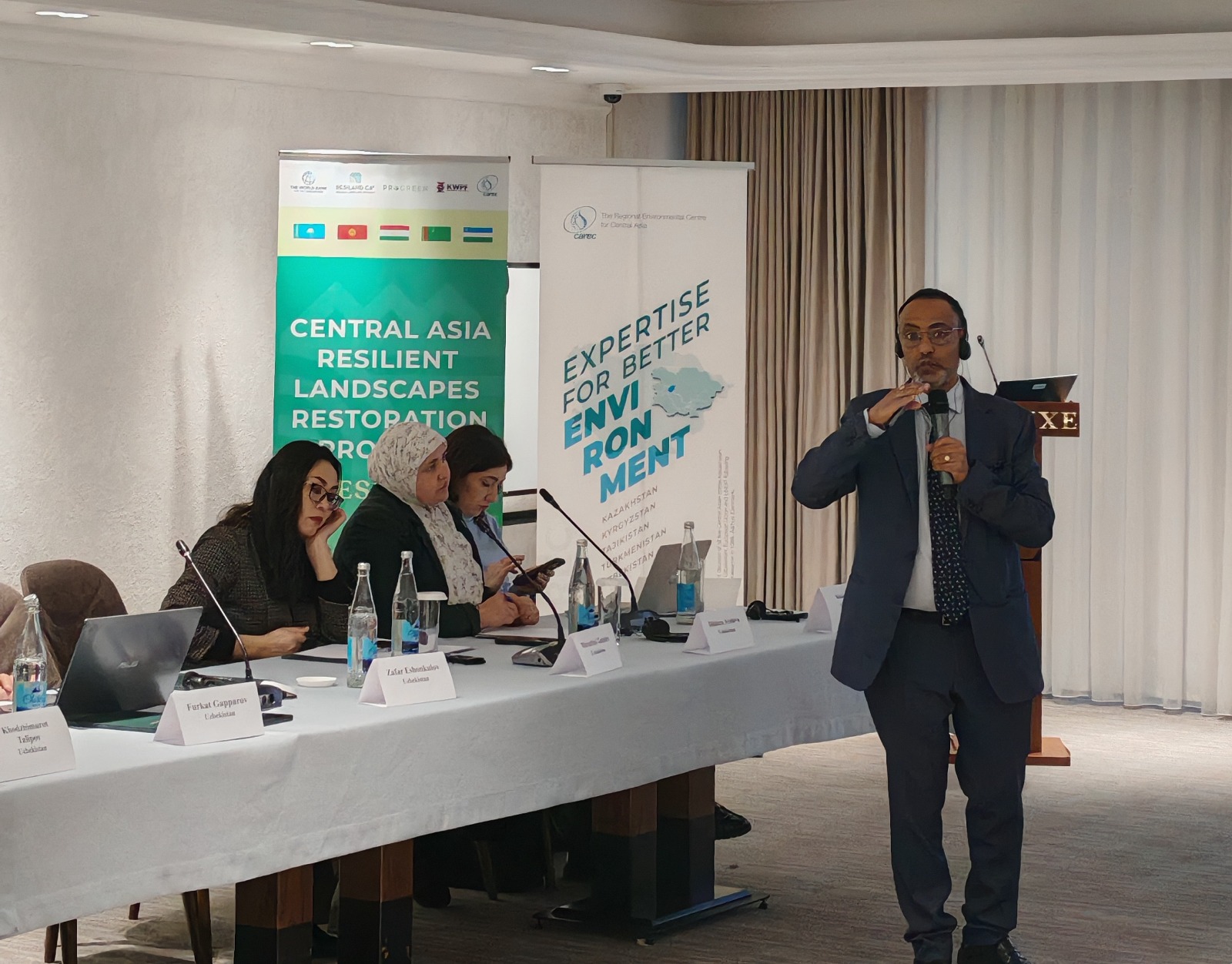
The above-mentioned activities in the three countries contribute to regional cooperation, shared online platforms, and harmonized policies, reinforcing Central Asia’s collective efforts to build resilient landscapes for people and nature across the region.
Additional information:
Azamat Kauazov - Deputy Team Leader of Uzbekistan Resilient Landscape Restoration project: regional component, CAREC
Dilovarsho Dustzoda — Deputy Team Leader of the Project Implementation Group for “Sustainable Landscape Restoration in the Republic of Tajikistan: Regional Component”, CAREC
Lyudmila Kiktenko – Deputy Team Leader, “Restoration of Sustainable Landscapes in Kyrgyzstan: Regional Component” Project, CAREC