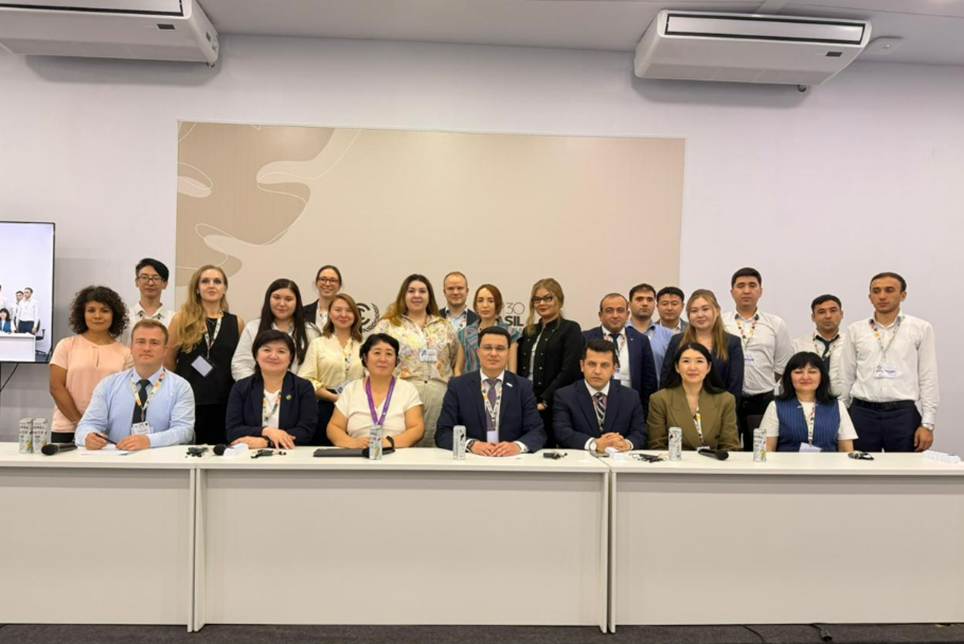
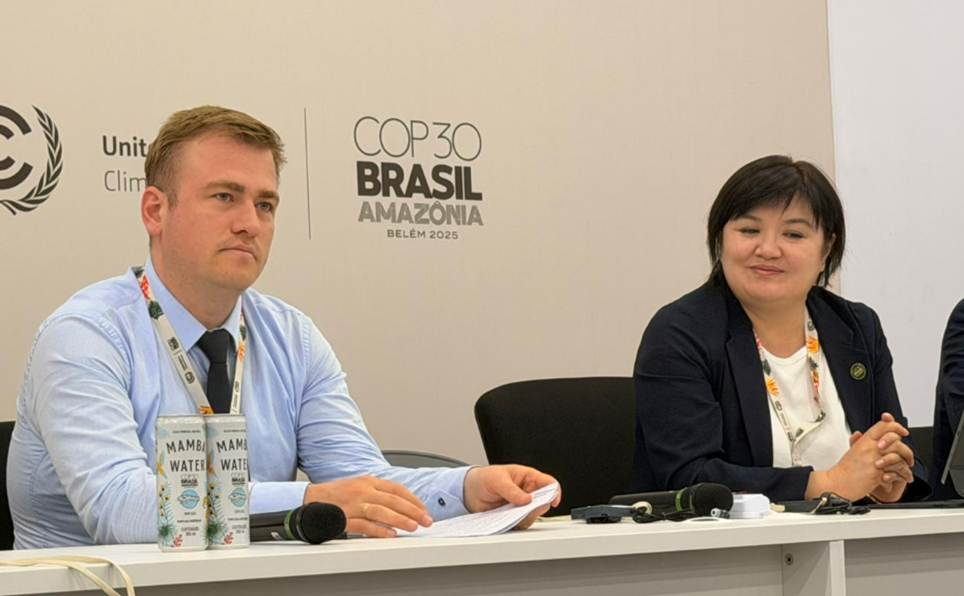
Belém - Brazil - November 15, 2025 – In the framework of the 30th Conference of the Parties (COP-30) to the UN Framework Convention on Climate Change (UNFCCC), a high-level event dedicated to climate action in Central Asia was held. The event, titled “From Pledges to Progress: Central Asia's Climate Action through Nationally Determined Contributions (NDC 3.0), Methane Mitigation, and Regional Initiatives,” was organized by the Regional Environmental Centre for Central Asia (CAREC) and the Ministry of Natural Resources, Ecology, and Technical Supervision of the Kyrgyz Republic.
The session was opened by Ms. Dinara Amanturovna Kemelova, Special Representative of the President of the Kyrgyz Republic on the Mountain Agenda, who emphasized the importance of regional solidarity. The event was attended by official representatives from four Central Asian countries: Kazakhstan, Kyrgyzstan, Tajikistan, and Uzbekistan. Turkmenistan is expected to join the Conference of the Parties at a later stage.
Advancing the Mountain Agenda on the Global Stage
In her speech, Ms. Kemelova presented the systematic work of the Kyrgyz Republic to integrate the interests of mountain countries into the UN climate agenda. She highlighted active participation in key events since COP29, including consultations with the COP Presidencies, joint events with the Mountain Partnership Secretariat, and the promotion of the Declaration on Climate Change, Mountains, and Glaciers. Particular attention was paid to the strategic goal of strengthening the role of mountain ecosystems within UNFCCC processes, including through efforts to establish a negotiating "Mountain Group." Significant steps were noted, such as the recognition of mountain ecosystems in the "Baku-Belém" Roadmap and the ongoing work to update the UN General Assembly resolution on sustainable mountain development. An announcement was also made regarding preparations for the Second Bishkek Global Mountain Summit, scheduled for October 2027.
Strengthening Climate Ambition through NDC 3.0
During the panel session, the discussion centered on the countries' presentation of their updated Nationally Determined Contributions (NDC 3.0). Participants detailed the development process, which was based on inclusive consultations with government bodies, the scientific community, and the private sector. The new commitments place special emphasis on the integration of adaptation measures and the mobilization of climate finance. The updated NDCs involve improving monitoring, reporting, and verification (MRV) systems, developing institutional mechanisms, and strengthening readiness to meet the requirements of the Enhanced Transparency Framework (ETF) of the Paris Agreement.
Methane as a Priority for Short-Term Climate Action
A significant part of the discussion was devoted to strategies for mitigating methane—a greenhouse gas with a significant global warming potential. The diverse sectoral priorities of the countries were noted: Kazakhstan and Uzbekistan are focused on measures in the oil and gas sector, while Kyrgyzstan and Tajikistan are emphasizing agriculture and waste management.
In his speech, Mr. Mansur Oshurbaev, Vice-Minister of Ecology and Natural Resources of the Republic of Kazakhstan, stated: “Kazakhstan has joined the Global Methane Pledge and is systematically working to create a regulatory framework. We are developing regulations for the oil and gas and coal sectors, and in cooperation with the Global Methane Hub, we are beginning to develop a National Methane Mitigation Program.”
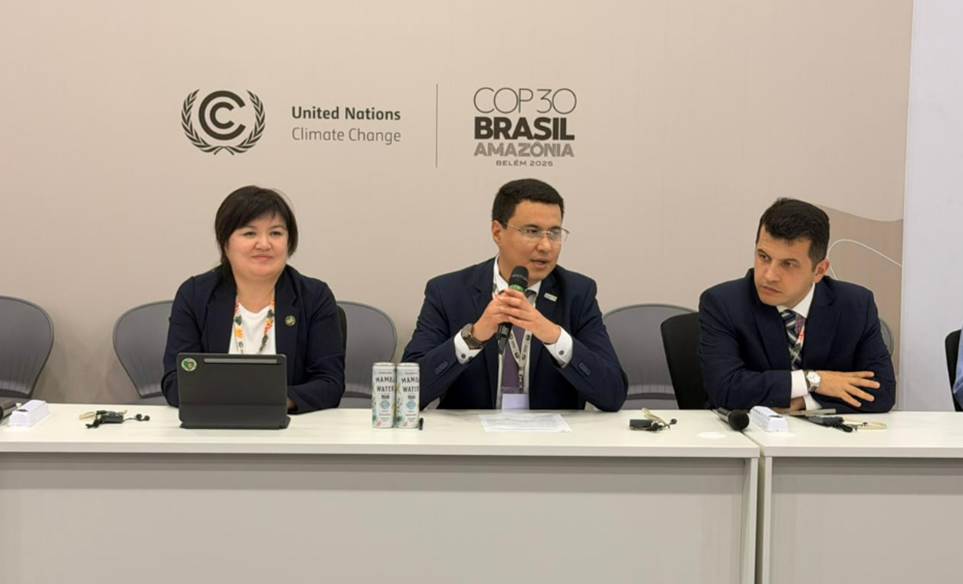
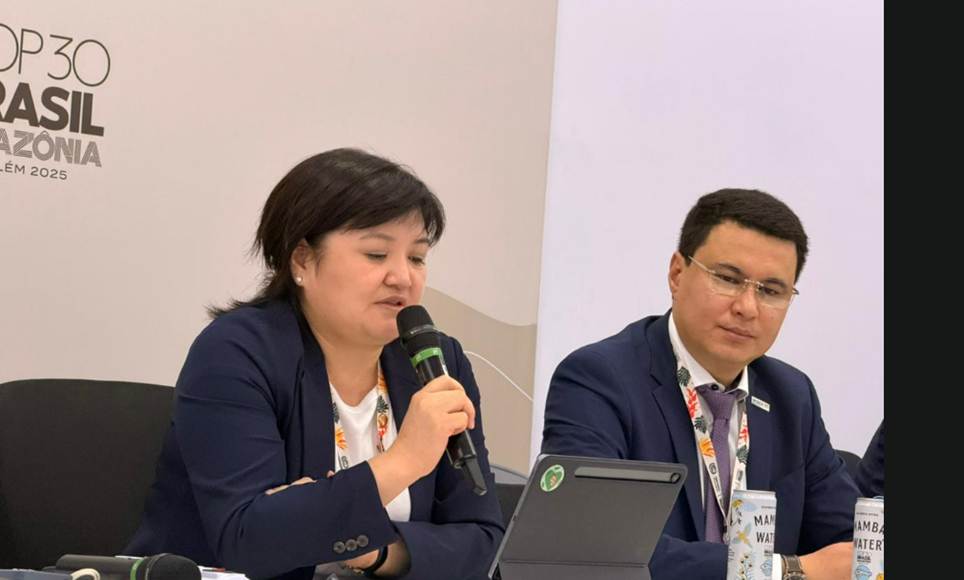
Event participants specifically highlighted the key role of support from the Global Methane Hub in implementing regional projects, such as CA CBMER. It was emphasized that this work significantly contributes to the capacity building of the region's countries by fostering the development of national emission inventory systems, improving the legal and regulatory framework, and strengthening cross-country and inter-sectoral dialogue on platforms provided by CAREC.
Currently, the countries of the region are working to strengthen the legal and regulatory framework and attract investments to implement methane mitigation projects included in NDC 3.0.
Regional Cooperation as a Catalyst for Progress
Participants underscored the critically important role of regional initiatives in enhancing the effectiveness of climate policy. The work of the Regional Climate Action Transparency Hub (ReCATH) and the CA CBMER initiative, implemented with the support of the Initiative for Climate Action Transparency (ICAT), was noted. These programs contribute to capacity building, joint workshops, peer reviews, and the development of harmonized methodologies.
“We are convinced that Central Asia can become an example of how regional initiatives—uniting political will, scientific knowledge, and investment—can transform climate pledges into concrete results,” added Mr. Oshurbaev.
Shaping the Regional Climate Architecture
The session featured key initiatives that form the basis for future regional cooperation:
● Kazakhstan announced preparations for the Regional Environmental Summit and the CACCC 2026 conference in Astana.
● Kyrgyzstan presented the development of the Global Mountain Dialogue for Sustainable Development.
● Tajikistan spoke about the promotion of the National Glacier Program and the cryosphere protection partnership.
● Uzbekistan shared measures to strengthen the "green transition" and expand international cooperation.
Participants also discussed plans for high-level regional conferences in 2026 and 2027, aimed at further consolidating a common climate agenda.
The event served as an important platform for strengthening regional dialogue, exchanging best practices, and developing coordinated approaches to implementing climate commitments, thereby enhancing Central Asia's role in global climate processes.
Contact Information:
Oxana Kravtsova - Manager, "Environment and Health" Program, CAREC, okravtsova@carececo.org