
The Uzbekistan Resilient Landscape Restoration Project (RESILAND Uzbekistan) has strengthened its work on processing community grievances and preparing new livelihood-support initiatives in regions where land restoration activities are nearing completion, project representatives said following a series of field visits to the Syrdarya, Jizzakh, Samarkand, Surkhandarya, and Kashkadarya regions.
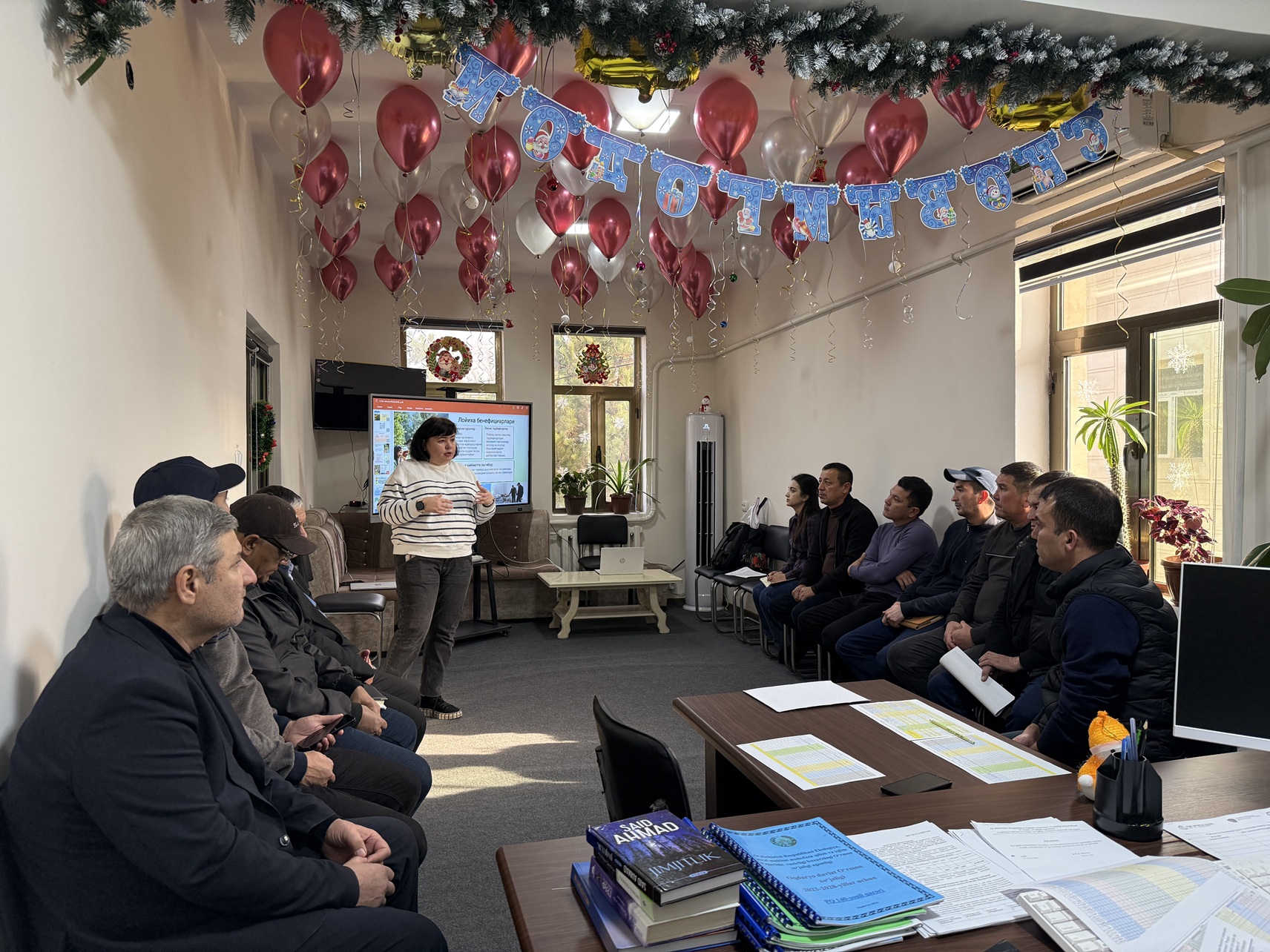
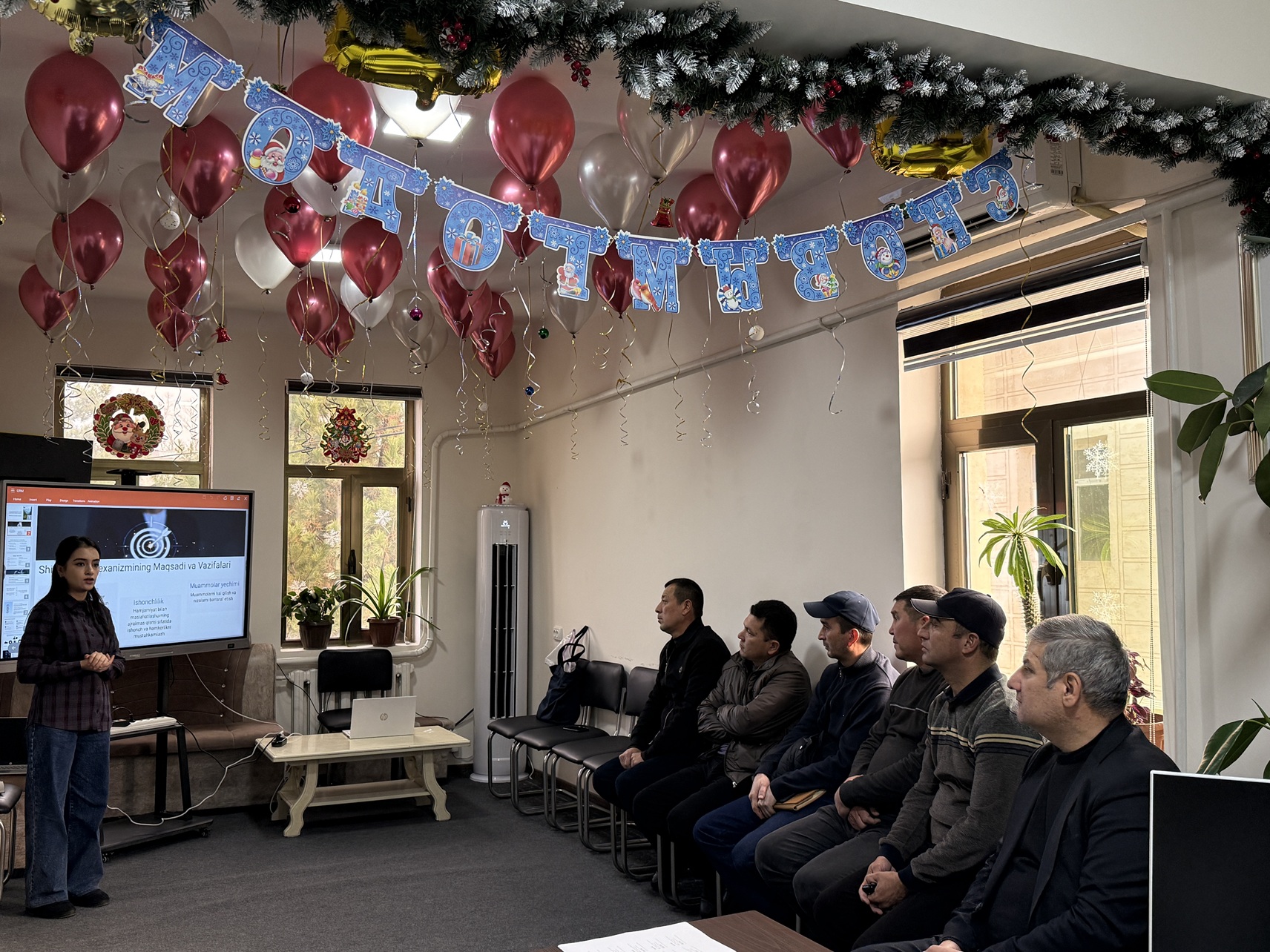
Experts under Component 2 of the project, Enhance Resilient Landscapes and Livelihoods — including specialists in business development, sociology, gender, and environmental safety — presented to local authorities the project’s Grievance Redress Mechanism (GRM), aligned with World Bank standards. In cooperation with the Uzbekistan Agency for Increasing Forests and Green Areas and Combatting Desertification, an anonymous call center has been launched, and more than 300 forestry enterprise staff have been trained to manage grievances.
According to the project team, no complaints regarding delays have been received to date. However, under Component 2, more than 38,500 hectares of pastureland have been fenced, and 15,000 hectares have undergone terracing, requiring temporary restrictions on livestock grazing. These measures may reduce household incomes in some communities.
 T
T
o assess the social impacts, a social screening process is underway. In each mahalla, 20 households most affected by the restrictions are identified. The data will be shared with specialists responsible for developing alternative livelihoods. New business opportunities for vulnerable groups — including persons with disabilities and single women — will be supported through grants under the Korea–World Bank Partnership Facility (KWPF) and the Global Partnership for Sustainable and Resilient Landscapes (PROGREEN) totaling US$6 million..
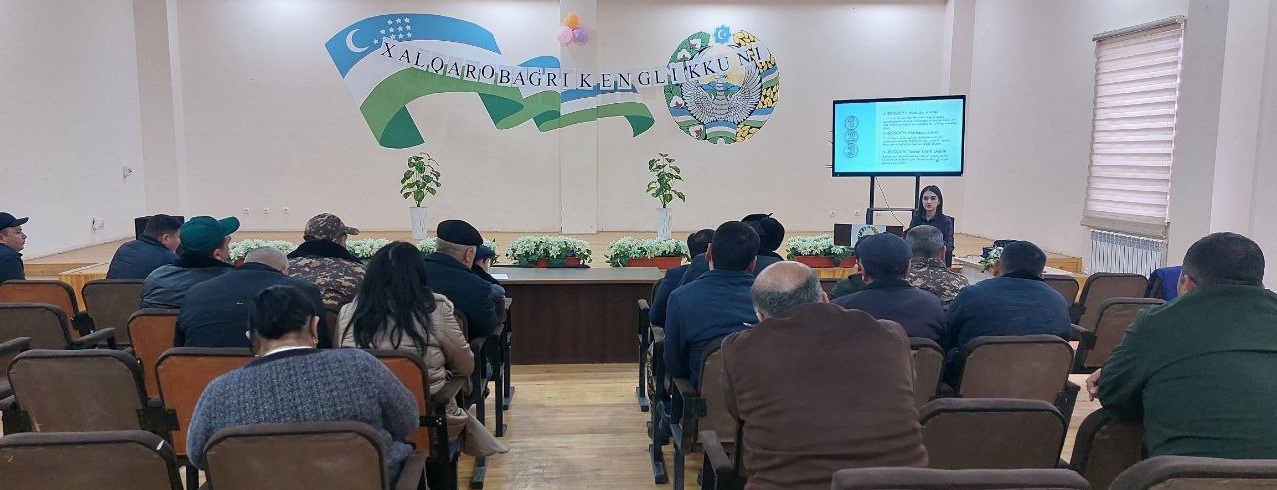
At the same time, the RESILAND Uzbekistan team has helped strengthen environmental safety practices. Forestry enterprises have received training on managing garages, service areas, and oil-change facilities for heavy machinery. Approximately US$39 million has been allocated for purchasing tractors, bulldozers, and other equipment under the project.
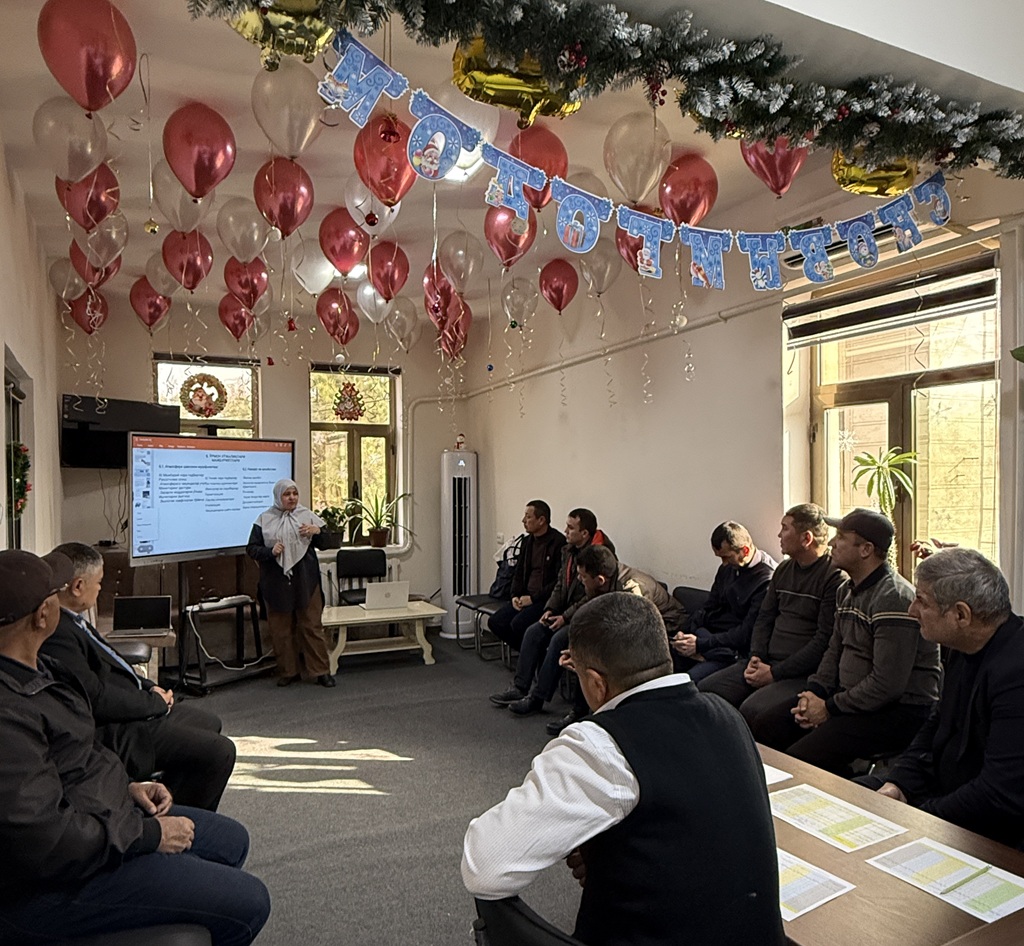
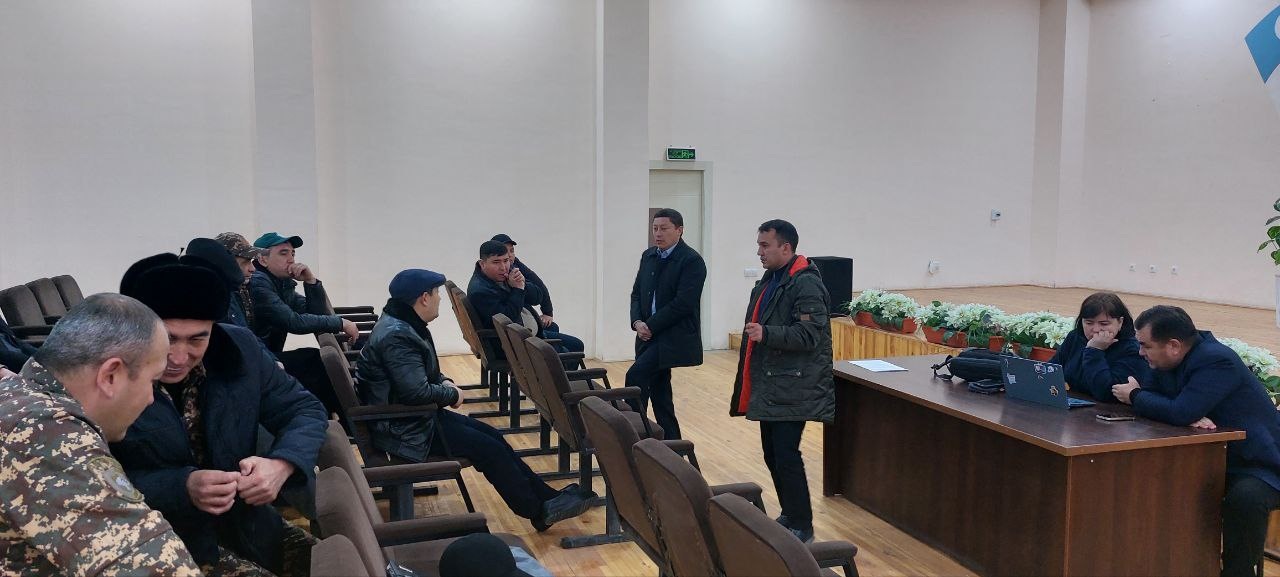
The project’s environmental safety specialist, Dildora Aralova, conducted a study tour for mechanics and forestry managers, outlining World Bank and national requirements for operating heavy machinery, maintaining equipment under harsh climatic conditions, and ensuring proper waste disposal.
-----
The Uzbekistan Resilient Landscape Restoration Project is part of the World Bank’s RESILAND CA+ program, aimed at strengthening landscape resilience across Central Asian countries. Similar national and regional activities are also being implemented in Kyrgyzstan and Uzbekistan.
RESILAND Uzbekistan is implemented by the Agency for Afforestation, Expansion of Green Areas, and Combating Desertification under the Ministry of Ecology, Environmental Protection, and Climate Change of the Republic of Uzbekistan, with financial support from the World Bank, PROGREEN, and KWPF.
The Regional Environmental Centre for Central Asia (CAREC) implements the regional component of the Uzbekistan Resilient Landscape Restoration Project.
Contact information:
Asferachew Abate– Senior Environmental Specialist at The World Bank
Azamat Kauazov - Deputy Team Leader of Uzbekistan Resilient Landscape Restoration project: regional component, CAREC