

Component 1: Strengthening Institutions, Policy, and Regional Cooperation
Subcomponent 1.1. Institutional and Policy Strengthening
Under this subcomponent, the project continued its efforts to strengthen the institutional capacity of key partners and advance the development of essential policies. During the reporting period, necessary equipment was delivered, office renovations were completed, capacity-building programs were implemented, and other targeted activities were carried out.
The Institute of Livestock and Pasture of the Academy of Agricultural Sciences of Tajikistan was equipped with tools and instruments to support pasture management and conduct experimental research.
The Tajik Agrarian University received modern laboratory and classroom equipment.
The laboratory of the State Unitary Enterprise “Tajikzaminsoz” under the Committee for Land Management and Geodesy of the Republic of Tajikistan was equipped with specialized instruments to enhance its technical capacity.
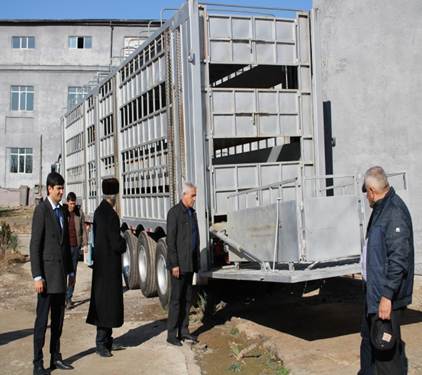
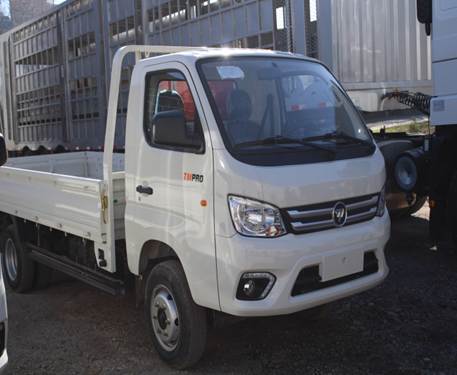
To improve logistics and veterinary services, the Pasture Reclamation Trust under the Ministry of Agriculture of the Republic of Tajikistan received three cargo trucks (each with a capacity of 400–500 small ruminants) and fifty veterinary motorcycles. Rehabilitation works were completed for four administrative buildings of the State Forestry Enterprise, three facilities of the Pasture Reclamation Trust, and two offices serving protected natural areas.
To promote gender inclusion, fifteen scholarships were awarded to girls from target regions, including four students with disabilities and orphans, to study in fields such as agronomy, biodiversity, pasture management, forestry, and ecology.
In addition, two PhD students received grants to pursue studies in Pasture Management within the framework of cooperation between the Project Implementation Center and the Institute of Livestock and Pastures.
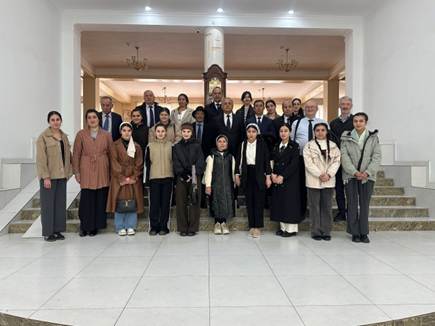
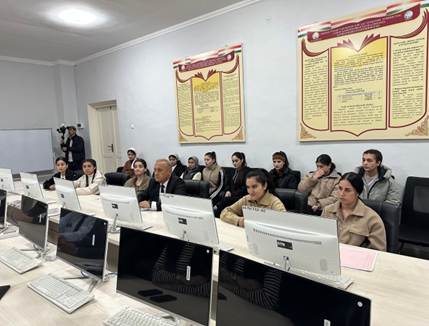
The skills of 277 representatives of local and state authorities were enhanced through participation in national and international training programs on landscape management and related topics.
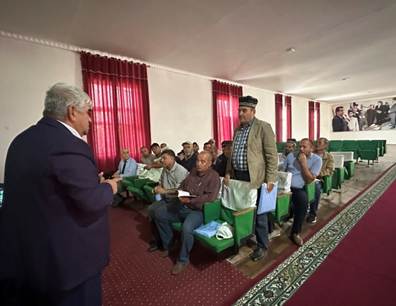
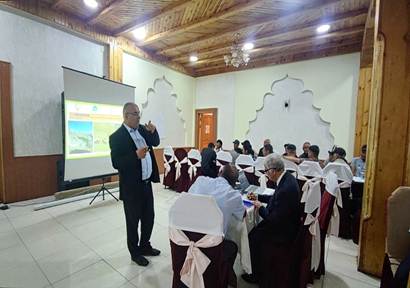
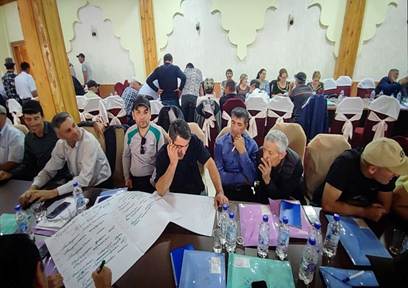
In line with the agreement signed with the public organization “Peshsaf”, from July to October 2025, training sessions on pasture management were conducted in ten target districts of the project.
The training aimed to raise awareness among members of Pasture Use and Protection Regulation Commissions and Pasture Users’ Unions (PUUs).
In accordance with Article 20 of the Law of the Republic of Tajikistan “On Pastures,” each local executive authority is obliged to establish such a commission under the leadership of the First Deputy Head of the district.
During the sessions, participants received copies of the updated Law “On Pastures” and the simplified manual “Procedures, Carrying Capacity Norms, and Terms of Pasture Use, as well as Measures to Prevent Overgrazing.”
The trainings were organized in close cooperation with the Pasture Reclamation Trust of the Ministry of Agriculture of the Republic of Tajikistan.
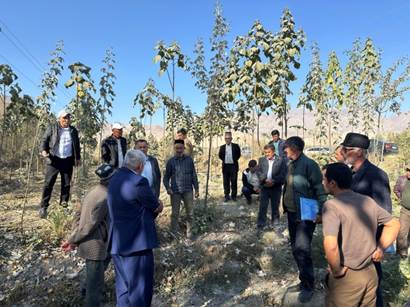
During the reporting period, the project took additional steps to strengthen the institutional and technical capacity of key partners in the field of sustainable forest management.
In collaboration with the NGO “Peshsaf,” four training modules were developed and approved with the participation of the Forest Agency under the Government of the Republic of Tajikistan and project experts:
- Forest Ranger Training Course
- Course for Engineers and Technical Forestry Staff
- Advanced Professional Development Course for State Forestry Employees
- Training for Technical Personnel
These programs are designed to enhance the competencies of forestry professionals—from field staff to institutional managers—for effective implementation of sustainable landscape management principles.
Additionally, together with “Peshsaf,” two supplementary training modules were developed to improve the legal literacy of pasture users and to promote joint natural resource management practices:
- Module 1 — Raising Awareness of Pasture Users about the Law of the Republic of Tajikistan “On Pastures”
- Module 2 — Joint Pasture Use and Enhancing the Efficiency of Forest and Pasture Resource Users
Both modules were reviewed and approved by project specialists and experts from the Pasture Reclamation Trust.
Moreover, as part of the training, the legal framework of the Trust was strengthened — accounting principles were introduced, banking and tax mechanisms were updated, and staff legal literacy was enhanced.
Following the approval of the modules, seminars were planned for eight State Forestry Enterprises, one nursery, and sixty-four Pasture Users’ Unions in the ten target districts of the project.
Development and Improvement of Key Policies
The project made a significant contribution to the development of major regulatory acts in the fields of ecology, forestry, and pasture management:
- Environmental Code of the Republic of Tajikistan — prepared by an interdisciplinary expert group and currently at the final review stage. It includes two parts, three sections, forty chapters, and 584 articles. The Code consolidates provisions from 17 laws and international agreements, regulating legal, economic, and environmental relations.
- Forest Code of the Republic of Tajikistan — with the participation of NGO “Peshsaf,” mechanisms for sustainable forest and pasture use were developed, including limits for wild plant harvesting, hunting quotas, and the procedures for forest inspector activities. Amendments were introduced to administrative codes, and the provision of paid services and the structure of the Pasture Reclamation Trust were regulated.
- Law “On Pastures” — reissued in a new edition and disseminated among all stakeholders and PUU representatives to enhance legal literacy and promote active user engagement in sustainable resource management.
- Action Plan of the National Greening Program until 2040 — developed with the participation of sectoral agencies and approved by the Government of the Republic of Tajikistan. The Committee for Environmental Protection coordinates implementation activities, including projects aimed at developing green infrastructure, increasing forest cover, and strengthening climate resilience.
Subcomponent 1.2. Strengthening Regional Cooperation
In accordance with Consulting Services Contract No. TRLRP-CS-DS-01 dated May 3, 2024, between the Center for the Implementation of Investment Projects (CIIP) of the Committee for Environmental Protection under the Government of the Republic of Tajikistan (CEP) and the Regional Environmental Centre for Central Asia (CAREC), a series of activities were implemented during the reporting period to strengthen regional cooperation.
Key achievements:
- A Communication Strategy for the RESILAND CA+ Program was developed and extended to the regional level, including a dedicated section on crisis communications.
- During the CACCC-2025 Conference (Ashgabat), project sessions were featured in leading media outlets (“Asia-Plus,” “Fergana.ru”); video reports and publications were prepared for the World Day to Combat Desertification.
- The RESILAND Knowledge Management Strategy was developed; the CACIP Regional Knowledge Portal was tested and updated, now hosting around 500 materials (in Russian and English), including studies, reports, and best practices.
- Six project documents on transboundary cooperation (eco-tourism, biodiversity, monitoring, wildfire prevention, etc.) were prepared and shared with feedback from Tajikistan and Turkmenistan.
- The 3rd Regional Advisory Committee (RAC) meeting was held as part of CACCC-2025, bringing together 24 representatives of governments and international organizations.
- A study visit to Spain (March 3–7, 2025) was organized for leaders of Tajikistan’s Protected Areas to study Spain’s experience in biodiversity management, ecotourism, and environmental education.
Monitoring and Evaluation (M&E)
Particular attention was given to establishing a systemic approach to Monitoring and Evaluation (M&E). A prototype M&E system for the RESILAND Tajikistan Project was developed, incorporating data collection, analysis, and visualization of key indicators. This improved the transparency and efficiency of decision-making processes.
Component 2: Enhancing Landscape Resilience and Livelihoods
Subcomponent 2.1. Forest Restoration and Sustainable Forest Management
National Forest Inventory (NFI)
Activities for the implementation of the National Forest Inventory (NFI), launched in September 2024 under a contract valued at US$1.5 million, continued successfully in accordance with the Project Operations Manual and the approved work plan.
The implementation is carried out in close collaboration with key national partners — the Forest Agency, the State Enterprise “Aerogeodesy-Dushanbe”, the Tajik Forestry Group, and experts in land cadastre and geotechnology.
During the reporting period, significant progress was made in land use mapping and in the implementation of the inventory process itself. The consortium is assessing forest cover and classifying land use nationwide. Spatial datasets are being developed, including:
· Raster layers (forest cover maps with geobotanical classification, zoning, tree height maps, and Sentinel-2 data), and
· Vector layers (updated boundaries of the State Forest Fund, administrative divisions, vegetation zones, locations of sample plots, afforestation-suitable areas, and GEDI satellite data).
At the regional level, mapping activities have been fully completed; forest and flora maps have been finalized, and the tree height map is 90% complete. Verification of high-resolution satellite data is ongoing.
All spatial datasets are expected to be finalized and transferred to the Forest Agency and the RESILAND GRP Program by October 2025. A temporary web map version is available at https://forest.geodesy.tj. Development of a dedicated Forest Geoportal is also underway.
As part of the NFI, 55% of permanent sample plot measurements across the regions have been completed. To support field data collection, the SMART FOREST TOOL (SFT) was developed and localized with a Tajik-language interface, adapted for use by field specialists and forest rangers.
Forest Management Plans
During the reporting period, eight forest sites and one nursery were identified for the development of forest management plans.
A set of technical guidelines and methodological instructions was prepared, including:
· Guidelines for satellite image classification,
· Field data collection procedures,
· Use of laser scanners, and
· A manual on preparing forest management plans.
For the development and implementation of the plans, the project engaged the local NGO “Peshsaf,” which works in close collaboration with the Forest Agency and “Aerogeodesy-Dushanbe.”
Forest Restoration and Sustainable Use
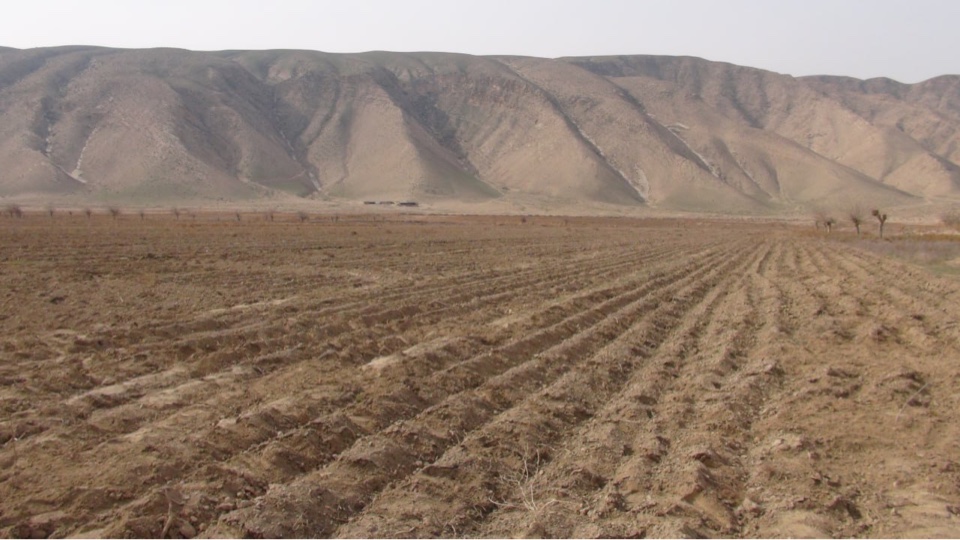
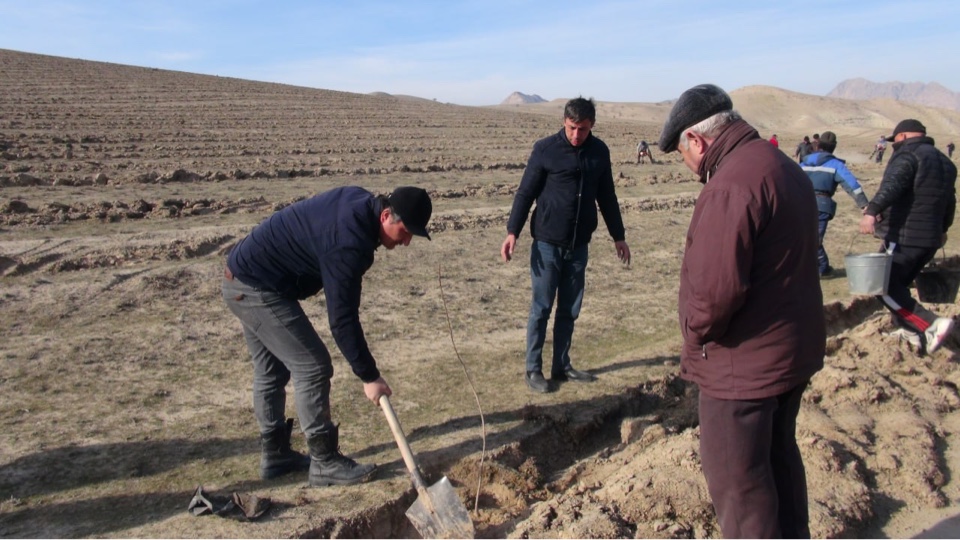
During the reporting period, efforts focused on joint forest management and rehabilitation of degraded areas, including the establishment of plantations of pistachio, poplar, fruit trees, and saxaul; implementation of measures for natural and artificial regeneration; installation of protective fencing; and soil improvement.
The project also organized training sessions on preventing illegal logging, forest fires, pest and disease control, and improving the qualifications of forestry staff.
Particular attention was given to women’s participation and leadership development in forest management.
Forest Nurseries
In cooperation with stakeholders, land plots for nurseries were identified.
Currently, 29.3 hectares have been developed out of 45 hectares planned — including 25.5 ha of household nurseries and 4 ha of farmer nurseries.
The goal is to ensure the availability of seedlings for afforestation and to create additional income sources for rural communities.
Natural Regeneration
The project supported forestry enterprises in restoring 4,417 hectares of State Forest Fund land through natural regeneration and enrichment planting with native species.
Afforestation and Fuelwood Plantations
Within the Joint Forest Management (JFM) Program, 181 forest user associations were established. Local communities received forest plots under 20-year lease agreements for restoration and sustainable use.
Pistachio, almond, poplar, paulownia, and saxaul trees were planted.
During the reporting period, 1,502 hectares were afforested (out of 4,120 ha planned), including 252 hectares
designated for fuelwood plantations.
Challenges
Implementation faced several challenges, including:
· Shortage of qualified specialists,
· Difficult mountainous terrain,
· Seasonal limitations,
· High staff turnover, and
· Low levels of digital literacy.
Additional difficulties were encountered in obtaining land certificates and the absence of an approved nursery development plan.
Subcomponent 2.2. Integrated Pasture Management and Restoration
Under the technical supervision of the Pasture Reclamation Trust of the Ministry of Agriculture of the Republic of Tajikistan, the following activities were successfully implemented:
· Geobotanical studies and pasture inventory – technical terms of reference were prepared; field research is planned for the next year.
· Demonstration plots for forage crops – activities were carried out on 215 hectares in the districts of Shahritus, Kubodiyon, Ayni, and Panjakent. Seed funds were established to ensure sustainable seed exchange among Pasture Users’ Unions.
· In 2025, sowing of forage crops continued on 184 hectares, and seeds of saxaul, kochia, shuvak, and djogon were procured.
Pasture and Livestock Management Plans
A total of 64 Pasture Management Plans were developed and implemented through subgrants to 50 new and 14 existing strengthened Pasture Users’ Unions (PUUs).
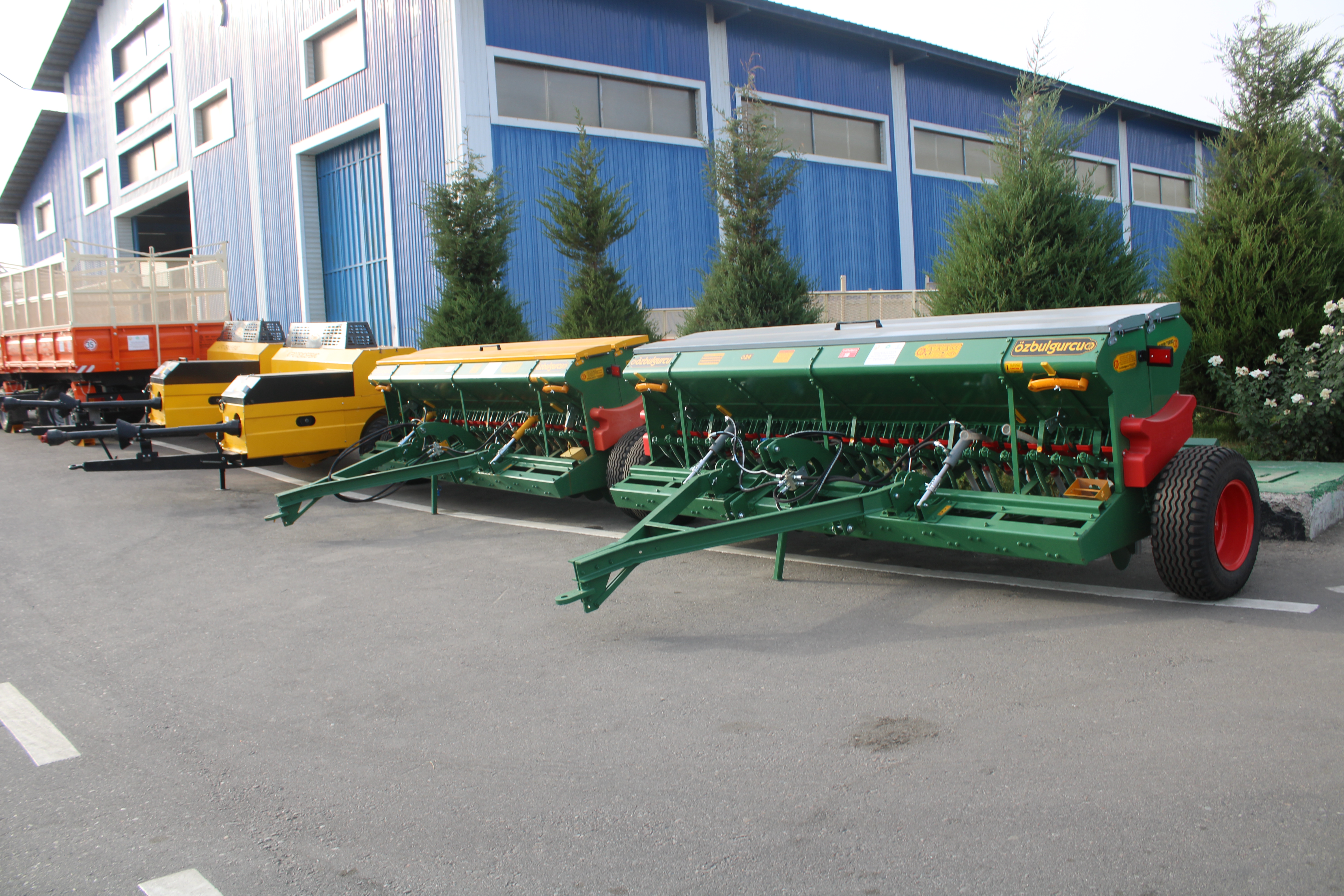
All PUUs were provided with mobile offices and equipment.
In total, 27,718 hectares of pastures were rehabilitated, with improved access roads, watering points, and productivity.
Women represented 40% of total beneficiaries — 139,680 women out of 340,683 participants.
Subcomponent 2.3. Protected Areas Management and Biodiversity Conservation
During the reporting period, management plans were approved for four protected areas:
· Tajik National Park,
· Zorkul Reserve,
· Beshai Palangon Reserve, and
· Yagnob National Park.
Measures were implemented to strengthen the material and technical base, including the procurement of equipment, drones, and cameras, as well as irrigation and ecosystem restoration works.
Work is ongoing to install protective fencing in Tigrovaya Balka, Yagnob National Park, and Tajik National Park, with completion planned for December 2025.
Subcomponent 2.4. Landscape Restoration and Livelihood Improvement
The project actively promotes the establishment and development of Common Interest Groups (CIGs).
A total of 748 groups were formed, comprising 20,359 participants, of whom 43% are women. Women lead 82 groups (11%).
Subgrants (up to US$10,000 each) were allocated to combat land degradation, salinization, and erosion, and to improve agricultural income and resilience.
By June 2025, US$3,609,346 were disbursed to men and US$540,985 to women beneficiaries.
A total of 8,314 hectares of land were improved out of 15,000 hectares planned.
Component 3: Project Management and Coordination
During the reporting period, the implementation of the project progressed successfully, without significant disruptions in operational management. The Project Implementation Team (PIT), consisting of 29 specialists, was fully mobilized and operated in accordance with the Project Operations Manual.
Effective coordination mechanisms were implemented at both national and regional levels, ensuring full engagement of stakeholders and key project partners at every stage of implementation.
These efforts also contributed to strengthening strategic cooperation
with international development partners, preventing duplication of actions, and enhancing synergy, knowledge exchange, and the sharing of lessons learned.
The Grievance Redress Mechanism (GRM) was fully established at the local level in line with World Bank requirements, enabling timely identification, mitigation, and tracking of citizen grievances. Special attention was given to vulnerable groups, particularly to women’s participation, as well as to issues of environmental compliance and reputational risk management.
This approach has enhanced the project’s resilience and its ability to achieve objectives effectively and inclusively.
Throughout the reporting period, the project also actively implemented the recommendations of the Mid-Term Review (MTR), ensuring their timely and complete execution.
Monitoring and Evaluation (M&E)
In response to the MTR recommendations, a specialized Monitoring and Evaluation (M&E) Specialist was recruited, and a comprehensive M&E system was developed (accessible through a secure Google Drive link).
The system was designed in close collaboration with CAREC experts and other technical specialists to ensure compliance with regional standards and best practices.
The M&E framework was developed on the Google Sheets platform, incorporating interconnected tables for project data collection, performance indicators, monitoring dashboards, subcomponent-level data, and group-level records.
During the reporting period, data were systematically entered into the system, preliminary analyses were conducted, and regular reports were prepared for the project management team.
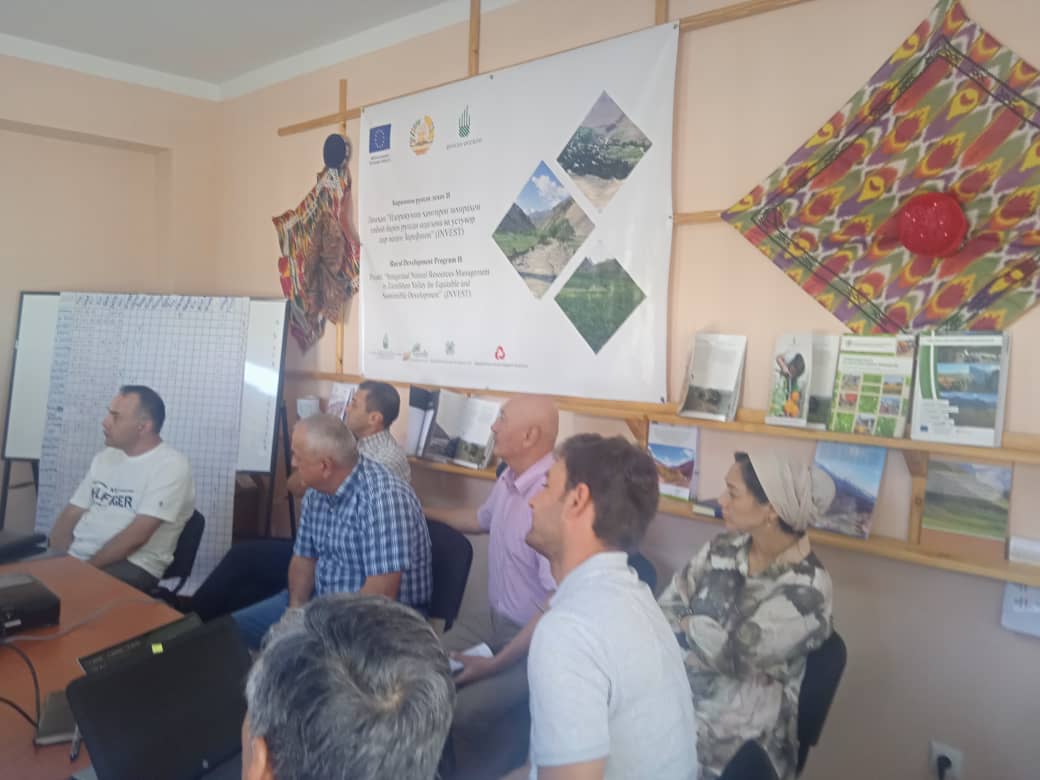
To strengthen implementation capacity, specialized training sessions were organized for staff, focusing on:
- the use of new monthly reporting tools,
- monitoring of subcomponent indicators,
- field data collection, and
- effective engagement with local communities.
The system was developed with active participation from the CAREC team, primarily through online collaboration — demonstrating the effectiveness of remote coordination, which can serve as a model for future joint activities across other project components.
Currently, the system functions as a prototype of the CAREC M&E framework based on Google Sheets.
Despite its successful operation, it is strategically recommended to transition to a more advanced platform such as Power BI, in order to expand analytical capabilities and ensure long-term sustainability.
The M&E Specialist also conducted regular field monitoring visits
to assess the quality of project implementation, verify progress against planned results, and collect feedback from beneficiaries.
Special attention was given to women’s equitable access to grants, the operation of the Grievance Redress Mechanism (GRM), and other social benefits of the project.
Implementation Challenges
Despite numerous training events and the introduction of standardized data collection tools, systematic indicator tracking remains a challenge.
The main difficulties are linked to:
- limited technical capacity of field specialists, and
- high workload during field operations, which slows down data collection and analysis.
These delays affect the timeliness and quality of analytical reports and the overall data reliability.
Communication and Knowledge Management (KM)
In line with the MTR recommendations, the project strengthened its communication system by launching new channels for disseminating information and promoting project visibility.
Together with CAREC communication experts, a Communication Strategy
was developed, outlining the structure and principles for information exchange throughout the project cycle.
The strategy aims to:
- enhance stakeholder engagement,
- increase transparency, and
- promote positive behavioral change within local communities.
Particular emphasis was placed on raising awareness about sustainable landscape management, reducing deforestation risks, and preventing forest fires.
Gender and Social Development
To advance sustainable development goals and promote women’s active participation, a Gender and Social Development Specialist was recruited.
The specialist is responsible for monitoring progress toward PDO Indicator 1.3, overseeing the Grievance Redress Mechanism (GRM), and ensuring compliance with Environmental and Social Standard 2 (ESS2: Labor and Working Conditions).
During the reporting period, five construction sites were assessed, involving 52 local workers, including 13 women (25%).
Based on the assessment conducted in accordance with ESS2 principles and national labor legislation, no serious violations were identified.
There were no recorded cases of harassment, child labor, or other breaches of labor standards.
The Tajikistan Resilient Landscape Restoration Project (RESILAND Tajikistan) is part of the World Bank’s RESILAND CA+ program, aimed at strengthening landscape resilience across Central Asian countries. Similar national and regional activities are also being implemented in Kyrgyzstan and Uzbekistan.
Additional Information:
Solijon Mirzoev — RESILAND Tajikistan Project Manager
Dilovarsho Dustzoda — Deputy Team Leader of the Project Implementation Group for “Sustainable Landscape Restoration in the Republic of Tajikistan: Regional Component”, CAREC