

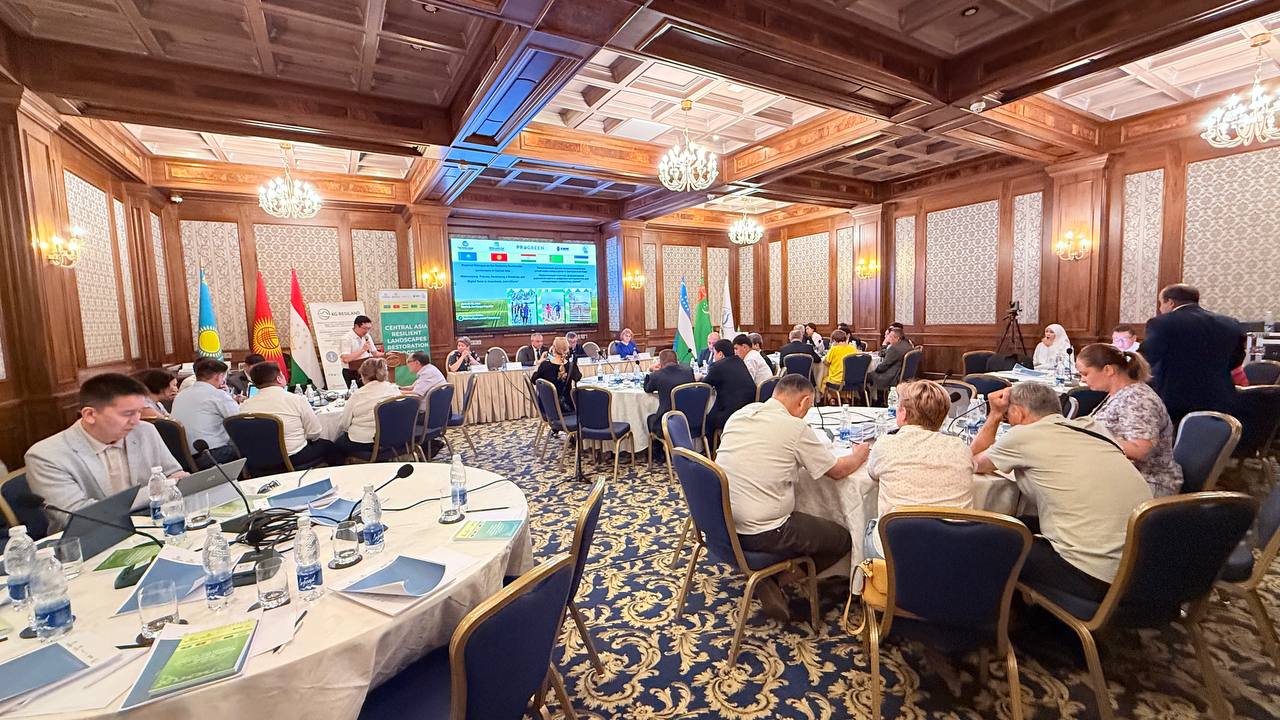
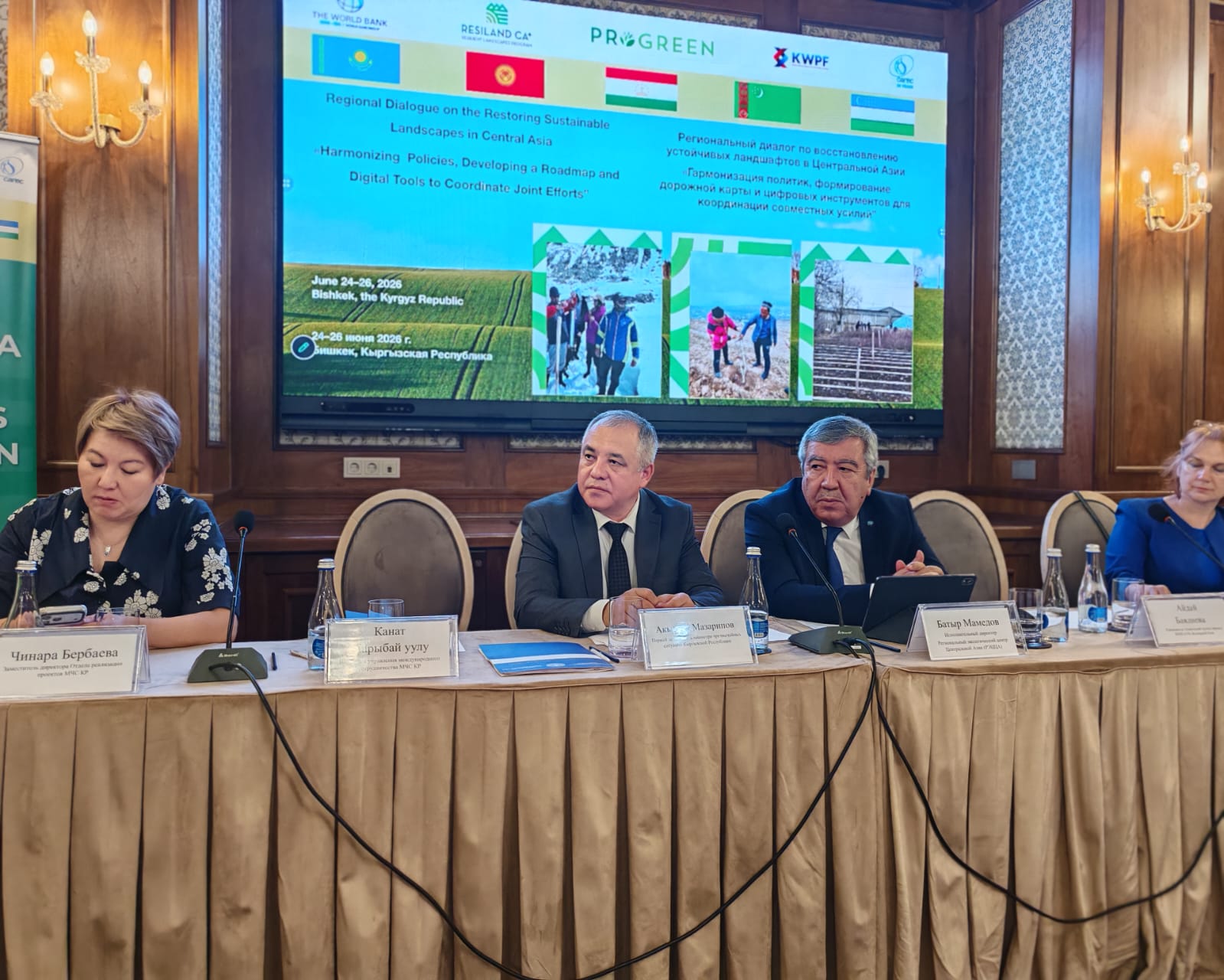
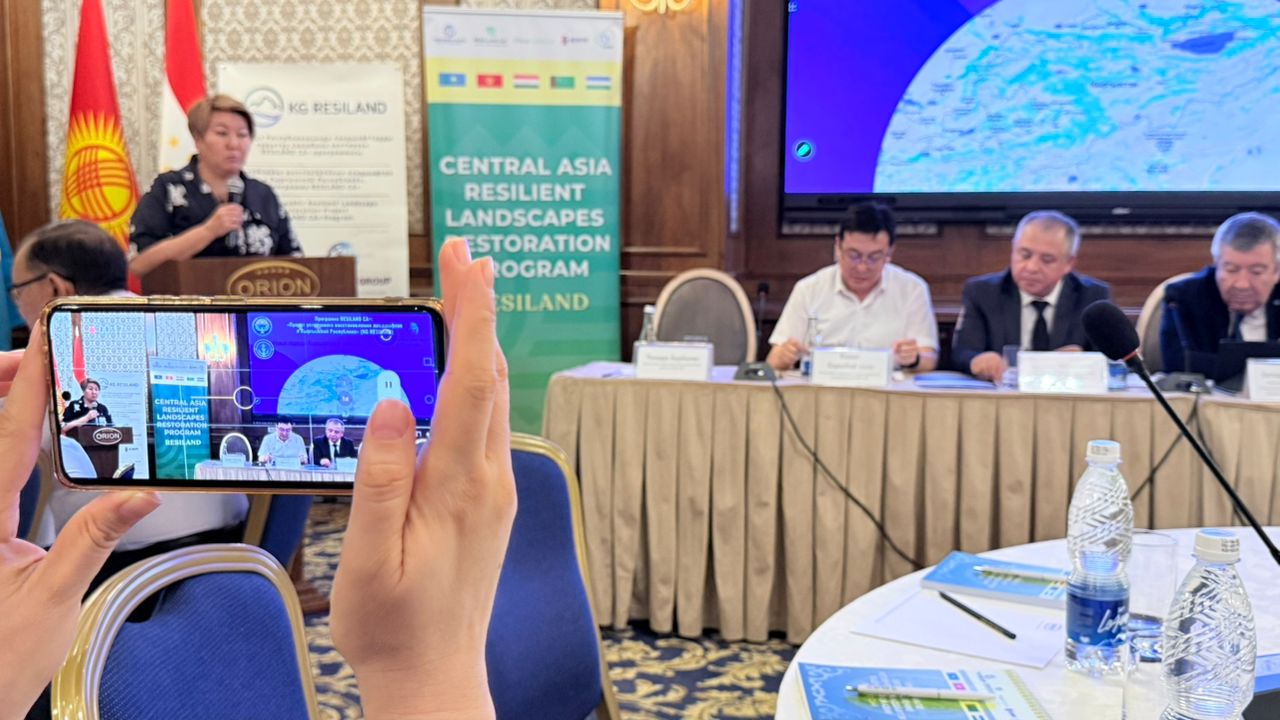
Bishkek, June 24, 2026 — The regional dialogue “Harmonization of Policies, Development of Roadmap, and Digital Tools for Coordinating Joint Efforts” has commenced in Bishkek, bringing together representatives of government institutions, the scientific community, and international organizations from across Central Asia to discuss joint approaches to climate risk reduction and resilient landscape management.
The event is being held under the the Program “Resilient Landscapes Restoration in Central Asia” (RESILAND CA+) and is organized by the Ministry of Emergency Situations of the Kyrgyz Republic in collaboration with the Regional Environmental Center of Central Asia (CAREC).
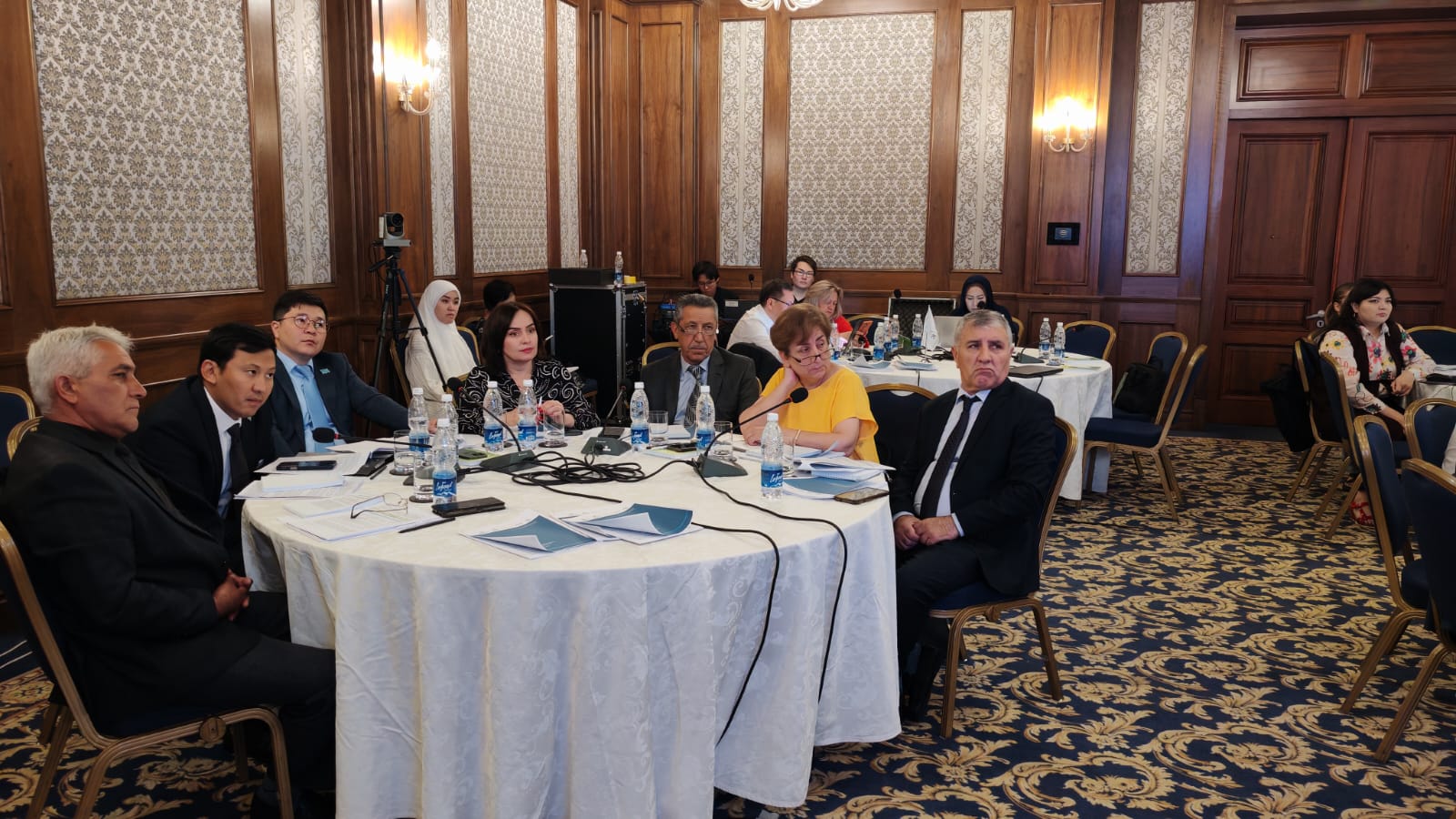
Representatives from Kyrgyzstan, Kazakhstan, Tajikistan, Turkmenistan, and Uzbekistan, as well as international organizations and development partners—including the World Bank, FAO, and UNDP—are participating in the dialogue. Over the course of three days, participants will discuss practical mechanisms for regional collaboration aimed at preventing climate-related emergency situations, restoring degraded lands, and enhancing the resilience of natural landscapes.
Central Asia is among the regions most exposed to the impacts of climate change. The increasing frequency of mudflows, floods, droughts, and other hazardous natural processes requires not only national response measures but also the development of coordinated regional approaches. Many climate-related threats are transboundary in nature and affect the interests of several states in the region simultaneously.
Akylbek Mazaripov, First Deputy Minister of Emergency Situations of the Kyrgyz Republic, delivered a welcoming address to the participants. He noted that climate change, land degradation, and the increasing number of transboundary natural disasters require Central Asian countries to engage in closer collaboration and develop coordinated approaches to risk management.
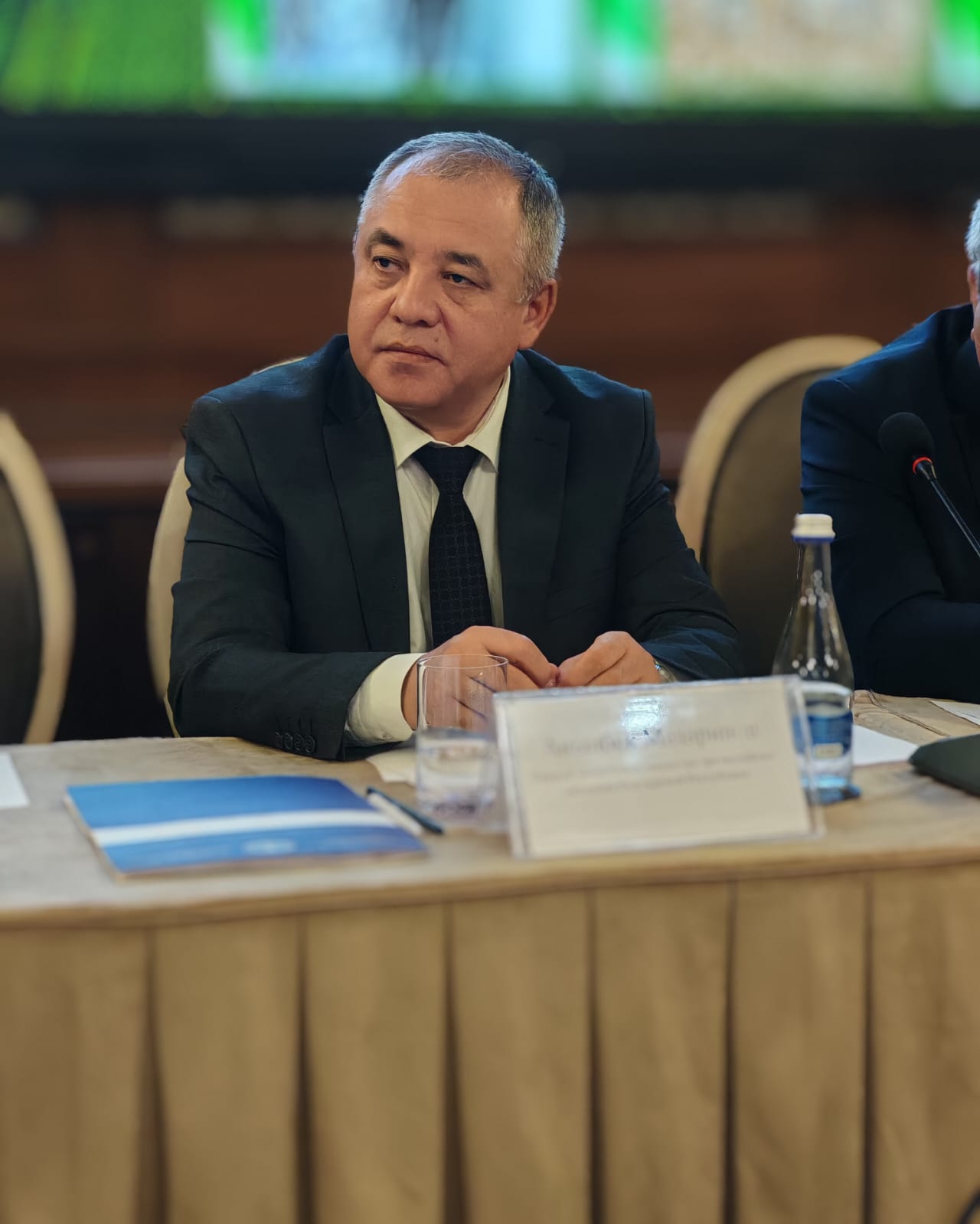
“Today, we are discussing more than just documents and tools. We are laying the foundation for the new model of regional collaboration that will enable the countries of Central Asia to jointly respond to the climate challenges of the future. The Kyrgyz Republic is particularly interested in the development of modern digital platforms and knowledge management systems that will ensure the timely exchange of data, improve the quality of forecasting of emergency situations, and strengthen science-based decision-making at both the national and regional levels,” noted Akylbek Mazaripov.
Speech of Akylbek Mazaripov, First Deputy Minister of Emergency Situations of the Kyrgyz Republic, in Russian
The key focus of the first day was a discussion of the Regional roadmap for reducing the risks of transboundary mudflows and floods, including an investment plan for implementing priority measures. Participants examined mechanisms for coordinating joint actions, financing issues, and prospects for developing a unified approach to disaster risk reduction in the most vulnerable transboundary river basins of Central Asia.
Particular attention was paid to the Regional online catalog of current and forecasted climate-related transboundary natural disasters. This new digital tool will support the consolidation of data from Central Asian countries, improve the quality of natural hazard monitoring, and enhance the effectiveness of decision-making in the field of emergency situation prevention.
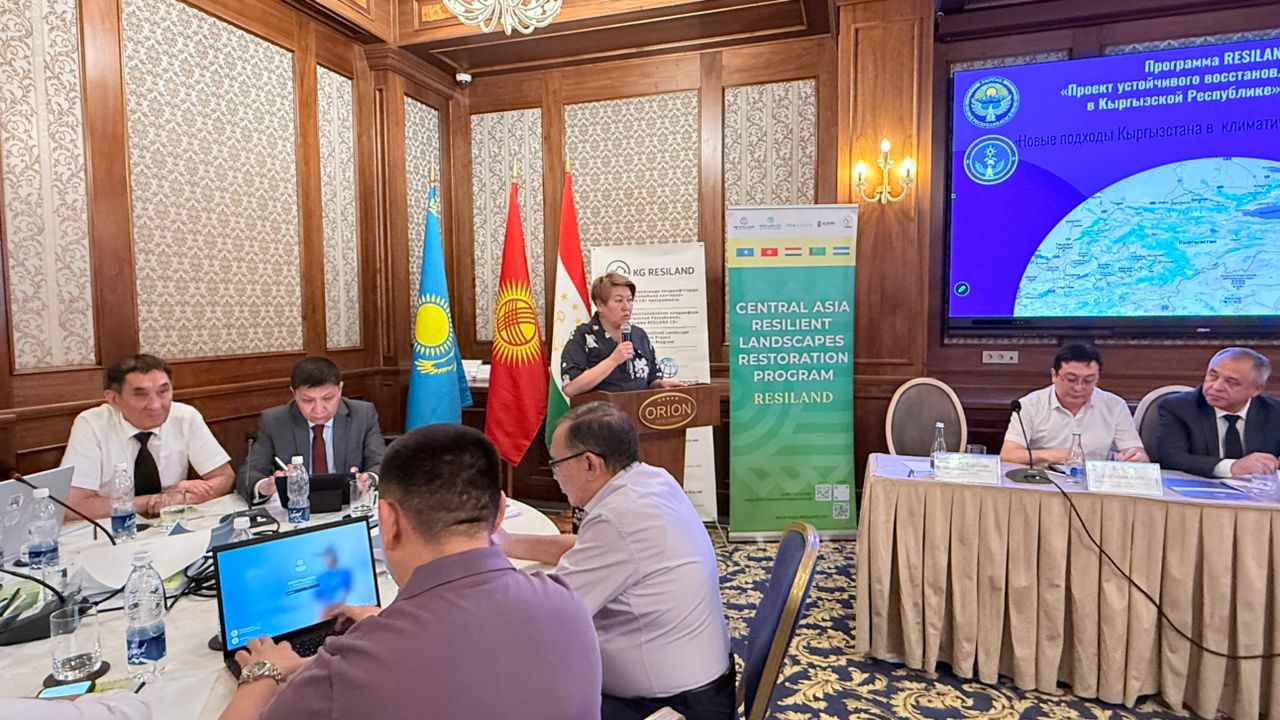
A separate session on the first day was devoted to the practical results of the KG RESILAND project in Kyrgyzstan. Today, the project brings together initiatives to modernize monitoring systems, introduce digital technologies, develop regional collaboration, and enhance the resilience of territories to climate risks. “Today, as part of the project, modern systems are being developed to monitor glaciers, snow cover, and mudflow and flood processes; digital platforms are being developed; and the capacity of relevant government agencies is being strengthened. These efforts are aimed at improving the quality of forecasts and managing climate risks more effectively,” noted Chinara Berbaeva, Deputy Director of the Projects Implementation Unit under the MoES KR.
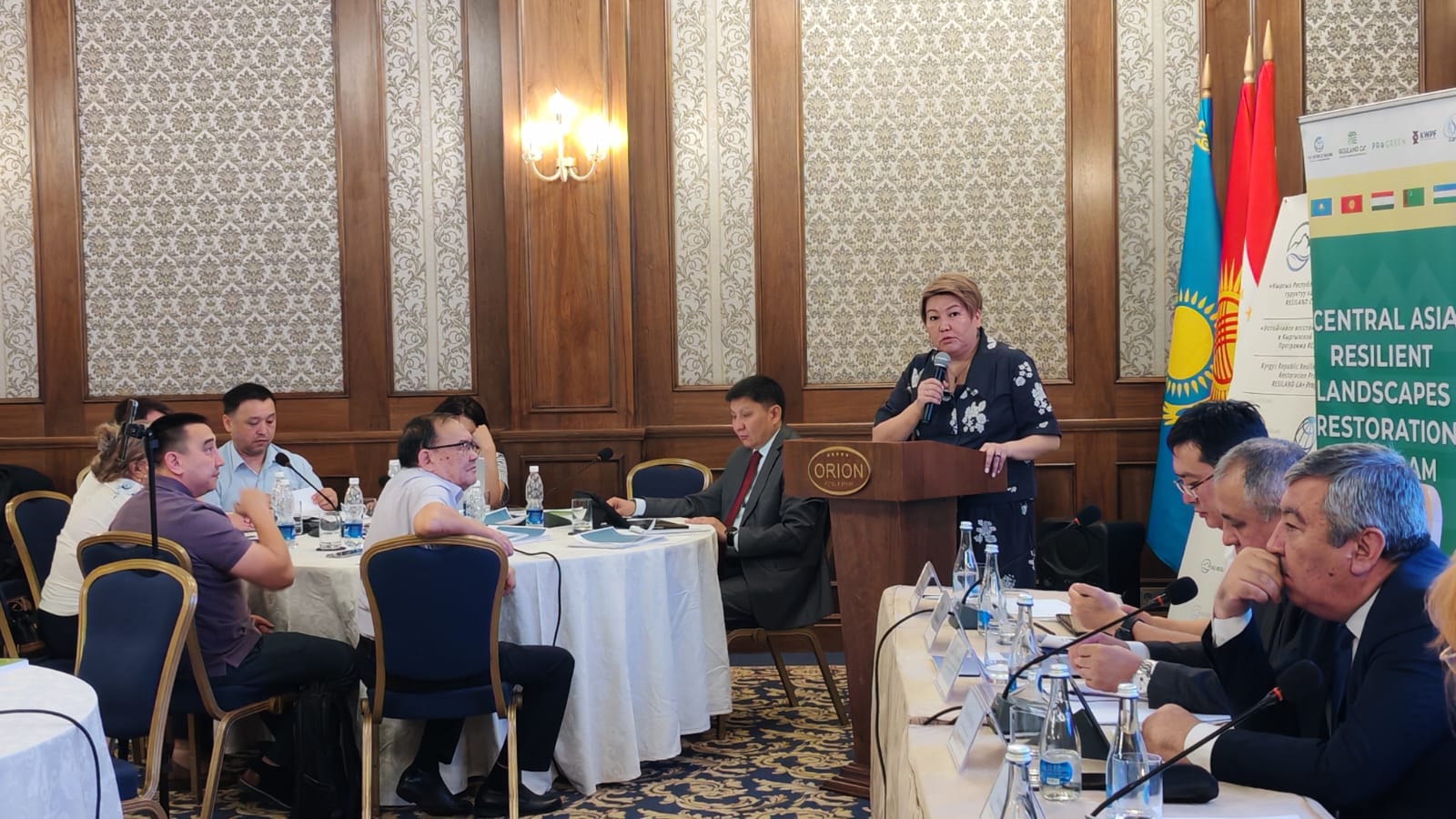
Dialogue participants emphasized that enhancing Central Asia’s resilience to climate risks is impossible without strengthening regional collaboration, data exchange, and joint planning of measures to prevent natural hazards.
“Central Asia faces common climate challenges, and the response to them must also be a shared one. Restoring resilient landscapes is impossible without an understanding of climate risks, and reducing climate risks is impossible without data, coordination, and trust among countries. That is precisely why the regional roadmap and digital tools we are discussing today are intended to serve as a practical foundation for joint action by the countries of the region,” emphasized Batyr Mammedov, Executive Director of the Regional Environmental Center of Central Asia.
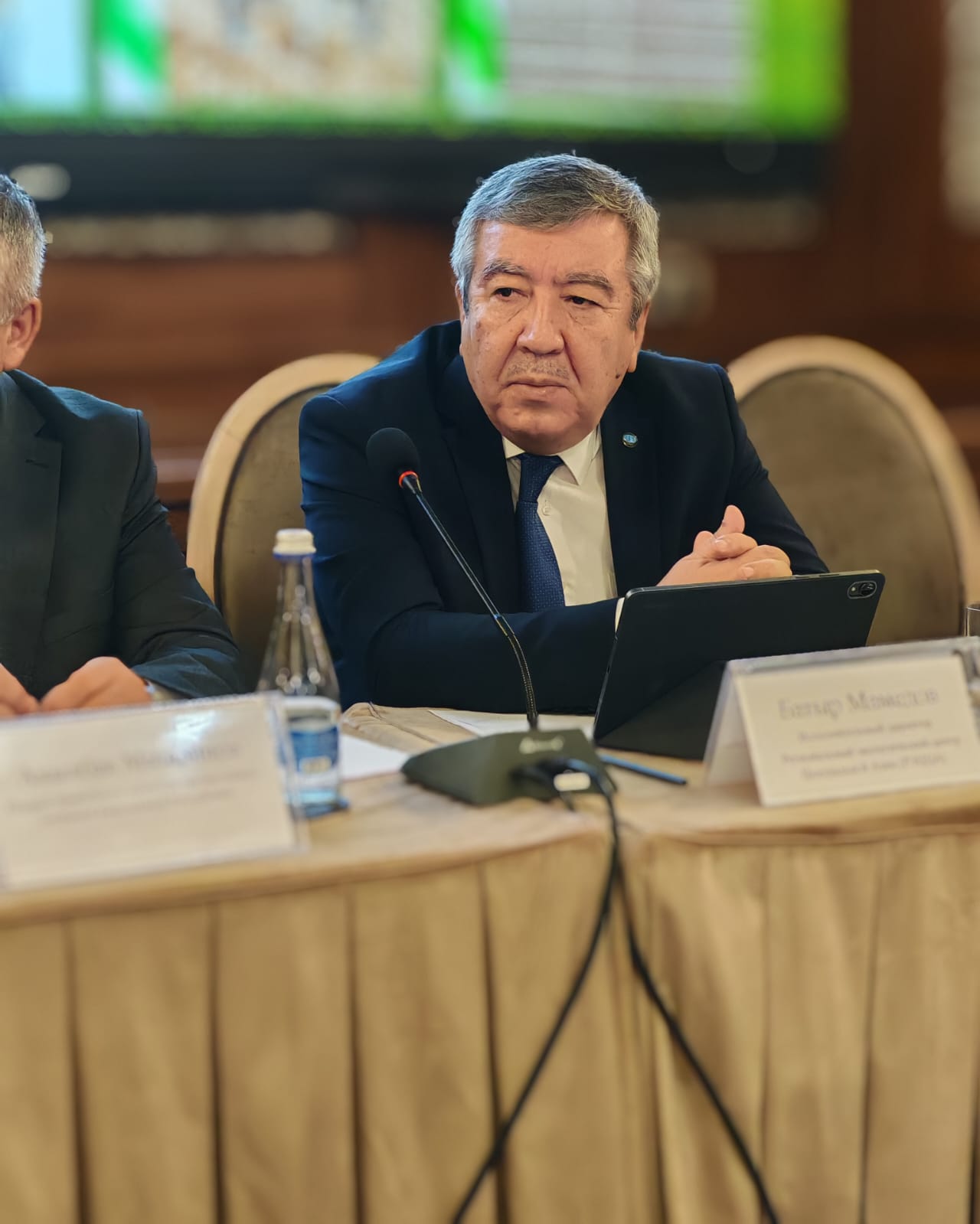
Speech of Batyr Mammedov, CAREC Executive Director, in Russian
The regional dialogue will continue on June 25–26. The upcoming sessions will focus on harmonizing landscape policies, developing nature-based solutions, sharing experiences among countries in the region, and modern digital tools for knowledge management and regional collaboration.
About the RESILAND CA+ Program
The Central Asia Resilient Landscapes Restoration Program (RESILAND CA+) is financed by the World Bank with support from the the Global Partnership for Sustainable and Resilient Landscapes (PROGREEN) and the Korea‑World Bank Partnership Facility (KWPF).
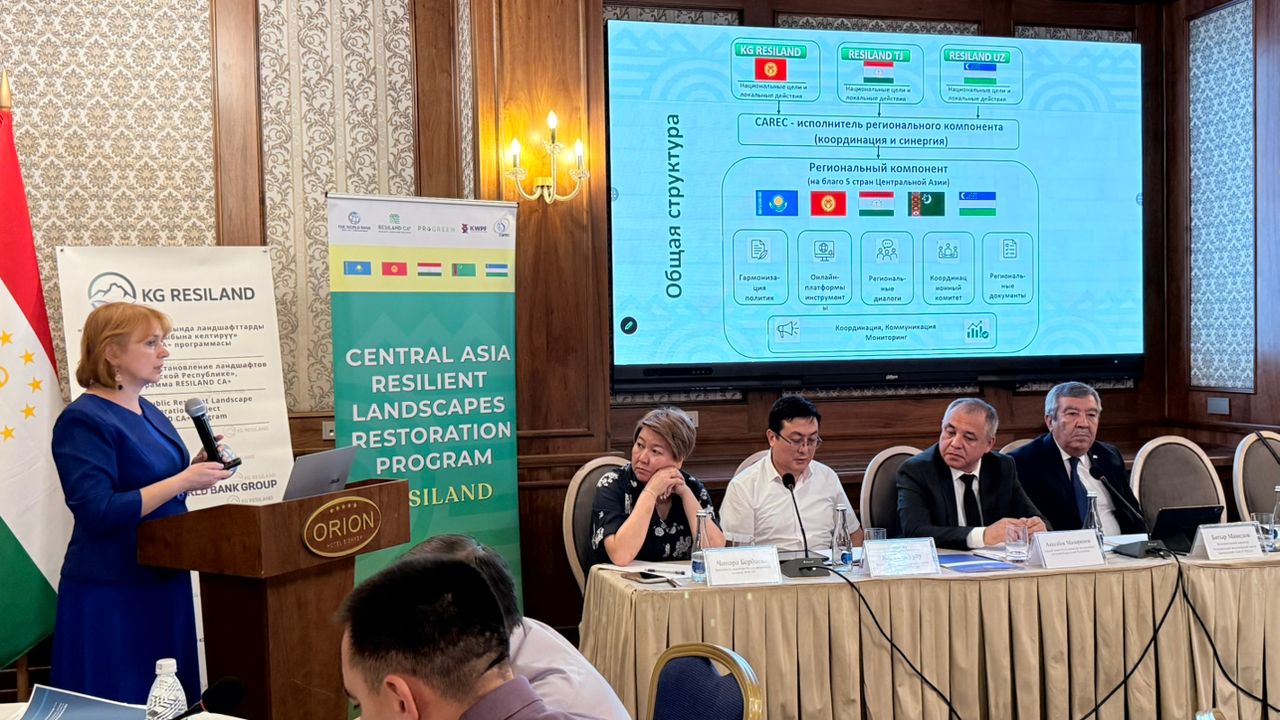
The Program brings together the RESILAND Kyrgyzstan, RESILAND Tajikistan, and RESILAND Uzbekistan projects, while promoting regional cooperation among the countries of Central Asia in sustainable landscape management, climate change adaptation, and disaster risk reduction.
The Regional Environmental Centre for Central Asia (CAREC) implements the regional component of the RESILAND projects in the Kyrgyz Republic, Tajikistan, and Uzbekistan.
Lyudmila Kiktenko – Deputy Team Leader, “The Kyrgyz Republic Resilient Landscape Restoration Project: Regional Component” Project, CAREC, lkiktenko@carececo.org
Dilovarsho Dustzoda — Deputy Team Leader of the Project Implementation Group for “Sustainable Landscape Restoration in the Republic of Tajikistan: Regional Component”, CAREC, ddustzoda@carececo.org
Azamat Kauazov – Deputy Team Leader of Uzbekistan Resilient Landscape Restoration project: regional component, CAREC, cacip@carececo.org