

In the Nosiri Khusrav district Khatlon region the Tajikistan Resilient Landscape Restoration Project has helped families not only gain a new source of income but also build a foundation for a more sustainable future for their children
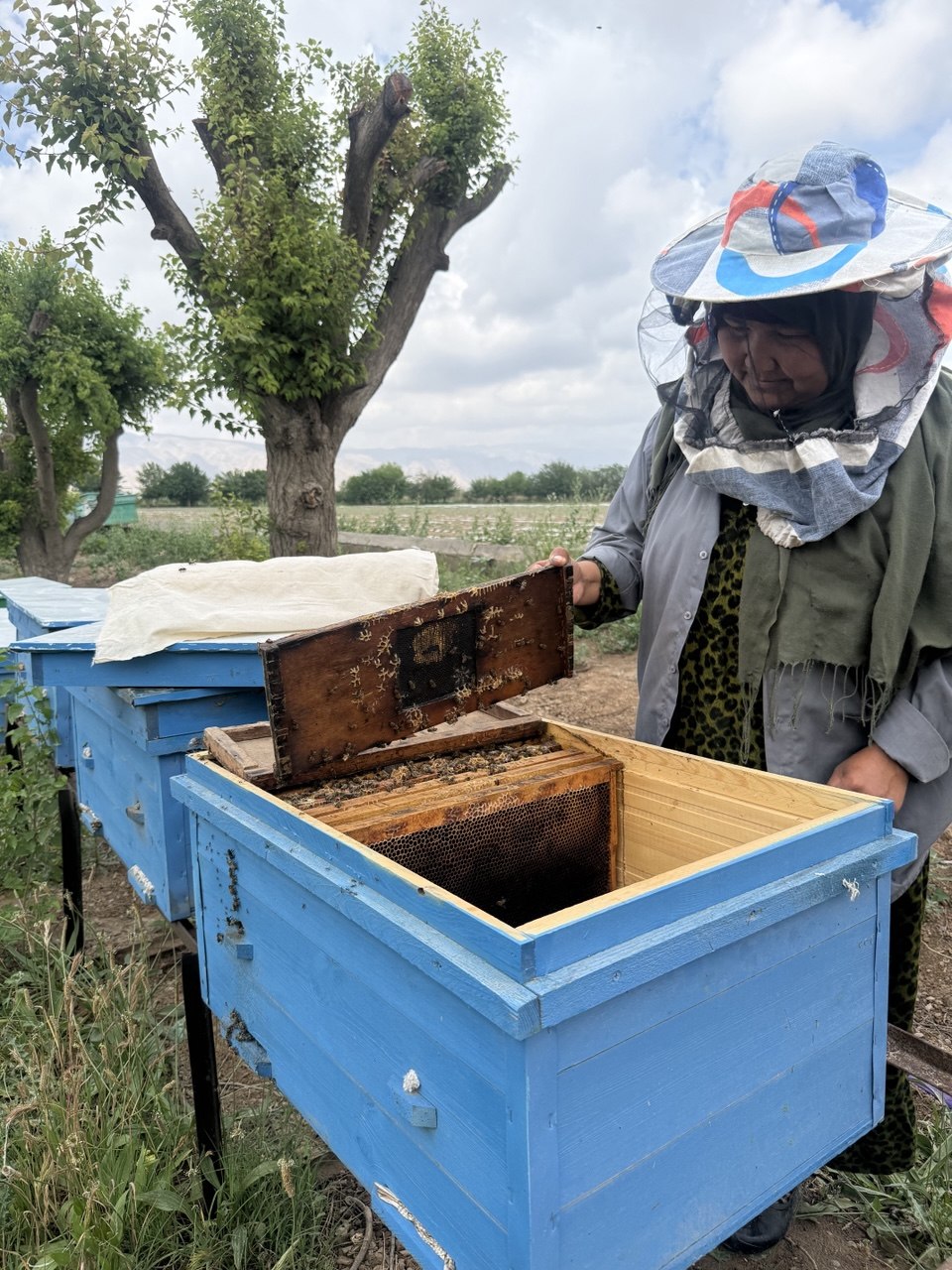
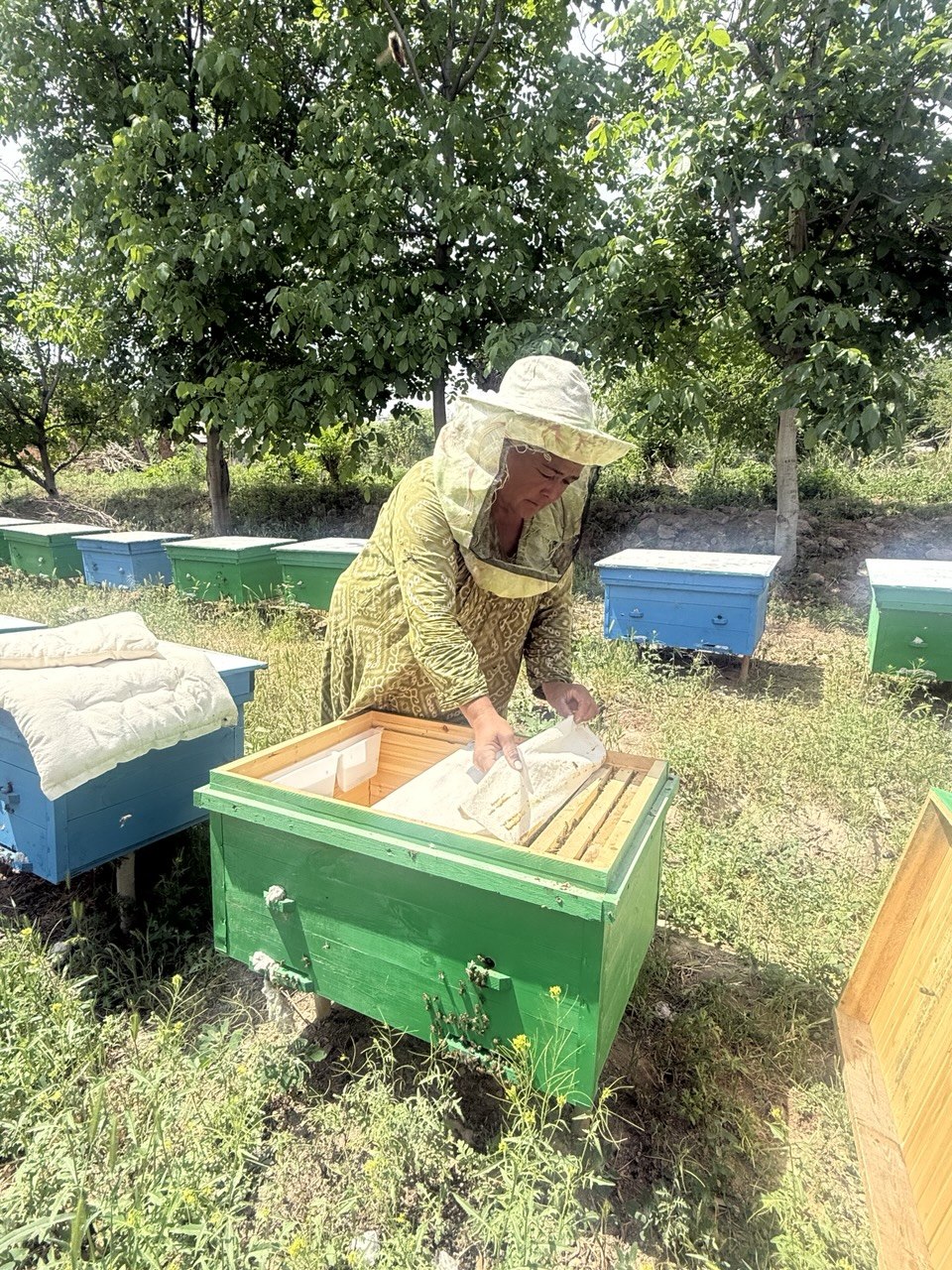
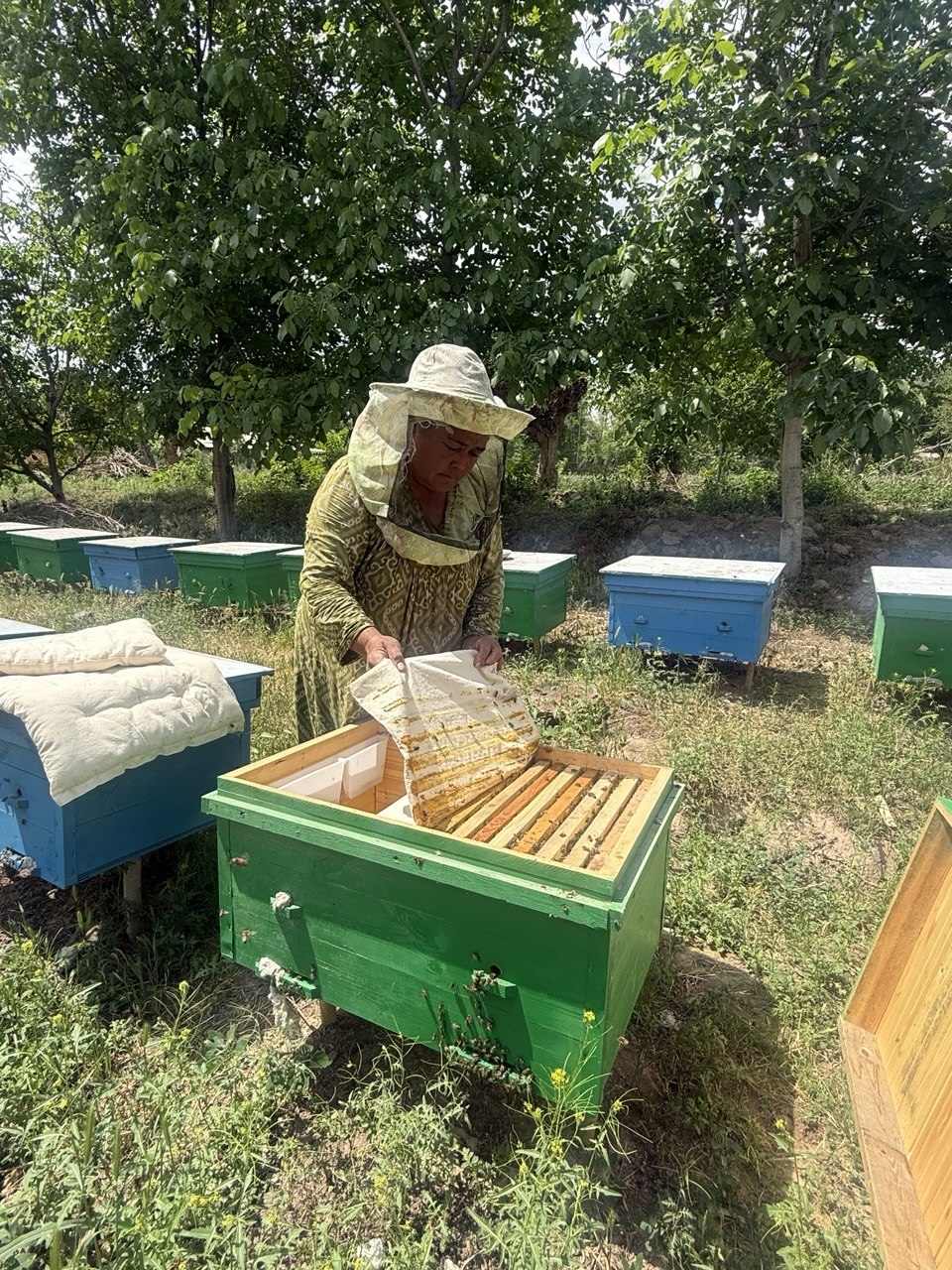
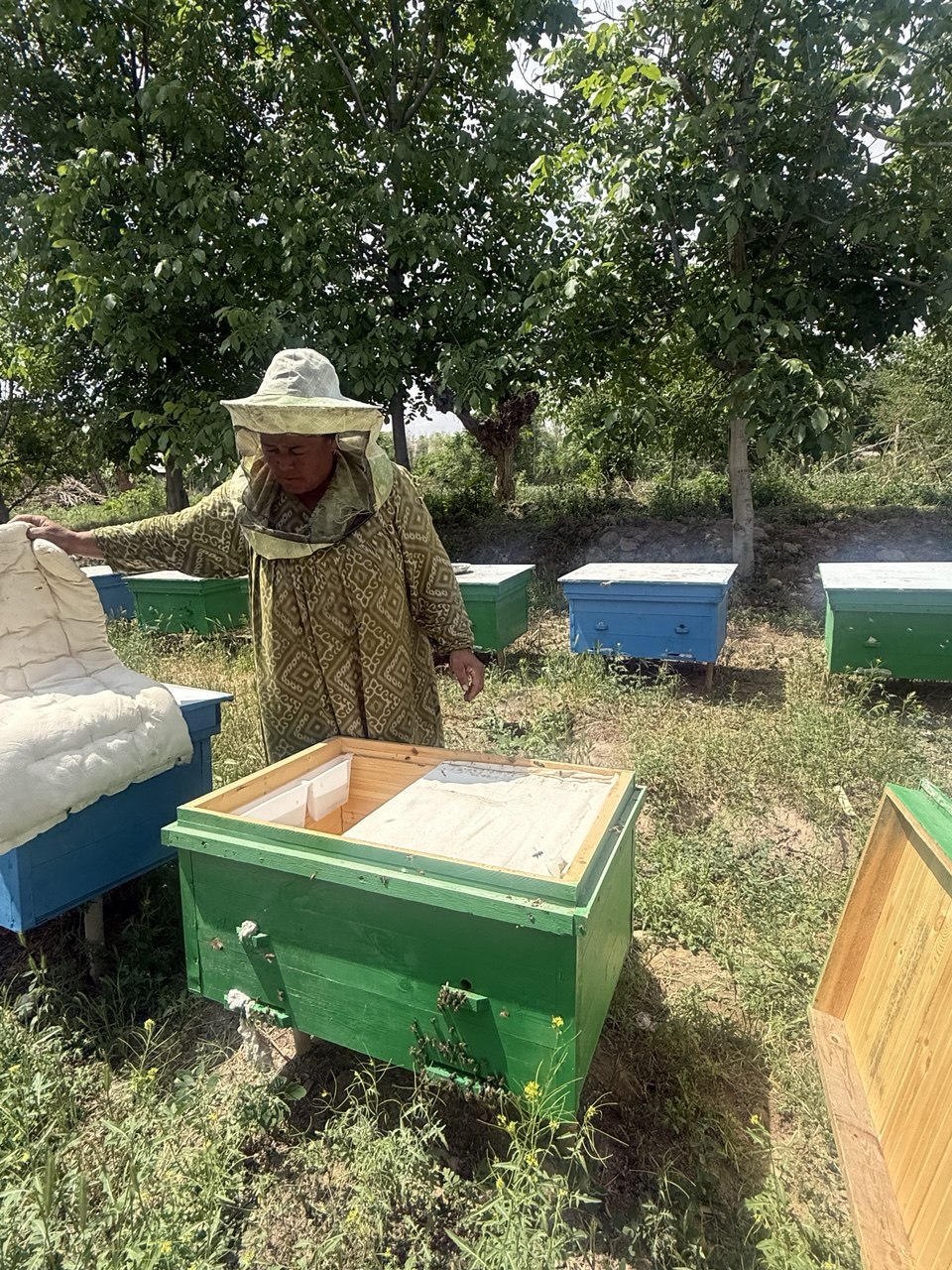
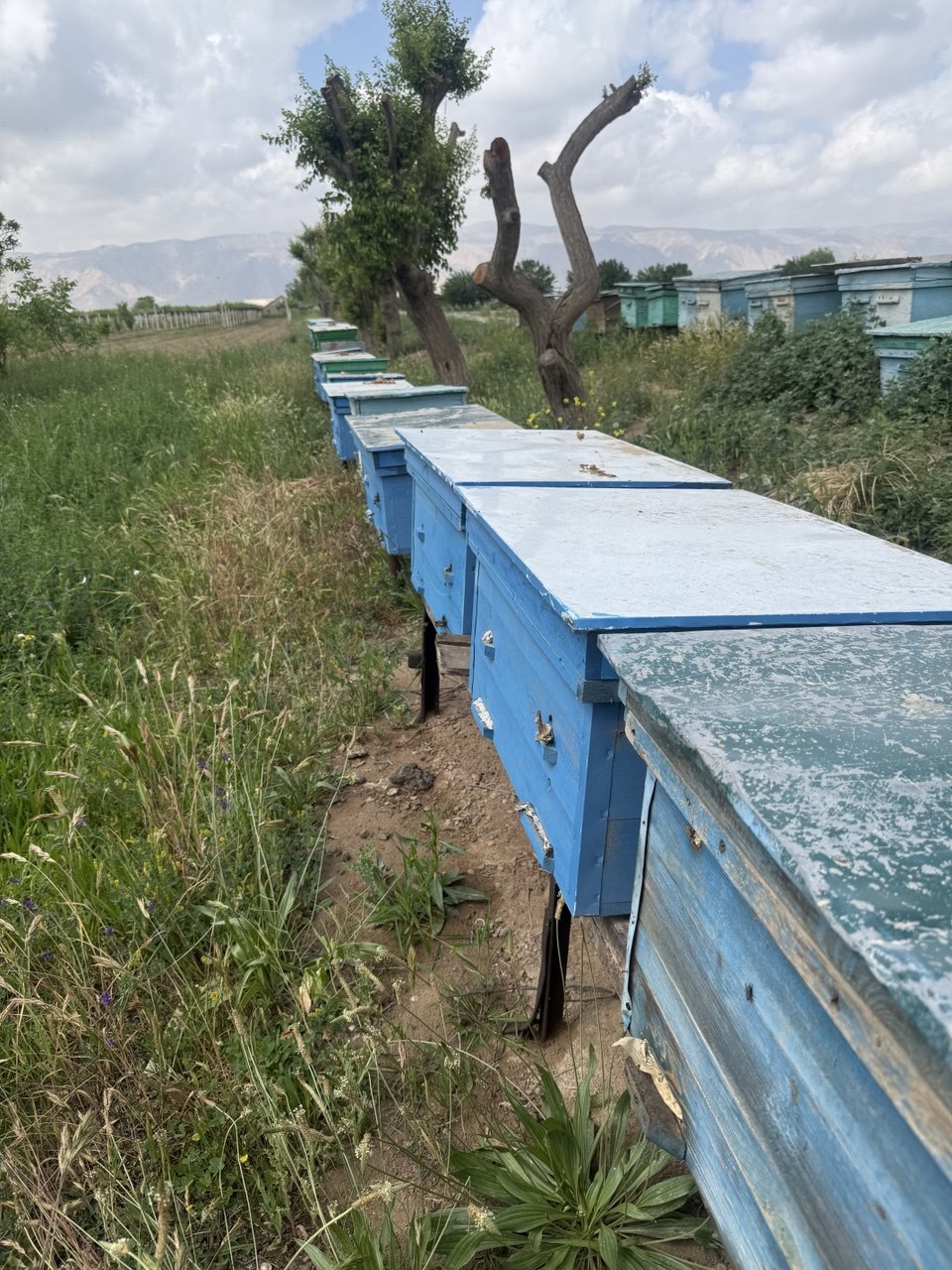
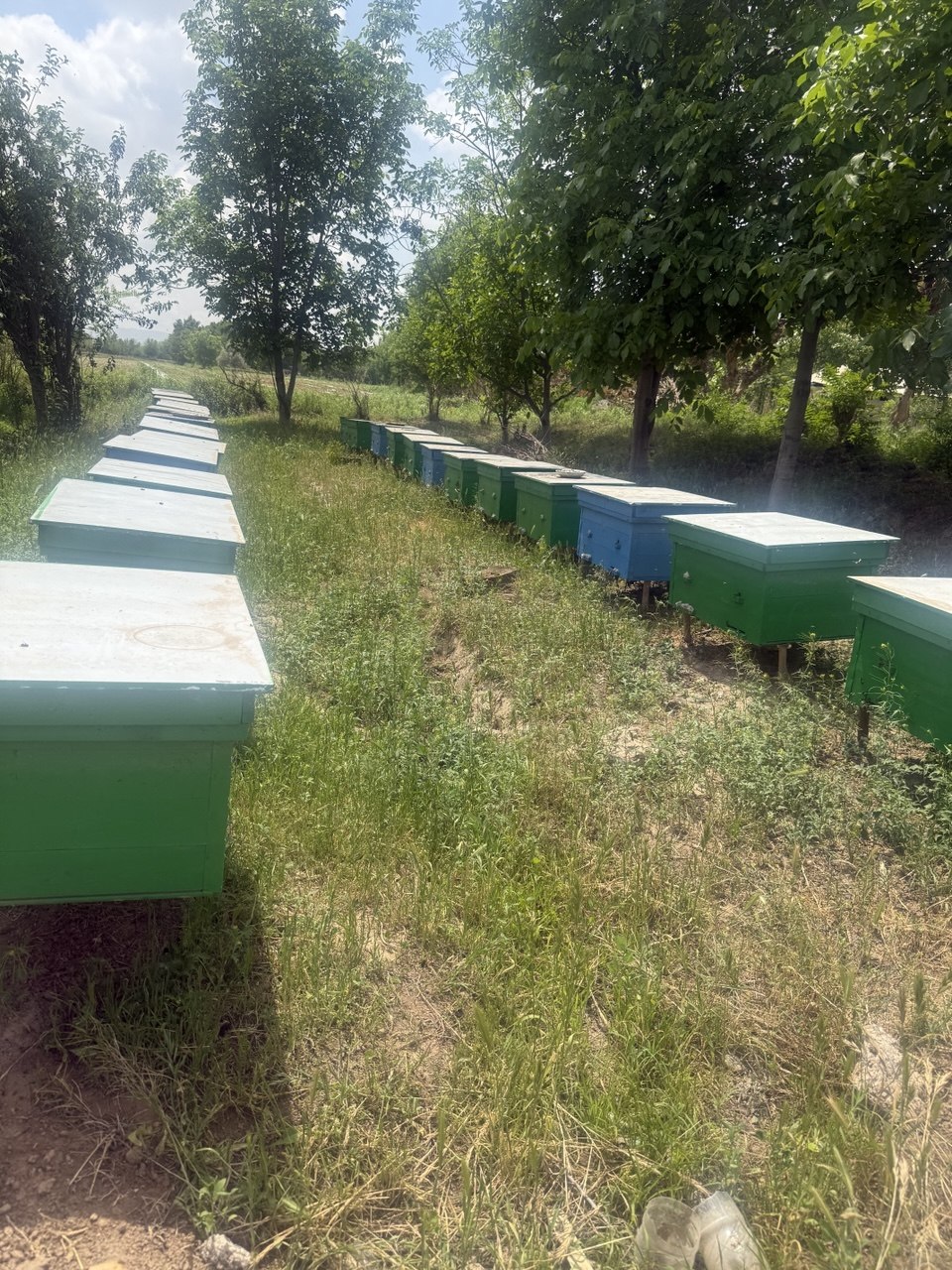
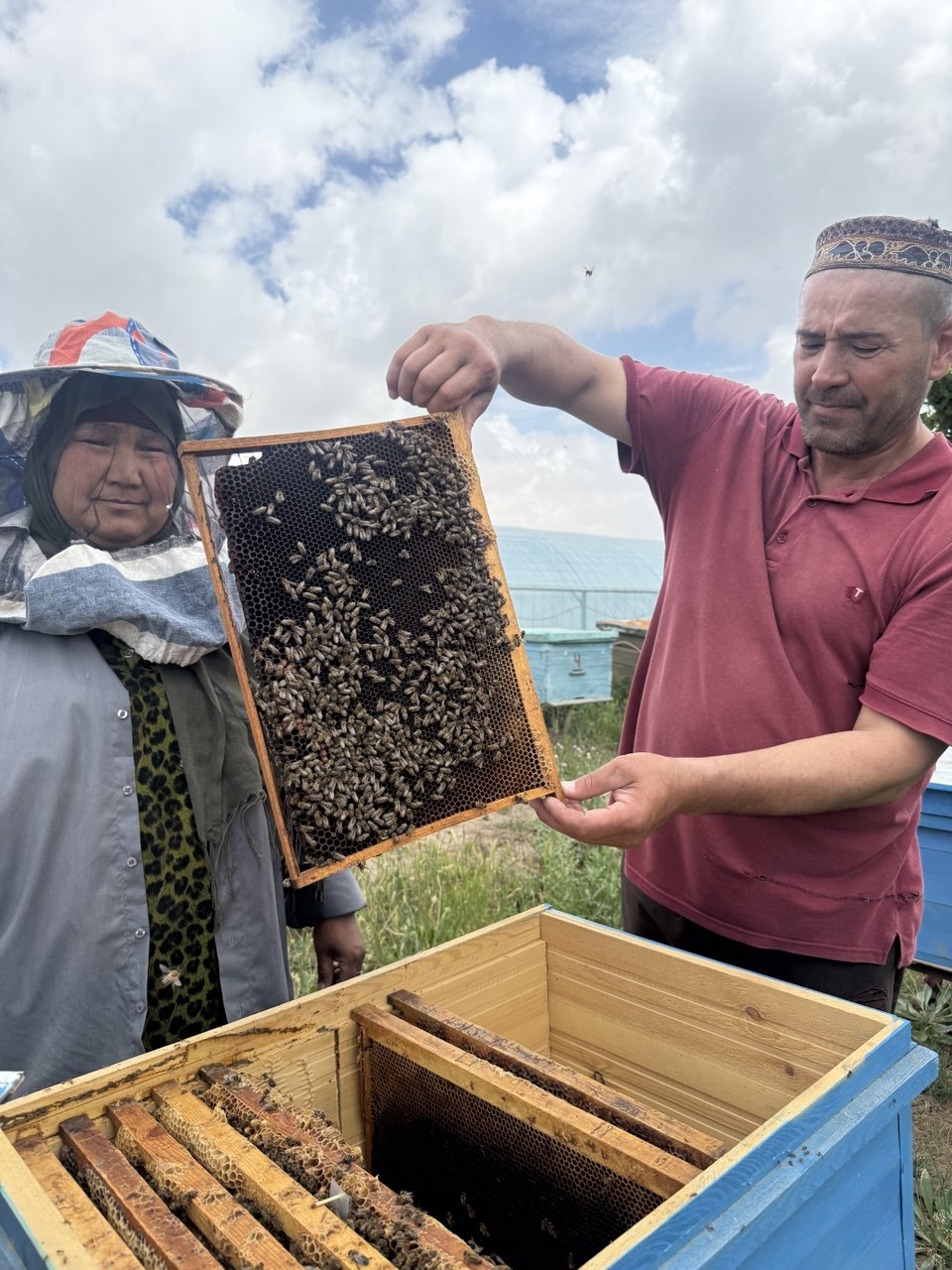
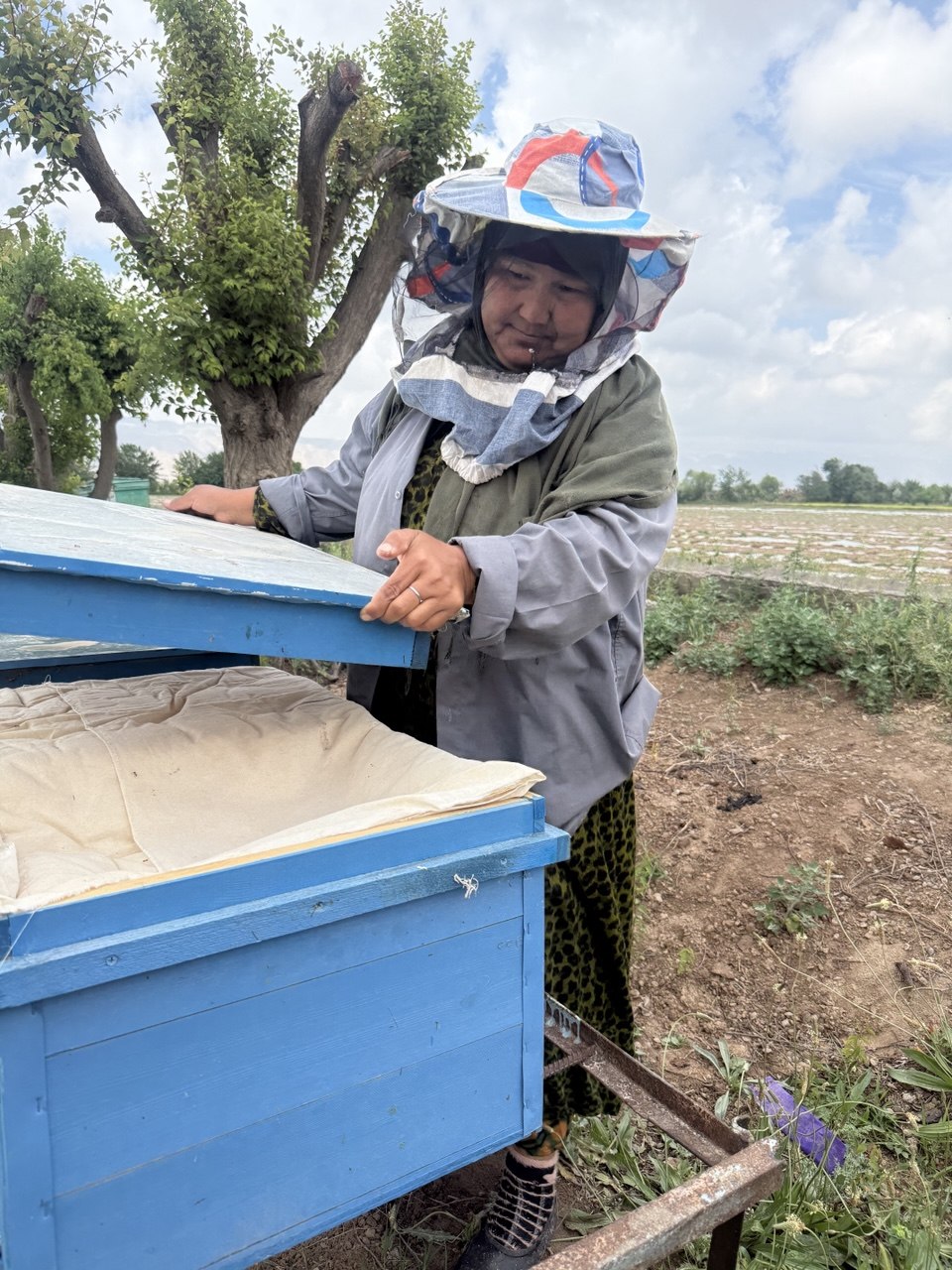
Juraev Alisher Ergashovich, 52, together with his wife Chuturova Nodirakhon, 48, are raising eight children in the village of Muminobod. With the support of the project, their family started beekeeping and received 30 bee colonies. Today, this is not just a source of income, but a family business involving nearly all members of the household.
According to Alisher, beekeeping has become an opportunity not only to improve the family’s livelihood but also to pass on valuable skills to his children and other community members.
“Beekeeping has changed our lives. It helps us support our family, teach our children, and even help others in our community,” says Alisher.
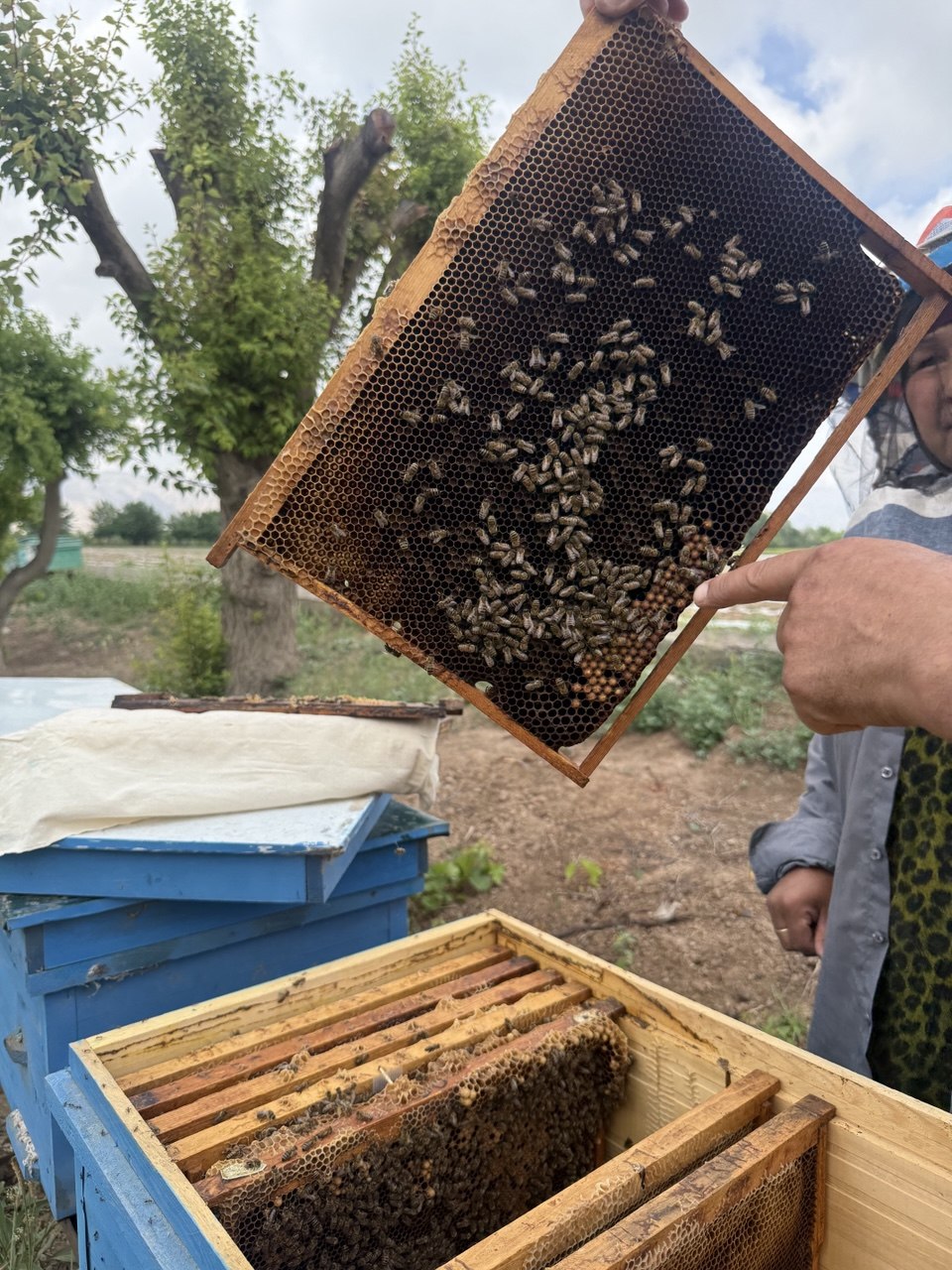
The family plans to produce up to 300–400 kg of honey annually. Their progress is already visible: while previously each hive had only 4–5 frames, now this number has increased to 9. Under favorable weather conditions, honey can be harvested twice a year, with each hive producing up to 20–25 kg.
At the same time, climate change remains a serious challenge. Increased rainfall and unstable weather conditions directly affect productivity. Despite this, the family continues to develop their business and adapt to changing conditions.
Around 9 people are involved in the operation, each responsible for specific tasks—from bee care to transportation and hive maintenance. Some workers prefer to receive payment in honey instead of cash, as it has strong market value.
The family also places strong emphasis on supporting others. Alisher shares bee colonies with neighbors and relatives and helps vulnerable families. For example, he provided bees to a low-income family with three children and continues to support them by offering hands-on training during the first years.
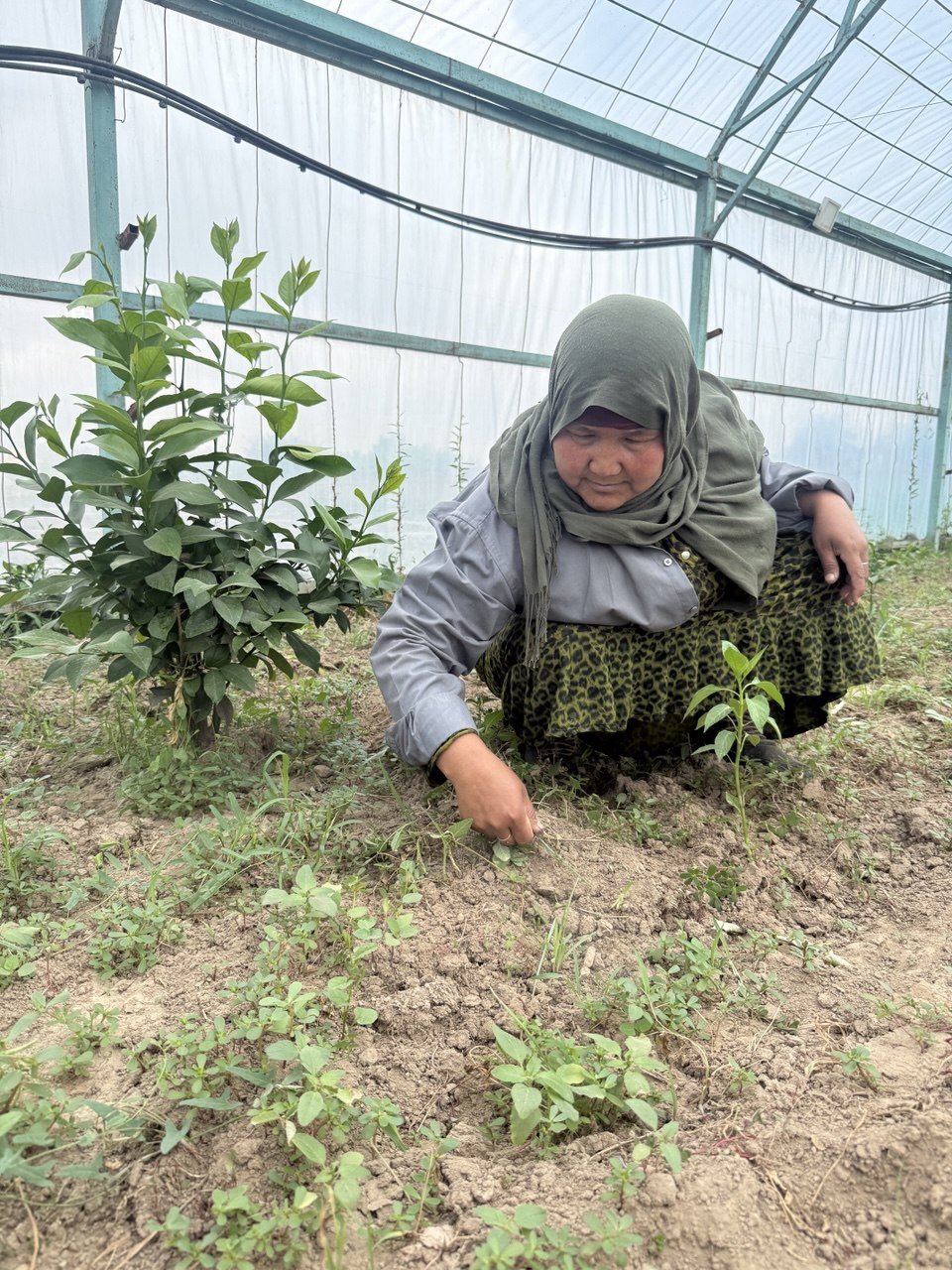
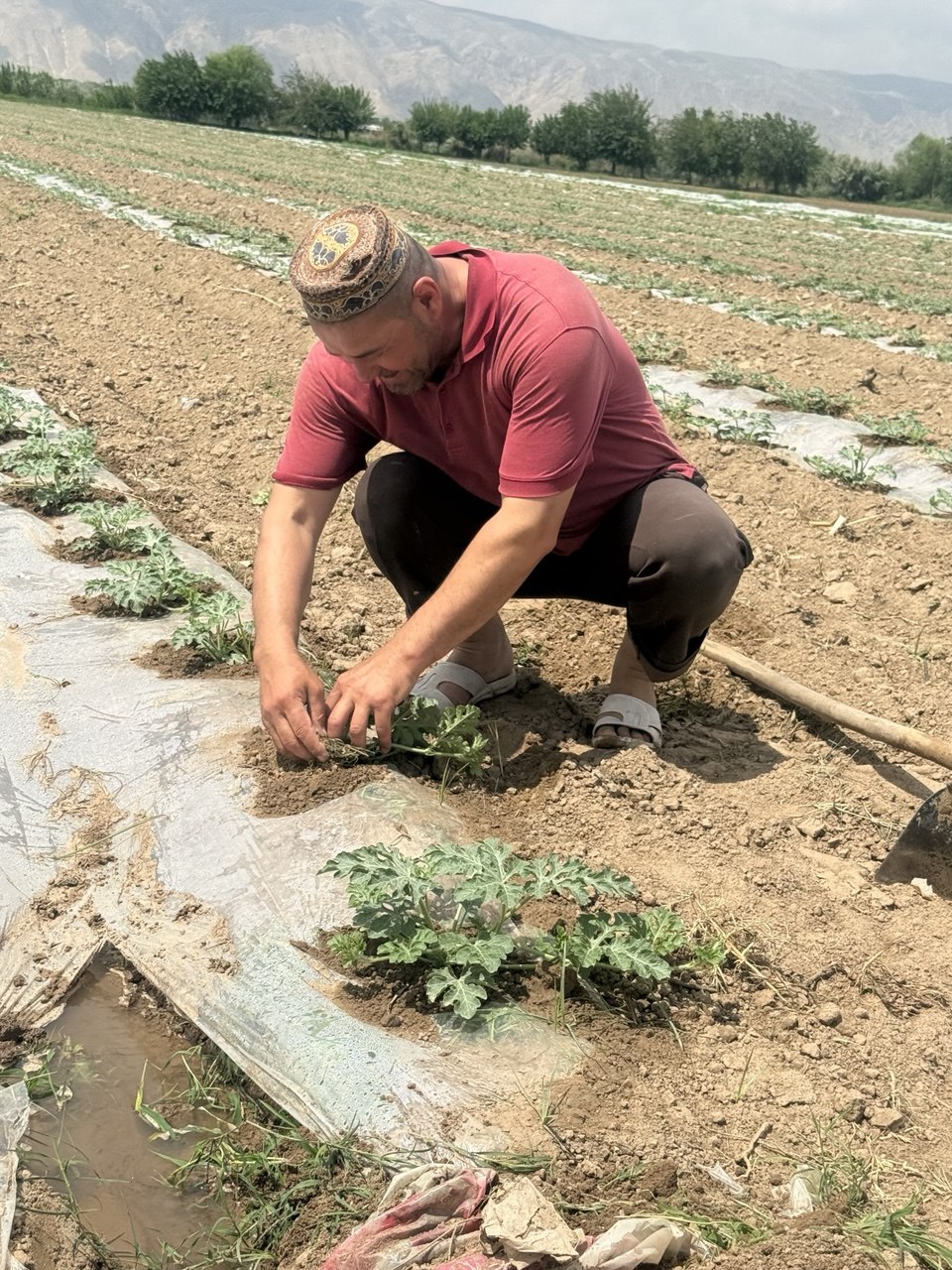
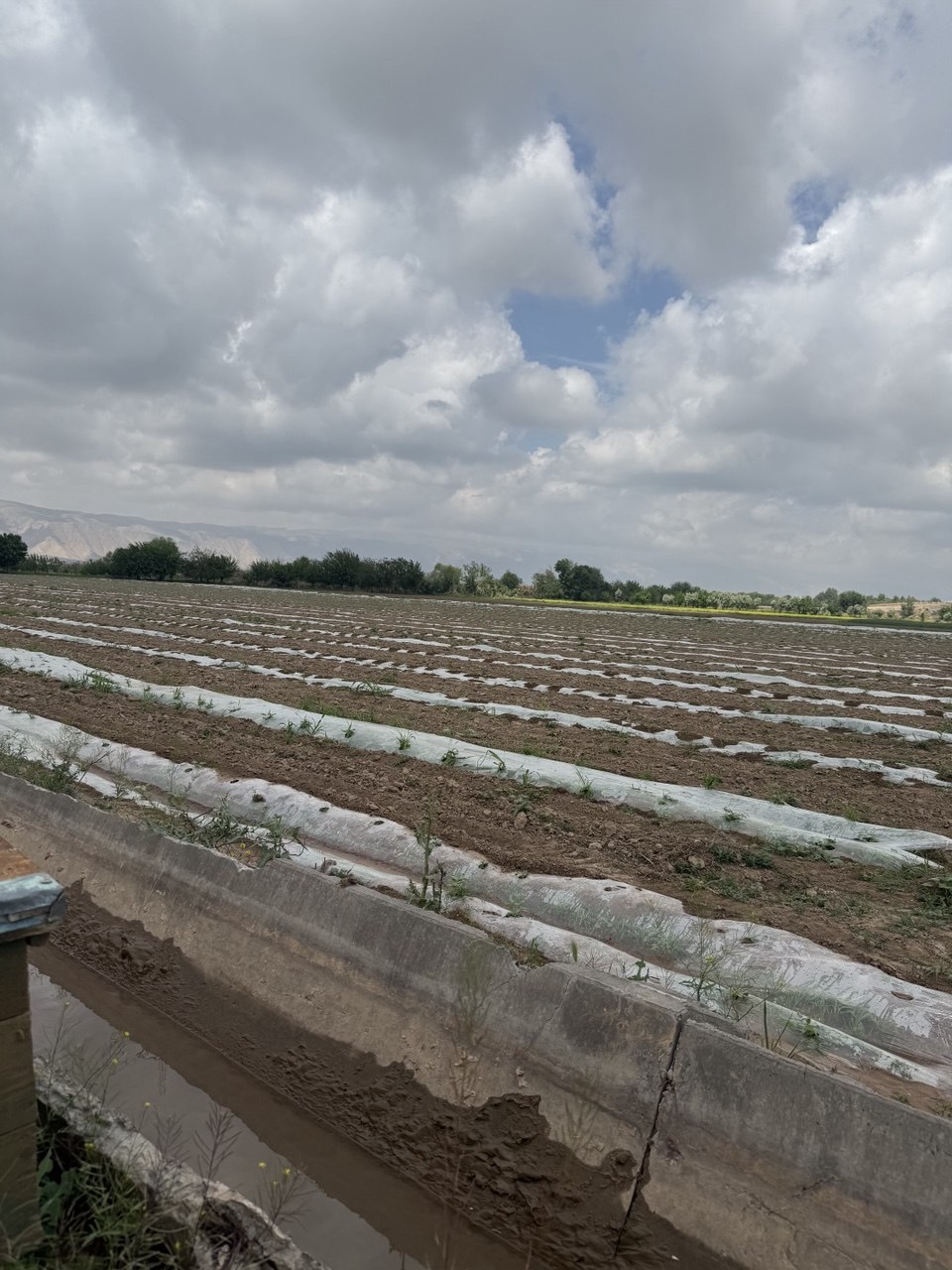
In addition, the family uses a greenhouse provided by the project, where they grow watermelons, melons, tomatoes, and other crops. The greenhouse allows them to harvest twice a year and generate additional income. During the season, 10 to 20 people work there, also benefiting from income opportunities.
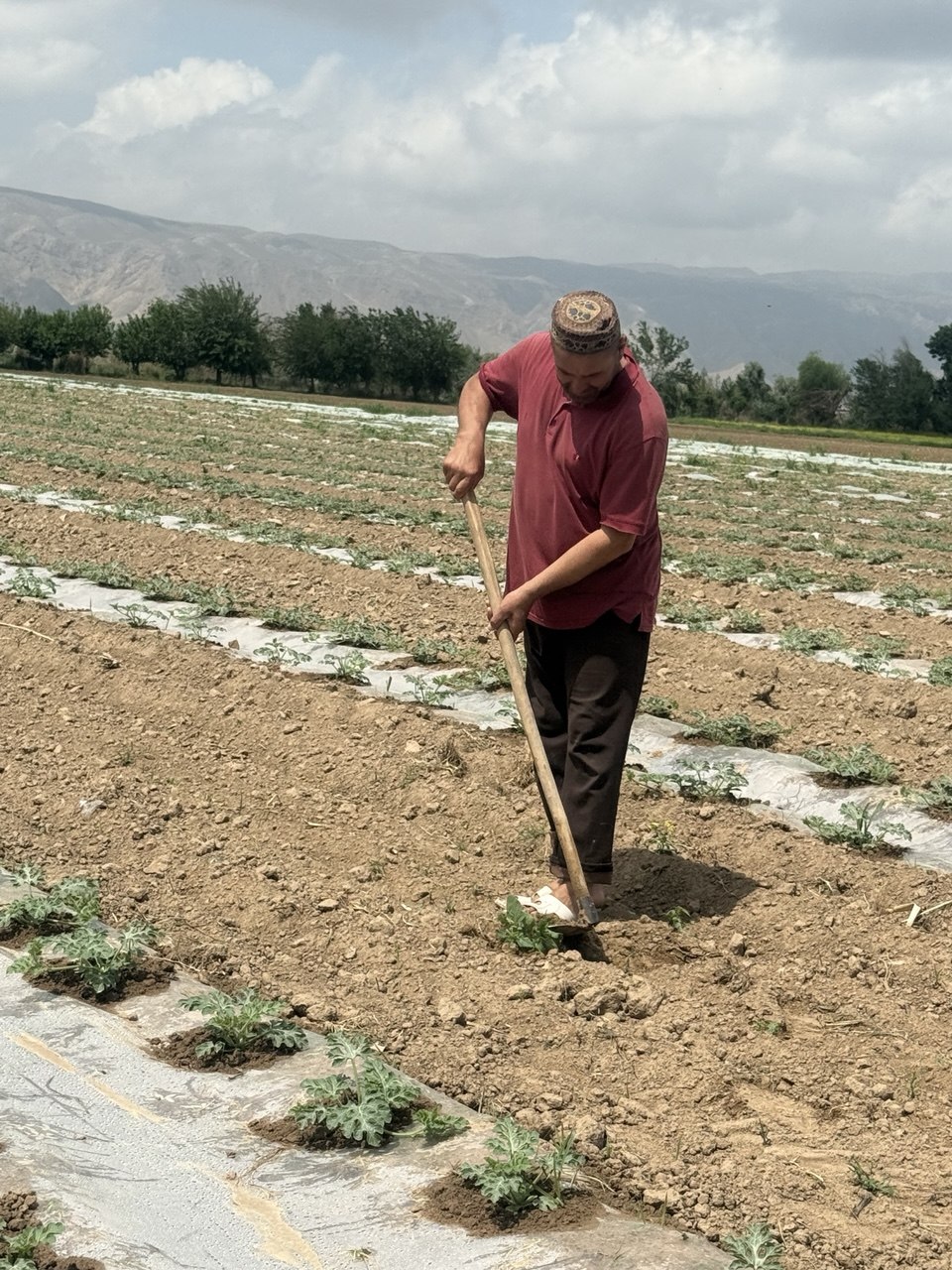
On one hectare of land, the family plants approximately 12,000–13,000 watermelon seedlings. Each plant can produce around 2 fruits weighing about 5 kg each, resulting in up to 24,000 watermelons per harvest. Under favorable conditions, when each watermelon reaches around 10 kg, the total yield can average up to 120 tons per hectare.
The crops are grown under plastic covering, which allows for early harvesting. The first harvest is sold per piece, with prices ranging from 18 to 25 somoni per watermelon, depending on market conditions.
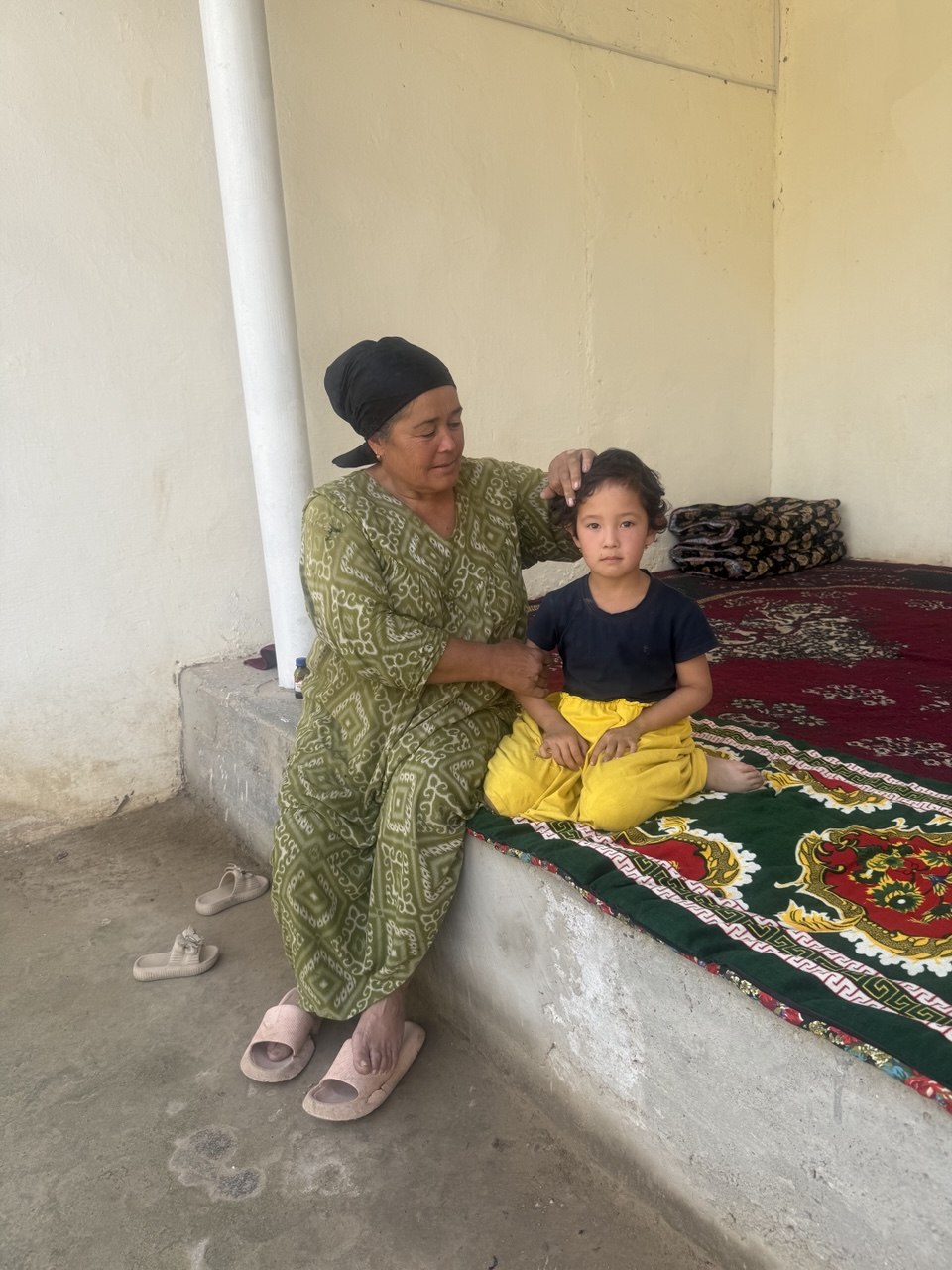
Another example is Juraeva Savrinisso, 55, a mother of three from the village of Oltinsoy. In 2025, she received 30 bee colonies and harvested around 20 kg of honey in the same year. Part of the honey is used for family needs, part to support vulnerable households, and part for feeding the bees.
Today, Savrinisso independently manages her beekeeping activities and also supports others by sharing honey free of charge with vulnerable families and people in need.
Starting with just 4 bee colonies, she has expanded to 10–12 through proper care and feeding. She expects a higher yield this year.
These stories demonstrate that the project not only improves household incomes but also strengthens community solidarity, contributing to more resilient and self-sustaining rural livelihoods.
.jpg)
.jpg)
-------------------------------
The Tajikistan Resilient Landscapes Restoration Project is part of the World Bank’s RESILAND CA+ program, aimed at strengthening landscape resilience across Central Asian countries. Similar national and regional activities are also being implemented in Kyrgyzstan and Uzbekistan.
The Regional Environmental Centre for Central Asia (CAREC) implements the regional component of the Tajikistan Resilient Landscape Restoration Project.
Additional Information:
Solijon Mirzoev — RESILAND Tajikistan Project Manager, Center for the Implementation of Investment Projects under the Committee for Environmental Protection of the Government of the Republic of Tajikistan.
Dilovarsho Dustzoda — Deputy Team Leader of the Project Implementation Group for “Sustainable Landscape Restoration in the Republic of Tajikistan: Regional Component”, CAREC