
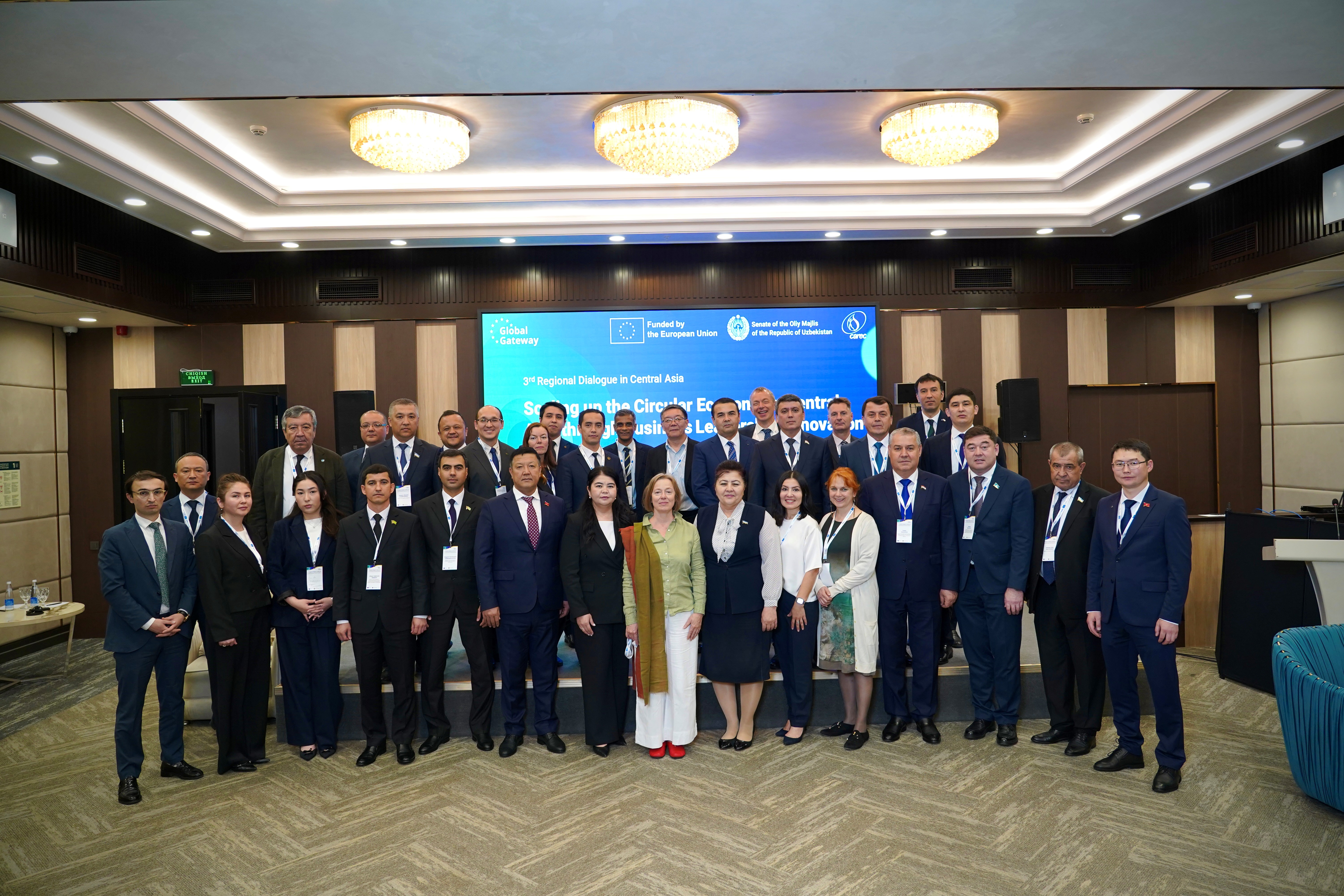
TASHKENT, April 10, 2026 — The Third Regional Dialogue on Circular Economy concluded today in Tashkent. Organized by the European Union’s SWITCH-Asia program with the support of CAREC, the event continues a long-standing tradition of partnership between Central Asia and the EU under the Global Gateway initiative
The main outcome of the meeting was the development of a “Parliamentary Action Agenda”—a document that will transform environmental initiatives into concrete investment projects for the entire region.
The two-day event in Tashkent brought together members of parliament from Kazakhstan, Kyrgyzstan, Tajikistan, Turkmenistan, and Uzbekistan, as well as representatives of the private sector and international financial institutions, to develop concrete mechanisms for transitioning to a closed-loop model.
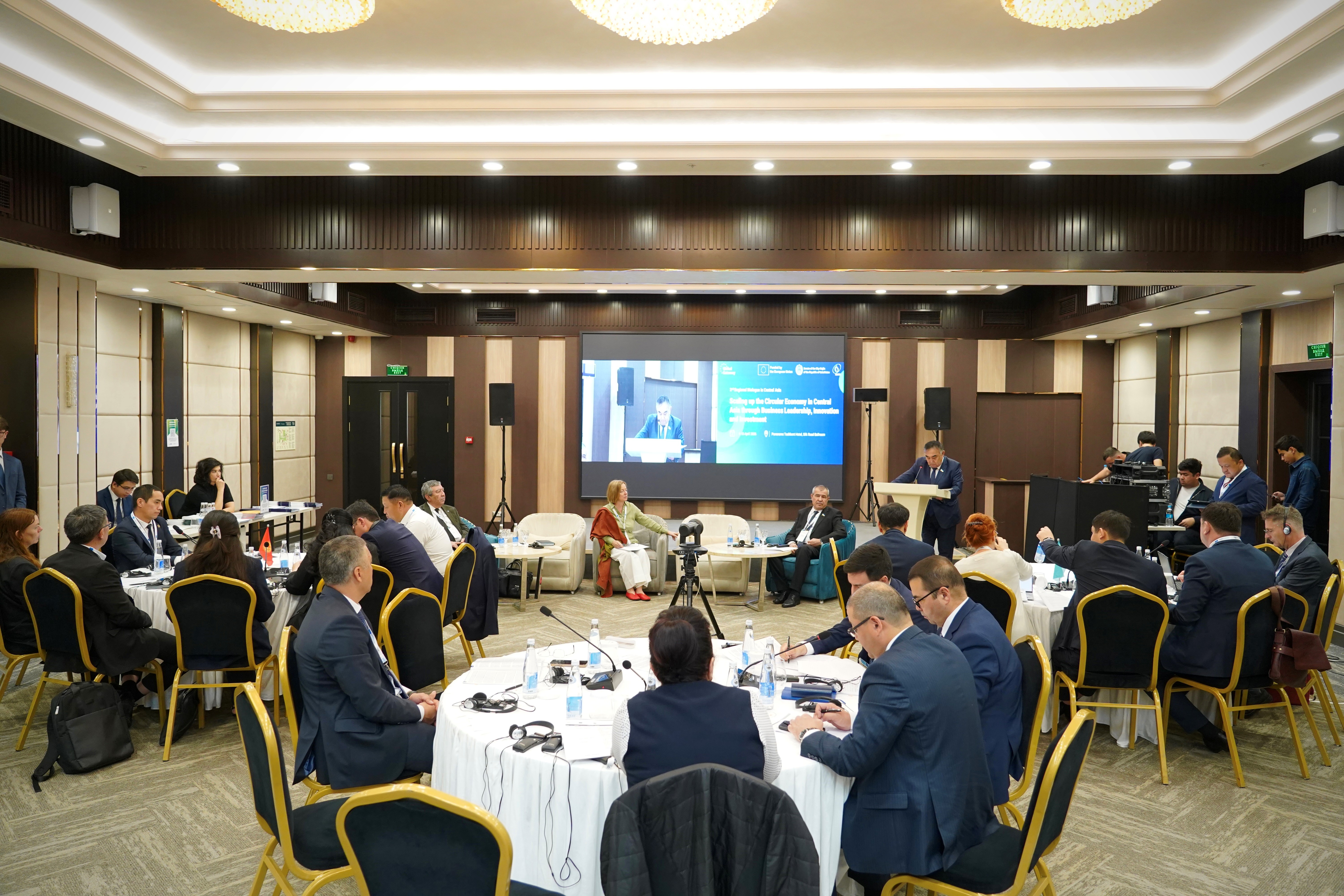
It is important to note that a discussion of this scale was made possible thanks to a unique platform—the Regional Group of Parliamentarians of Central Asian Countries. This platform was initiated and established by CAREC in 2016 with strategic support from the European Union’s CAWECOOP project.
What began ten years ago as an initiative to exchange experience in water resource management, and later functioned as a platform for climate change and adaptation issues, has today evolved into a mechanism for scaling up the circular economy and political influence. The CAREC platform has become the only tool in the region that allows lawmakers from five countries to speak a common language of legislation, ecology, and sustainable development.
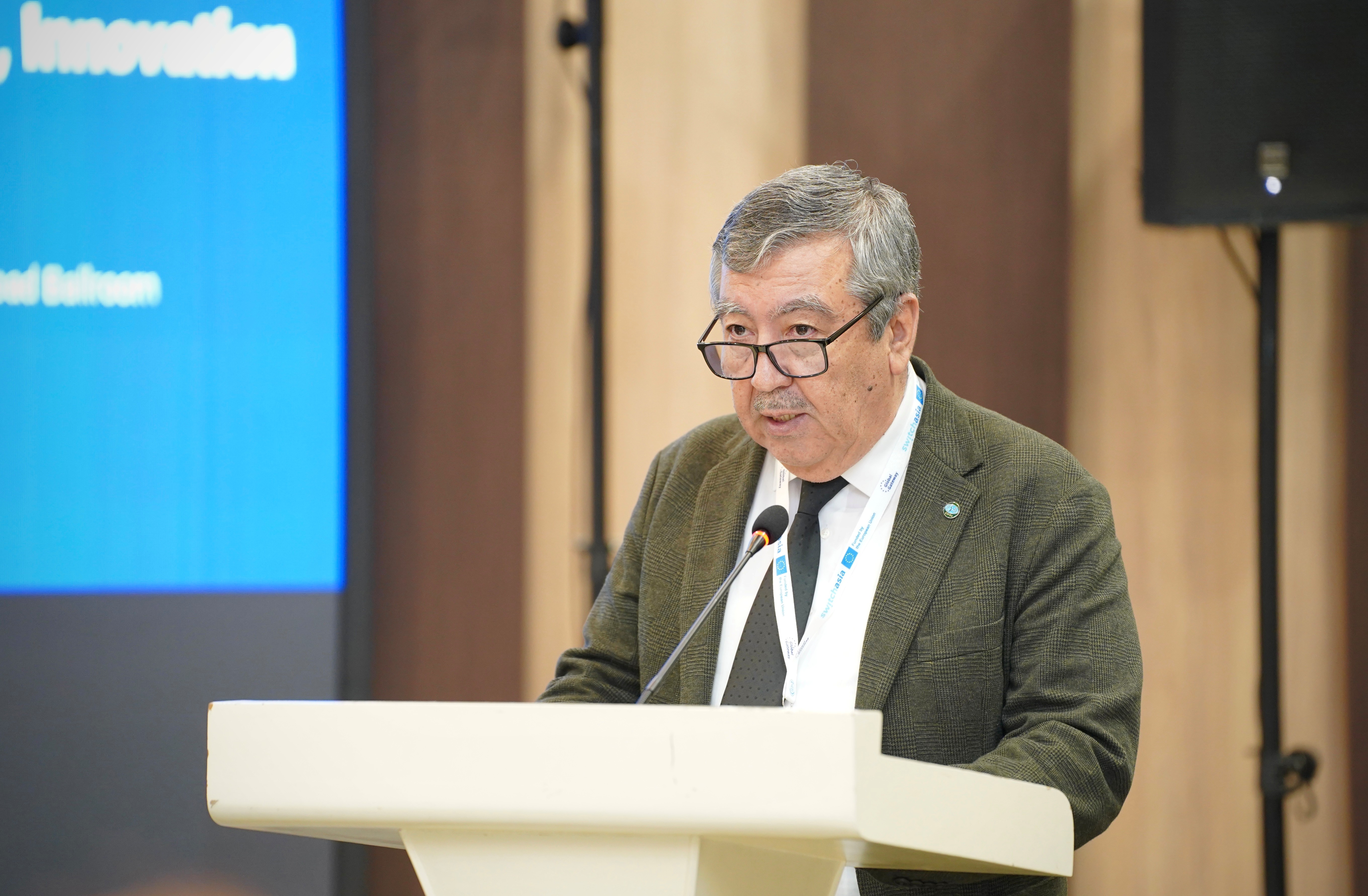
As CAREC Executive Director Batyr Mamedov noted: “This platform, established by CAREC in 2016 with the support of the EU CAWECOOP project, is now entering a crucial stage. We are moving from environmental education to studying best practices for incentivizing the circular economy through legislative action. Our goal is to make Central Asia a magnet for 'green' investment through clear and unified laws across all countries.”

● Whereas the circular economy was previously discussed as a “concept for the future,” the focus at the Tashkent meeting has shifted to money and innovation. Key outcomes of the dialogue:
● Participants examined case studies of successful enterprises in Uzbekistan, Kazakhstan, Kyrgyzstan, and Tajikistan that utilize waste processing technologies and resource digitalization.
● Lawmakers developed a list of priority legislative measures, including the introduction of “green” government procurement and the improvement of extended producer responsibility (EPR) mechanisms.
● Participants continued discussions on the Central Asian Framework Partnership on the Circular Economy.
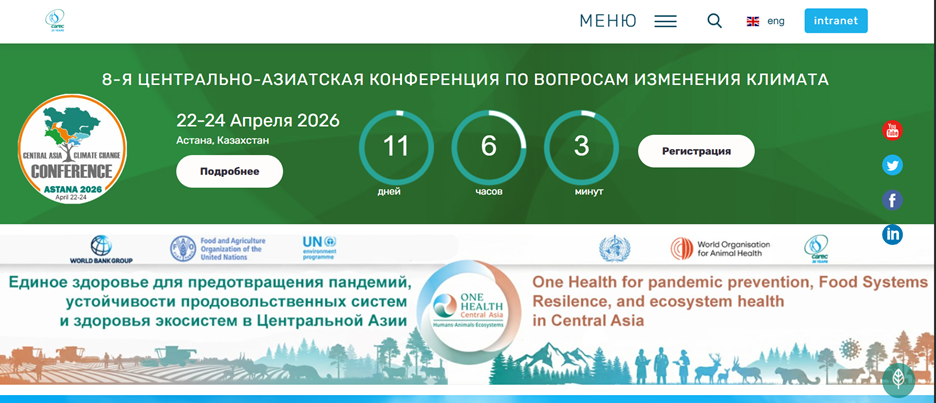
The Tashkent Dialogue served as a “dress rehearsal” ahead of a major event. All the recommendations developed will form the basis of the Central Asian Framework Partnership on the Circular Economy. The official launch of this large-scale program will take place in just two weeks at the Regional Environmental Summit in Kazakhstan (April 22–24, 2026).
Author: Lyudmila Kiktenko, Program Manager for Environmental Management, Regional Environmental Center for Central Asia, e-mail:lkiktenko@carececo.org