

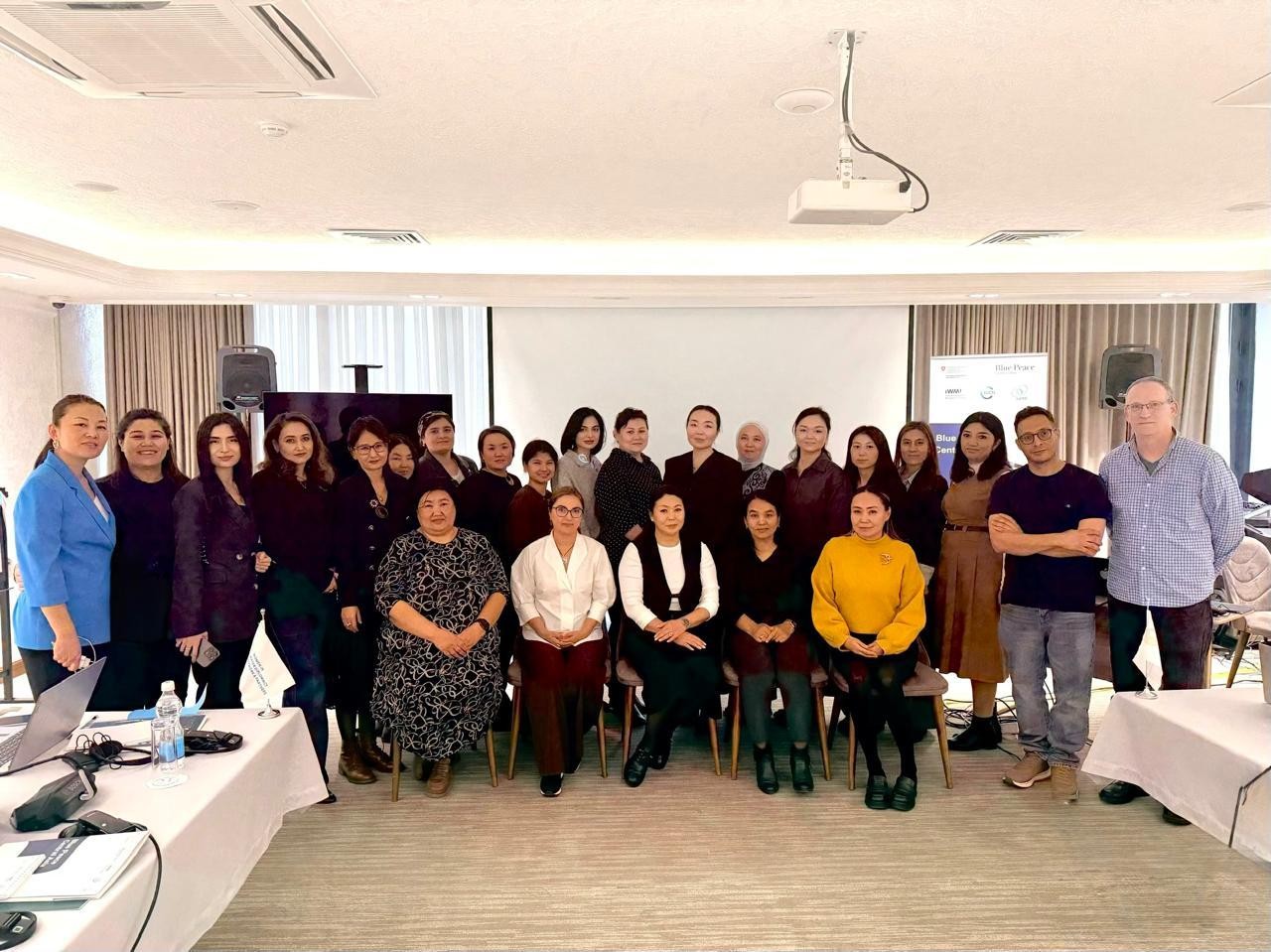
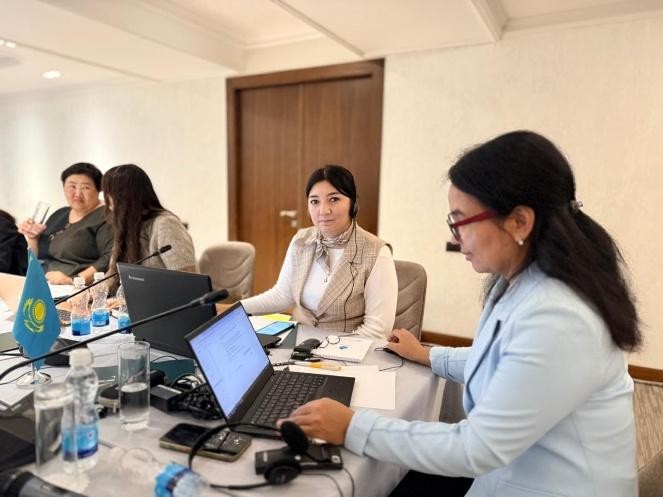
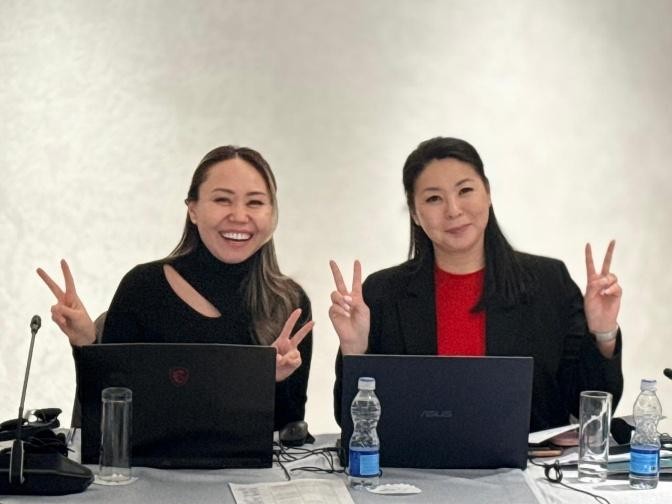
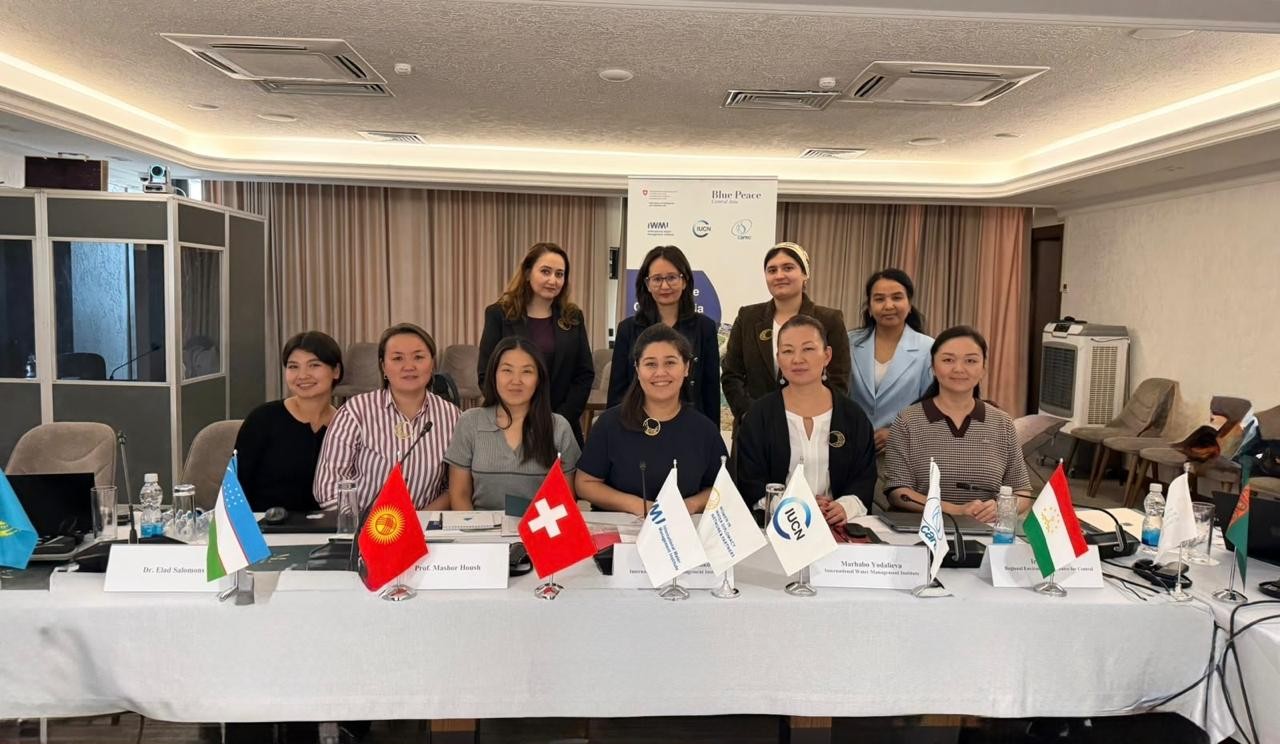
On 12–13 November 2026, a regional workshop entitled “Practical Application of Artificial Intelligence (AI) Tools in Water Resources Management” was held in Tashkent, Uzbekistan, for members of the Regional Network “Women in Water Management in Central Asia and Afghanistan”. Participants included representatives of relevant ministries and water management agencies, hydrometeorological services, leading research institutes and educational institutions from across Central Asia.
The workshop was organised under the Blue Peace Central Asia (BPCA) initiative with the support of the Swiss Agency for Development and Cooperation (SDC).
The workshop aimed to strengthen the digital and analytical skills of women professionals in the water sector, with a particular focus on the practical use of artificial intelligence for data analysis, workflow automation and decision-making support in water resources management.
Participants were welcomed by Alexander Nikolayenko, Head of the Blue Peace Central Asia initiative, and Azamat Kauazov, Acting Executive Director of the Regional Environmental Centre for Central Asia (CAREC).
Alexander Nikolayenko highlighted the importance of further developing the Regional Women’s Network, strengthening professional collaboration and introducing modern technologies in the water sector. He noted that the workshop programme had been designed to reflect the interests and needs of Network members and expressed hope that participants would apply the knowledge gained in their day-to-day work.
Azamat Kauazov noted that, amid climate change and increasing pressure on water resources, digital technologies and artificial intelligence offer new opportunities to improve the efficiency of water management. At the same time, he emphasised the importance of using AI responsibly, verifying its outputs and combining digital tools with the professional expertise of water-sector specialists.
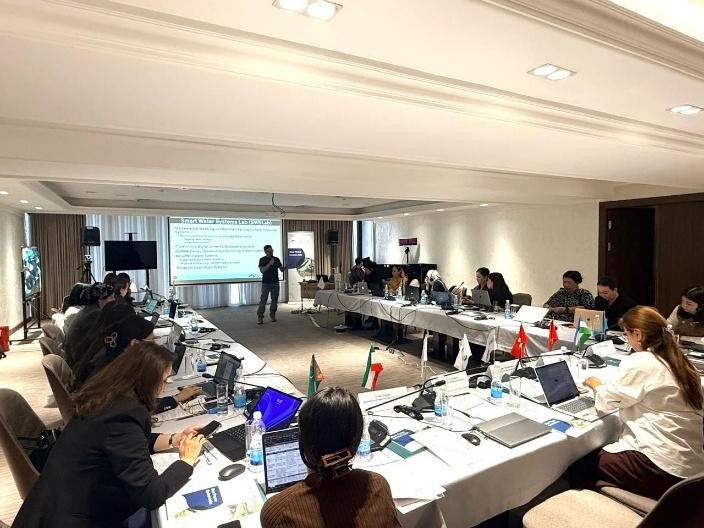
During the opening session, participants were also presented with an overview of the activities and achievements of the Regional Network “Women in Water Management in Central Asia and Afghanistan”, established in 2021 with the support of the Organization for Security and Co-operation in Europe (OSCE), CAREC and the Stockholm International Water Institute (SIWI). Participants discussed the Network’s achievements, its future development and opportunities to expand regional cooperation in 2027.
The two-day programme combined theoretical sessions with hands-on exercises. Training was delivered by international experts Professor Mashor Housh of the University of Haifa and Dr Elad Salomons, a specialist in water resources management and hydraulic modelling.
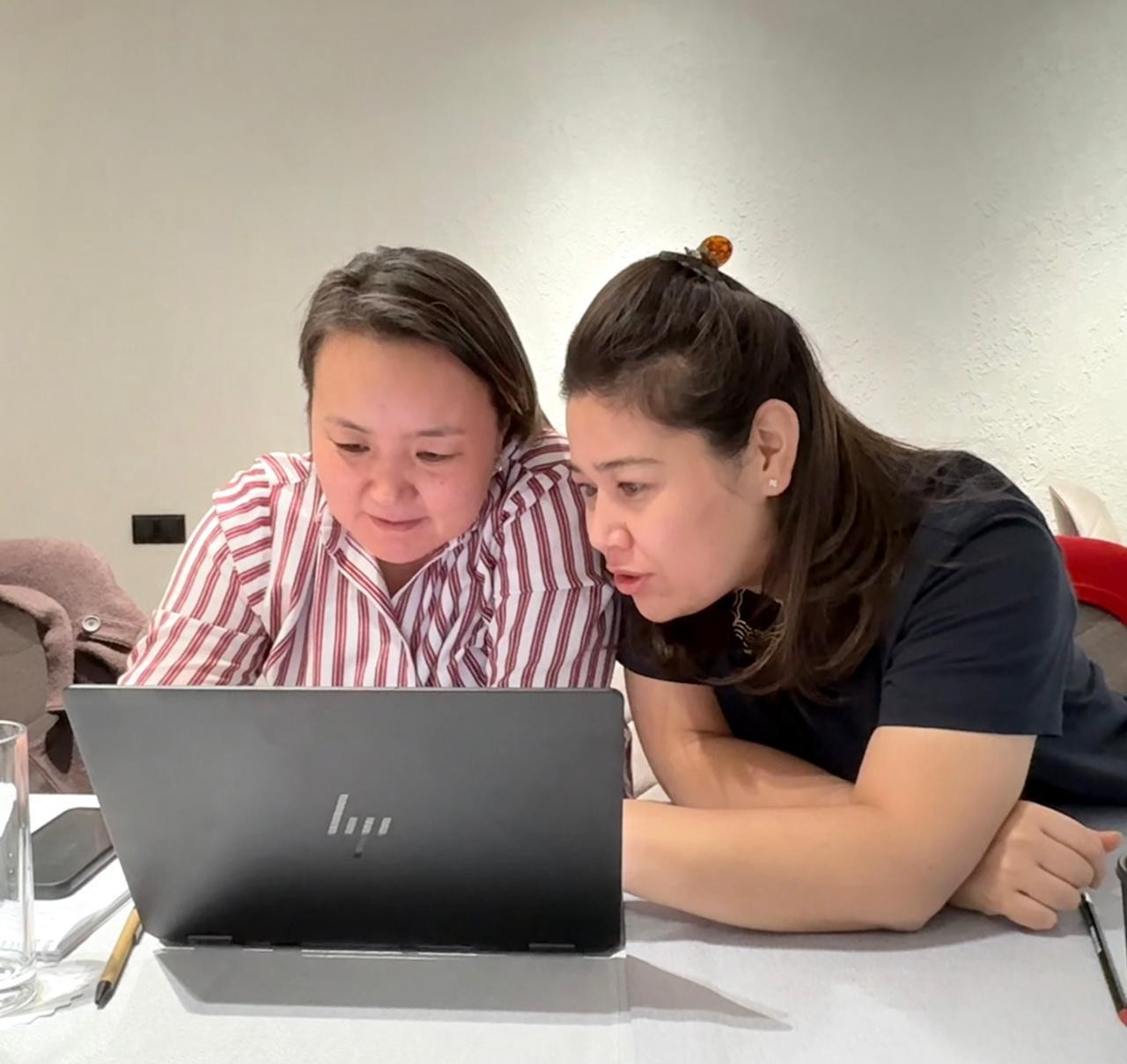
Participants explored the capabilities and limitations of artificial intelligence and learned how to use chatbots for professional tasks, analyse data and present findings through interactive charts, maps and dashboards.
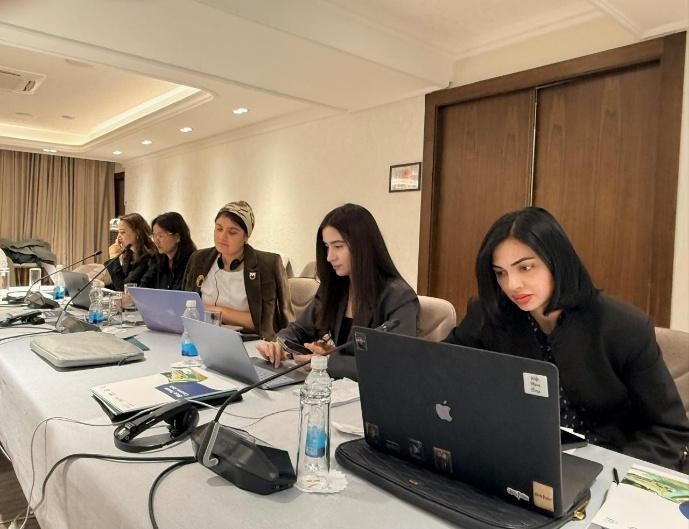
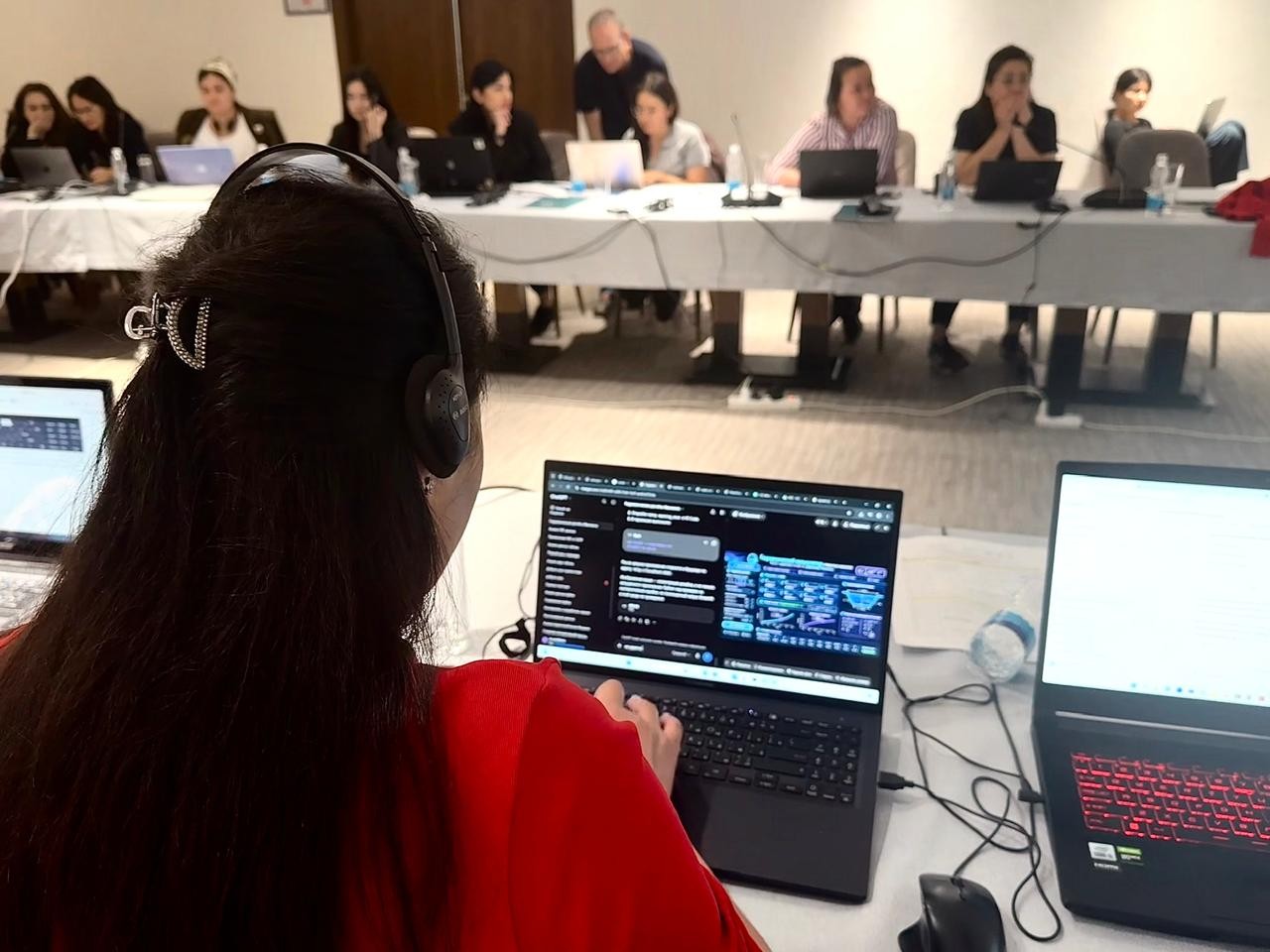
«I plan to apply the knowledge gained in my professional work, including hydrological data analysis, anomaly detection, forecasting and the preparation of analytical reports. The practical sessions on geospatial data, hydraulic modelling and the development of interactive tools for hydrological calculations were particularly valuable. These skills will help me address water resources assessment and management tasks more effectively», — said Bota Aitymova from Kazakhstan, Head of the Department of Hydrological Process Modelling and Hydrological Calculations at the Research Centre of RSE «Kazhydromet».
The first day focused primarily on applications of AI in water supply and wastewater systems. Participants learned to analyse water consumption, detect unusual changes in meter readings, forecast water demand, assess pumping equipment performance and investigate relationships between rainfall and wastewater flows.
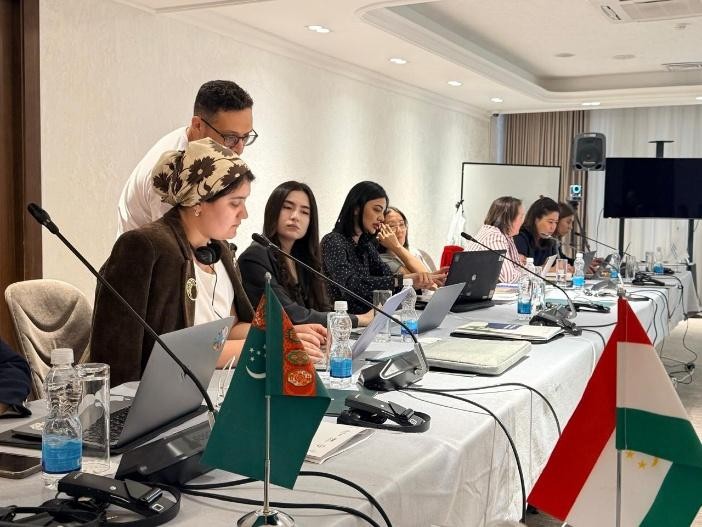
«I plan to use the knowledge gained during the workshop to develop a Python program for modelling drinking water and wastewater treatment processes», - said Nargiz Kholmatova from Uzbekistan, Technical Coordinator for Water Treatment and Wastewater Treatment Plants at SUEZ International SAS
On the second day, participants applied AI tools to analyse river discharge, water levels and precipitation, examine seasonal patterns and forecast hydrological variables. Practical exercises also covered creating interactive maps, working with geospatial data, developing hydraulic models, building calculation tools for canal design and exploring ways to improve the energy efficiency of pumping stations.
Particular attention was paid to the responsible use of artificial intelligence, including validating the reliability of generated results, drawing on trustworthy information sources and protecting data confidentiality.
«The workshop was particularly useful for my research and consultancy work on climate and environmental initiatives. Through the practical exercises, we moved beyond basic chatbot use to applying artificial intelligence for data analysis, automating calculations and developing interactive tools. At the same time, it is essential to verify AI-generated results carefully, paying particular attention to their reliability and data security», — said Maya Islamova from Turkmenistan, an expert at The Global Centre for Advanced Studies.
The workshop provided a valuable platform for knowledge exchange and for strengthening professional connections among women working in the water sector across Central Asia. The skills acquired can be applied to water resources monitoring, water infrastructure management and scientific research.
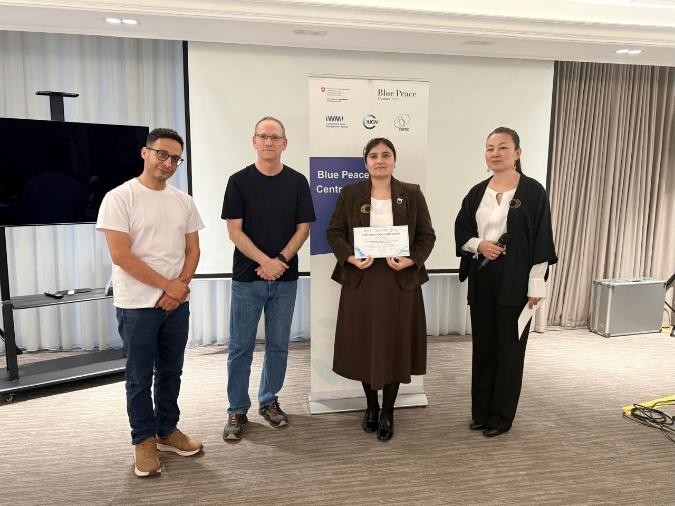
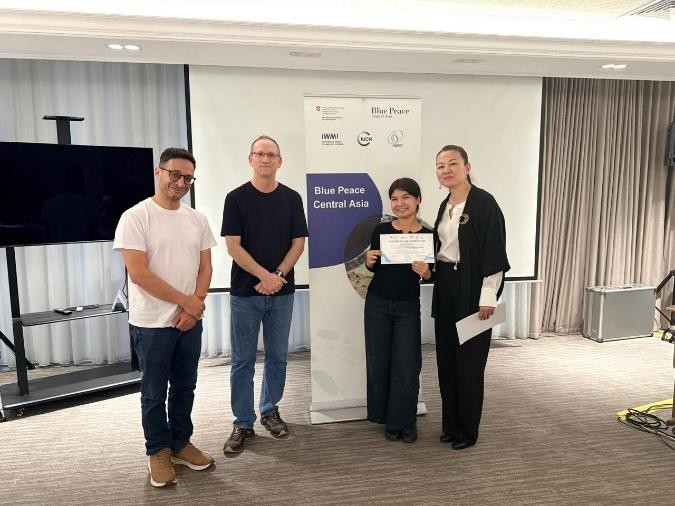
At the conclusion of the workshop, participants received certificates recognising their successful completion of the training.
Background information:
The Blue Peace Central Asia initiative (2025–2029) is implemented by a consortium comprising the International Water Management Institute (IWMI) and the International Union for Conservation of Nature (IUCN), in strategic partnership with the Regional Environmental Centre for Central Asia (CAREC).
The initiative focuses on three main areas: water diplomacy; projects to develop basin management and investment plans for small transboundary rivers; and capacity building for young people and women.
Blue Peace promotes a multi-level, multi-stakeholder approach to water resources management in Central Asia. Particular emphasis is placed on the equitable allocation and efficient management of water resources, recognising their close links to the region’s socio-economic development and stability.
For further information:
Irina Yugay — Acting Manager, Water Initiatives Support Programme CAREC, i.yugay@carececo.org