

On November 23, 2026, a training seminar for forestry specialists was held in the city of Osh on the topic “Biosafety and Forest Biotechnology: Implementation of the Cartagena Protocol in the Forest Sector of the Kyrgyz Republic.” The event was aimed at raising awareness among representatives of the forestry sector regarding biosafety issues, modern biotechnologies, and the conservation of genetic diversity in forest ecosystems.
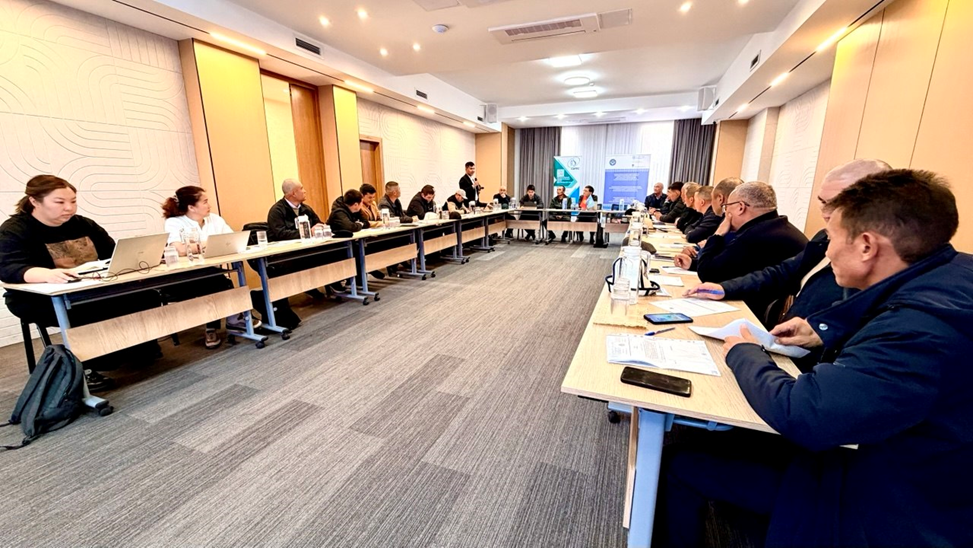
The training seminar was organized by the Regional Environmental Center for Central Asia (CAREC) as part of the FAO/GEF project “Implementation of the National Biosafety Mechanism of the Kyrgyz Republic in accordance with the Cartagena Protocol on Biosafety,” which is being implemented by CAREC in the Kyrgyz Republic. Participants included representatives from the central office of the Forest Service under the Ministry of Natural Resources, Ecology, and Technical Supervision of the Kyrgyz Republic, as well as its regional offices, forestry enterprises, and specially protected natural areas. A total of 23 forestry enterprises from the Osh, Batken, and Jalal-Abad regions were represented.
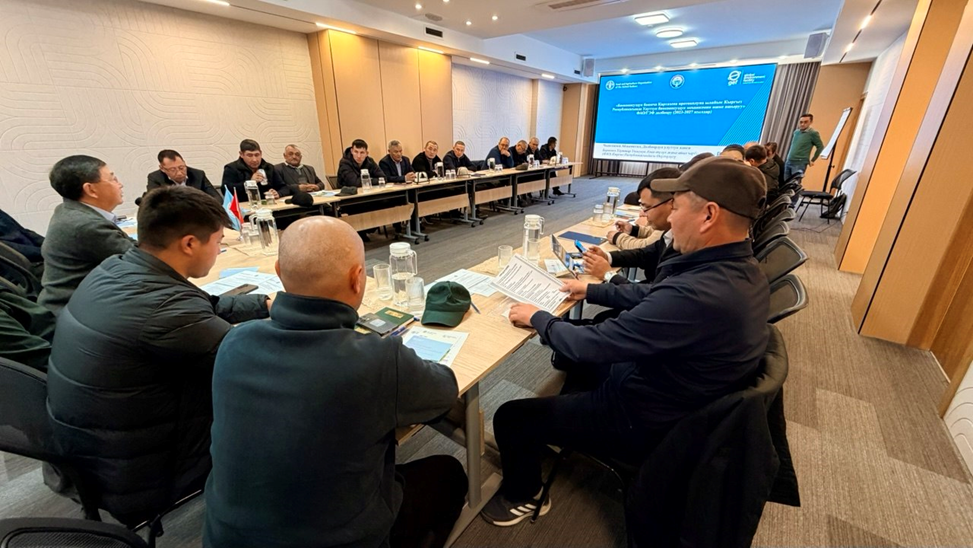
Participants focused on the relationship between biosafety and the conservation of forest biodiversity. They discussed the role of forestry specialists in the national regulatory system for genetically modified organisms (GMOs) and living modified organisms (LMOs), as well as the need to take biosafety issues into account when introducing modern biotechnologies into the forestry sector.
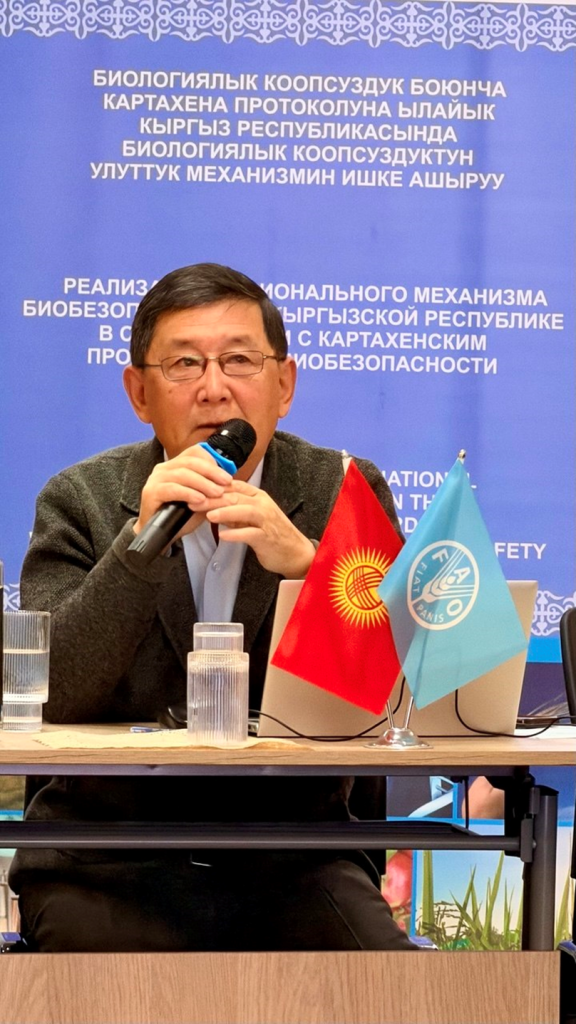
Abdymital Chyngozoev, an expert with the FAO/GEF project, spoke about the importance of biosafety for the conservation of Kyrgyzstan’s natural ecosystems. He emphasized that when using new biotechnologies—including drought-tolerant varieties and planting material—it is important to consider not only their potential benefits but also their possible impact on local plant species and the country’s natural genetic resources.
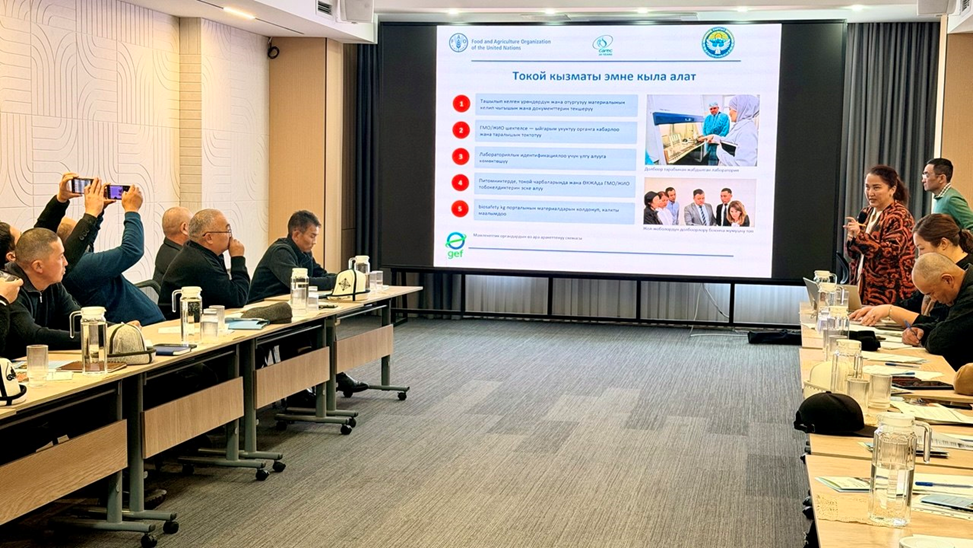
Maral Sagnaliev, a policy expert at the Regional Environmental Center for Central Asia (CAREC), presented the international biosafety system and discussed its significance for forestry.
The presentation focused in particular on the genetic diversity of Kyrgyzstan’s nut and fruit forests, where wild relatives of cultivated plants grow, including the Sivers apple, the walnut, and the pistachio. These species are of particular value for the conservation of plant genetic resources.
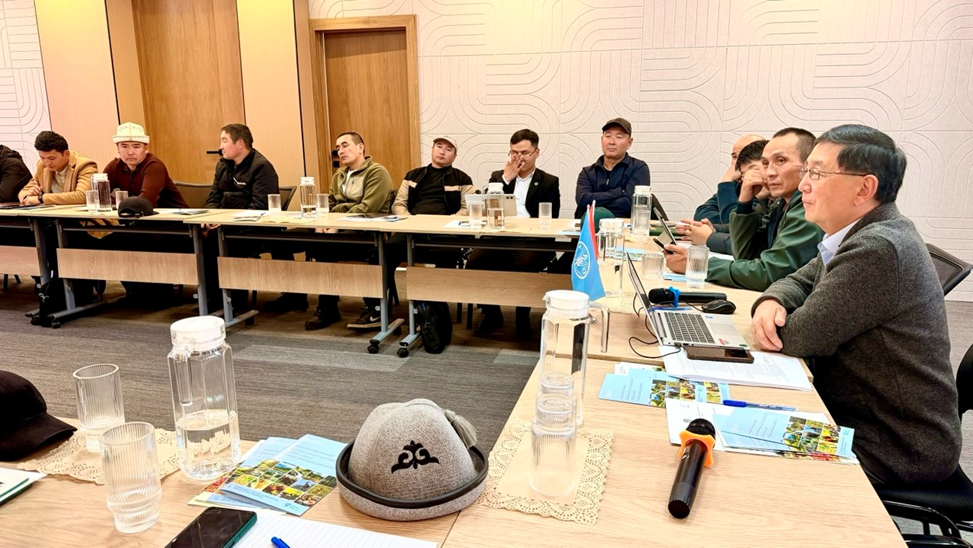
The session also examined the main provisions of the Cartagena Protocol on Biosafety, mechanisms for assessing the risks of GMOs and living modified organisms, and international experience in the application of forest biotechnology. Special attention was given to the importance of tracking the origin of seeds and planting material to prevent potential risks to natural ecosystems.
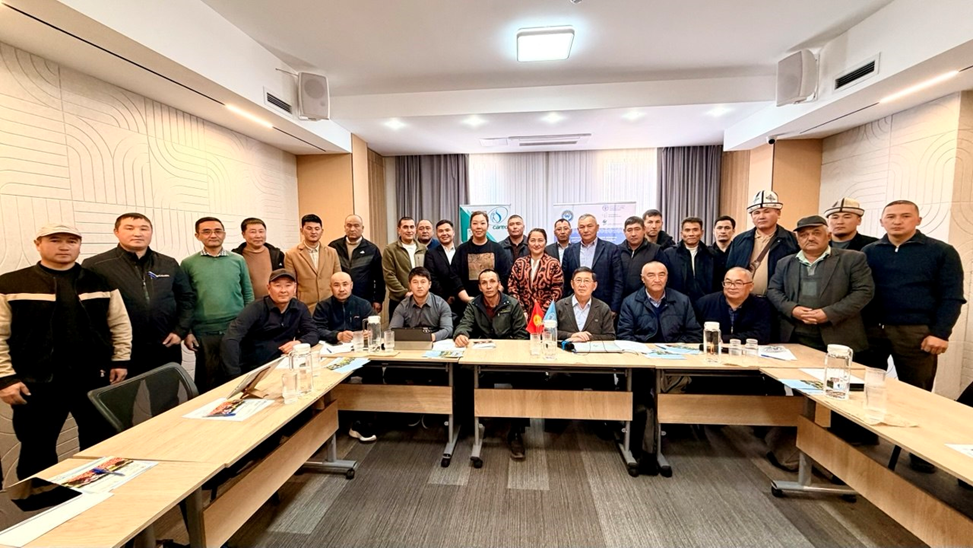
During the practical portion of the seminar, participants learned about methods for the laboratory identification of GMOs, the procedures for collecting and submitting plant material samples for analysis, the legal framework governing biosafety, and the mechanisms for interagency cooperation in this area.
The seminar highlighted the importance of incorporating biosafety issues into forestry practices. Forest conservation involves not only protecting natural areas but also preserving the country’s genetic heritage. Collaboration among the forestry sector, the scientific community, and biosafety experts plays a crucial role in this process.
For more information:
Kuban Matraimov – Director of the Kyrgyz Branch of CAREC, kyrgyzstan@carececo.org