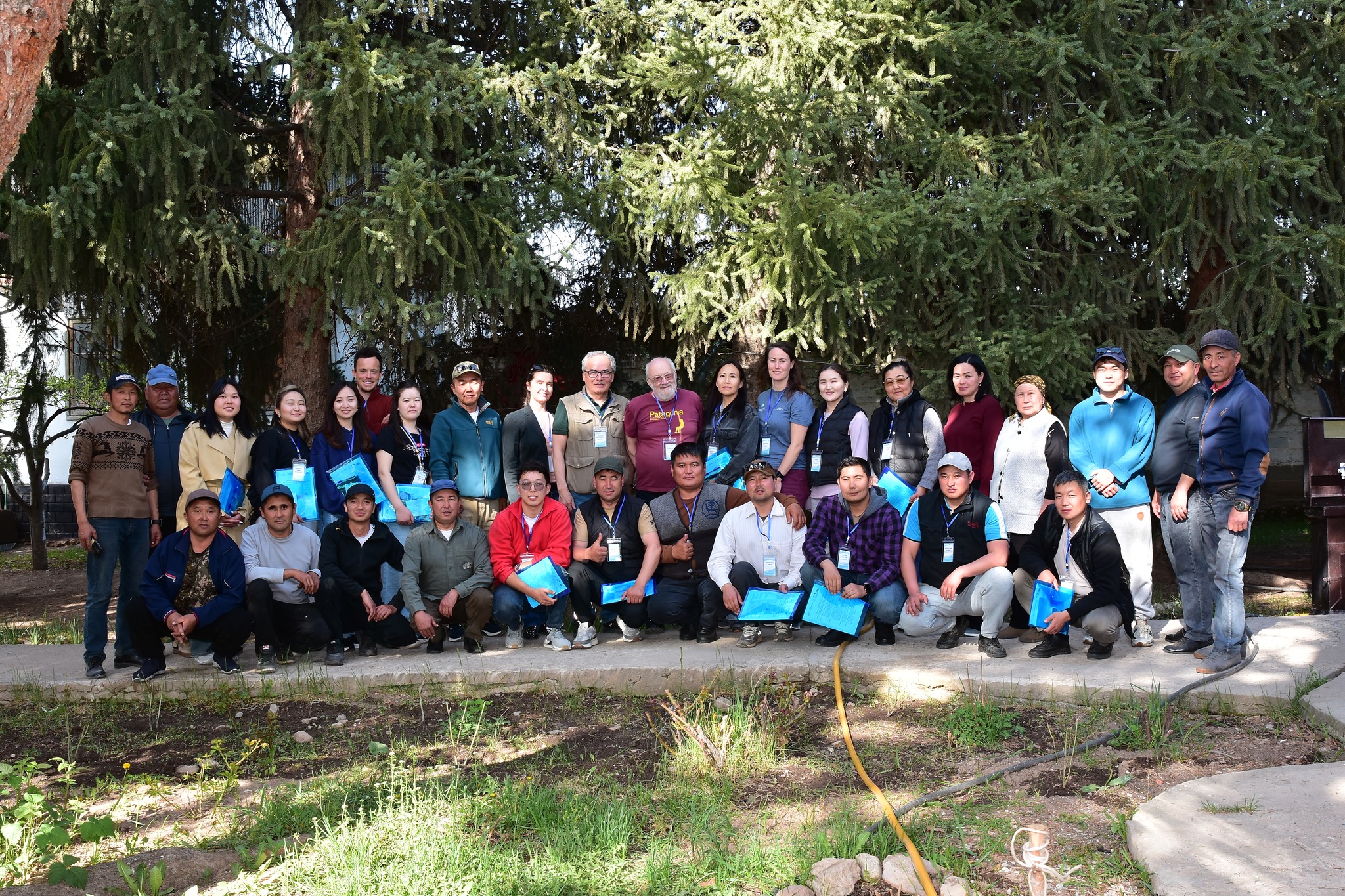
An international hands-on training course, “Instrumental and Remote Sensing Methods for Glacier Monitoring,” has successfully concluded in Kyrgyzstan. The training was organized by the Tian Shan International Research Center (TSHIRC) under the Institute of Water Problems and Hydropower of the National Academy of Sciences of the Kyrgyz Republic within the framework of the World Bank-financed the Kyrgyz Republic Resilient Landscape Restoration Project (RESILAND Kyrgyzstan), under the RESILAND CA+ Program.
Through RESILAND Kyrgyzstan, the foundations are being established for a modern glacier monitoring system in Kyrgyzstan and across Central Asia through specialist training, the introduction of field-based and remote sensing observation methods, and the strengthening of regional scientific capacity.
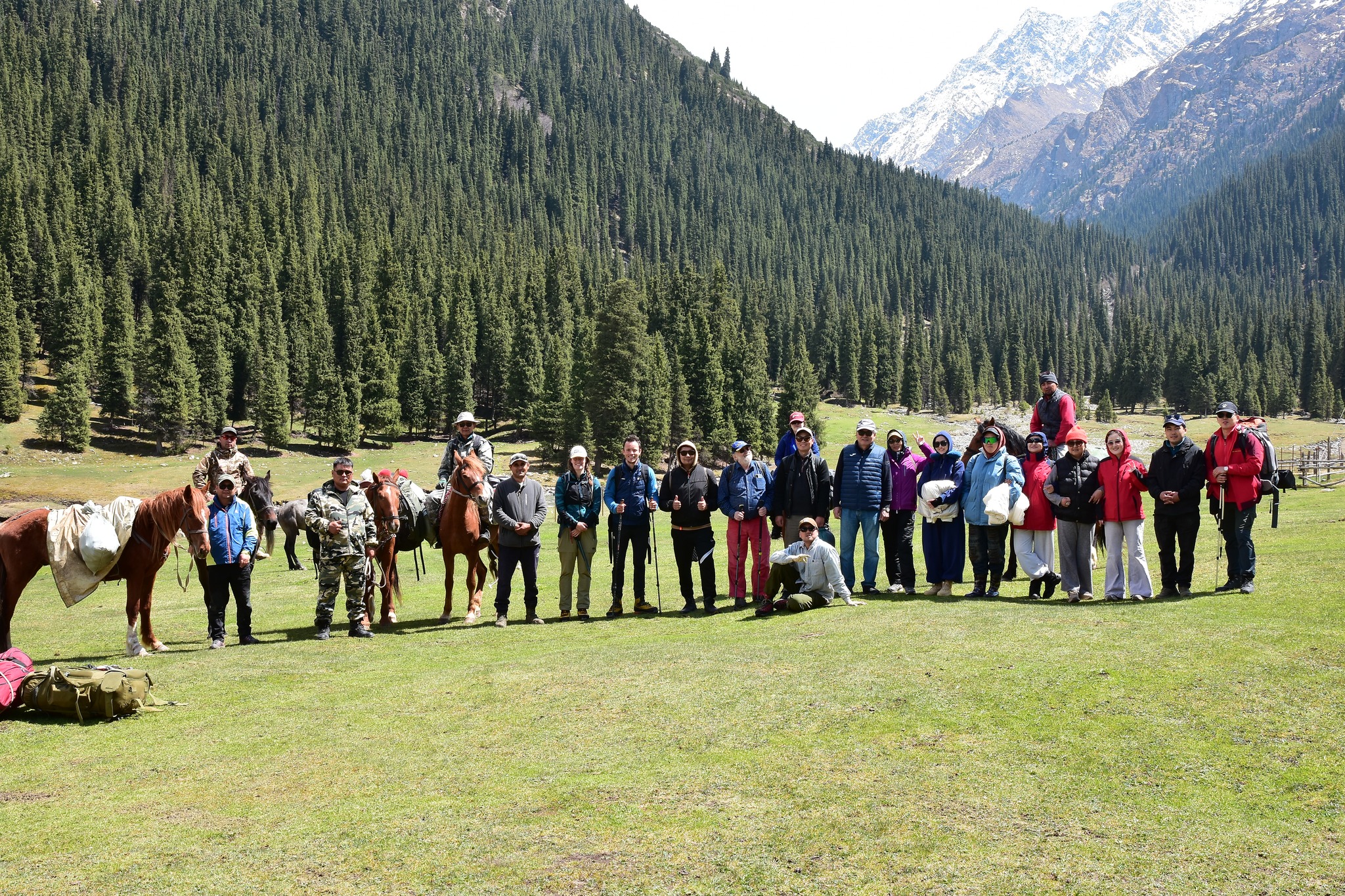
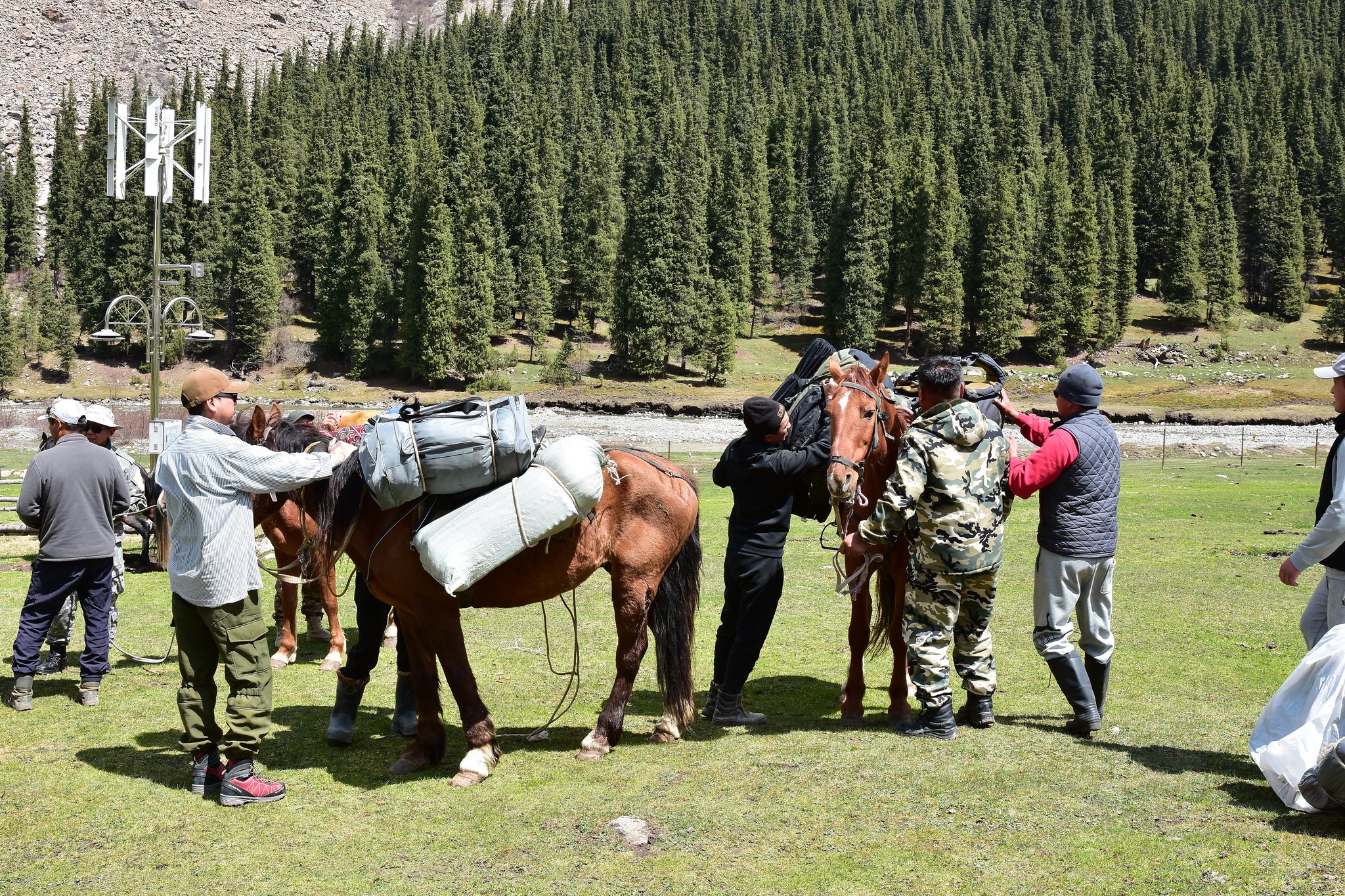
The training was held from April 27 to May 2, 2026, at the TSHIRC field station in Kyzyl-Suu village and on the Kara-Batkak Glacier (3,330 m above sea level) located on the northern slope of the Teskey Ala-Too Range. Participants included specialists from Kyrgyzhydromet, researchers from scientific institutions, graduate students, and early-career scientists working in the fields of glaciology, climatology, and natural resource monitoring.
The training was delivered by experts and practicing glaciologists from Université libre de Bruxelles (Belgium), Lomonosov Moscow State University (Russian Federation), and specialists from the Tian Shan High Mountain Research Center.
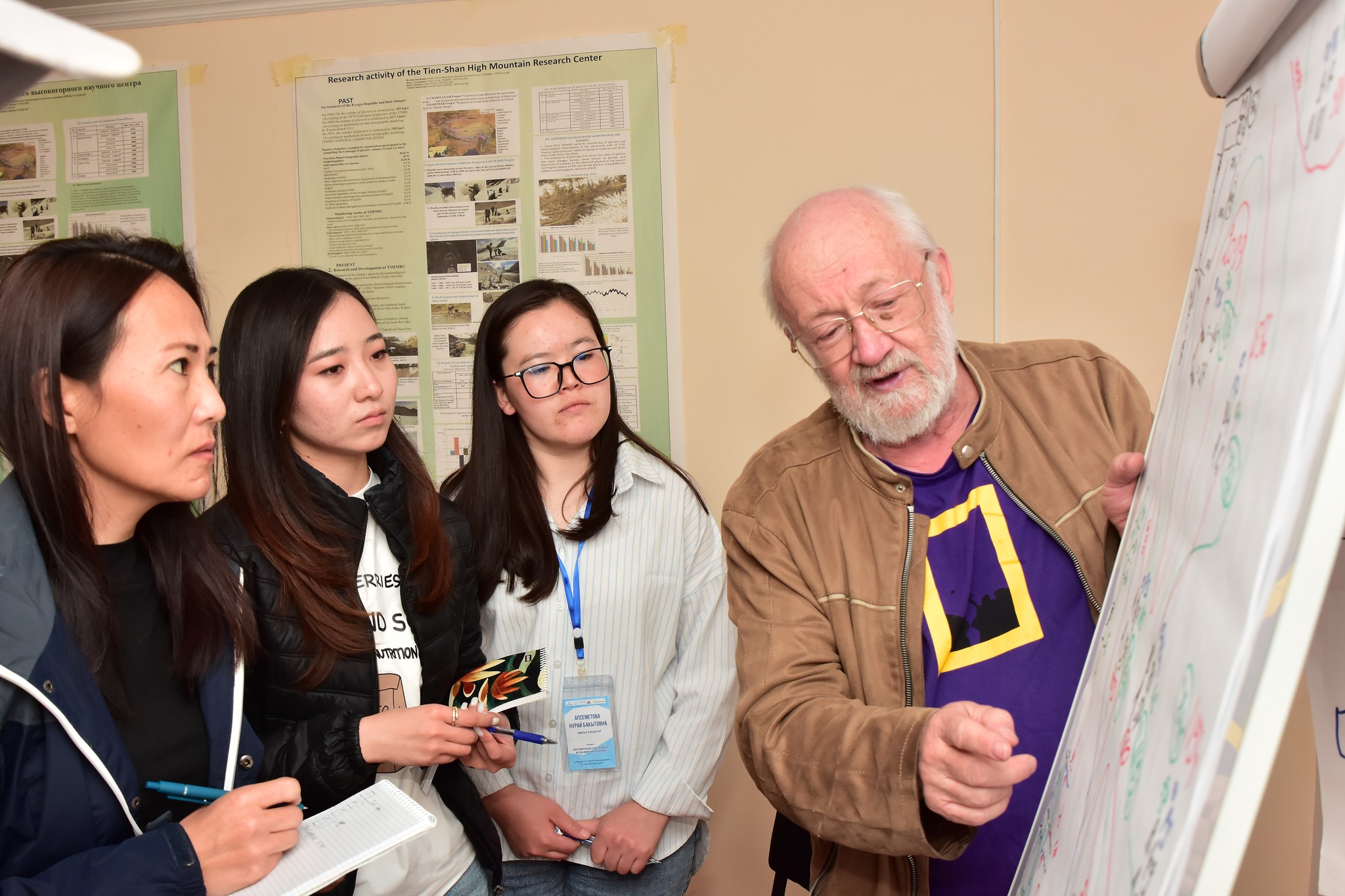
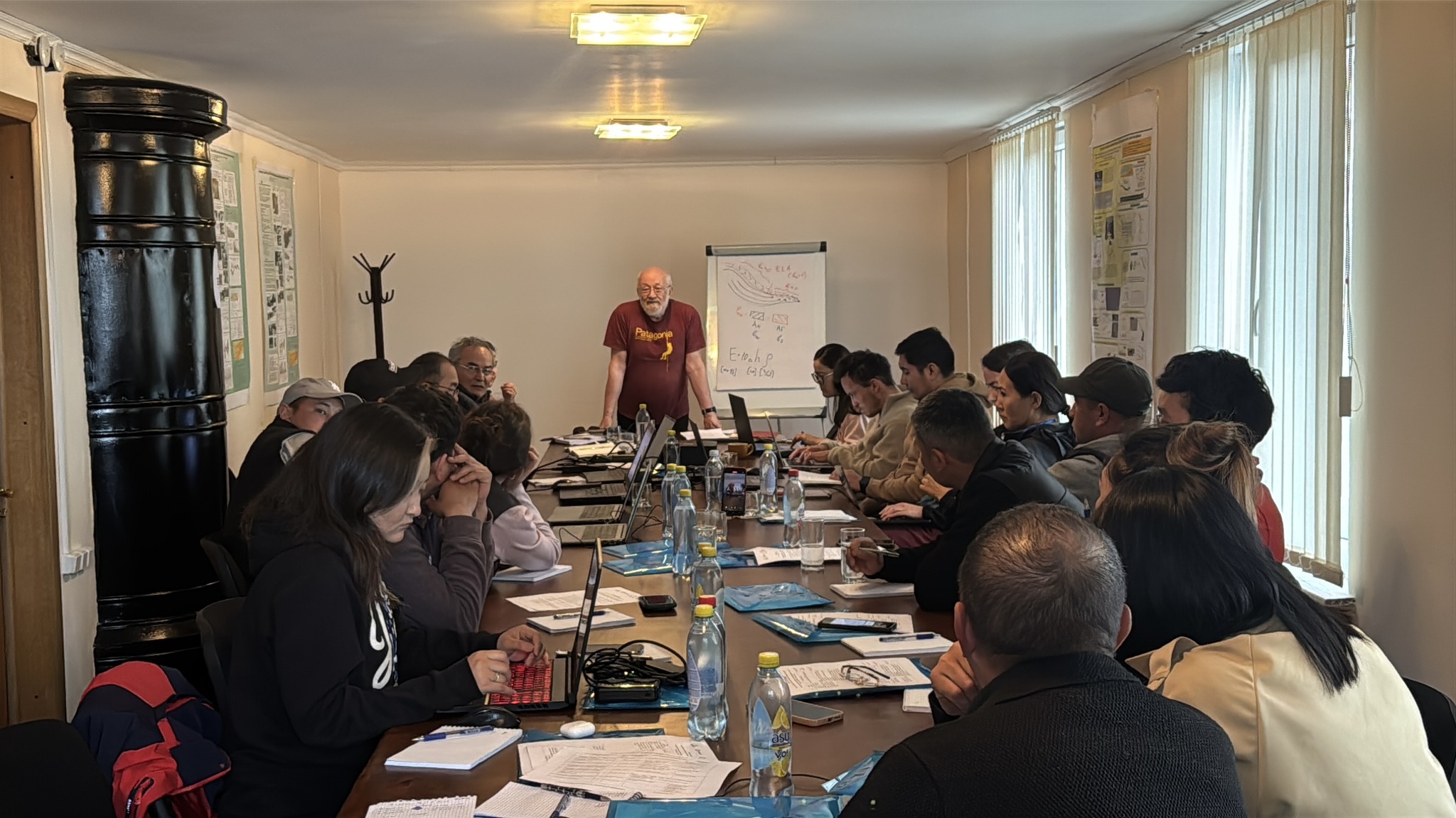
A key feature of the training was the integration of traditional instrumental glaciological methods with modern remote sensing technologies. The initial sessions focused on theoretical instruction, covering glacier mass balance processes, accumulation and ablation dynamics, snow survey techniques, and the role of glaciers in sustaining Central Asia’s water resources.
Particular emphasis was placed on the fact that in situ instrumental measurements remain the “gold standard” of glaciological monitoring. These observations are essential for validating and refining remote sensing data, calibrating climate models, and assessing glacier changes under a changing climate.
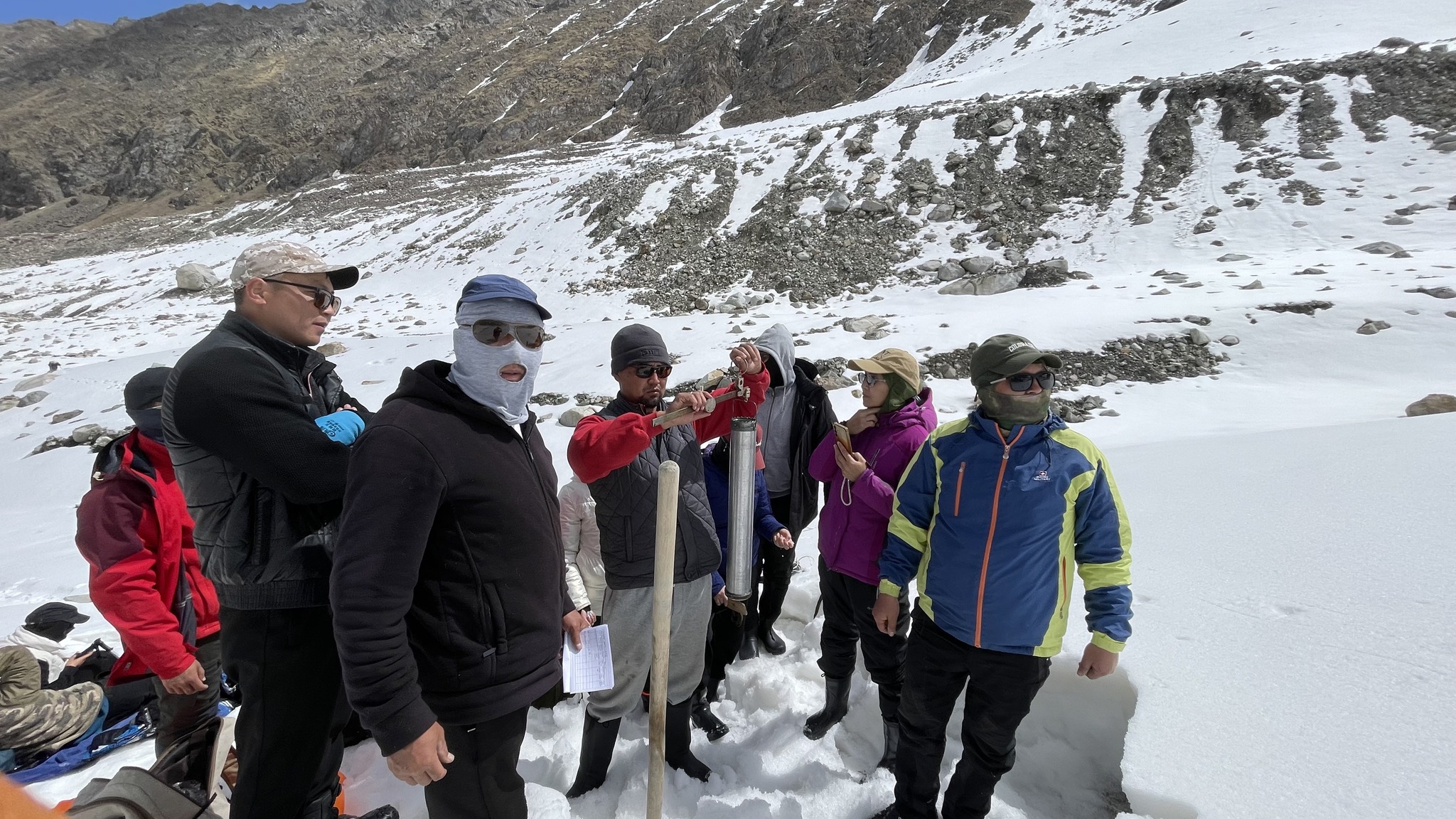
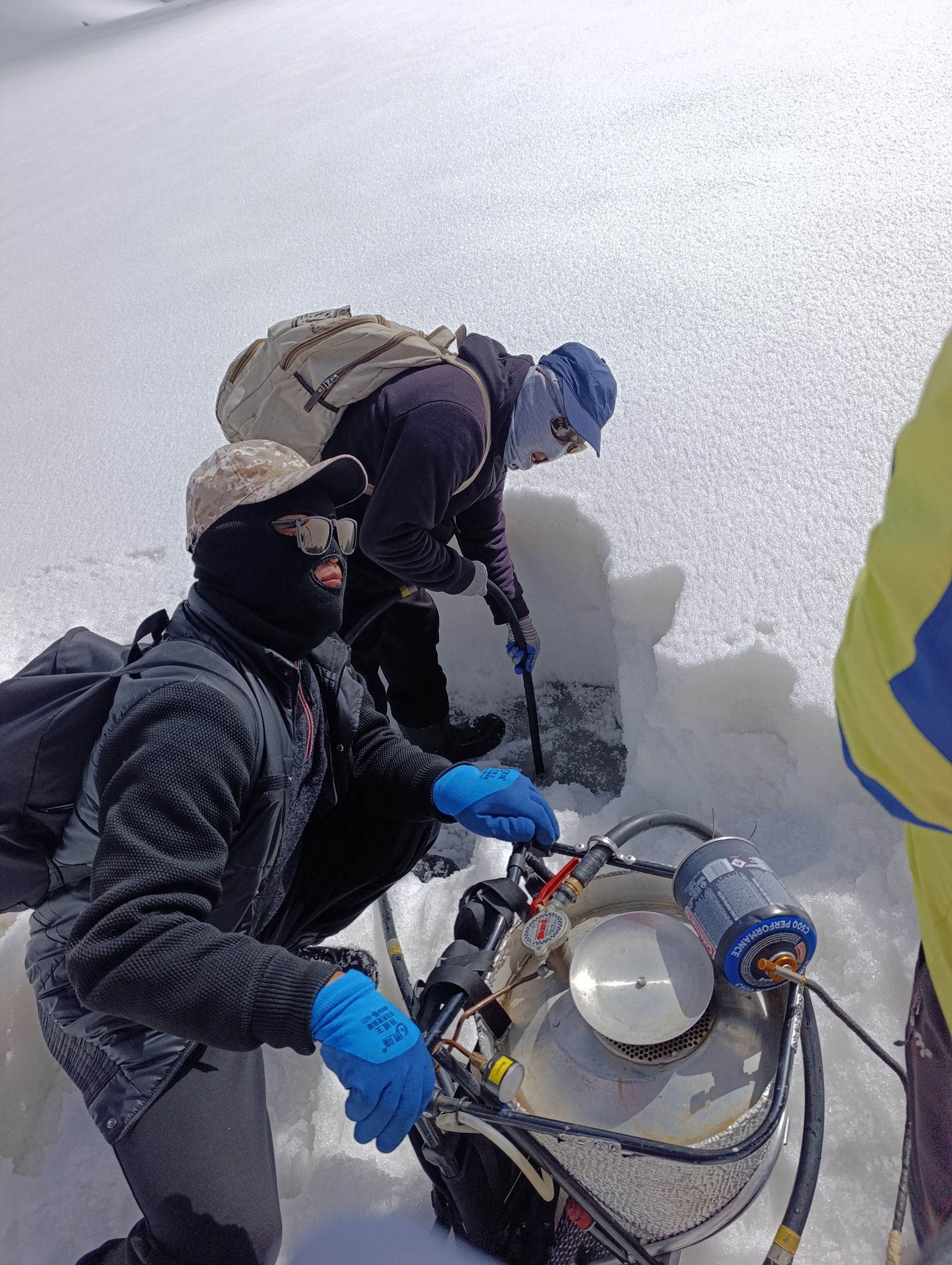
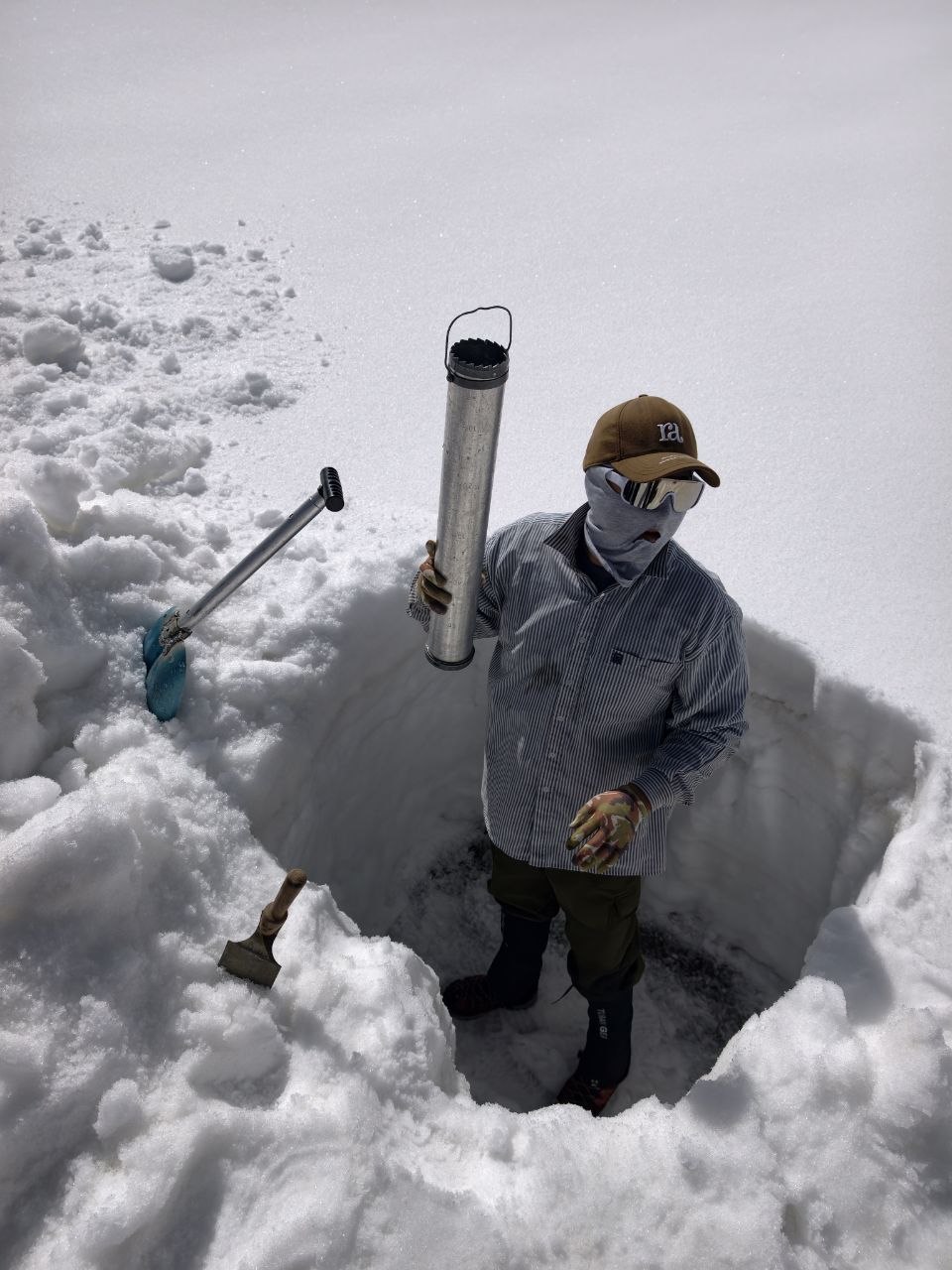
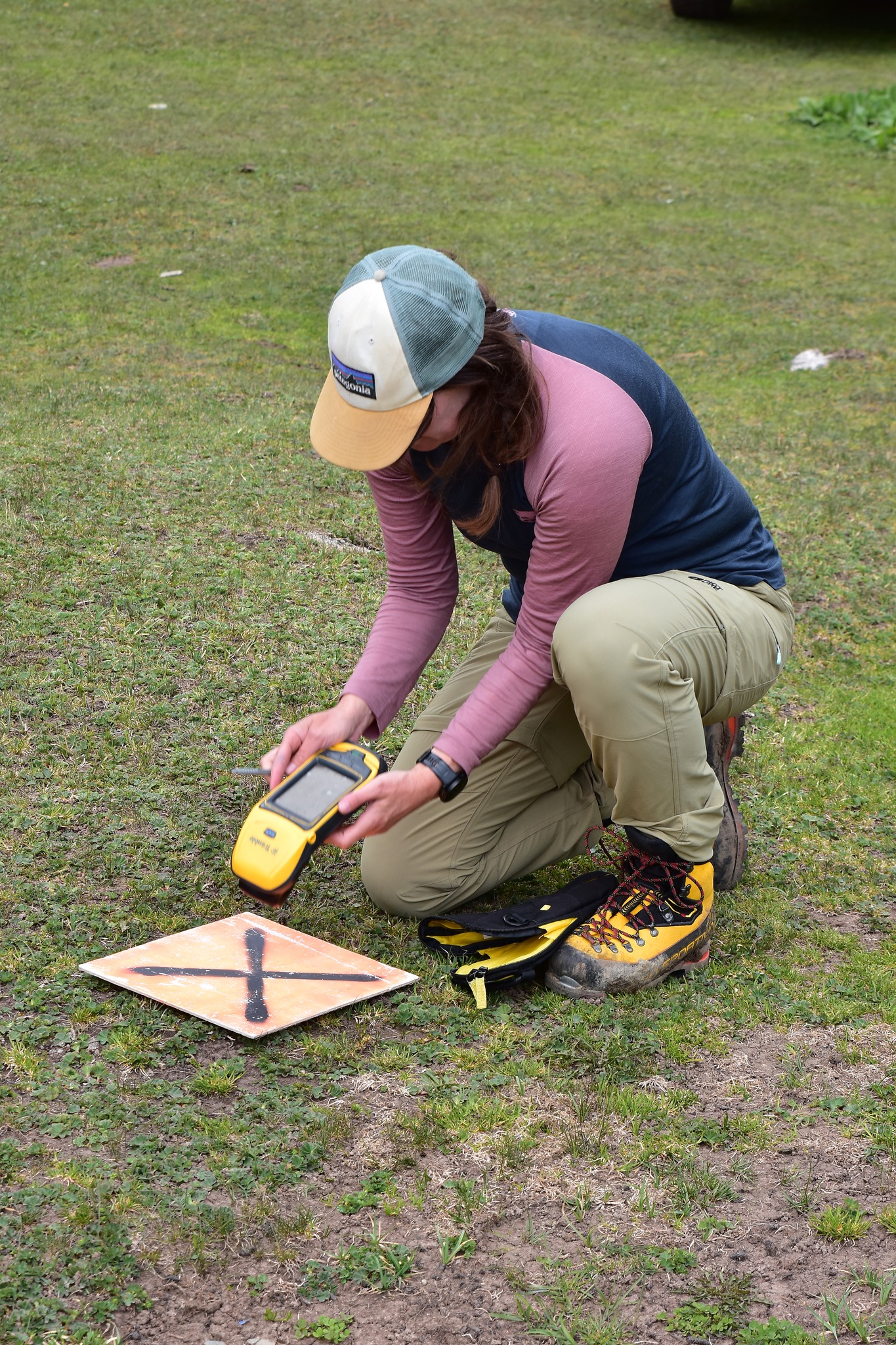
Following the theoretical component, participants conducted fieldwork directly on the Kara-Batkak Glacier. Practical activities included:
• snow surveys and snow depth measurements;
• excavation of snow pits and snow and ice density measurements;
• installation of ablation stakes to monitor glacier melt;
• GPS surveying of the glacier surface;
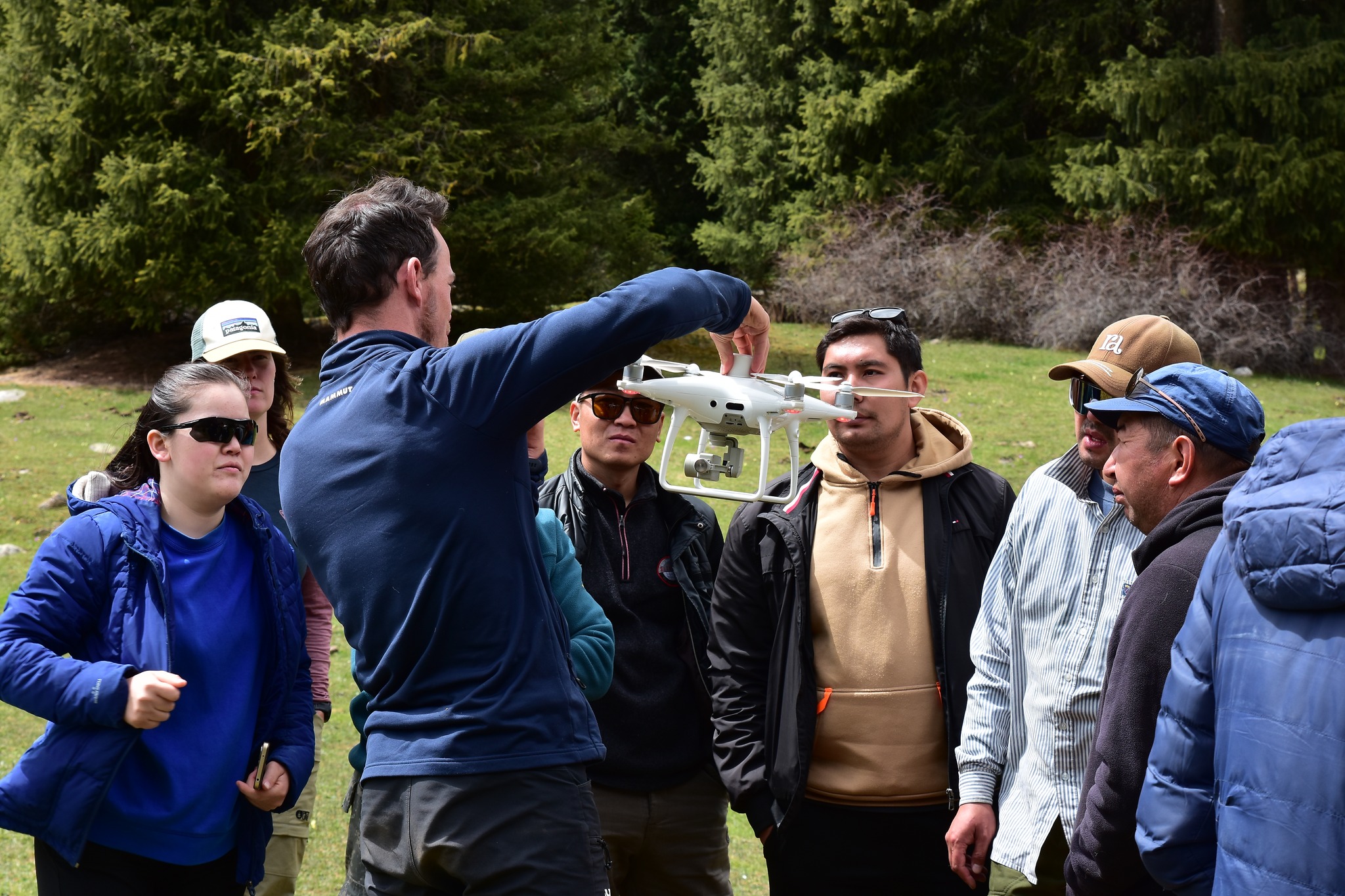
• UAV-based remote sensing surveys of exposed glacier areas; and
• collection of data for the development of digital elevation models.
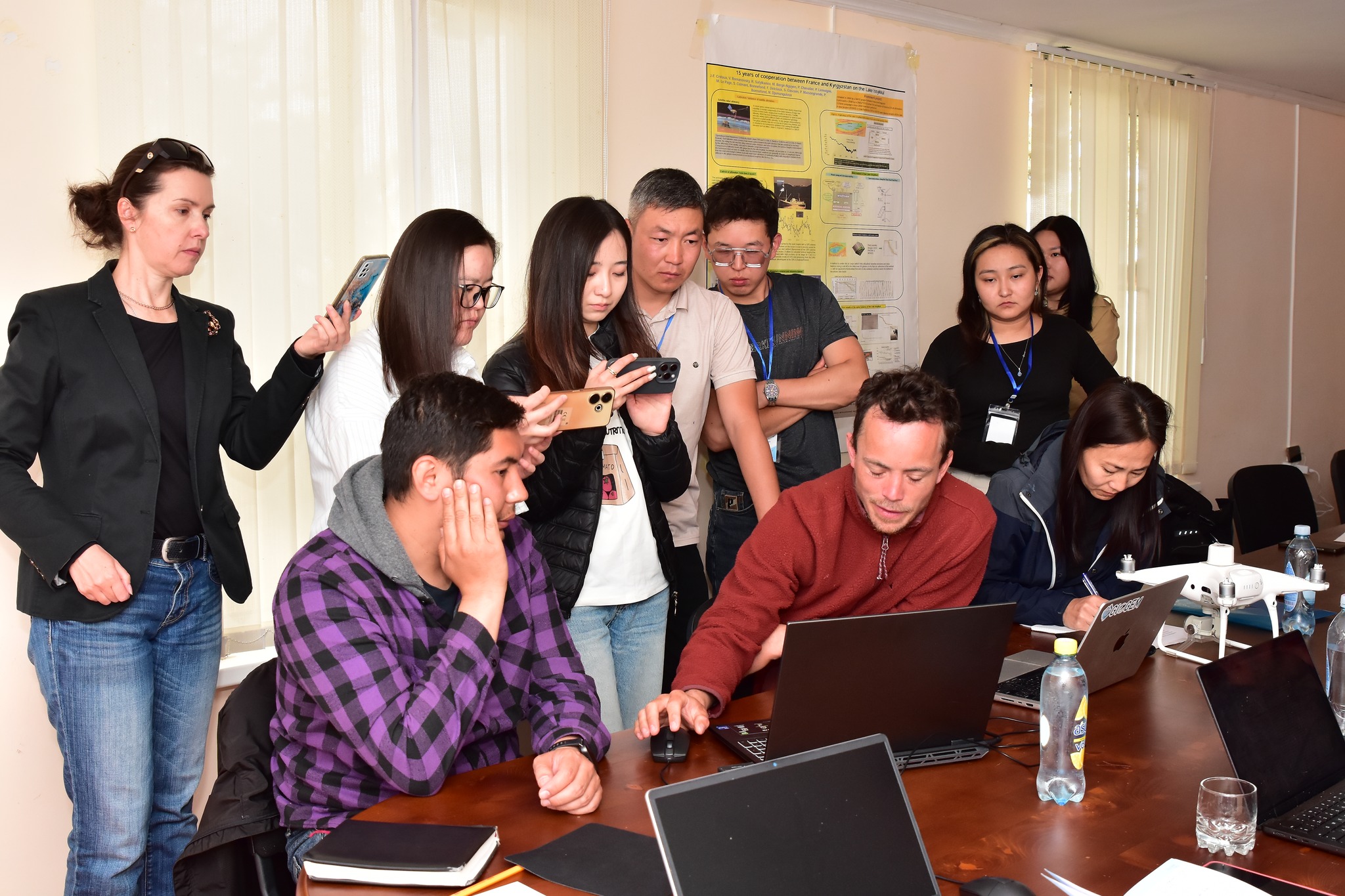
During the final stage of the training, participants independently processed the collected data, calculated glacier mass balance, produced accumulation and ablation maps, analyzed seasonal snow water storage, and learned to process aerial imagery using Pix4D software.
The training also resulted in the development of methodological materials on snow monitoring, remote sensing data processing, and glacier mass balance assessment. These resources provide a foundation for harmonizing glacier monitoring methodologies and advancing a unified observation system across the region.
A total of 20 representatives from scientific, educational, and government institutions in Kyrgyzstan participated in the training.
Upon completion, participants received certificates and gained practical experience across the full research cycle—from field measurements to data analysis and interpretation.
Activities in this area will continue. During the summer field season of 2026, the Tian Shan International Research Center, together with international partners, plans to organize additional practice-oriented events, including a training course on buried ice monitoring, a regional glaciological expedition, a Summer Knowledge Exchange School, and a Youth Climate Camp.
Such initiatives are helping to establish a sustainable scientific and educational platform in Central Asia for glacier research, capacity building of young professionals, and enhanced regional cooperation in climate change monitoring and adaptation.