

The Tigrovaya Balka Nature Reserve is a world-renowned reserve where pristine tugai forests have been protected. It is one of the few places where the iconic Asian poplar still grows in its natural state.
The reserve was established in 1938 in Tajikistan, covering approximately 50,000 hectares. Its exceptionally rich flora and fauna, a unique combination of wetland, mountain, and desert ecosystems, and the presence of endangered species led to its inclusion on the UNESCO World Heritage Site in 2023.
It is one of the largest tugai forest reserves in the world. The Panj and Vakhsh rivers flow through it, converging in southwestern Tajikistan to form the Amu Darya River, one of major rivers of Central Asia.
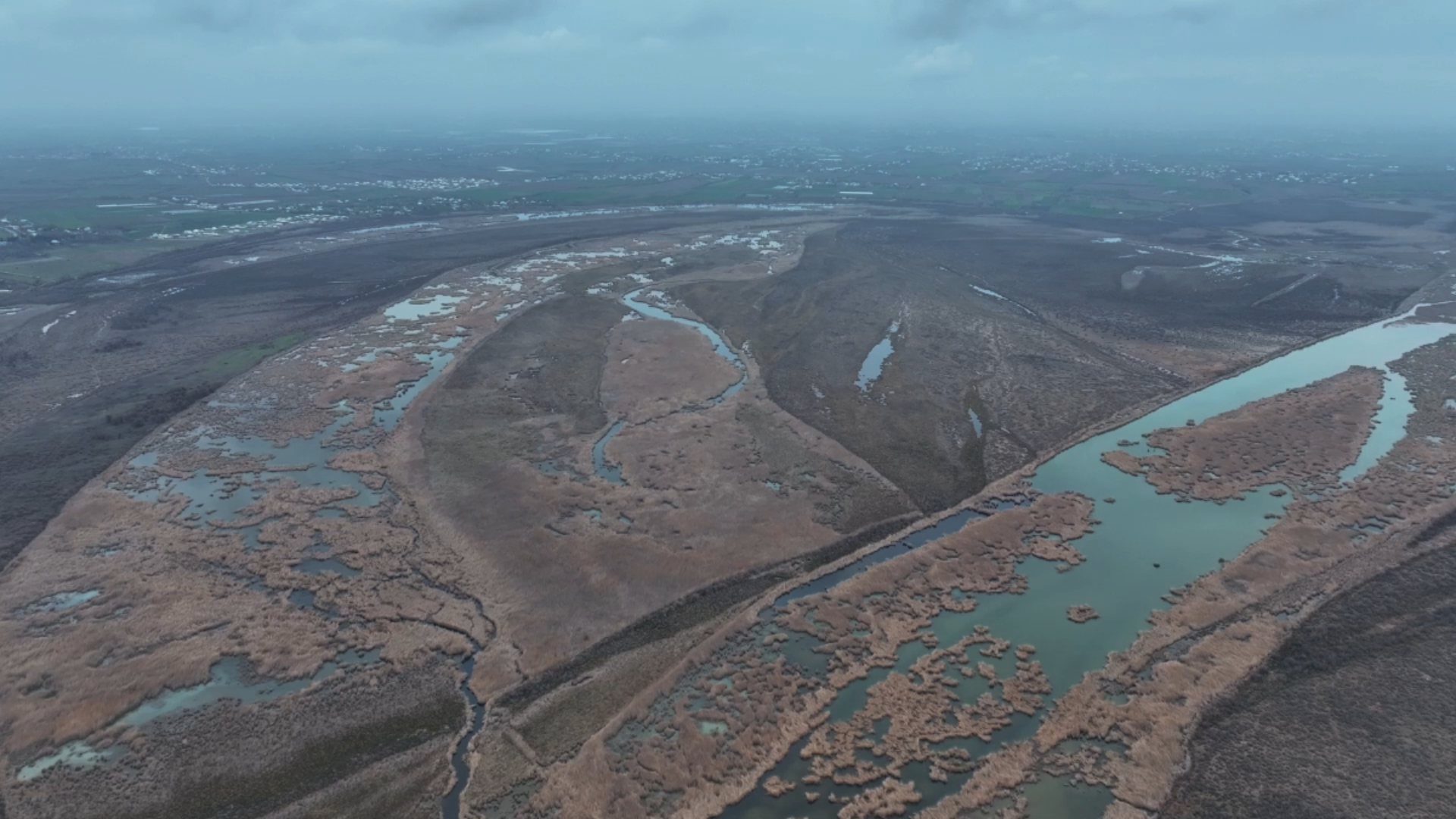
More than 450 plant species grow in the reserve, including narrow-leaved oleaster, tamarisk, and more than 120 species of medicinal herbs. These plants have a remarkable ability to stabilize sandy soils, preventing erosion. They are also well adapted to arid conditions, require little water, and can grow in saline soils. This is crucial for preserving sustainable landscapes.
To preserve resilient landscapes, it is essential to maintain and restore natural biodiversity and ecosystems. That is why the RESILAND Tajikistan project is helping the Tigrovaya Balka Reserve support conservation and ecosystem restoration efforts.
Nursery for saxaul and narrow-leaved oleaster
A nursery for cultivating saxaul and narrow-leaved oleaster seedlings has been established in the reserve. Why are these plants important for Tigrovaya Balka?
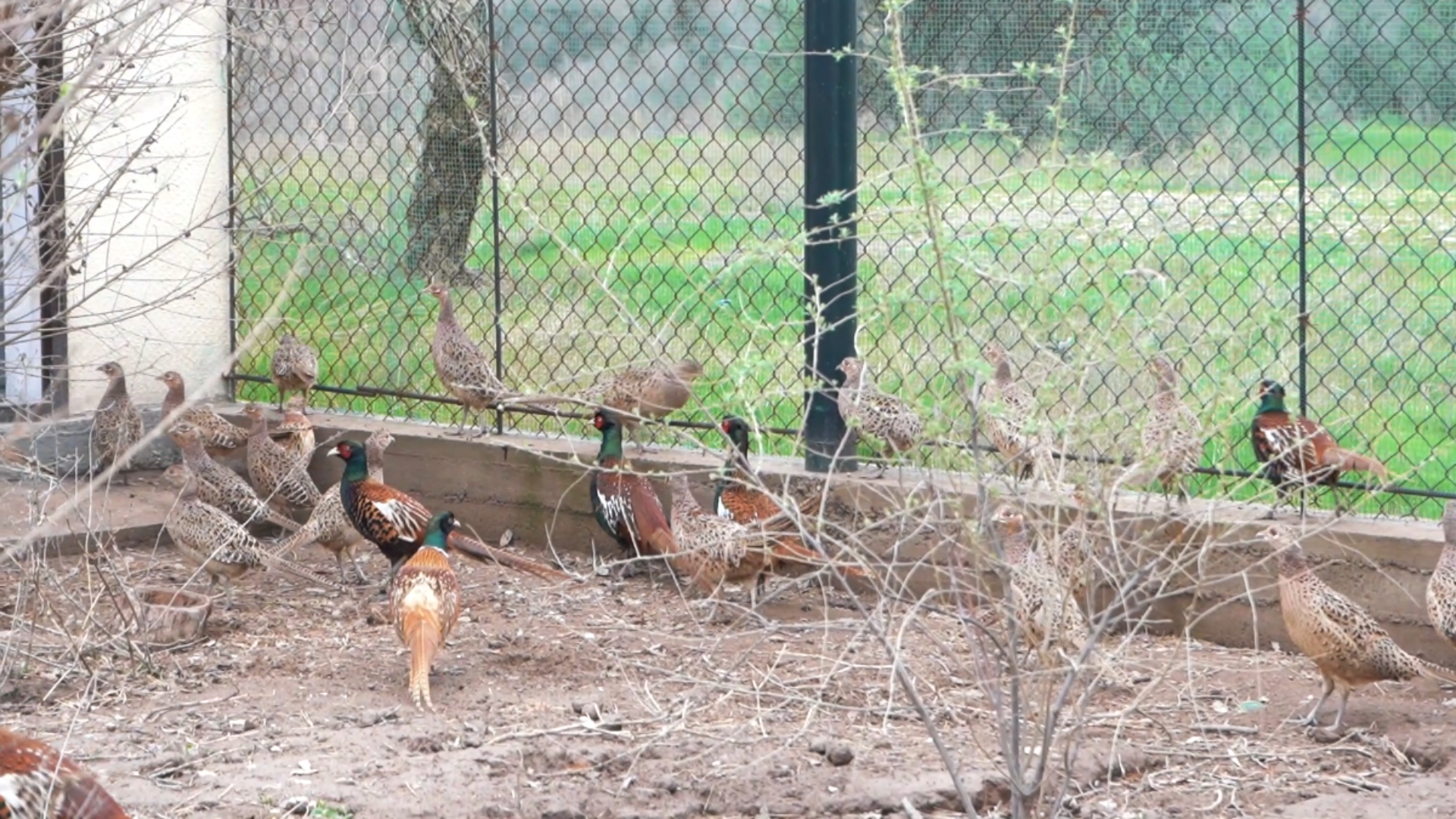
The narrow-leaved oleaster forms dense riparian woodlands in the reserve, and its fruits provide food for the endangered Tajik pheasant.
Saxaul strengthens the sandy soil of the desert part of the reserve, creating a favorable microclimate that helps restore the natural habitat for the Bukhara deer, the goitered gazelle, and other wild animals.
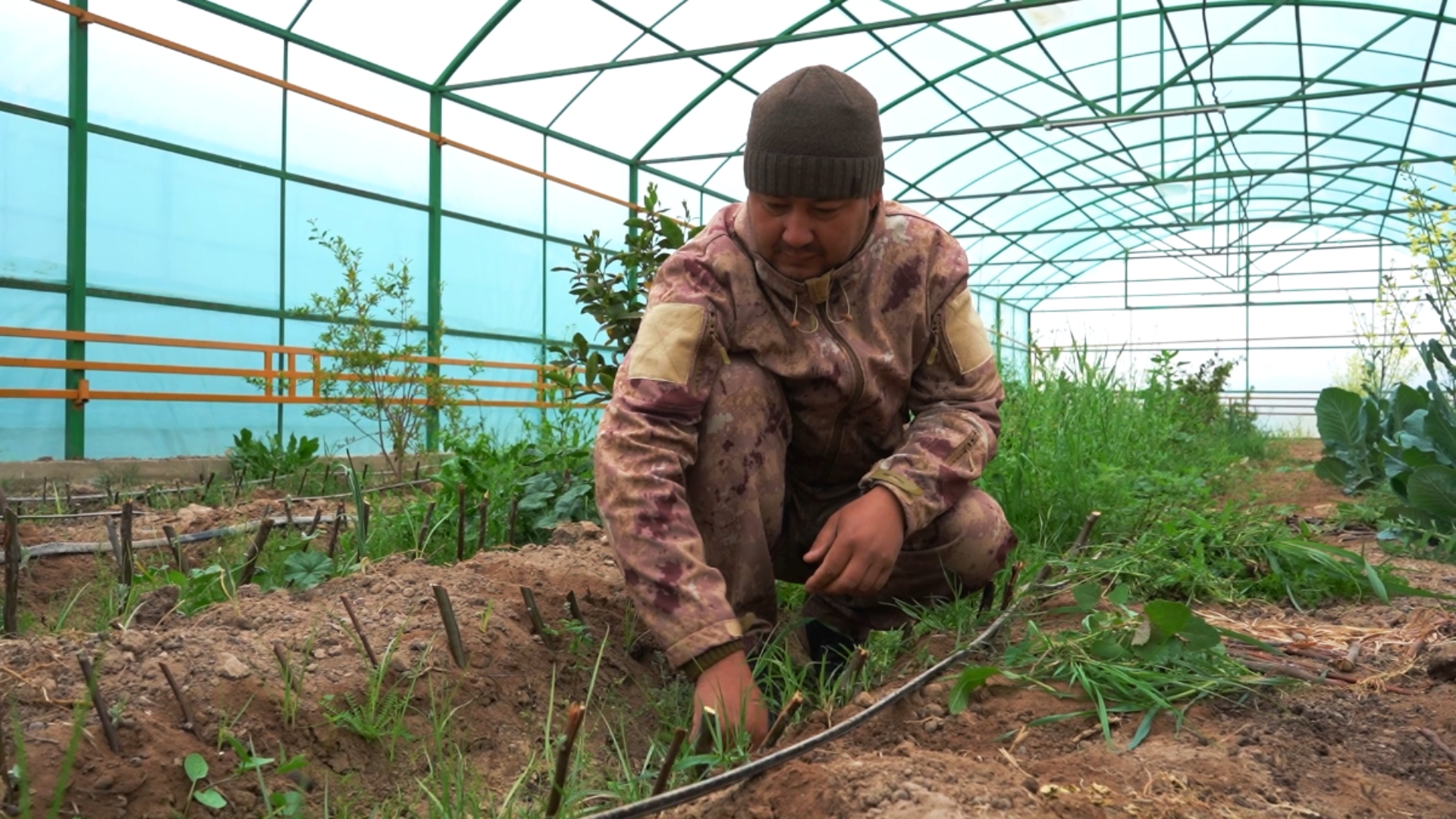
Every year, young saxauls are planted on 5-10 hectares in the reserve. Although saxaul is adapted to the desert climate, it requires moisture for the first two years of its life. Therefore, a special irrigation system using a pumping station was developed. It ensures regular irrigation of the young plants during the first few years, until a deep root system develops.
How the population of the endangered Tajik pheasant is preserved in Tigrovaya Balka
Riparian forests, thickets, and shrubs are the natural habitat of the Tajik pheasant. However, close interaction between agricultural activities and wildlife poses a threat to the pheasants. Why? Farm fields are located near the reserve, and agricultural work coincides with the pheasant's breeding season. Birds often nest in the fields, and their eggs are destroyed by agricultural machinery.
Reserve staff have conducted outreach to local farmers. Now, farmers are more attentive while working in the fields. They immediately report pheasant nesting sites they find in their fields to rangers. Rangers carefully collect the pheasant eggs and place them in incubators. The chicks are transferred to a specially designed enclosure where conditions are as close to natural as possible. After 3.5–4 months, once they are strong enough to survive in the wild they are released back into their natural habitat.
Equipment Helps Protec 23 Lakes of the Reserve
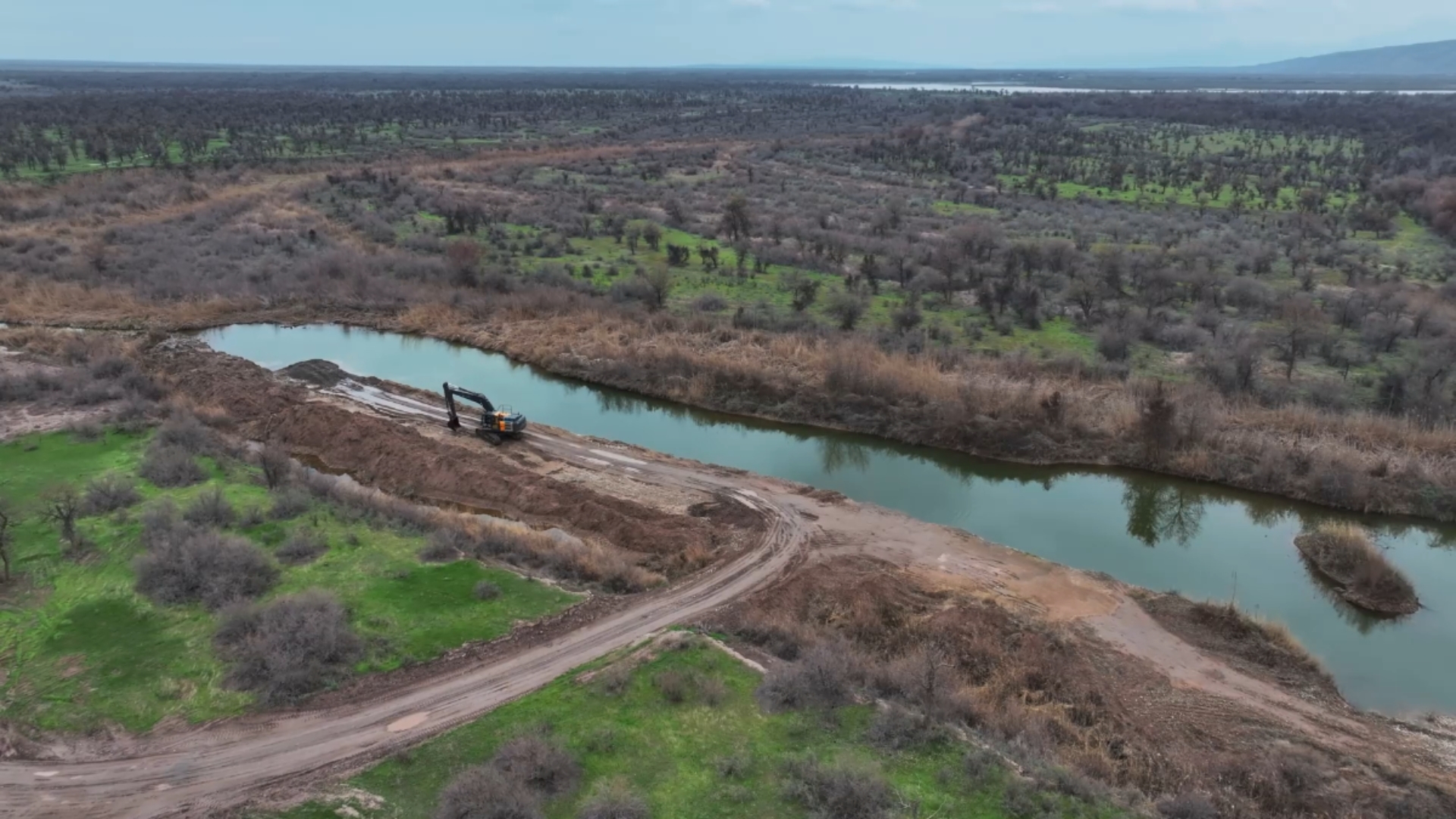
The reserve's wetlands include 23 lakes. They are connected by interconnecting canals, and water from one lake flows into the next. This is how the lakes "breathe" and exchange their chemical and biological composition.
Due to the reserve's proximity to farm fields, fertilizer runoff enters the lakes during the irrigation season. Wildlife also comes to these lakes to drink, including the endangered Bukhara deer, an endangered tugai subspecies of red deer.
To address this problem and maintain water circulation in the lakes, an excavator was purchased as part of the RESILAND Tajikistan project. This excavator is used to maintain approximately 22 kilometers of connecting canals, regulate water flow into the reserve's wetlands, and protect lake ecosystems from pollution.
The project also supported modernization of the reserve's firefighting equipment. During the hottest summer months, dense reed rush thickets pose a high risk of fire. To reduce this risk, specialists annually clear firebreaks and identify water access points and firefighting routes in advance.
Video, text by Zhanna Khusainova, media expert, CAREC
-----------------------------------
The Tajikistan Resilient Landscapes Restoration Project (RESILAND Tajikistan) is part of the World Bank’s RESILAND CA+ program, aimed at strengthening landscape resilience across Central Asian countries. Similar national and regional activities are also being implemented in Kyrgyzstan and Uzbekistan.
The Regional Environmental Centre for Central Asia (CAREC) implements the regional component of the Tajikistan Resilient Landscape Restoration Project.
Additional Information:
Solijon Mirzoev — RESILAND Tajikistan Project Manager, Center for the Implementation of Investment Projects under the Committee for Environmental Protection of the Government of the Republic of Tajikistan.
Dilovarsho Dustzoda — Deputy Team Leader of the Project Implementation Group for “Sustainable Landscape Restoration in the Republic of Tajikistan: Regional Component”, CAREC