
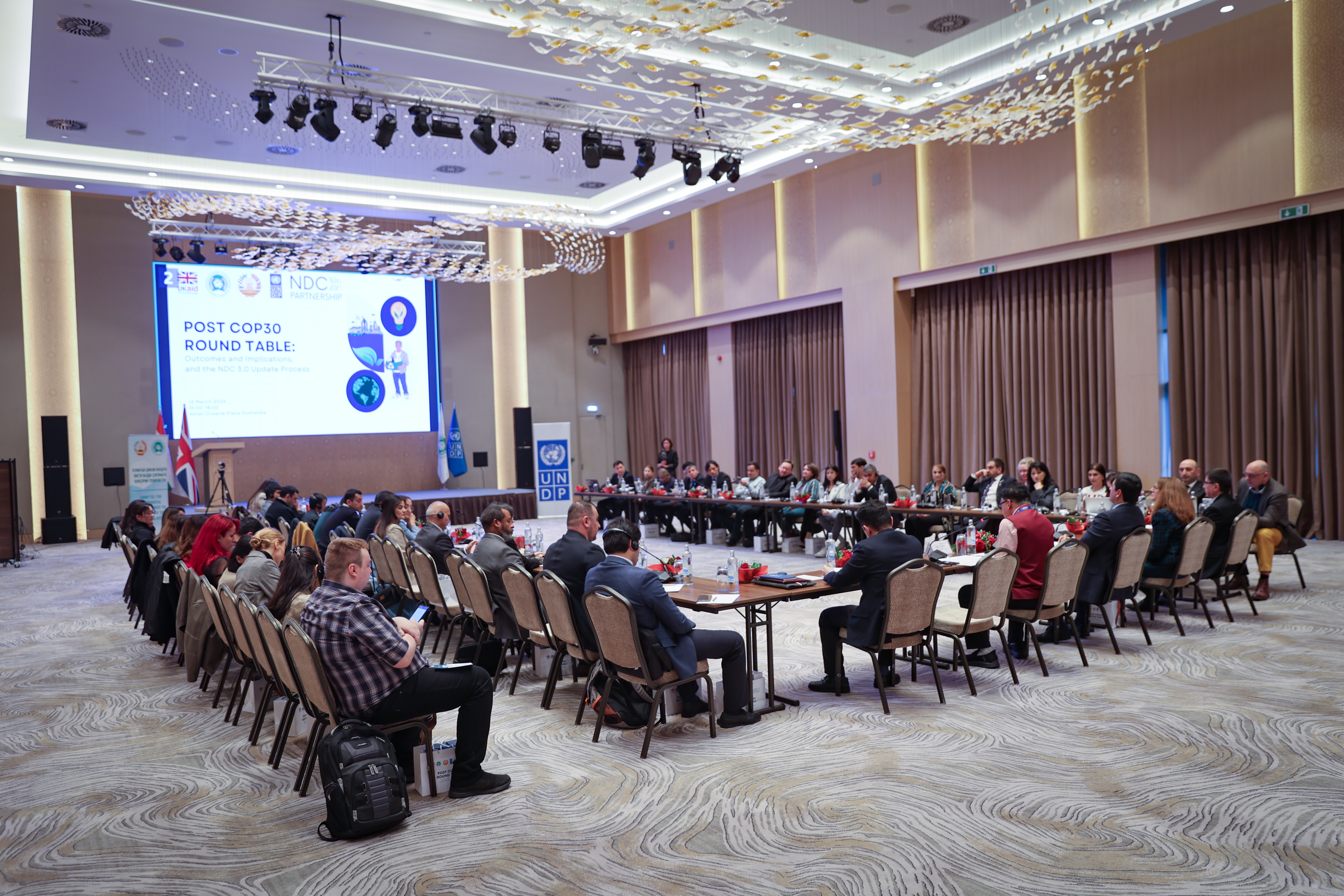
Dushanbe, 13 March 2026 — A high-level roundtable titled “COP30 Outcomes and the Process of Enhancing Tajikistan’s Nationally Determined Contribution (NDC 3.0)” was held at the Crowne Plaza Hotel in Dushanbe.
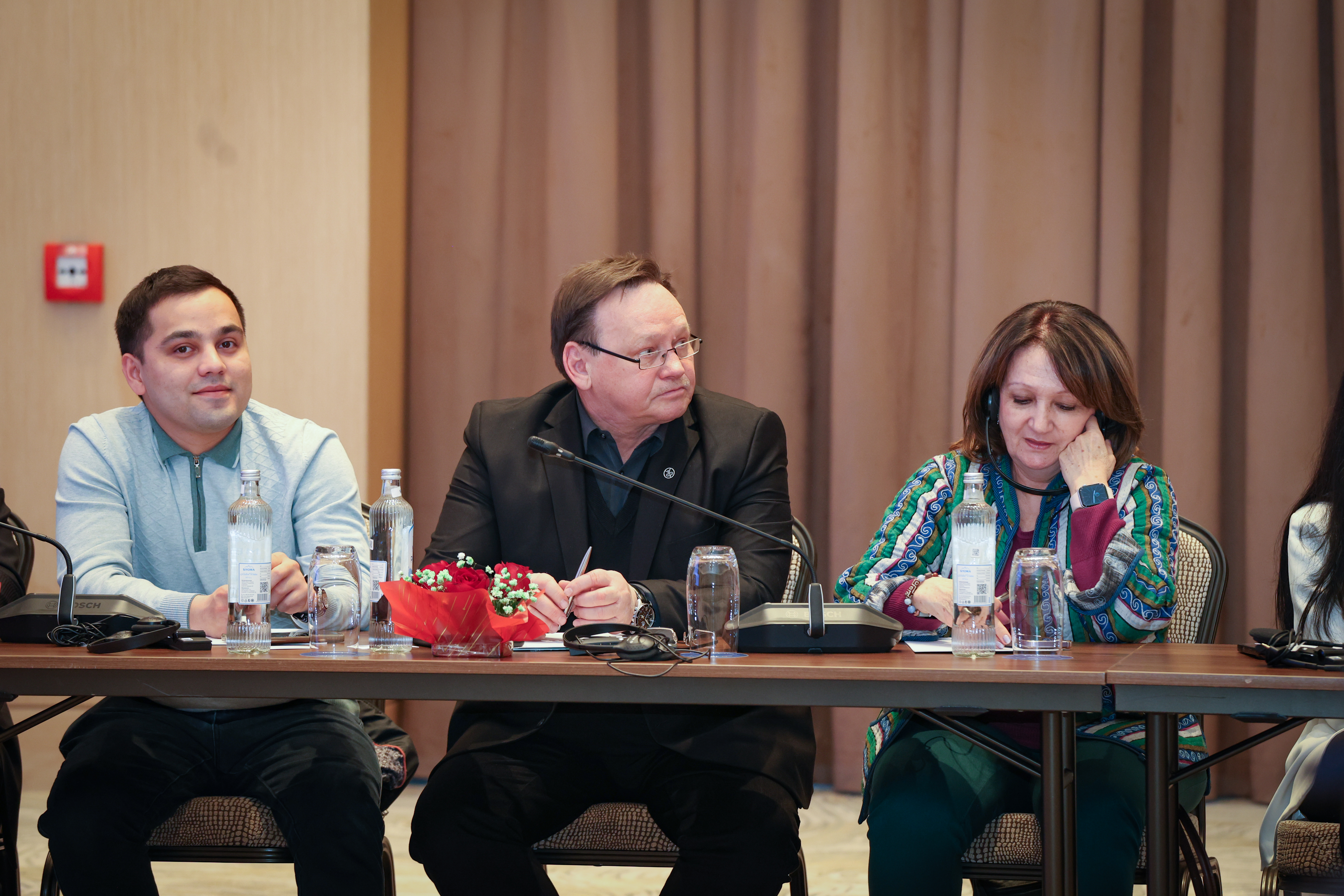
The event was organized by the Committee for Environmental Protection under the Government of the Republic of Tajikistan in cooperation with the United Nations Development Programme (UNDP) and brought together a wide range of stakeholders, including representatives of government ministries and agencies, development partners, the private sector, civil society organizations, youth groups, academia, as well as national and international experts.
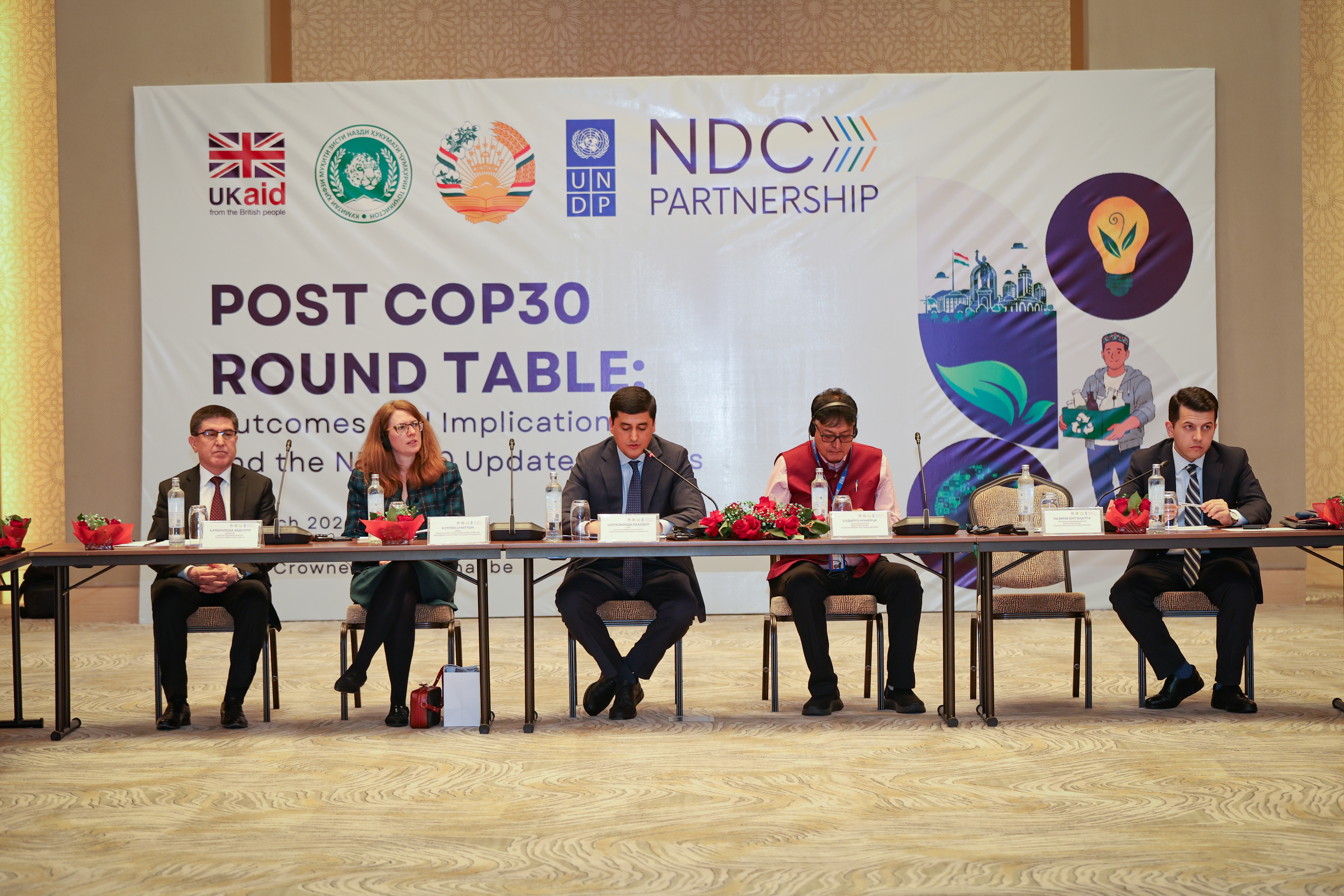
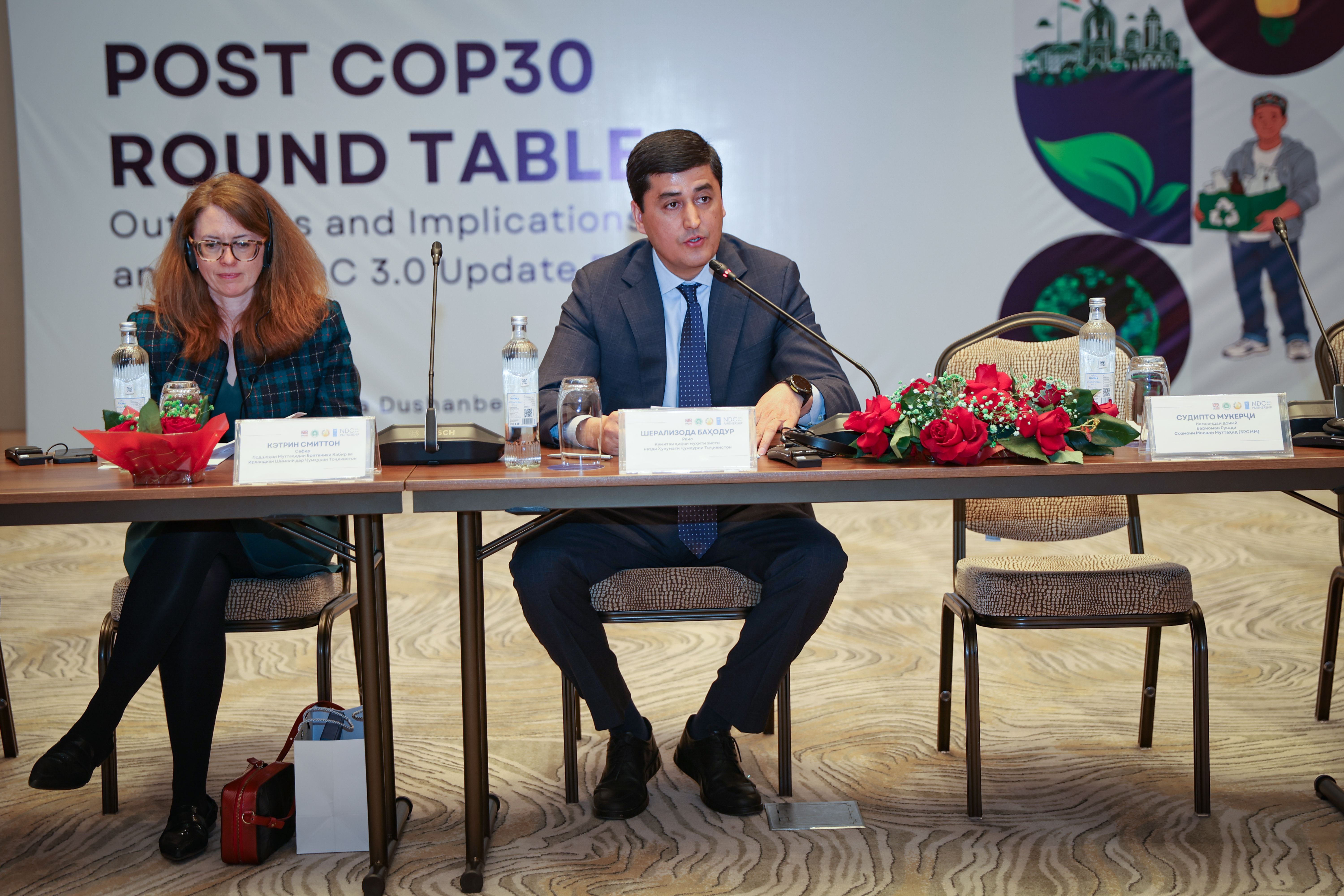
The roundtable was opened by Mr. Bahodur Sheralizoda, Chairman of the Committee for Environmental Protection under the Government of Tajikistan, Ms. Catherine Smithton, Ambassador of the United Kingdom of Great Britain and Northern Ireland to Tajikistan, and Mr. Sudipto Mukherjee, UNDP Resident Representative in Tajikistan.
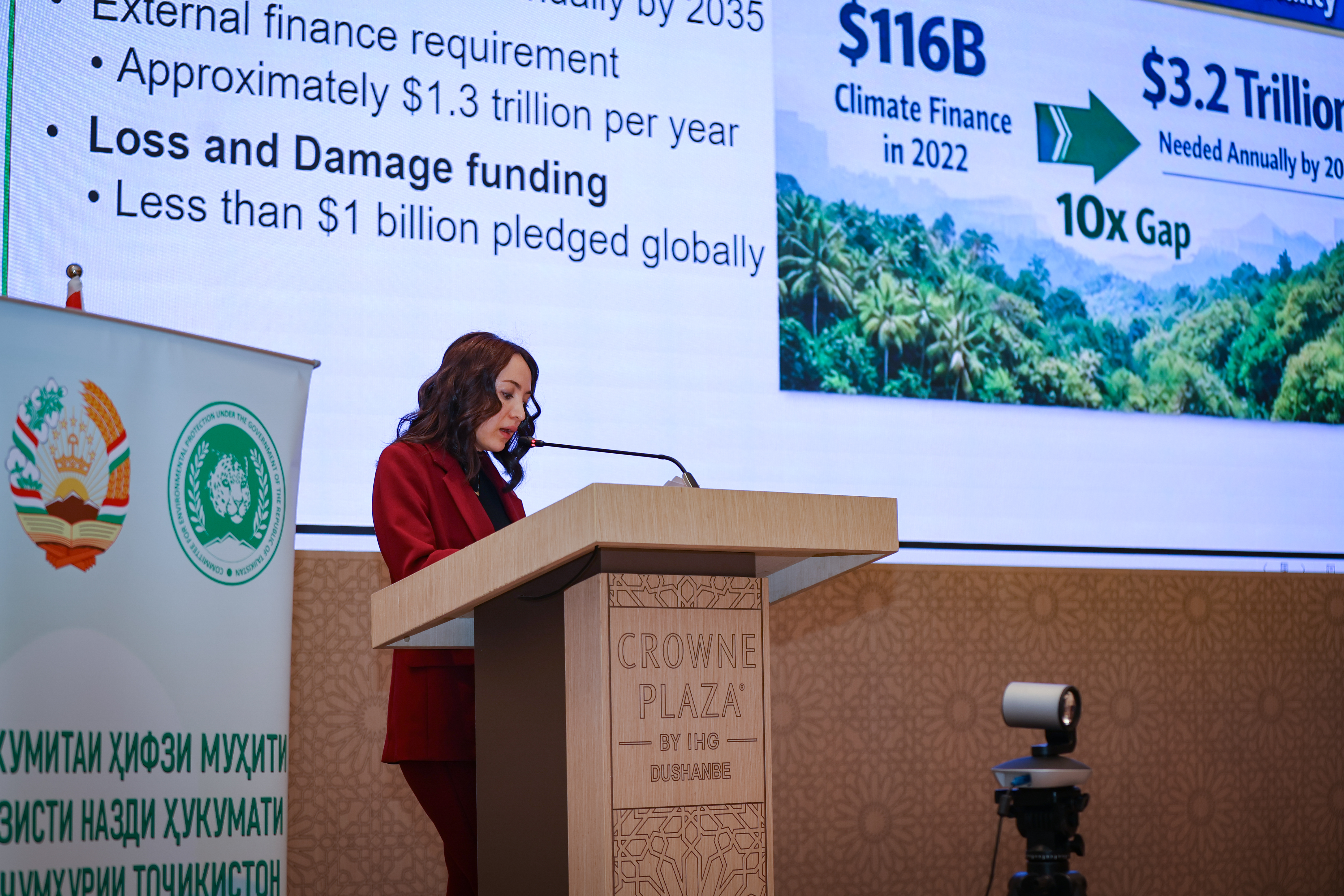
During the event, the Director of the Central Asia Regional Environmental Center (CAREC) branch Ms. Zebuniso Muminzoda presented an overview of the COP30 outcomes and their implications for climate finance.
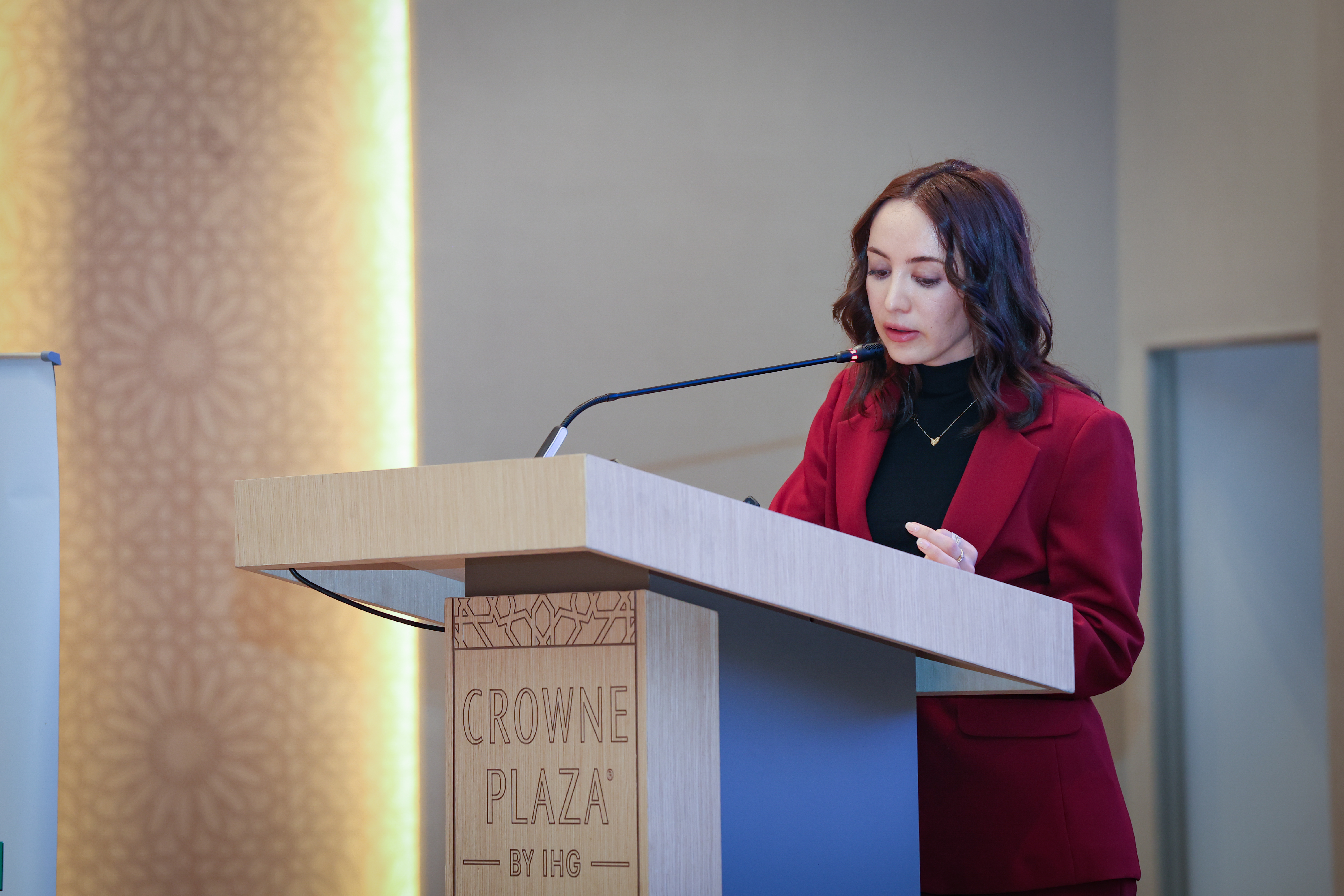
In her remarks, she highlighted that COP30 in Belém marked a critical milestone in the evolution of the global climate finance architecture, particularly as countries prepare the next generation of Nationally Determined Contributions — NDC 3.0.
She noted that the COP30 decisions reaffirmed the central role of finance in implementing the Paris Agreement. Parties agreed to significantly scale up support for adaptation and to advance the operationalization of the New Collective Quantified Goal on climate finance (NCQG), which is intended to replace the previous $100 billion target.
The new framework envisions mobilizing at least $300 billion per year in public climate finance by 2035, within a broader objective of $1.3 trillion annually from all sources, including public, multilateral, and private finance.
COP30 also delivered important operational developments. In particular, the Loss and Damage Fund became operational and launched its first call for proposals totaling $250 million in grants.
Another major initiative announced during COP30 was the Tropical Forests Forever Facility, designed to mobilize long-term financing for forest protection. In addition, Parties agreed to establish a Global Climate Finance Accountability Framework to improve transparency and monitoring of climate finance commitments.
Despite these developments, speakers emphasized that the scale of climate finance required remains extremely large. According to international estimates, developing countries will require approximately $3.2 trillion annually by 2035 to implement climate mitigation and adaptation actions.
Multilateral development banks and the private sector are expected to play a crucial role in mobilizing these resources, alongside innovative financial instruments such as guarantees, blended finance mechanisms, and debt-for-climate swaps.
Participants also stressed that the upcoming NDC 3.0 should increasingly serve as investment strategies, linking climate targets with concrete financing pathways and bankable projects.
The roundtable also discussed Tajikistan’s engagement in international climate negotiations, progress in developing NDC 3.0, and opportunities to strengthen the country’s climate policy, including in the areas of emission reduction, adaptation, transparency systems (ETF/MRV), and attracting green investments.
The event served as an important platform for dialogue and the development of recommendations aimed at strengthening interagency coordination and expanding cooperation among national and international partners to enhance Tajikistan’s climate resilience.

Additional information:
Zebuniso Muminzoda Country Director in Tajikistan, CAREC, tajikistan@carececo.org