

A scientific seminar entitled “One Health in Central Asia” was held in Dushanbe, marking an important step in the implementation of the regional “One Health” program of the World Bank and the Quadripartite Alliance (FAO, WHO, WOAH, UNEP). The event was organized and coordinated by the Regional Environmental Center for Central Asia (REC). The seminar was held as part of the Regional Conference “One Health for Pandemic Prevention, Food System Resilience, and Ecosystem Health in Central Asia,” at which the Regional One Health Program was launched.
The workshop brought together more than 200 participants - representatives of ministries, international organizations, research institutes, and civil society - to discuss practical steps for implementing the One Health (OH) approach in the region.
Welcoming remarks were delivered by Navruz Jafarov, Deputy Head of the State Sanitary and Epidemiological Service of the Ministry of Health and Social Protection of the Republic of Tajikistan, Holger Kray, Regional Manager for Agriculture and Food at the World Bank in Europe and Central Asia, and Oksana Kravtsova, Coordinator of the One Health Program, RECCA.
In their welcoming speeches, representatives of the World Bank and RECCA emphasized the need to move from discussing concepts to taking concrete action.
Holger Kray noted that “strengthening cross-sectoral cooperation in the field of human, animal, and ecosystem health is a key factor in the region's sustainability.”
Dilovarsho Dustzoda, Advisor to the Executive Director of RECCA, added that Central Asia could become a “laboratory for integrated solutions” where the One Health approach would be translated into working models of cooperation.
Carlos Das Neves, Chief Scientist at the European Food Safety Authority (EFSA) and member of the High Level Expert Panel on One Health (OHHLEP), said during the keynote session “One Health: A Central Asian Perspective”:
“One Health is not just a project, but mutual insurance for humanity against future crises. We must move from words to action, from research to implementation.”
He outlined four basic principles — Collaboration, Coordination, Communication, and Capacity building — which, in his opinion, determine the success of regional strategies.
In his speech, he emphasized that the interconnected problems of the One Health concept require interconnected solutions from all parties and participants. He noted that it is important for governments and partners to have the capacity to implement the One Health approach in practice.
Combating antimicrobial resistance – a growing regional problem
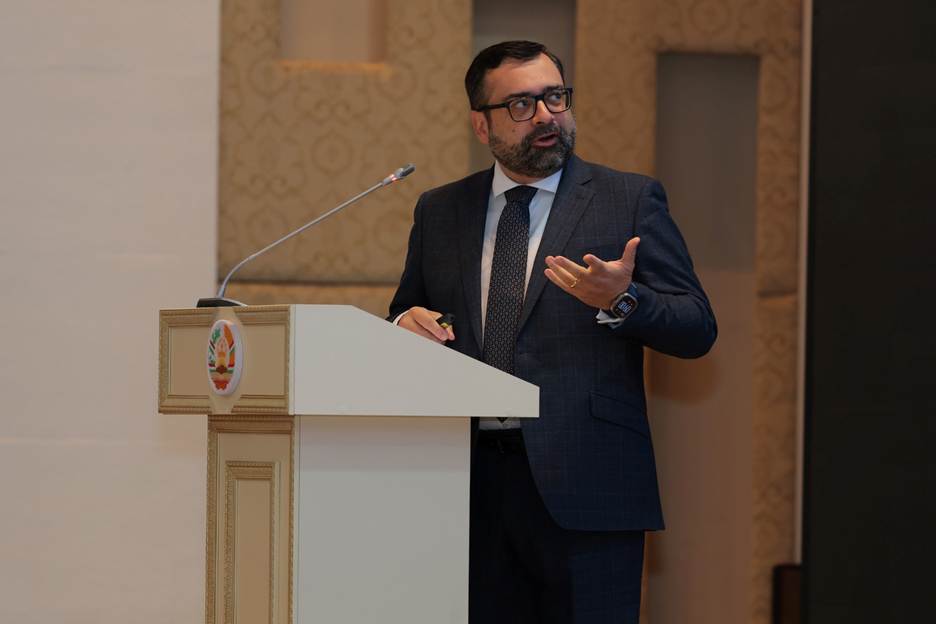
At a separate session on antimicrobial resistance (AMR) entitled “Combating antimicrobial resistance: a growing regional challenge,” experts concluded that AMR is not only a medical threat, but also an economic, environmental, and food security threat. Peter Sousa Hoejskov Souza Heiskov (session coordinator, representative of the World Health Organization Regional Office for Europe) emphasized:
“Antimicrobial resistance goes far beyond medicine. It requires joint protocols and end-to-end coordination between health care, agriculture, and the environment.”
During the discussion, representatives from Uzbekistan, Kazakhstan, and Tajikistan presented practical steps for integrating monitoring systems. Gulnora Abdukhalilova spoke about Uzbekistan's experience in combining sanitary-epidemiological and veterinary databases, while Mario Latini, coordinator of the Multi-Partner Trust Fund (MPTF) project in Tajikistan, shared the results of the trilateral FAO/WHO/ WHO project “Capacity building within a unified health system to support priority measures to combat antimicrobial resistance in Tajikistan.” Mario Latini noted the importance of “sustainable financing and institutionalization of coordination so that project results are embedded in national policies.”
Nalia Karsybekova, Codex Alimentarius standards specialist, highlighted the use of antibiotics in food production to control foodborne AMR.
Digitalisation within the framework of "One Health"
One of the most technologically advanced sessions was "The Use of Digitalisation: Country Experiences, Challenges and Opportunities".
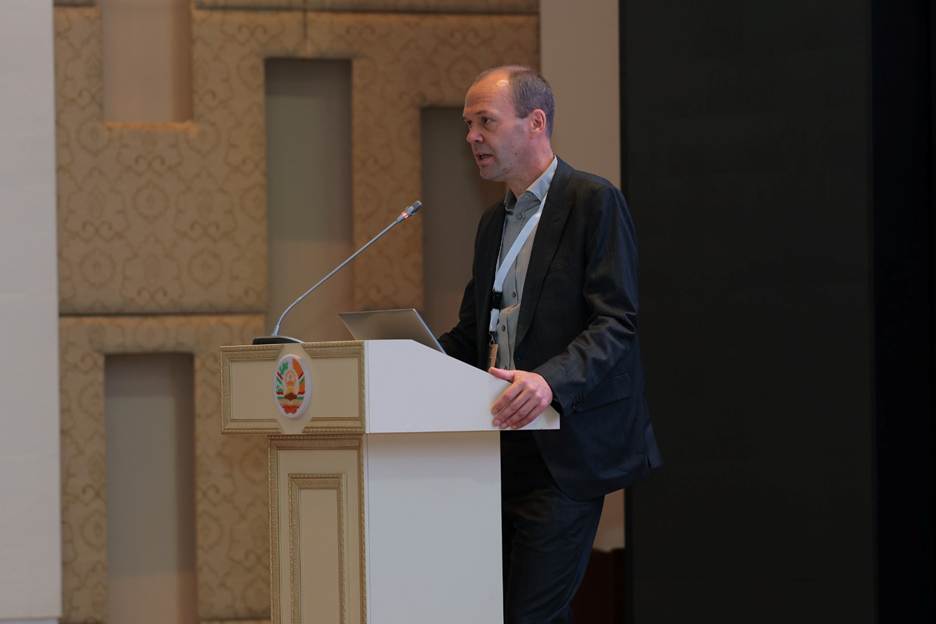
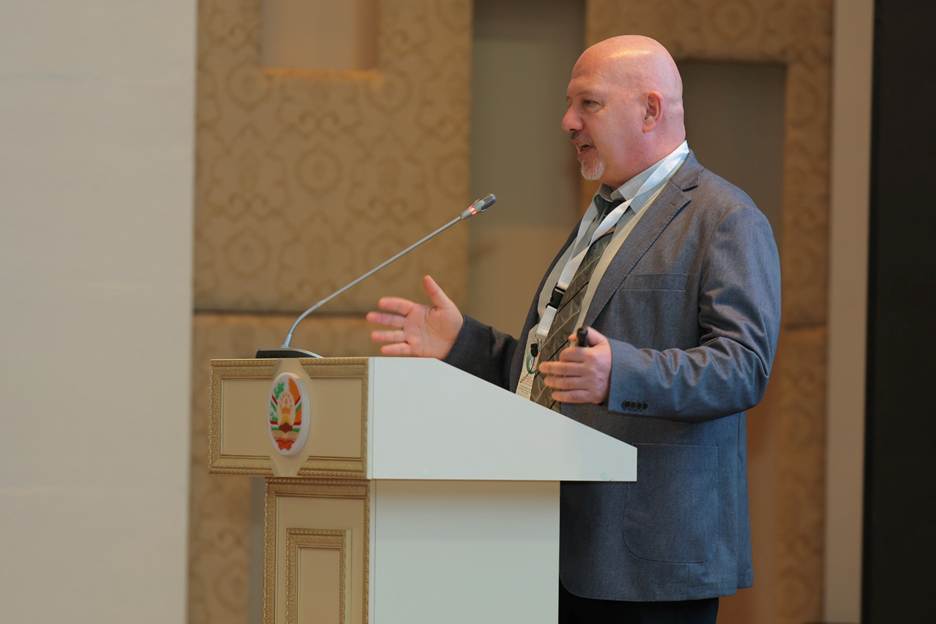
Peter Sousa Hoejskov Heyskens and Charlotte Schrurs (representative of the World Bank) presented plans to launch the One Health Regional Digital Portal, which will bring together data on human and animal health and the state of the environment.
Dana Abeldinova (WHO representative, Kazakhstan) spoke about the creation of the State Biological Safety Information System, which brings together 13 agencies.
"We are moving towards a situation where agricultural, medical and environmental data will 'speak' the same language," she emphasised.
During the session, experts presented the experiences of individual countries. Bolot Jenishbekov, an animal identification and traceability system specialist from the Kyrgyz Republic, spoke about the implementation of an animal identification and traceability system in the republic and its importance for disease control and biosafety. Ekaterina Dzhabidze, specialist at the National Centre for Disease Control and Public Health (NCDC) of Georgia, shared the practice of integrating human and animal infectious disease surveillance systems, highlighting the challenges and benefits of this approach for rapid response to epidemiological threats.
At the end of the session, participants proposed: introducing joint databases on zoonotic risks; training specialists in digital tools through the new One Health online portal; and establishing real-time data exchange between countries.
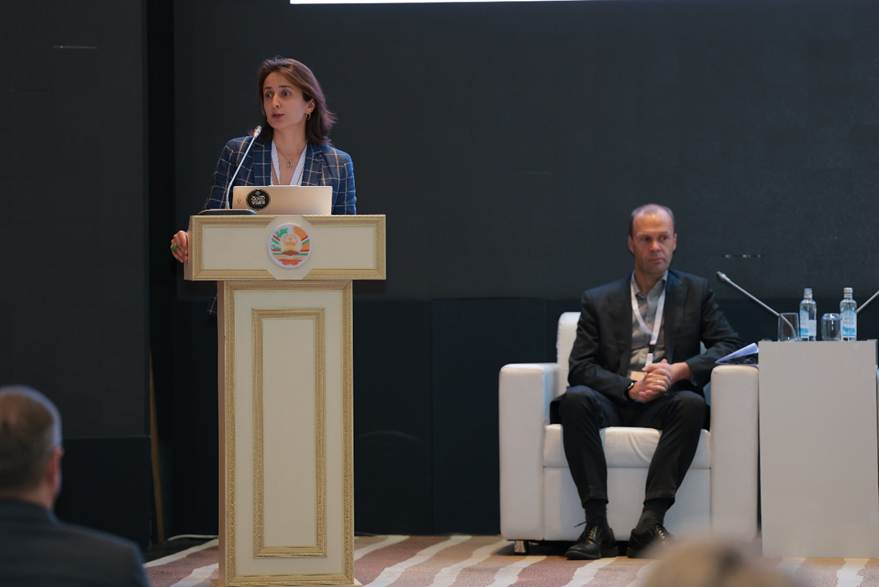
The link between climate, biodiversity and health
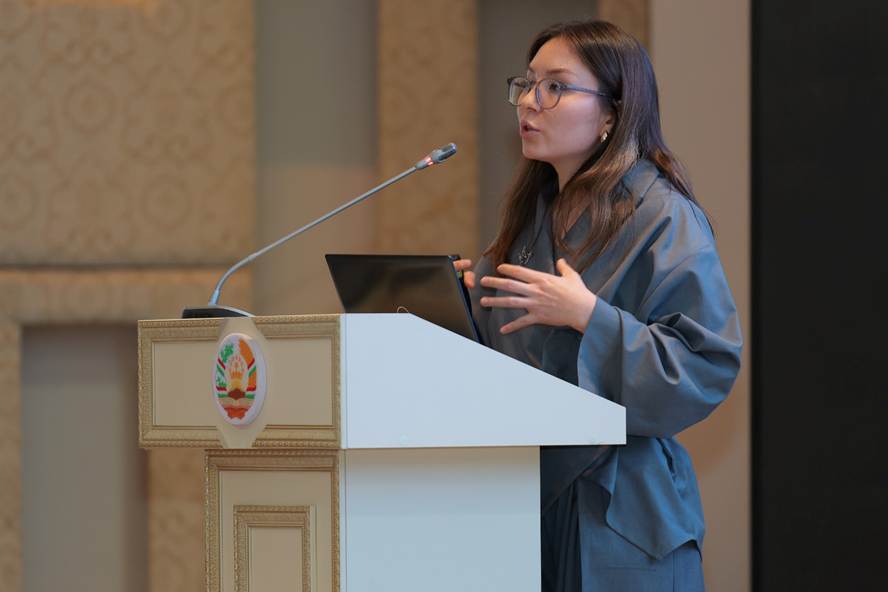
A session moderated by Sinaï Netanyahu (World Bank) brought together ecologists and epidemiologists to discuss the links between climate change, biodiversity and health.
Serge Morand (OHHLEP, France) noted that ecosystem degradation exacerbates the spread of zoonotic infections, while Kustubh Sharma (Snow Leopard Foundation) emphasised that "maintaining a balance between wildlife and farming is part of biosecurity."
Burmaa Dashbal, an expert on sustainable pasture use within the One Health program, Mongolia, shared her experience of sustainable pasture management. Carmen Smith, a wildlife conservation pathologist (Kyrgyz Republic), presented the results of joint projects on wildlife pathology. Dao Nguyen, specialist at the International Union for Conservation of Nature (IUCN), presented recommendations for implementing the One Health approach in protected and conservation areas. Kustubh Sharma, expert on conflicts between domestic animals and wildlife, Snow Leopard Foundation, spoke about the problems of interaction between wild animals and livestock. Steffen Zuther, a wildlife conservation specialist (Kazakhstan Biodiversity Conservation Association and Frankfurt Zoological Society), shared his experience of saiga conservation and its importance for ecosystem health.
Participants noted the need to integrate climate data, biodiversity information and health indicators in order to make effective management decisions. Key conclusions were formulated that could serve as a basis for regional ES strategies, including sustainable pasture management, wildlife conservation and the prevention of conflicts between animals and humans.
Education and leadership as drivers of change
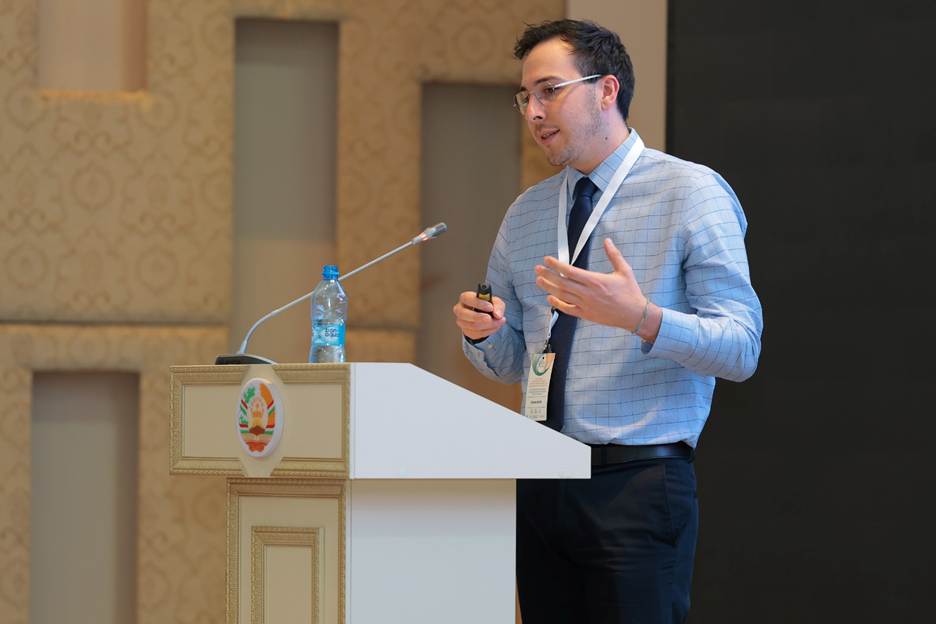
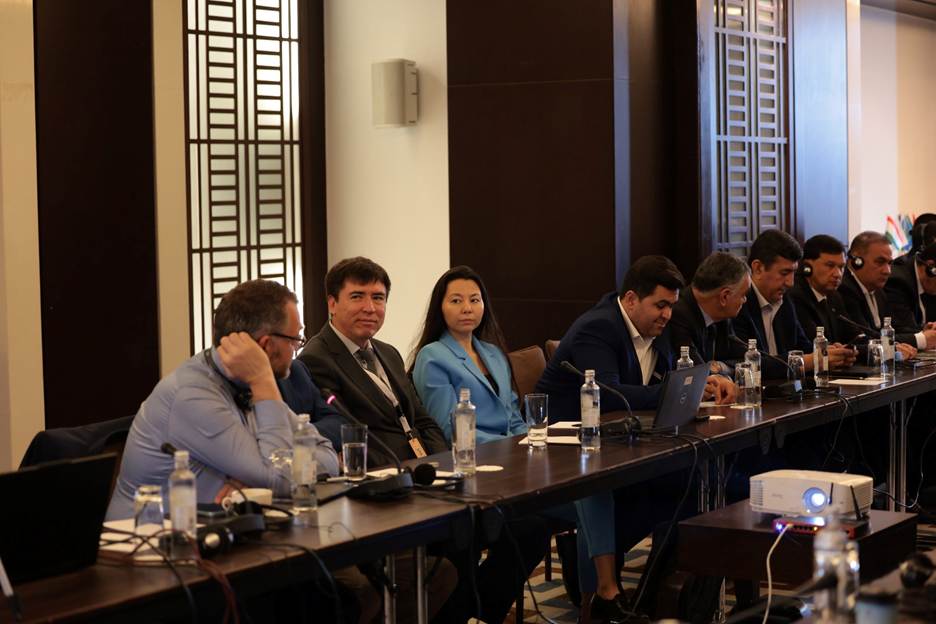
The session "One Health in Education Curricula" discussed the training of a new generation of specialists capable of working at the intersection of medicine, veterinary medicine and ecology.
Duria Charypkhan (Food and Agriculture Organisation of the United Nations, FAO) emphasised that without human capital, the concept of One Health would remain theoretical.
During the session, experts presented regional and international practices for integrating the One Health approach into education. Dilyara Nabirova, coordinator of the regional program of the Centres for Disease Control and Prevention (CDC) and the Epidemiology Training Program (FETP), spoke about the CDC's regional initiatives and the epidemiology training program, emphasising the importance of joint training and exchange of experience. Tongkorn Meeyam, an expert at SEAOHUN (South East Asia One Health University Network), presented the experience of integrating One Health competencies into university curricula, as well as initiatives to improve professional skills and develop human resources. Gulmira Uteshova, head of the epidemiology program, spoke about the implementation of the One Health approach in epidemiology curricula and the practical results of training specialists.
Session outcomes: Participants noted the importance of developing ES competencies at all levels of educational programs in order to create a qualified talent pool. The need to coordinate international initiatives and exchange best practices for the effective implementation of the approach in educational programs was emphasised.
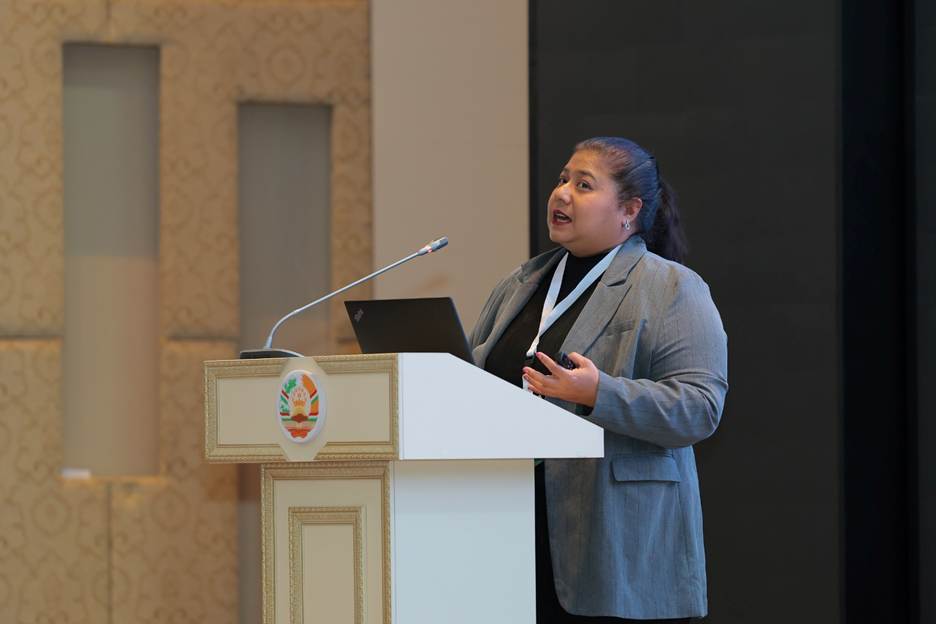
Cross-sectoral implementation of the One Health approach – lessons from China
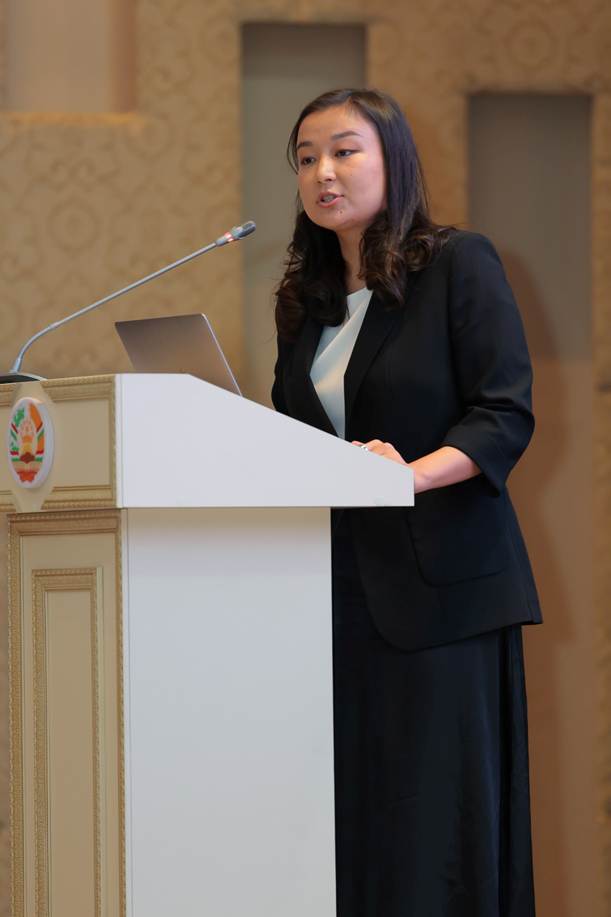
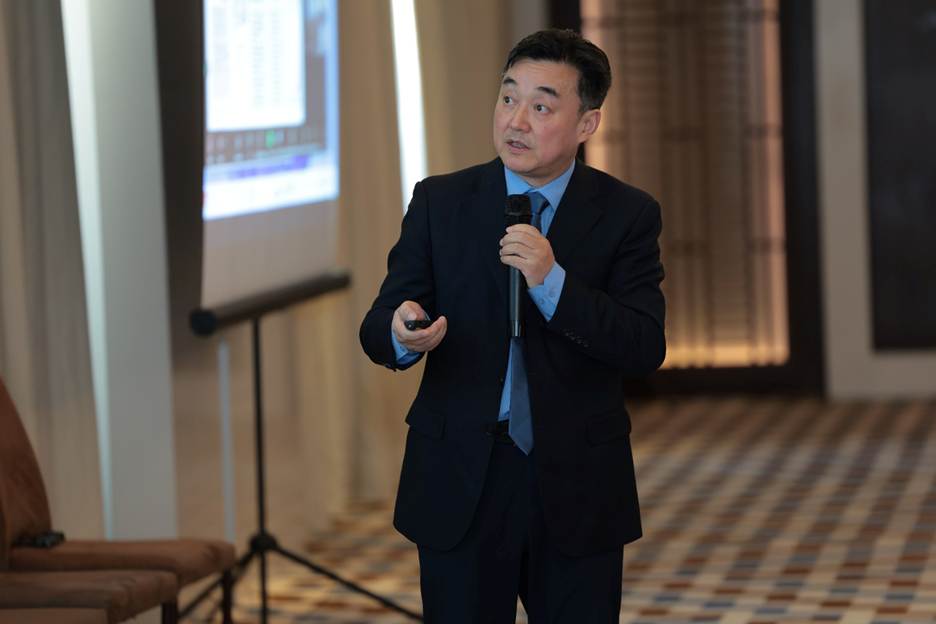
During the session “Implementing the One Health concept in various fields – China's experience,” Professor Xiao-Nong Zhou talked about how China built a cross-agency risk management system based on the principles of One Health.
During the session, Professor Zhou presented China's practical experience in the cross-sectoral integration of health, veterinary, and environmental protection programs. Successful practices of coordination between agencies, the use of digital surveillance and data exchange systems, and the results of evaluating the effectiveness of measures implemented to combat epidemiological threats were highlighted.
Participants noted that China's experience demonstrates the advantages of a cross-sectoral approach and data integration for early detection of threats and rapid response. The need to adapt these practices to regional conditions and the importance of training programs to improve the qualifications of specialists within the One Health concept were emphasized.
The final discussions showed that Central Asia is becoming a model region where the ES approach is transforming from a concept into a real risk management system. As one of the participants, Carlos Das Neves, emphasized, “if threats are interconnected, then solutions must also be interconnected” — this is the essence of the new stage of regional cooperation.
Regional Coordination Council
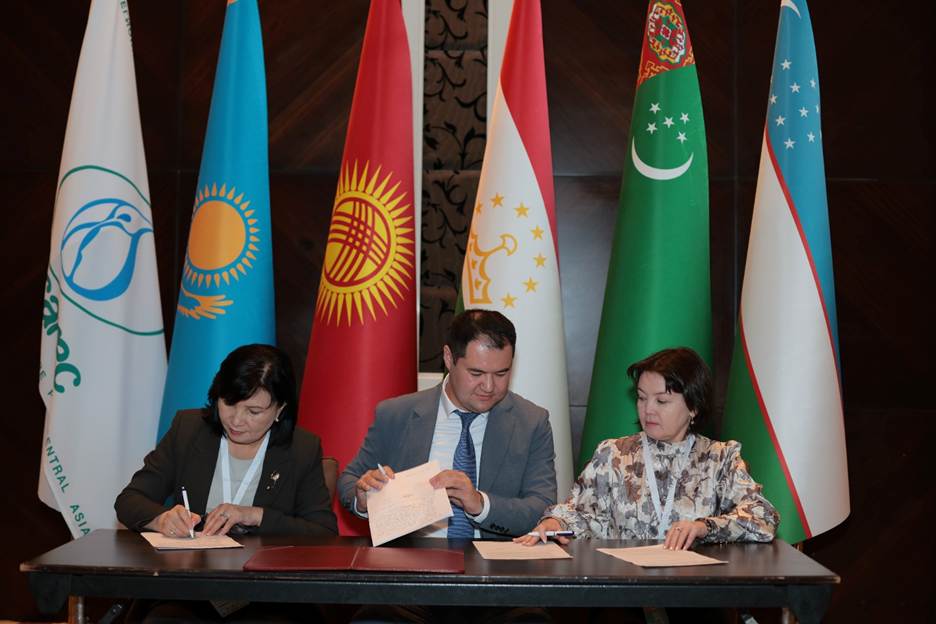
The conference established a Regional Coordination Council (RCC) for the One Health program, and Bubuzhan Arykbaeva, Deputy Minister of Health of the Kyrgyz Republic, was elected co-chair of the RCC. The RCC Chair for the year, Daulet Esmagambetov, Director of the Department of Environmental Culture and Policy at the Ministry of Ecology and Natural Resources of Kazakhstan, RCC Co-Chair Bubuzhan Arykbaeva, and Second Co-Chair Manar Smagul, Deputy Chair of the Board of the National Center for Public Health under the Ministry of Health of Kazakhstan, signed the minutes of the first meeting of the RCC on the implementation of the program. Specific steps will be aimed at strengthening cooperation in the areas of human, animal, and environmental health, food system sustainability, and ecosystem protection through a unified regional approach.
Brief summary
The scientific seminar “One Health in Central Asia”, held as part of the Regional Conference of the World Bank and the Quadripartite Alliance (FAO, WHO, WOAH, UNEP), was a key step in the launch and practical implementation of the new regional “One Health” program for Central Asian countries. The event brought together more than 200 participants from government agencies, scientific institutions, international organizations, and civil society. This made it possible to create, for the first time, a single platform for dialogue, data exchange, and the development of coordinated measures to prevent pandemics, increase the resilience of food systems, and protect the region's ecosystems. The parties agreed to develop a regional roadmap for implementing the One Health approach, launch regular RCC meetings to monitor progress, and form working groups on priority areas: AMR, digitalization, zoonoses, climate, and biodiversity. A regional One Health digital portal (a project of the World Bank, WHO, FAO, and RECCA) will be launched, and joint regional databases on zoonoses and biological risks will be created. Specialists will be trained on the new One Health online portal. Real-time data exchange between countries will also be ensured.
About One Health
One Health is an integrated, unifying approach that aims to sustainably balance and optimize the health of people, animals, and ecosystems. It recognizes that the health of humans, domestic and wild animals, plants, and the wider environment (including ecosystems) are closely linked and interdependent. The approach mobilizes multiple sectors, disciplines, and communities to foster well-being and tackle threats to health and ecosystems while addressing the collective need for clean water, energy and air; safe and nutritious food; climate change action; and sustainable development. The approach is laid out in the One Health Joint Plan of Action developed by the Quadripartite Alliance for One Health.
One Health for pandemic prevention, food systems resilience, and ecosystem health in Central Asia program. As phase 1 of the multi-phase programmatic approach
Contacts:
Regional Environmental Centre for Central Asia (CAREC)
Email: info@carececo.org | Website: www.carececo.org
● Oxana Kravtsova - okravtsova@carececo.org, Regional One Health Program Coordinator, CAREC
● Irina Bubenko - ibubenko@carececo.org, Regional One Health Program Specialist, CAREC