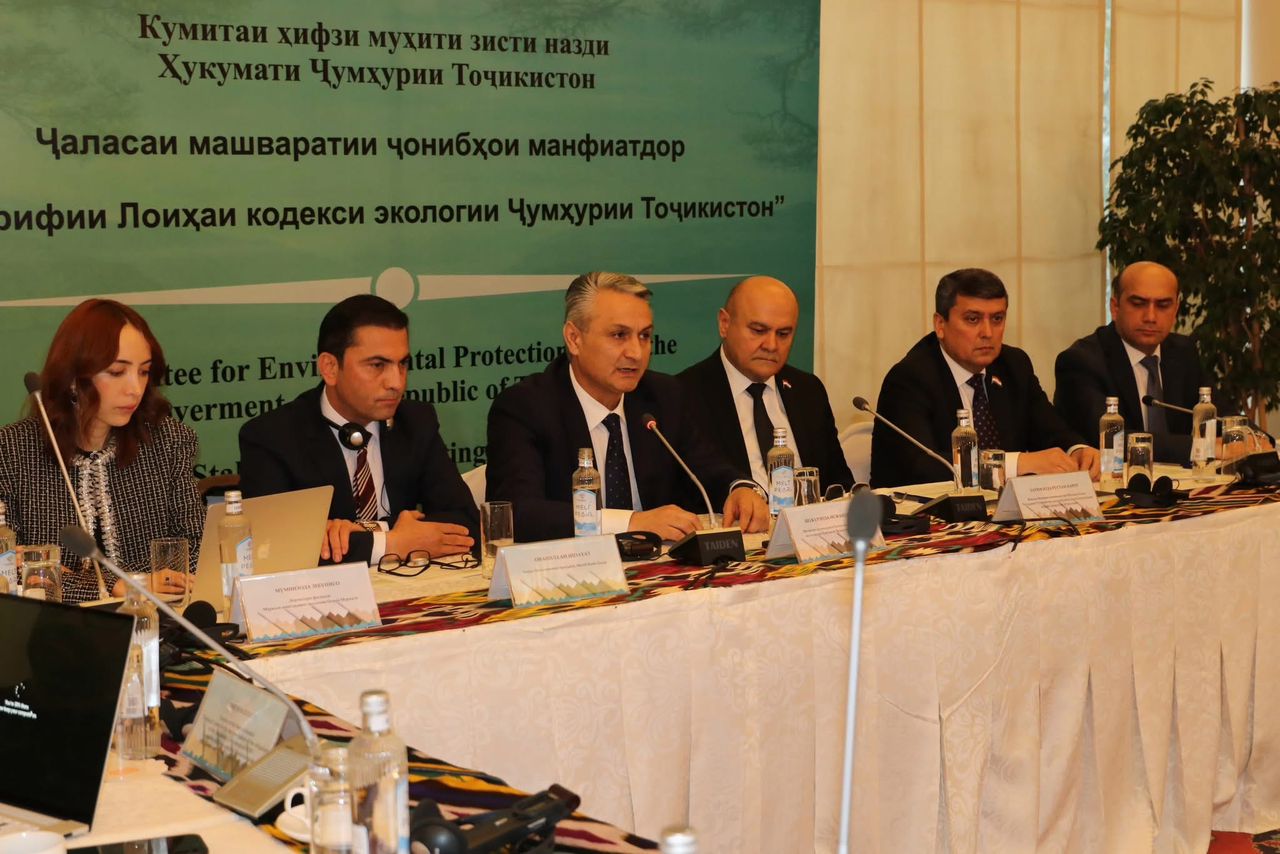
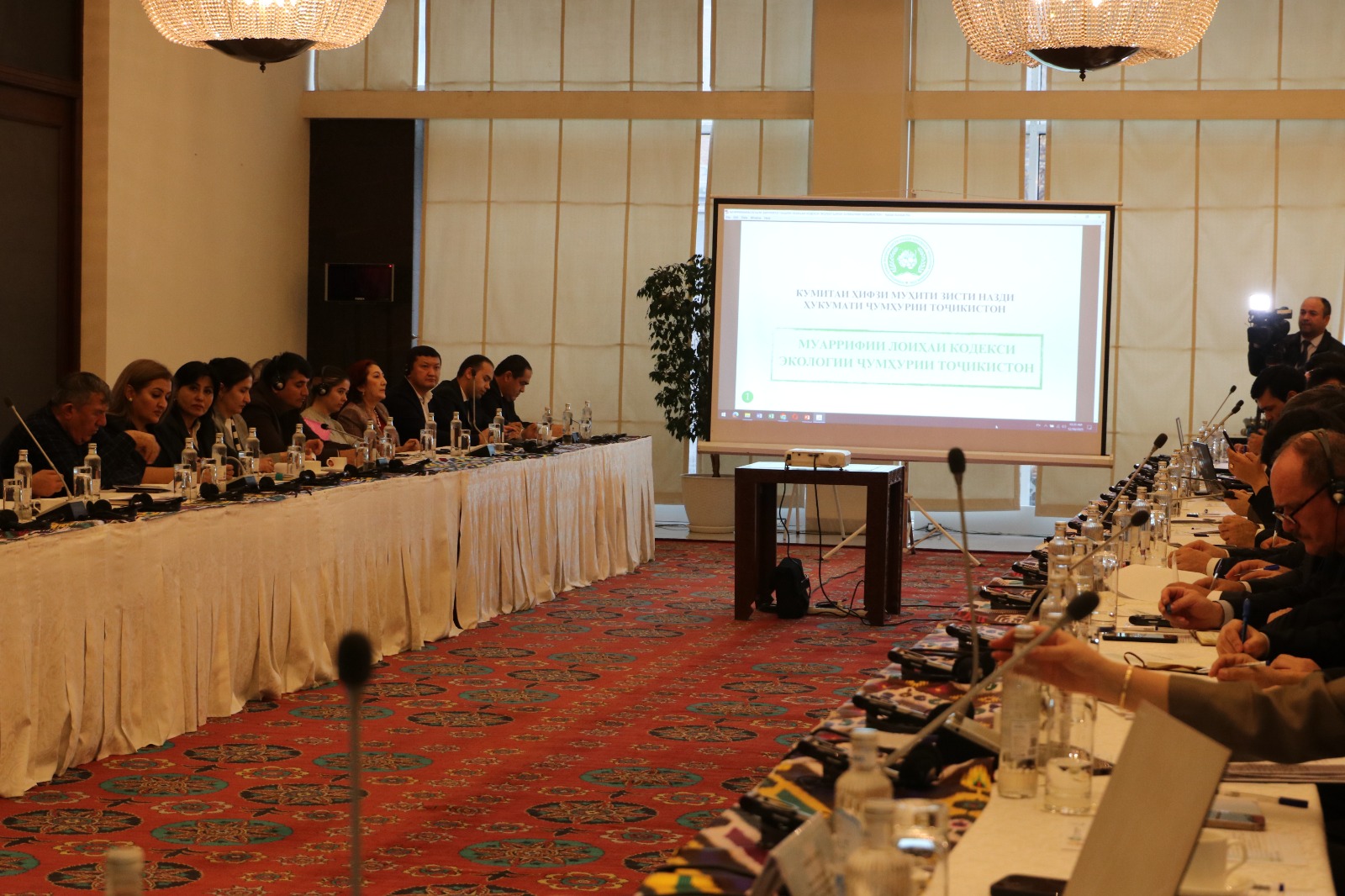
Dushanbe, Tajikistan, 18 December 2025 – Tajikistan convened a high-level national consultation today to finalize its pioneering draft Environmental Code, a decisive step toward a sustainable future. The event, held at the Serena Hotel, marks a critical moment in modernizing the country’s legal framework by integrating principles of sustainable development, the circular economy, and robust environmental monitoring.
Organized by the Committee for Environmental Protection under the Government of Tajikistan and executed by the Country office of the Regional Environmental Centre for Central Asia (CAREC) in Tajikistan, the workshop united parliamentarians, state agencies, development partners, and civil society. The dialogue centered on a comprehensive draft designed to harmonize national legislation with international standards and address pressing ecological challenges.
The consultation, a strategic initiative under the direct instruction of the President of Tajikistan, H.E. Emomali Rahmon, within the "RESILAND Tajikistan" program, was supported by the World Bank and CAREC Tajikistan. Muhibullo Junaidzoda, Director of the Investment Project Implementation Centre of the Committee for Environmental Protection under the Government of Republic of Tajikistan, moderated the meeting. Experts detailed the draft's legal and ecological aspects, including advanced international practices, followed by an in-depth Q&A with key stakeholders.
Government Leadership: Codification for a Unified System
Shukurzoda Isfandiyor, First Deputy Chairman of the Committee for Environmental Protection under the Government of Republic of Tajikistan, opened the event by outlining the rigorous drafting process mandated by the National Development Strategy to 2030.
“The development and adoption of a qualitatively new, advanced law in the form of an Environmental Code is a new stage in the systematization of environmental legislation,” Shukurzoda Isfandiyor stated, emphasizing its role in eliminating legal contradictions and creating a unified system for ecological security.
Parliamentary Vision: Constitutional Principles and Green Growth
Rustam Latifzoda, Chairman of the Parliamentary Committee on Agrarian Issues, Water and Land Resources Republic of Tajikistan, underscored the Code’s strategic importance for long-term development and national security, rooting it in Article 13 of the Tajik Constitution.
“Today, we are reviewing a document that not only regulates relations in environmental protection but also determines the direction of our country's economic development for the long term,” Rustam Latifzoda said, advocating for the phased integration of a circular economy model with strengthened “green procurement” and “green investment” principles.
Amirzoda Orif, Chairman of the Environmental Commission of the Majlisi Namoyandagon Republic of Tajikistan, focused on legislative precision: "By establishing the right principles today, we lay the groundwork for sound decisions tomorrow, benefiting the economy, society, and future generations."
International Support and Measurable Outcomes
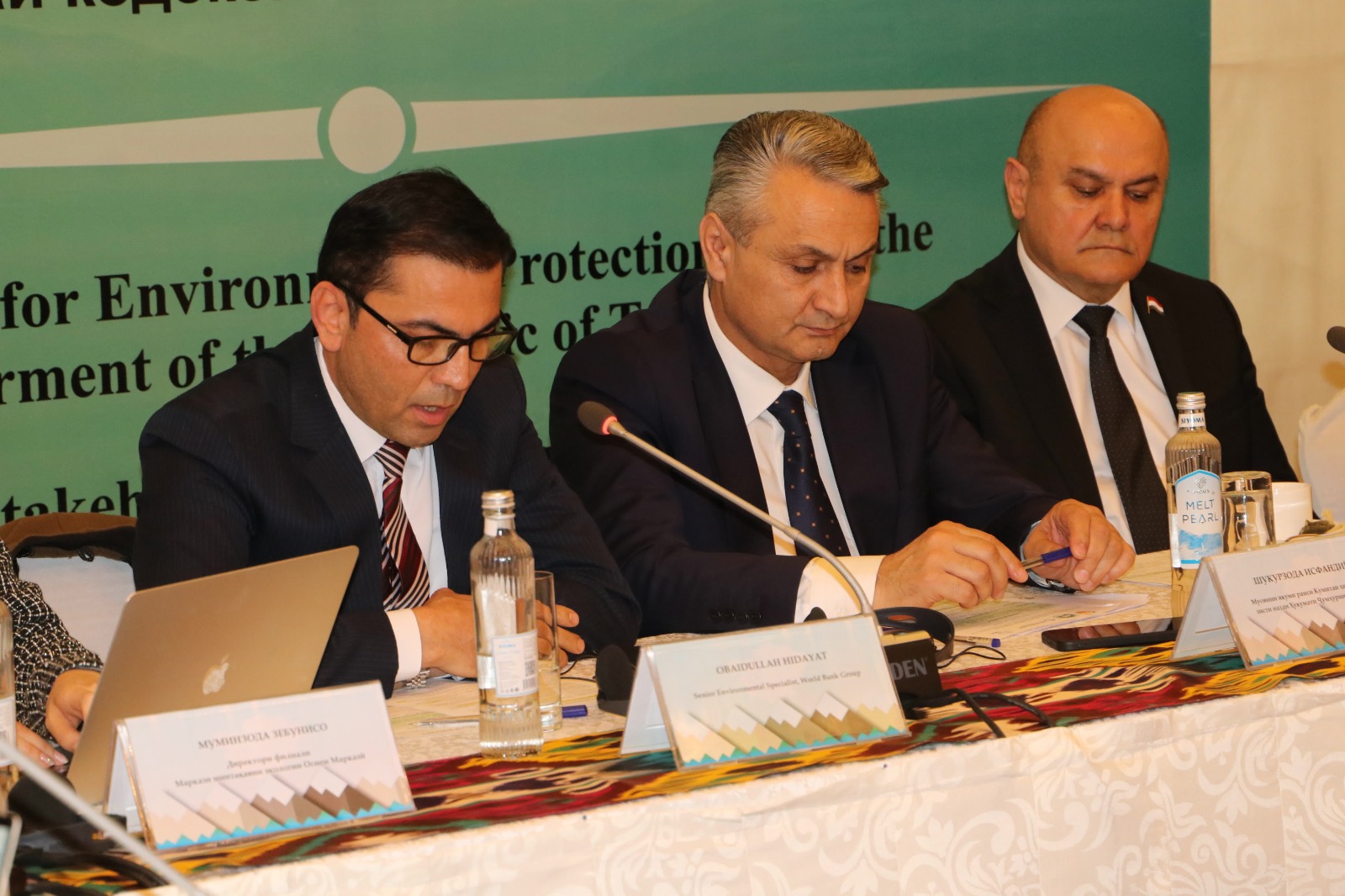
Obaidullah Hidayat, Representative of the World Bank in Tajikistan, highlighted the Code’s design as a tool for tangible results. “This Code represents a comprehensive, modern legal framework,” he stated, outlining core result areas: a Unified Environmental Monitoring System, modern permitting for compliance, and enhanced public access to environmental data. “These indicators transform policy into measurable change.”
A Collaborative Drafting Process
Zebunisso Muminzoda, Director of the CAREC Country Office in Tajikistan, welcomed participants, noting, "The project Code we present today is the result of meticulous work by an expert group, extensive inter-agency coordination with over 30 state bodies, and open public discussion." She stressed that the consultation aimed to gather expert feedback to perfect the document before its submission.
This inclusive consultation represents the final phase of refining the draft. Feedback on circular economy principles and implementation mechanisms will be integrated into the final text. The Environmental Code is now poised for submission to the Government of Tajikistan and subsequent parliamentary consideration, heralding a strengthened era of environmental governance aligned with the Sustainable Development Goals (SDGs).
.jpeg)
Additional information:
Zebuniso Muminzoda Country Director in Tajikistan, CAREC, tajikistan@carececo.org