

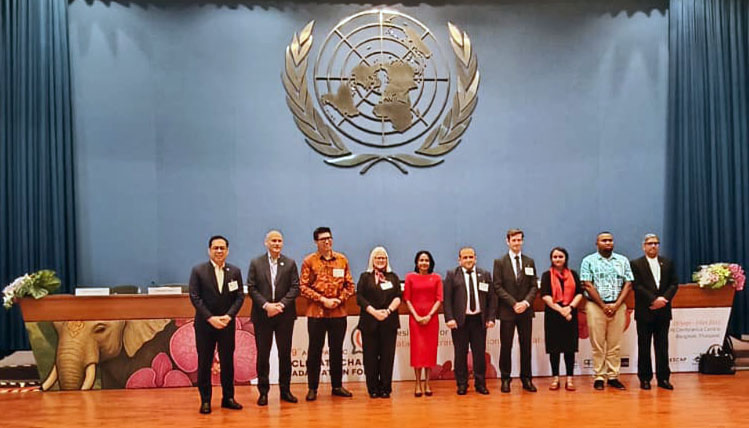
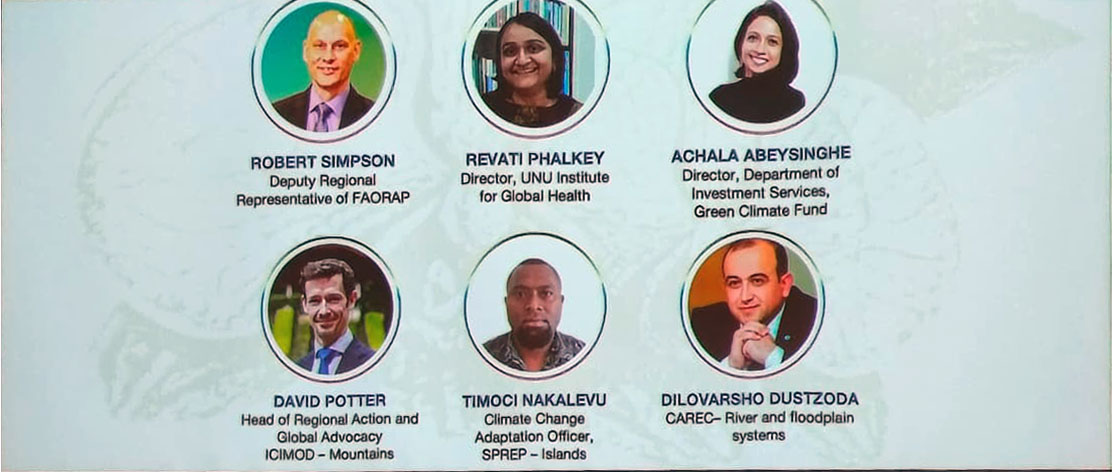
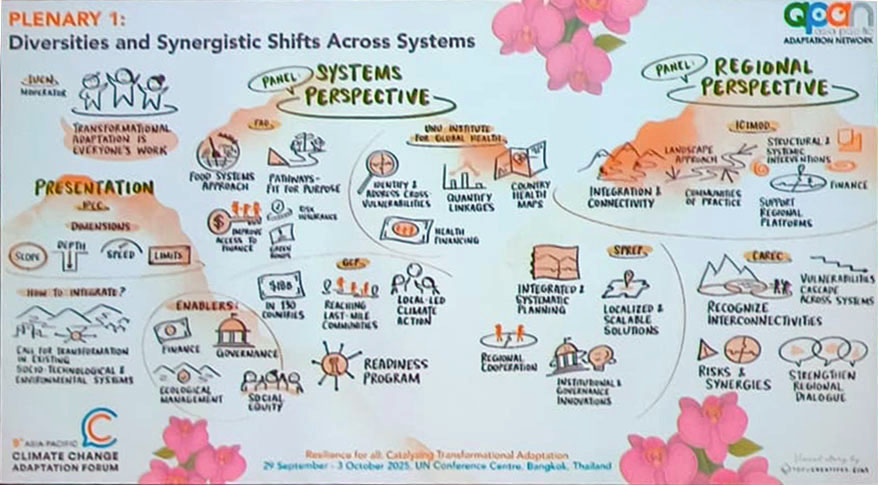
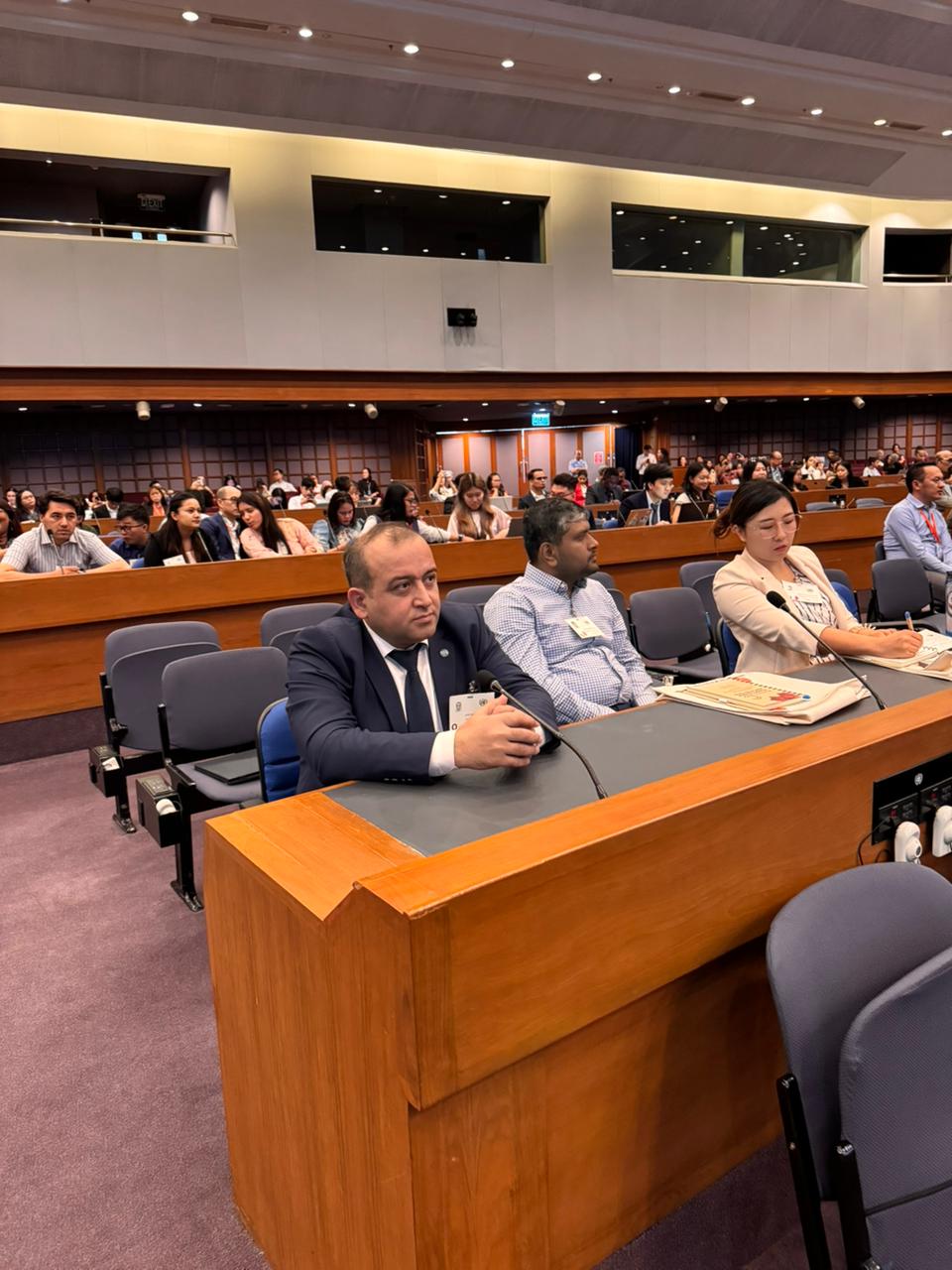
Bangkok, Thailand — October 2, 2025. At the opening plenary session of the 9th Asia-Pacific Climate Change Adaptation Forum (APAN Forum), Dilovarsho Dustzoda, Advisor to the Executive Director of the Regional Environmental Centre for Central Asia (CAREC), called for a shift toward transformational adaptation and cross-system approaches in managing natural resources.
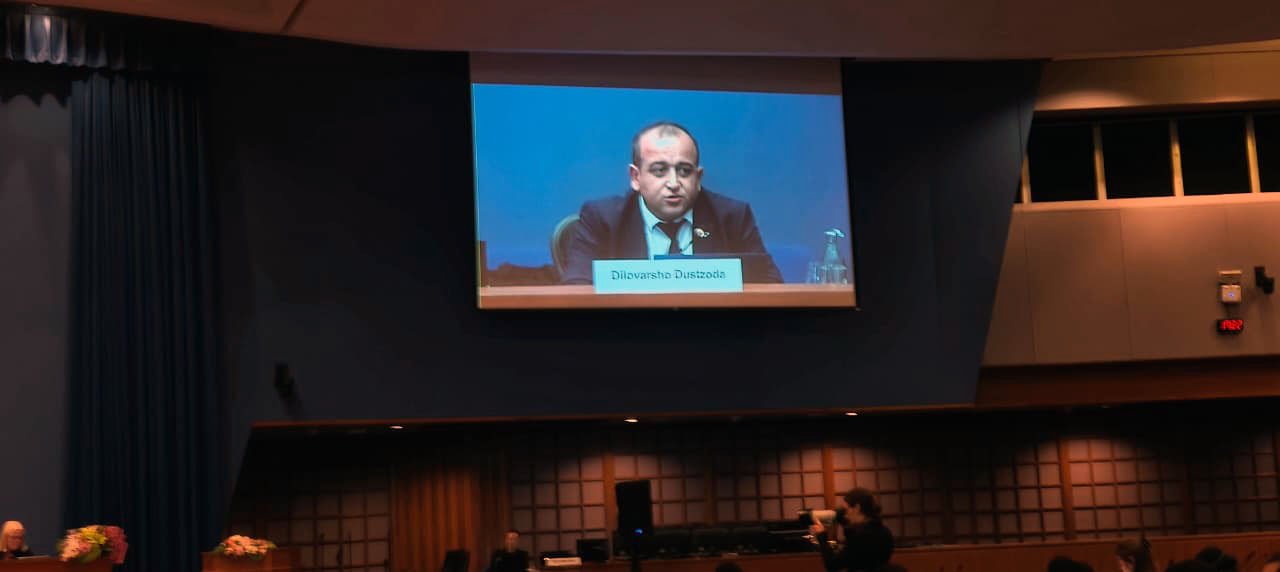
“What happens in high mountain areas directly affects the state of rivers and floodplains downstream,” stressed Dilovarsho Dustzoda.
Dilovarsho Dustzoda emphasized that climate resilience cannot be achieved if ecosystems are treated in isolation. He warned that glacier melt, changing flow regimes, and ecosystem degradation create a cascade of vulnerabilities, underscoring the need for solutions that connect natural systems.
“It is important not only to address individual risks, but to design cross-system solutions that generate a synergistic effect of resilience,” believes Dilovarsho Dustzoda.
He emphasized that traditional adaptation tools must be rethought. Instead of fragmented, short-term measures, he advocated for flexible, integrated mechanisms that consider the interconnections between mountain regions, rivers, and floodplain systems.
“When we align efforts at all levels — from local initiatives to regional cooperation — we lay the foundation for long-term resilience and help prevent conflicts over resources,” said Dilovarsho Dustzoda.
As a practical example, Dilovarsho Dustzoda highlighted CAREC’s work in promoting Small Basin Councils, inclusive platforms where local stakeholders collaborate on water management. These councils, he explained, show how participatory governance can foster trust and strengthen resilience in shared basins.
In his concluding remarks, Dilovarsho Dustzoda stressed the importance of mechanisms that ensure active community participation and strengthen regional platforms, which build trust and help identify solutions across diverse national interests and sectors.
Background
The APAN Forum is the largest climate adaptation event in the Asia-Pacific region. Held every two years with the support of the United Nations Environment Programme (UNEP) and partner organizations, it brings together governments, academia, international organizations, and civil society to exchange knowledge, experiences, and solutions for climate change adaptation.