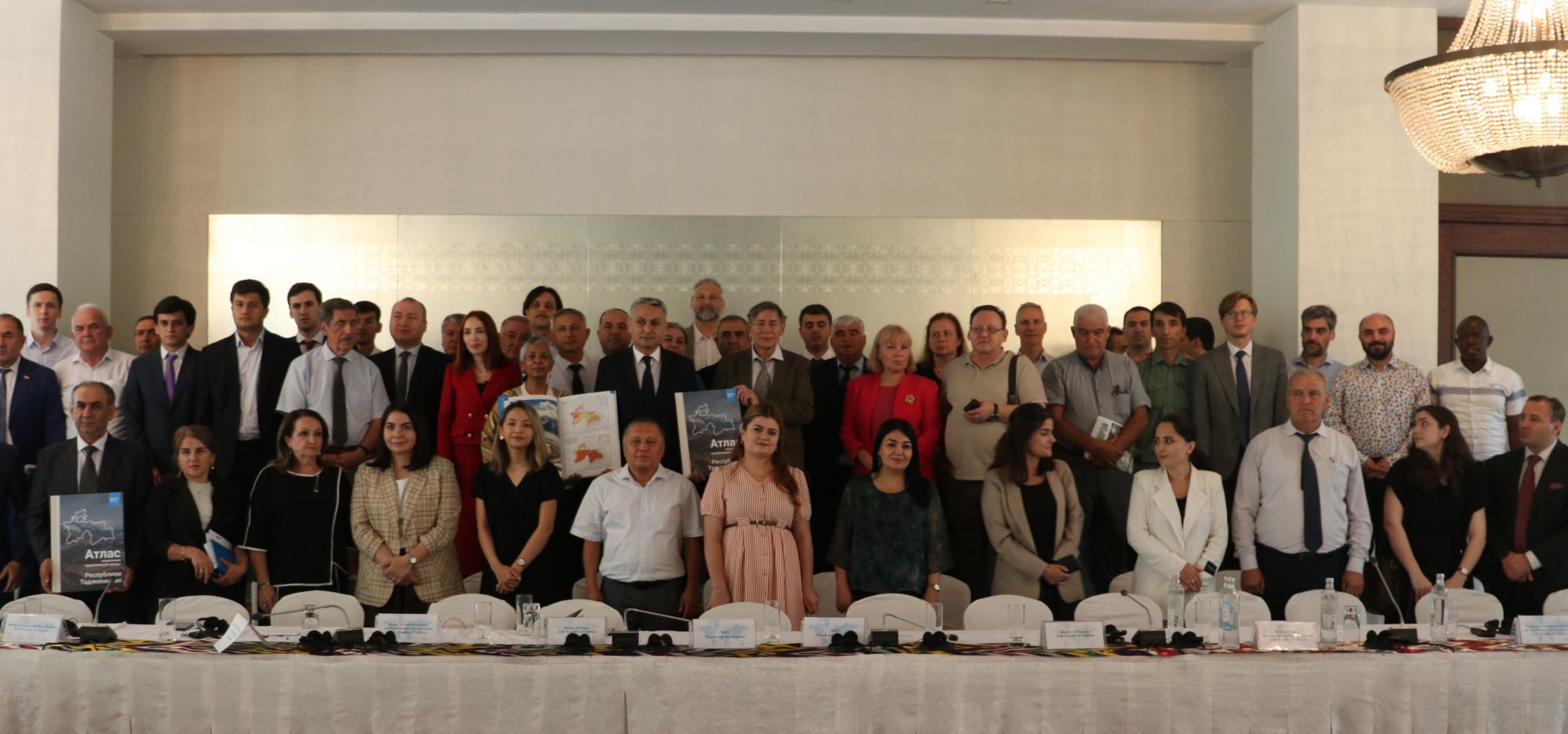
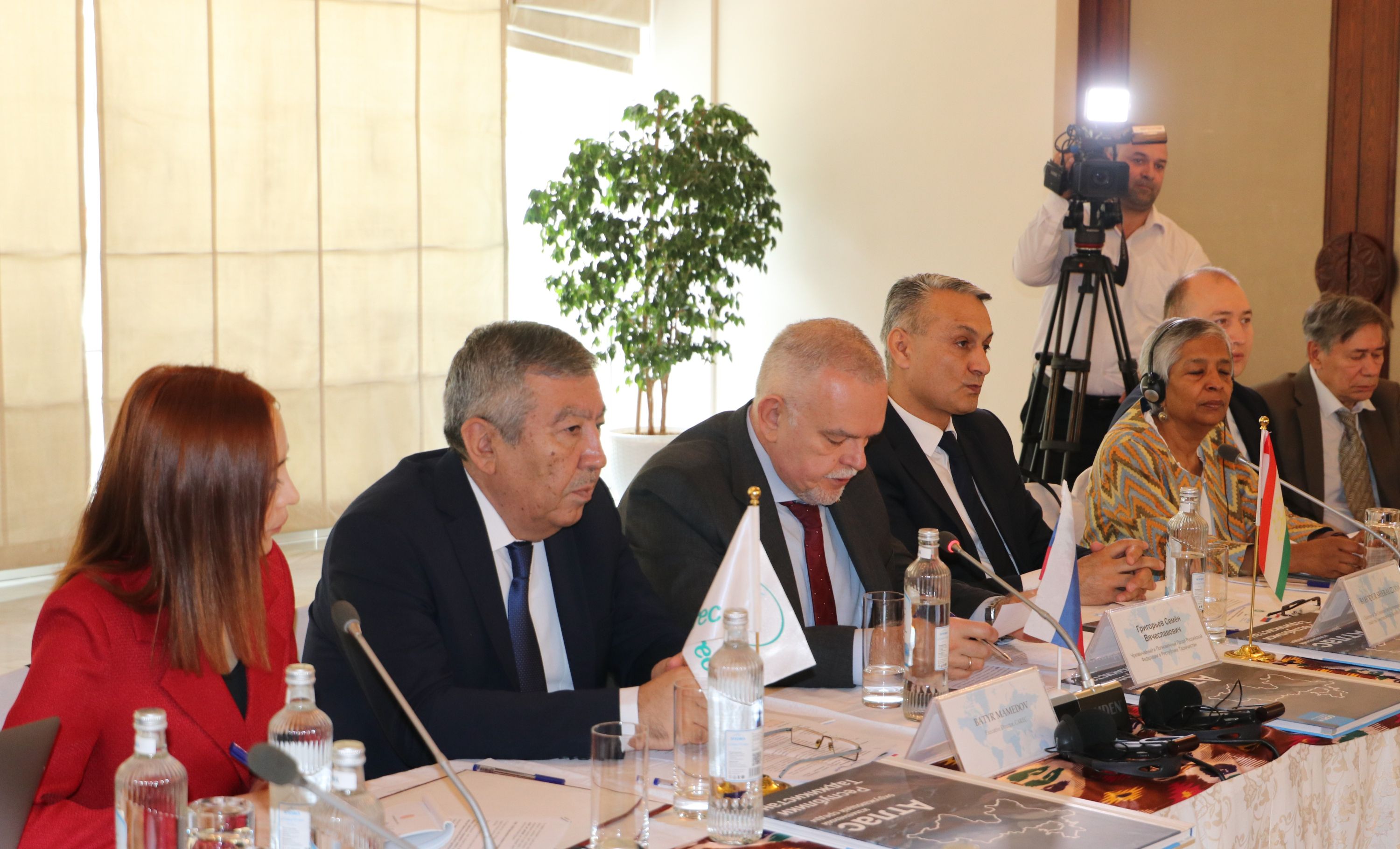
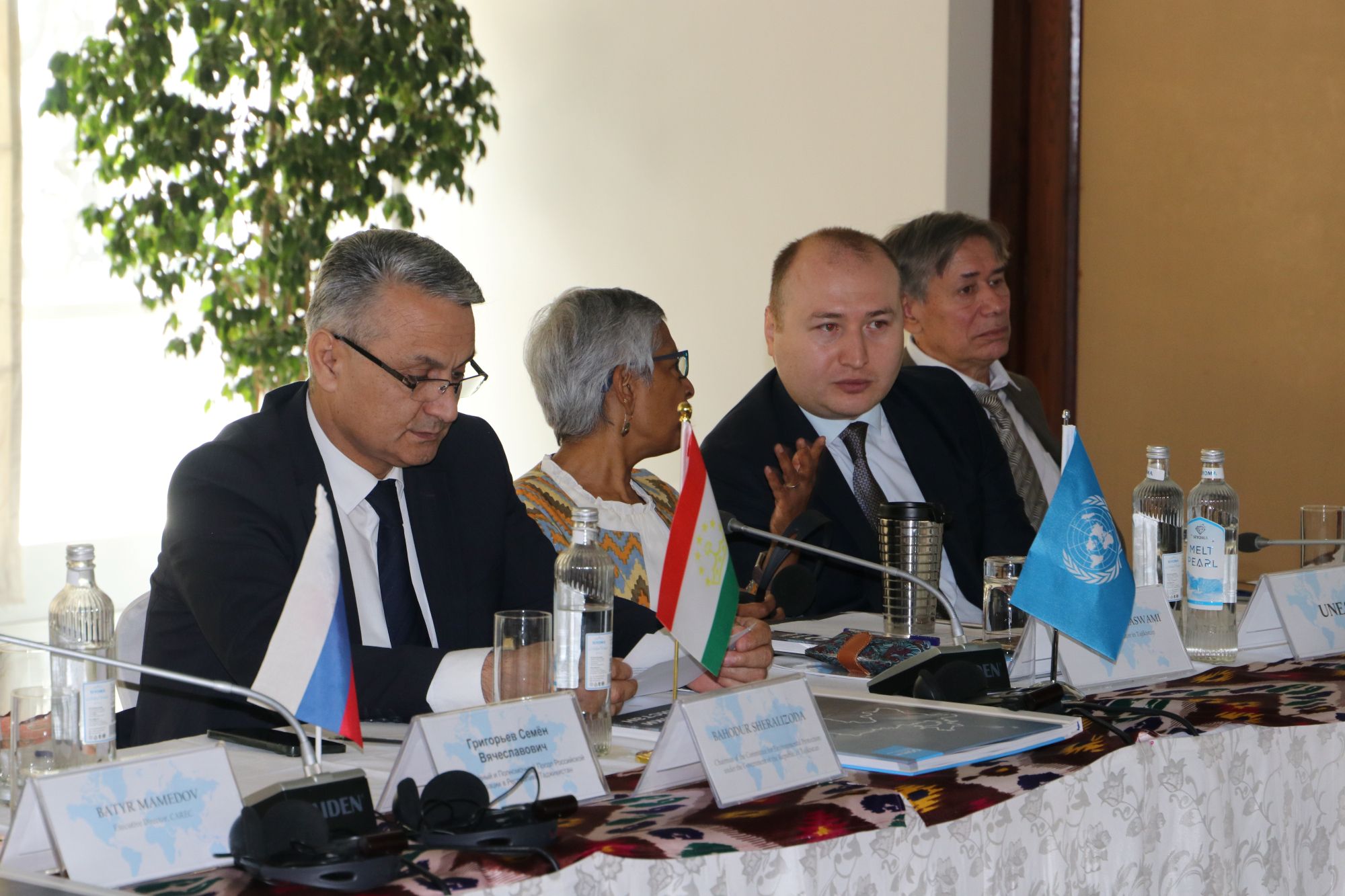
“The Atlas of Environmental Change of the Republic of Tajikistan vividly illustrates both the challenges and the opportunities for the country’s sustainable development,” said Batyr Mammedov, Executive Director of the Regional Environmental Centre for Central Asia (CAREC), at the national presentation of the Atlas in Dushanbe on 2 September 2025.
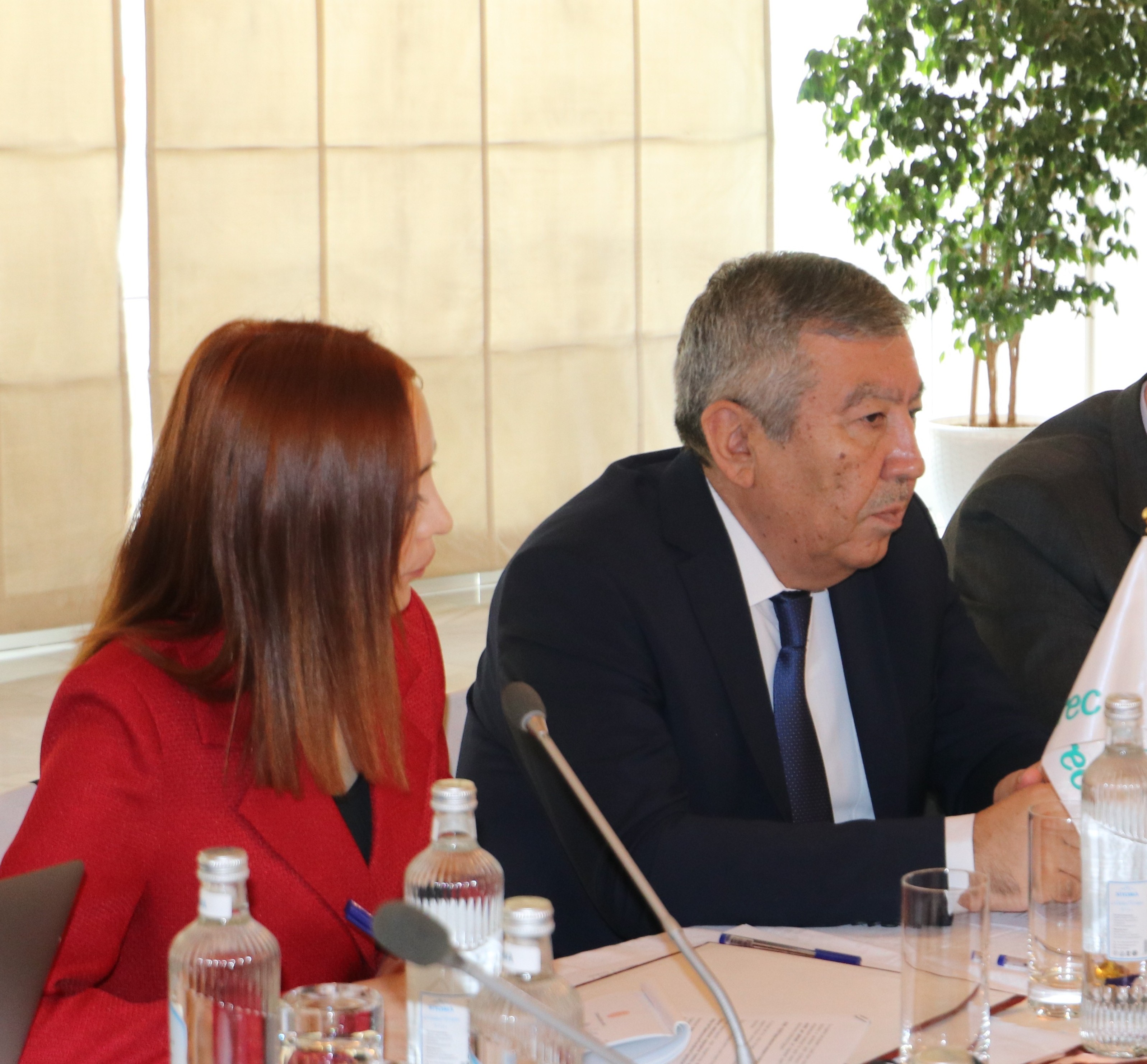
According to him, the project on creation of digital environmental atlases for three Central Asian countries was launched with a clear strategic goal: to harmonize national environmental statistics systems. This will make it possible to prepare reports on the implementation of key global environmental agreements in line with international standards—on combating desertification, addressing climate change, conserving biodiversity, and achieving the Sustainable Development Goals (SDGs).
The Atlas of Environmental Change of the Republic of Tajikistan was developed within the framework of the project “Capacity Development and Technology Transfer for Improved Data and Information Use for Environmental Monitoring in Central Asia.”
Данный проект реализуется Комитетом по охране окружающей среды при Правительстве Республики Таджикистан совместно с филиалом РЭЦЦА в Республике Таджикистан и ЮНЕП при финансовой поддержке Правительства Российской Федерации.
«Проект «Развитие потенциала и передача технологий для улучшения генерирования и использования данных и информации для содействия проведению мониторинга окружающей среды в Центральной Азии» реализуется в нашей стране с 2019 года и в этом году подходит к завершению. Сегодня мы имеем возможность представить один из его ключевых результатов — Атлас изменений окружающей среды Республики Таджикистан», - отметила директор филиала РЭЦЦА в Республике Таджикистан Зебунисо Муминзода.
This project is implemented by the Committee for Environmental Protection under the Government of the Republic of Tajikistan, in cooperation with the CAREC Country Office in Tajikistan and the United Nations Environment Programme (UNEP), with financial support from the Government of the Russian Federation.
“The project Capacity Development and Technology Transfer for Improved Data and Information Use for Environmental Monitoring in Central Asia has been implemented in our country since 2019 and is now nearing completion. Today we are pleased to present one of its key results—the Atlas of Environmental Change of the Republic of Tajikistan,” noted Zebuniso Muminzoda, Director of the CAREC Country Office in Tajikistan.
“Today we present not just a beautiful book or a collection of maps. We present a powerful analytical tool. This is the result of painstaking work by national experts and scientists, including from Lomonosov Moscow State University and the Institute of Geography of the Russian Academy of Sciences, who provided scientific support,” said Zebuniso Muminzoda.
The Atlas is based on global, regional, and national data covering more than sixty years of observations. The combination of long-term monitoring data and the latest satellite remote sensing technologies provides a comprehensive picture of the impacts of climate change and human activity on Tajikistan’s landscapes, ecosystems, and natural resources.
What makes the Atlas of Environmental Change of the Republic of Tajikistan unique?
The Atlas provides extensive information on the state of water and land resources, forests, biodiversity, and processes driven by climate change.
For example, data on the country’s water resources clearly demonstrate progress in water sector reform. At the same time, persistent problems remain: almost one-third of the rural population still relies on unprotected water sources. This information highlights the importance of achieving the UN Sustainable Development Goals:
- SDG 6.1 – universal and equitable access to safe and affordable drinking water by 2030;
- SDG 6.2 – universal and equitable access to adequate sanitation and hygiene by 2030.
To some extent, the Atlas also serves as a foundation for analyzing trends in crop areas and land productivity, studying national and global forest data, monitoring biodiversity, and improving the predictability of climate-related natural hazards.
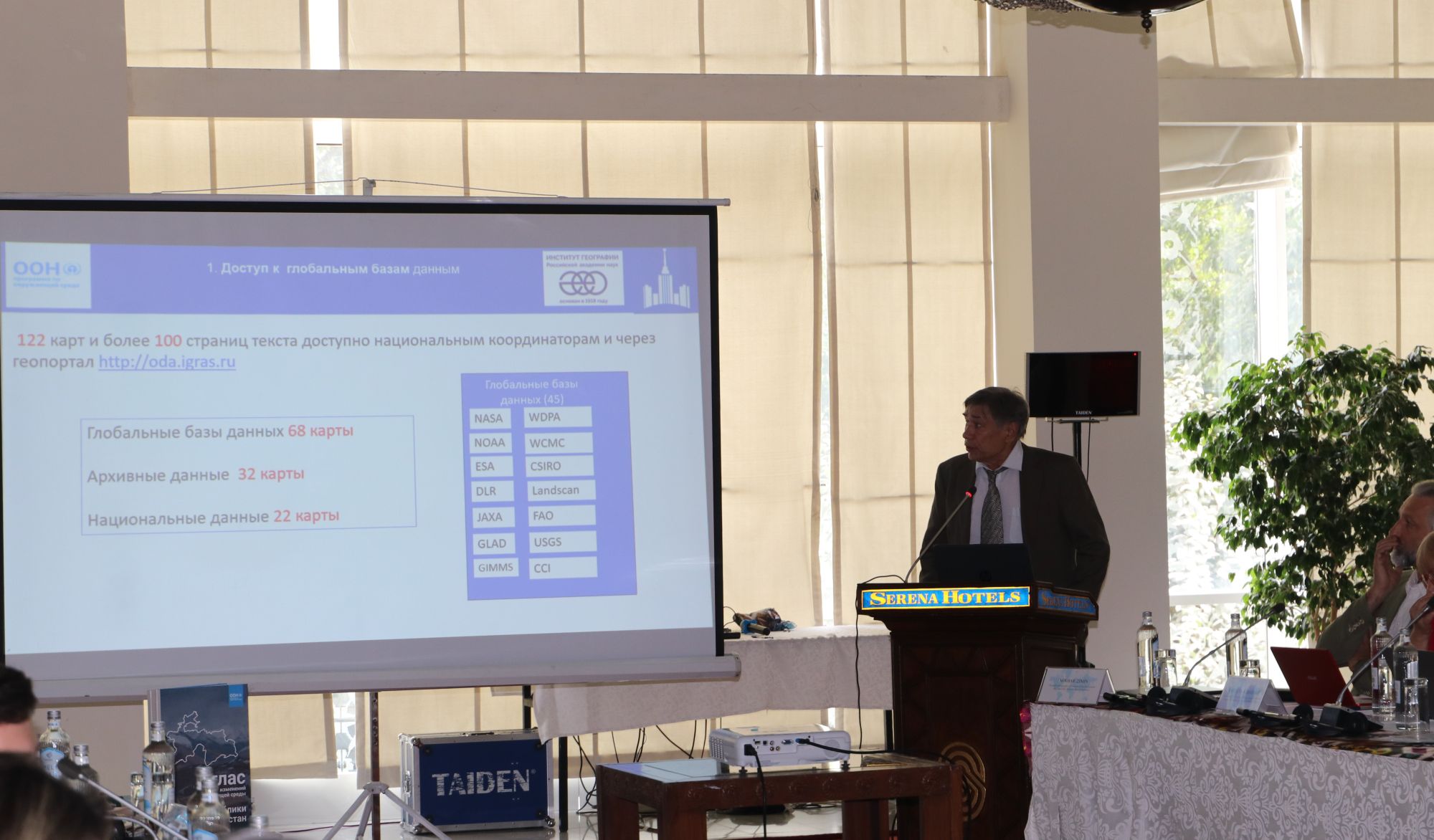
According to Zebuniso Muminzoda, another unique feature of the Atlas is that it will be available not only in print but also through a special Geoportal, accessible to the wider public.
“This Atlas will become a reliable tool for government bodies in developing evidence-based environmental policies and will be indispensable for meeting international commitments,” believes Zebuniso Muminzoda.
In the view of the presentation’s participants, the Atlas of Environmental Change of the Republic of Tajikistan, based on 60 years of observations, demonstrates both the challenges and the opportunities for the country’s sustainable development.
Additional information:
Zebuniso Muminzoda - Director of the CAREC Country Office in Tajikistan, tajikistan@carececo.org
Prepared by Zhanna Husainova, PR/Communication Expert